White Mustard (Sinapis Alba)
Plants have been an integral part of human civilization since ancient times, providing food, medicine, and numerous other resources. Among these versatile.
Introduction
Plants have been an integral part of human civilization since ancient times, providing food, medicine, and numerous other resources. Among these versatile plants is White Mustard (Sinapis alba). This unassuming plant holds significant cultural, culinary, and medicinal importance. In this extensive guide, we will delve into every aspect of the White Mustard plant, including its characteristics, cultivation, uses, and more.
What is White Mustard (Sinapis alba)?
White Mustard, scientifically known as Sinapis alba, is a plant species belonging to the Brassicaceae family. It is native to the Mediterranean region but has become naturalized in various parts of the world. White Mustard is primarily cultivated for its seeds, which are used to produce mustard condiment. Additionally, it has several traditional medicinal uses and is also valued as a green manure.
White Mustard Characteristics
Here are some key characteristics of the White Mustard plant:
- Botanical Name: Sinapis alba
- Family: Brassicaceae
- Habitat: Native to the Mediterranean region, now cultivated in various regions globally
- Flowering Period: Typically blooms in late spring to early summer
- Growth Habit: Annual or biennial herb
- Qualities: Fast-growing, with bright yellow flowers and deeply lobed leaves
White Mustard Plant Description
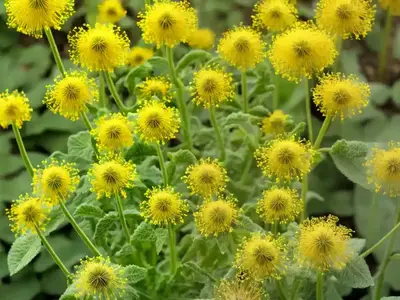
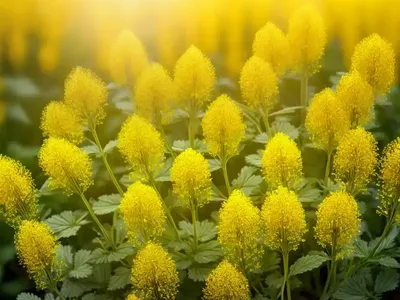
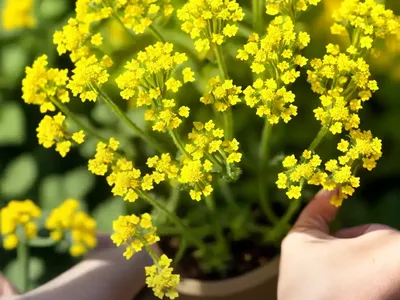
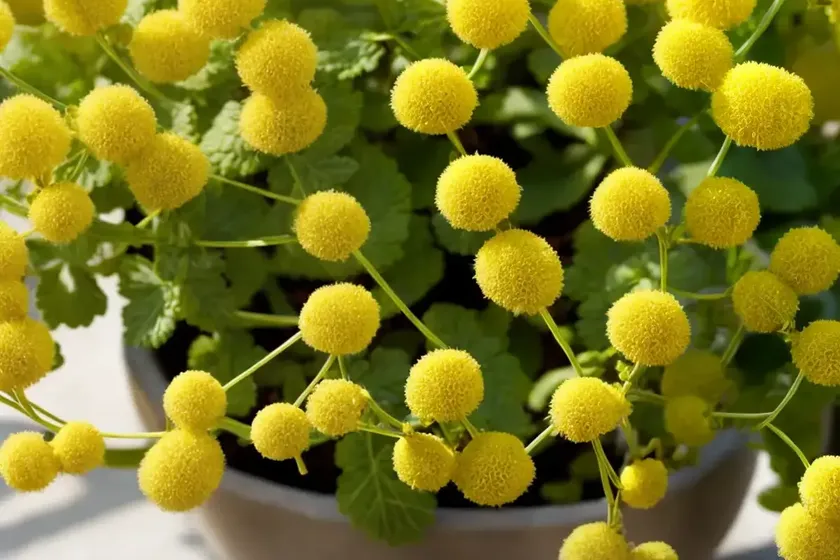
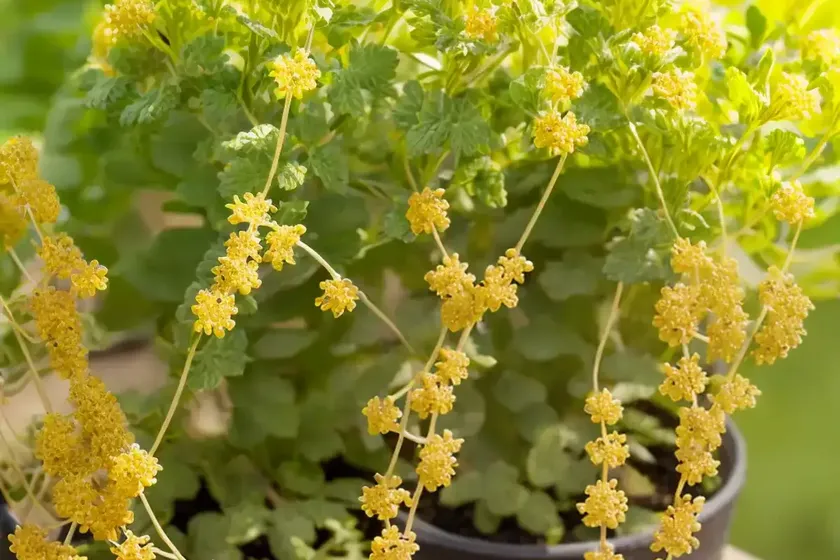
The White Mustard plant is recognized by its distinctive bright yellow flowers and deeply lobed leaves. It possesses a robust growth habit and can reach heights of around 60-90 cm. The seeds, which are the primary harvest from this plant, are small, round, and light yellow to brown in color.
Key Takeaways – White Mustard (Sinapis alba)
Sinapis alba Benefits
- Culinary Uses: The seeds are a key ingredient in the production of mustard condiment, providing a pungent and tangy flavor to various dishes.
- Medicinal Properties: White Mustard seeds have been traditionally used in herbal medicine for their potential health benefits, including digestive aid and as a respiratory decongestant.
White Mustard Plant Uses
- Culinary: Seed production for mustard condiment, as well as its leaves being used in salads and other dishes.
- Agricultural: Used as a green manure to improve soil fertility and structure.
- Medicinal: Traditional uses as an herbal remedy for various ailments.
White Mustard Seeds
- Culinary Application: The seeds are finely ground to produce mustard paste, powder, and oil, widely used in cooking and food processing.
- Medicinal Uses: Historically utilized for their potential therapeutic properties as a natural remedy.
Growing White Mustard
- Cultivation: White Mustard is grown as an annual crop and can thrive in diverse climatic conditions.
- Suitable Conditions: Well-drained soil, moderate sunlight, and adequate moisture for optimal growth.
Sinapis alba Characteristics
- Fast Growth: White Mustard exhibits rapid growth, making it an efficient green manure crop.
- Distinctive Appearance: Bright yellow flowers and deeply lobed leaves distinguish the plant.
White Mustard Plant Care
- Soil Requirements: Well-drained soil with adequate organic matter.
- Watering: Regular watering to maintain consistent moisture levels.
- Sunlight: Thrives in partial to full sunlight.
Health Benefits of Sinapis alba
- Digestive Aid: White Mustard seeds have been used to aid digestion and alleviate gastrointestinal discomfort.
- Respiratory Support: Traditional usage as a decongestant for respiratory issues.
White Mustard Plant Facts
- Historical Significance: White Mustard has a rich history, with traditional uses in medicine and culinary applications.
- Cultural Importance: The plant has been part of various cultural rituals and folklore.
Sinapis alba Cultivation
- Global Cultivation: Grown in different parts of the world for its seeds and culinary significance.
- Adaptability: Can thrive in diverse environmental conditions.
White Mustard Plant Varieties
- Cultivated Varieties: Several cultivated varieties are available, differing in seed size and flavor profiles.
- Wild Types: Additionally found in the wild, exhibiting variations in growth patterns and characteristics.
Sinapis alba Herbal Remedy
- Traditional Medicine: White Mustard has been historically used in herbal preparations to address various health concerns.
- Therapeutic Potential: Being studied for its potential medicinal properties in modern research.
Culture
Cultivating White Mustard requires attention to its specific needs in terms of water, sunlight, soil, and fertilizer. Let’s explore how to best care for this versatile plant:
Uses
Culinary Uses
The primary use of White Mustard is in culinary applications. The seeds are ground to produce mustard condiment, which is widely used in various cuisines globally for its pungent and tangy flavor. Additionally, the leaves of the White Mustard plant can be incorporated into salads and other dishes to add a peppery note.
Agricultural Uses
In addition to its culinary significance, White Mustard serves as an important green manure crop. As a green manure, it is grown specifically to be turned back into the soil, providing organic matter and improving soil fertility and structure.
Medicinal Uses
The seeds of White Mustard have historical significance in herbal medicine. They have been used to address digestive issues and respiratory discomfort. Furthermore, research into the potential medicinal properties of White Mustard is ongoing, potentially unlocking additional therapeutic uses.
Water
White Mustard plants thrive in moderately moist soil. Adequate watering should be maintained to keep the soil consistently moist without waterlogging. During dry periods, it is essential to ensure that the plants receive sufficient hydration to support their growth.
Sunlight
White Mustard plants prefer partial to full sunlight for optimal growth and seed production. Adequate exposure to sunlight is essential for the development of the plant’s leaves and flowers, contributing to its overall health and vigor.
Fertilizer
When cultivating White Mustard, a balanced fertilizer can be applied to support healthy growth. Incorporating organic matter into the soil before planting can also provide essential nutrients for the plant’s development.
Soil
White Mustard thrives in well-drained soil with adequate organic content. The soil pH should ideally be neutral to slightly acidic for optimal growth. Prior to planting, it is beneficial to prepare the soil by incorporating compost or well-rotted manure to enhance its fertility and structure.
Pruning
Pruning White Mustard plants is not typically necessary, as the primary focus is on the seeds and, to a lesser extent, the leaves. However, if grown for ornamental purposes or to maintain a specific growth habit, selective pruning can be performed to shape the plant as desired.
Propagation
White Mustard can be propagated from its seeds, which are ideally sown directly into the soil where the plants are intended to grow. The process involves scattering the seeds evenly over the prepared soil and lightly covering them with a thin layer of soil. Adequate watering and sunlight are essential for successful germination and subsequent growth.
Container
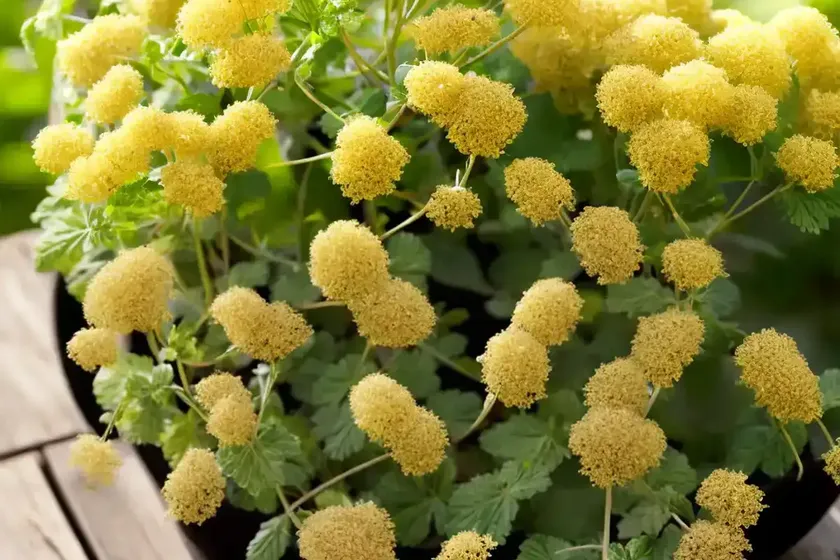
While White Mustard is commonly grown in open fields for commercial production, it can also be cultivated in containers for home gardening or smaller-scale farming. When growing White Mustard in containers, attention should be given to the container size, soil, watering, and sunlight requirements to ensure the plant’s successful growth.
Popularity in Containers
Growing White Mustard in containers has gained popularity among home gardeners and urban cultivators due to its relatively low maintenance and versatility.
Common Diseases
White Mustard plants are susceptible to several diseases, which can impact their growth and overall health. Identifying and addressing these diseases promptly is crucial to maintaining the vigor of the plants.
Disease Diagnosis
Common diseases that may affect White Mustard plants include:
- Downy Mildew: Characterized by the presence of grayish-white fungal growth on the undersides of the leaves.
- White Rust: Identified by the development of white pustules on the leaves and stems, typically accompanied by yellowing and weakening of the plant.
Common Pests
Along with diseases, White Mustard plants may also be affected by various pests, potentially causing damage to the foliage and seeds. Implementing pest management strategies is essential to protect the plants from infestations.
Botanist’s Tips
Incorporating companion planting with insect-repelling species or the use of organic pest control measures can help safeguard White Mustard plants from pest-related issues.
Fun Facts
To enrich our understanding and appreciation of White Mustard, here are some intriguing facts about this remarkable plant:
- Culinary Heritage: Mustard condiment has a rich history, dating back to ancient civilizations, where it was highly prized for its bold flavor and preservative properties.
- Symbolism: In various cultures, White Mustard and its seeds have been associated with symbolism, representing elements such as strength, potency, and determination.
- Ethnobotanical Significance: White Mustard has been an integral part of traditional medicine and cultural practices in different regions, reflecting its diverse uses and significance.
Links to External Resources
For additional information about White Mustard (Sinapis alba), here are some valuable external resources:
- USDA Plants Database – Sinapis alba
- University of Florida IFAS Extension – White Mustard
- Royal Horticultural Society – Sinapis alba
In conclusion, White Mustard, or Sinapis alba, is a versatile plant with significant cultural, culinary, and potential medicinal importance. Its culinary uses, agricultural significance, and historical relevance make it a fascinating subject for plant enthusiasts and researchers alike. Understanding its characteristics, cultivation requirements, and uses can deepen our appreciation of this remarkable plant and its contributions to human culture and well-being.
By exploring the nuances of White Mustard, we can gain a deeper understanding of its role in traditional practices, modern agriculture, and potential future applications in various fields. Whether enjoyed as a flavorful condiment, utilized as a green manure crop, or studied for its medicinal properties, White Mustard stands as a testament to the enduring value of plant species in our lives.
This concludes our comprehensive guide to White Mustard (Sinapis alba), providing insights into its cultivation, uses, and significance in the natural world.
Disclaimer: The information provided in this guide is for educational and informational purposes only. It is not intended as a substitute for professional advice or guidance. Readers are encouraged to consult with appropriate professionals for specific guidance related to plant cultivation, medicinal uses, and other related topics.