White Fiesta-Flower (Pholistoma Membranaceum): A Comprehensive Plant Care Guide
White Fiesta-Flower, scientifically known as Pholistoma Membranaceum, is a stunning plant species that offers beauty and elegance to any garden or landscape. This plant is celebrated for its unique characteristics, diverse uses, and relatively manageable care requirements. Whether you are a novice gardener or an experienced horticulturist, understanding the intricacies of cultivating White Fiesta-Flower can elevate your gardening experience and ensure the optimal health and growth of this exquisite plant.
In this comprehensive plant care guide, we will delve into the various aspects of White Fiesta-Flower, ranging from its cultural requirements to common diseases and pests that may affect its vitality. Through insightful discussions on its habitat, propagation, pruning, and more, you will gain a deep understanding of how to cultivate and care for Pholistoma Membranaceum effectively.
What is White Fiesta-Flower (Pholistoma Membranaceum)?
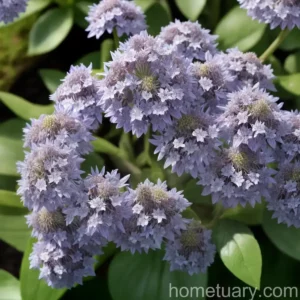
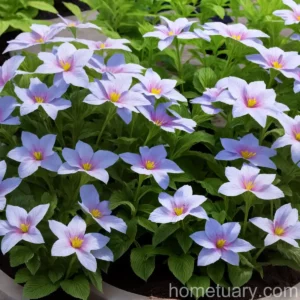
White Fiesta-Flower, or Pholistoma Membranaceum, is a perennial flowering plant that belongs to the Hydrophyllaceae family. This species is native to California, where it thrives in diverse habitats, including grasslands, coastal scrub, and open woodlands. The plant features delicate, bell-shaped white flowers with intricate purple markings, creating a visually captivating display during its blooming period.
Key Takeaways
Before we delve into the specific care requirements for White Fiesta-Flower, let’s outline some key takeaways that will guide our discussions in this comprehensive plant care guide.
- Common Name: White Fiesta-Flower
- Scientific Name: Pholistoma Membranaceum
- Plant Type: Perennial
- Sunlight: Full sun to partial shade
- Watering: Moderate
- Soil Type: Well-draining, fertile soil
- Height: Up to 2 feet
- Blooming Period: Spring to early summer
- Hardiness Zones: 8 to 10
- Uses: Ornamental, landscaping, wildlife attractant
Now, let’s explore the intricacies of cultivating and caring for White Fiesta-Flower in detail, including its cultural requirements, uses, common diseases, pests, and botanist’s tips for optimal growth.
Cultivation and Care of White Fiesta-Flower
Cultivating White Fiesta-Flower revolves around providing it with the ideal growing conditions that support its vitality and encourage robust, healthy growth. From sunlight and water requirements to soil composition and fertilization, understanding the plant’s cultural needs is fundamental to its successful cultivation.
Sunlight
White Fiesta-Flower thrives in full sun to partial shade, making it a versatile option for gardens and landscapes with varying light conditions. When grown in regions with intense sunlight, providing some afternoon shade can prevent the plant from experiencing stress or sunburn. In contrast, in shadier areas, ensuring that the plant receives ample sunlight is crucial for promoting prolific flowering and overall vigor.
Water
Moderate and consistent watering is key to maintaining the health and vitality of White Fiesta-Flower. While the plant can tolerate brief periods of drought, it is essential to establish a regular watering schedule, particularly during dry spells or hot summer months. When watering, it is crucial to ensure that the soil does not become waterlogged, as excessive moisture can lead to root rot and other detrimental conditions.
Soil
White Fiesta-Flower thrives in well-draining, fertile soil that provides a healthy foundation for its root system. A balanced soil composition, rich in organic matter, promotes optimal growth and flowering. Prior to planting, amending the soil with compost or organic fertilizers can enhance its fertility and structure, providing an ideal environment for the plant to flourish.
Fertilizer
Applying a balanced, all-purpose fertilizer during the plant’s active growing season can support its nutrient needs and promote robust growth. Fertilizing in early spring, before the onset of blooming, can provide White Fiesta-Flower with vital nutrients that sustain its vitality throughout the flowering period. It is important to follow the recommended dosage and application guidelines to prevent over-fertilization, which can be detrimental to the plant’s health.
Pruning
Pruning is an essential aspect of White Fiesta-Flower care, contributing to its overall health, shape, and flowering potential. Deadheading spent blooms and removing any damaged or diseased foliage can encourage the plant to redirect its energy towards new growth and flower production. Additionally, selective pruning can help maintain a tidy appearance and prevent overcrowding among the plant’s stems and foliage.
Propagation
White Fiesta-Flower can be propagated through various methods, including seed propagation and division. Collecting and sowing seeds in well-prepared soil during the plant’s natural seeding period can yield new plants that inherit the parent’s characteristics. Additionally, dividing mature plants can create new specimens that can be transplanted to different areas of the garden or shared with other gardening enthusiasts.
Container Popularity
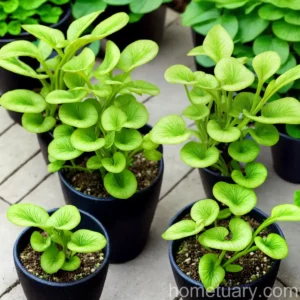
The versatility of White Fiesta-Flower extends to container gardening, where it can thrive in appropriately sized containers, providing a stunning display on patios, balconies, or other outdoor spaces. When selecting containers for this plant, it is important to ensure adequate drainage and sufficient space for the plant’s root system to develop and expand. With the right care and attention, White Fiesta-Flower can thrive and bloom prolifically in container settings.
Uses
White Fiesta-Flower offers diverse uses within the realm of landscaping, ornamental gardening, and habitat conservation. Its stunning visual appeal makes it a favored choice for adding elegance and charm to gardens, borders, and natural landscapes. Furthermore, the plant’s nectar-rich flowers attract pollinators, such as bees and butterflies, contributing to the ecological diversity of the surrounding environment.
Common Diseases
While White Fiesta-Flower is relatively resilient, it can be susceptible to certain diseases that may affect its vitality and aesthetics. Understanding the common diseases that can impact this plant is essential for implementing preventative measures and timely interventions to mitigate their effects.
Disease Diagnosis
Among the potential diseases that can affect White Fiesta-Flower, fungal infections, such as powdery mildew and leaf spot, can pose significant challenges. These diseases often manifest as visible blemishes, discolorations, or powdery coatings on the plant’s foliage and stems. Regular inspection and prompt diagnosis are crucial for implementing targeted treatment and preventing the spread of these diseases throughout the garden.
Common Pests
White Fiesta-Flower may also attract a range of pests that can impact its health and flowering potential. Keeping a vigilant eye on the plant and being aware of the common pests that may target it are essential for preserving its vitality and ensuring optimal growth and flowering.
Botanist’s Tips
As a plant enthusiast and botanist, I have compiled a set of insightful tips that can guide you in successfully cultivating and caring for White Fiesta-Flower. These expert recommendations stem from years of experience and a profound understanding of the plant’s requirements and characteristics.
-
Provide Adequate Support: When growing White Fiesta-Flower, particularly in garden settings, providing suitable support in the form of trellises or stakes can help maintain the plant’s upright growth and prevent sprawling or potential damage from environmental factors.
-
Encourage Wildlife Interaction: Embracing the plant’s role as a wildlife attractant can enrich your garden or landscape, promoting biodiversity and ecological balance. By allowing pollinators and other beneficial insects to interact with the flowers, you can foster a thriving ecosystem.
-
Promote Air Circulation: Ensuring adequate air circulation around White Fiesta-Flower plants is crucial for preventing the development of fungal diseases and promoting overall health. Proper spacing between individual plants can facilitate air movement and reduce the risk of moisture-related issues.
-
Regular Monitoring and Maintenance: Engaging in regular monitoring of the plant’s growth, foliage, and flowering patterns can provide valuable insights into its overall health and help in identifying potential issues at an early stage. Additionally, proactive maintenance, such as pruning and weed control, can contribute to the plant’s well-being.
Fun Facts
- White Fiesta-Flower is also known by the common names “White Phacelia” and “Sacred Plant”.
- Some Native American tribes utilized the plant for its medicinal properties, employing it as a remedy for various ailments.
- The delicate, bell-shaped flowers of White Fiesta-Flower exhibit intricate patterns that make them visually captivating and sought after for ornamental gardening.
Links to External Resources
To further expand your knowledge and understanding of White Fiesta-Flower, I have curated a selection of external resources that provide in-depth insights into the plant’s characteristics, cultivation, and uses.
- Native Plant Trust – White Fiesta-Flower
- UC Master Gardeners – Growing Pholistoma Membranaceum
- California Native Plant Society – Pholistoma Membranaceum Field Guide
In conclusion, cultivating and caring for White Fiesta-Flower, or Pholistoma Membranaceum, offers a rewarding and enriching experience for gardening enthusiasts. By understanding its key cultural requirements, uses, potential challenges, and expert tips, you can embark on a journey to nurture and showcase the natural beauty and elegance of this exquisite plant. Whether integrated into ornamental gardens, natural landscapes, or container settings, White Fiesta-Flower stands as a testament to the captivating allure of native plants and the invaluable role they play in enriching our lives and the surrounding environment.