Twinspur (Diascia Rigescens): A Charming and Versatile Plant for Your Garden
Plants play a significant role in our lives, not only in terms of providing food and oxygen but also in adding beauty and serenity to our surroundings. One such enchanting plant is the Twinspur, scientifically known as Diascia Rigescens. This delicate and versatile plant has become a favorite among gardeners and landscaping enthusiasts for its vibrant flowers and ease of cultivation.
In this comprehensive guide, we will delve into the world of Twinspur, exploring its characteristics, cultivation techniques, common uses, maintenance requirements, and much more. Whether you’re a seasoned gardener or a novice plant enthusiast, this article aims to provide you with valuable insights into the captivating realm of Diascia Rigescens, also known as Twinspur.
What is Twinspur (Diascia Rigescens)?
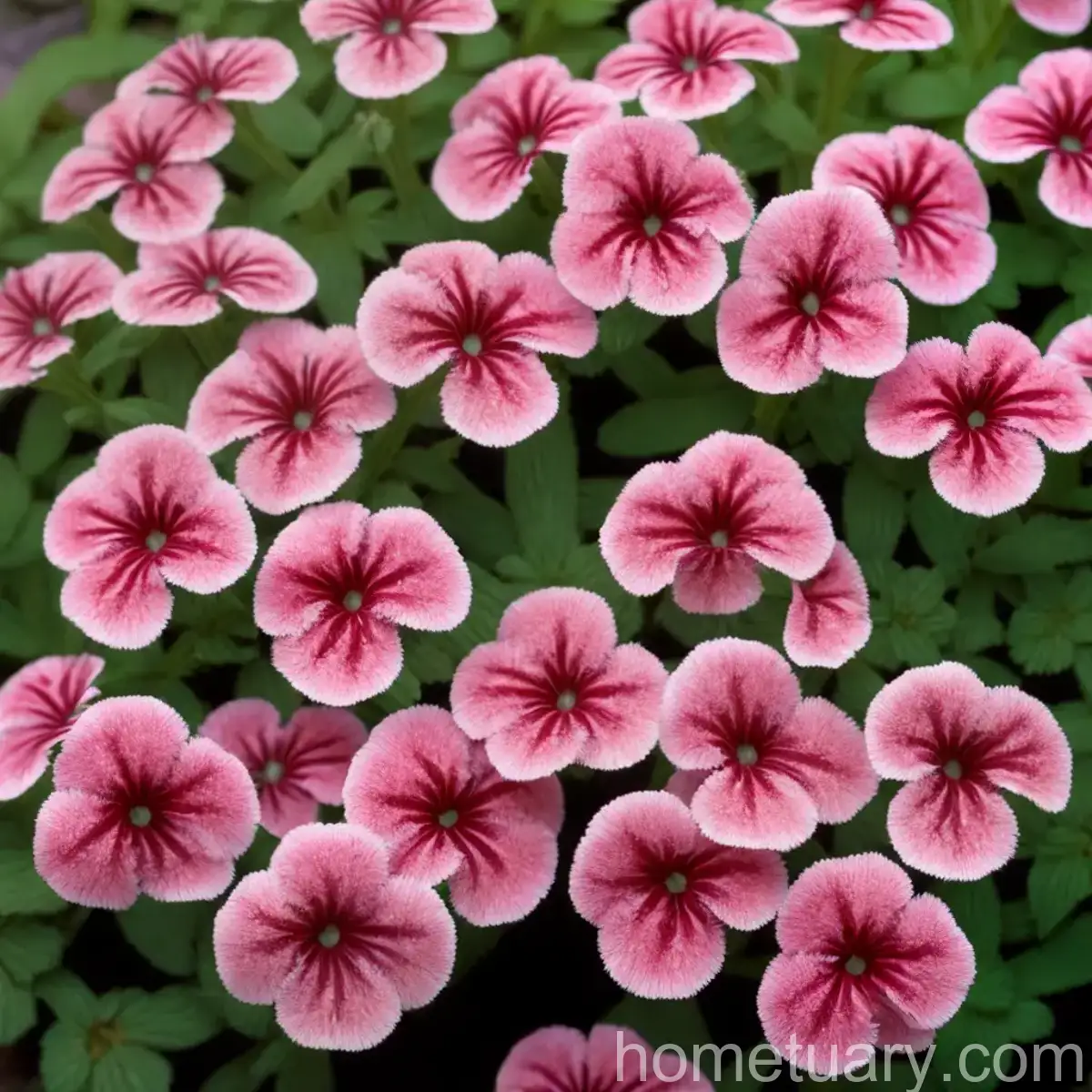
Twinspur (Diascia Rigescens) is a charming flowering plant belonging to the family Scrophulariaceae. This herbaceous perennial is native to the rocky slopes and grasslands of South Africa. It is characterized by its delicate, tubular flowers that bloom in an array of captivating colors, including shades of pink, orange, and white. The name “Twinspur” is derived from the unique twin spurs on the flowers, which contribute to its distinctiveness and appeal.
Key Takeaways – Twinspur (Diascia Rigescens)
Before we delve deeper into the specifics of cultivating and caring for Twinspur, let’s overview some key takeaways about this fascinating plant:
- Plant Name: Twinspur (Diascia Rigescens)
- Plant Type: Herbaceous Perennial
- Native Region: South Africa
- Distinctive Feature: Twin Spur Flowers
- Flower Colors: Pink, Orange, White
- Cultivation: Suitable for Container and Garden Planting
- Suitable Uses: Borders, Rock Gardens, Containers
- Maintenance: Low to Moderate
- Attracts: Butterflies, Pollinators
- Fragrance: Mild, Sweet Aroma
- Foliage: Lush, Green, and Compact
- Hardiness: Dependent on Climatic Conditions
- Growing Season: Spring to Fall
- Sunlight: Partial to Full Sun
- Watering: Regular, Well-Draining Soil
- Soil Type: Rich, Fertile, and Well-Drained
- Propagation: From Seeds or Cuttings
- Popularity: Increasing Interest Among Gardeners and Landscapers
Now that we have a broad understanding of the basic characteristics of Twinspur, let’s explore the elements that contribute to its successful cultivation and thriving in a variety of garden settings.
Culture of Twinspur (Diascia Rigescens)
Cultivating Twinspur successfully requires an understanding of its specific cultural needs, including considerations related to water, sunlight, soil, and maintenance practices. By adhering to these guidelines, you can ensure the optimal growth and vitality of this captivating plant.
Uses of Twinspur
Before delving into the cultural requirements of Twinspur, let’s briefly outline some of its common uses:
- Borders: Plantings of Twinspur along borders provide vibrant and colorful edging for garden beds and pathways.
- Rock Gardens: Its compact growth habit and striking flowers make Twinspur an ideal addition to rock gardens, adding visual appeal to rocky landscapes.
- Containers: Twinspur thrives in containers and hanging baskets, allowing for versatile placement in balconies, patios, and smaller garden spaces.
Water
Investing in proper watering practices is essential for maintaining the health and vigor of Twinspur. As with many flowering plants, finding the right balance in watering is crucial to prevent root rot while ensuring adequate moisture.
- Water Needs: Twinspur thrives with regular watering, particularly during the drier and warmer months. It is essential to keep the soil consistently moist but not waterlogged, allowing excess water to drain freely from the container or garden bed.
- Drought Tolerance: While Twinspur appreciates consistent moisture, it also exhibits a degree of drought tolerance once established. However, extended periods of dryness can have a detrimental impact on its growth and flowering.
Sunlight
The amount of sunlight exposure plays a pivotal role in the growth and blooming of Twinspur. Understanding its sunlight requirements is essential for optimal performance.
- Light Requirements: Twinspur flourishes in partial to full sun, benefiting from at least 4-6 hours of direct sunlight each day. In regions with intense summer heat, providing partial shade during the hottest part of the day can be beneficial.
- Shade Tolerance: While Twinspur prefers ample sunlight, it can tolerate some shade, particularly in hot climates, as long as it still receives a significant amount of direct or filtered sunlight.
Fertilizer
Fertilizing your Twinspur plants can enhance their growth, promote blooming, and ensure overall vigor. Understanding the appropriate timing and application of fertilizers is essential for fostering healthy growth.
- Fertilizer Type: A balanced, all-purpose fertilizer with a ratio such as 10-10-10 or 20-20-20 is suitable for feeding Twinspur. Alternatively, using a fertilizer formulated specifically for flowering plants can promote prolific blooming.
- Application Frequency: Apply fertilizer to Twinspur plants every 4-6 weeks during the active growing season, typically from spring to early fall. Avoid over-fertilizing, as excessive nutrients can lead to lush foliage at the expense of flowers.
Soil
The soil composition and quality directly impact the health and performance of Twinspur. Providing well-draining, nutrient-rich soil is crucial for its successful cultivation.
- Soil Type: Choose a well-draining, loamy soil enriched with organic matter for planting Twinspur. Amending the soil with compost or peat moss can improve its texture and fertility, creating an ideal growing medium for the plant.
- Acidity: While Twinspur can adapt to a slightly acidic to neutral pH range, a pH level around 6.0 to 7.0 is generally suitable for optimal growth and development.
Pruning
Pruning maintains the compact growth habit of Twinspur, promotes continuous blooming, and helps eliminate spent flowers, thus encouraging new growth.
- Deadheading: Regularly removing spent flowers, known as deadheading, prevents the plant from expending energy on seed production and encourages a prolonged flowering period.
- Pruning Frequency: Light pruning can be conducted throughout the growing season to maintain a tidy and well-shaped appearance. Additionally, cutting back leggy or overgrown stems can rejuvenate the plant’s growth and appearance.
Propagation
The propagation of Twinspur allows for the expansion of its presence in the garden or the sharing of its beauty with others. Understanding the methods of propagation can enable you to cultivate new plants from existing ones.
- Seeds: Twinspur can be propagated from seeds, which should be sown in a well-prepared seed-starting mix. Gently press the seeds into the soil surface, keeping them moist until germination occurs.
- Division: Established Twinspur plants can be divided during the early spring, with the root ball carefully separated into smaller sections for replanting. Dividing the plant every few years can rejuvenate its growth and vigor.
Container Popularity
Twinspur’s adaptability and compact growth habit make it a popular choice for container gardening, offering versatility and visual appeal in various outdoor spaces.
- Container Types: Planting Twinspur in containers, hanging baskets, or window boxes allows for creative and flexible placement in gardens, patios, balconies, and other confined spaces.
- Visual Impact: The vibrant flowers and lush foliage of Twinspur add a pop of color and a touch of elegance to container displays. Its adaptability to compact environments makes it a favored choice for urban and small-space gardening.
Common Diseases and Pests
While Twinspur is generally resilient, it is essential to remain vigilant for potential diseases and pests that can affect its health and vigor. Recognizing the signs of common issues and understanding their management is crucial for preserving the beauty of this charming plant.
Disease Diagnosis
Several fungal diseases and issues related to moisture imbalance can impact the health of Twinspur. Familiarizing yourself with common diseases can aid in timely intervention and management.
- Powdery Mildew: A white, powdery coating on the leaves and stems indicates the presence of powdery mildew, which can be addressed through proper air circulation and the use of fungicidal treatments.
- Gray Mold: Also known as Botrytis blight, this fungal disease causes grayish mold on plant tissues, particularly in humid and wet conditions. Removing affected plant parts and practicing proper sanitation can mitigate its impact.
Common Pests
Various insect pests can target Twinspur, posing a threat to its vitality and appearance. Identifying and addressing pest infestations promptly is essential for maintaining the plant’s health.
- Aphids: These small, sap-sucking insects can gather on the tender shoots and flower buds of Twinspur, potentially causing distorted growth and reduced vigor. Insecticidal soaps or horticultural oils can effectively control aphid populations.
- Spider Mites: Infestations of spider mites often lead to stippled, discolored foliage and webbing on the plant. Regularly hosing down the plant with water and applying miticides can help manage spider mite populations.
Botanist’s Tips for Successful Twinspur Cultivation
Based on extensive research and practical experience, botanists and gardening experts have offered valuable tips to ensure the successful cultivation and maintenance of Twinspur. Incorporating these tips into your gardening practices can yield healthier and more vibrant Twinspur plants.
- Selecting Varieties: Explore different cultivars of Twinspur to introduce a diverse range of flower colors and growth habits to your garden, enhancing visual interest and appeal.
- Ample Air Circulation: Providing adequate air circulation around Twinspur plants helps reduce the risk of fungal diseases and maintains the overall health of the foliage and flowers.
- Mulching: Applying mulch around Twinspur plants helps retain soil moisture and suppress weed growth, creating favorable conditions for their growth and performance.
- Regular Inspection: Routinely inspecting Twinspur for signs of pests, diseases, or nutrient deficiencies allows for timely intervention and prevents potential issues from escalating.
- Companion Planting: Pairing Twinspur with other pollinator-friendly and visually complementary plants enriches the garden environment and supports beneficial insect populations.
Fun Facts about Twinspur (Diascia Rigescens)
To further appreciate the unique qualities and contributions of Twinspur, here are some intriguing and delightful fun facts about this captivating plant:
- Twinspur is named for its distinctive flowers, which feature a pair of spurs at the base, adding to its allure and charm.
- In its native region of South Africa, Twinspur thrives in the rocky slopes and grasslands, showcasing its adaptability to diverse environments.
- Some varieties of Twinspur exhibit a trailing growth habit, making them ideal candidates for cascading displays in hanging baskets and elevated containers.
- The delightful fragrance of Twinspur flowers, often described as sweet and mild, enhances the sensory experience in garden settings.
- Twinspur’s ability to attract pollinators, such as butterflies and bees, contributes to the biodiversity and ecological balance in garden landscapes.
Links to External Resources
For further exploration and in-depth information about Twinspur (Diascia Rigescens) and its cultivation, the following external resources provide valuable insights and practical guidance:
- The Royal Horticultural Society (RHS) – Twinspur Plant Profile
- University of California Agriculture and Natural Resources – Gardening Resources
- American Horticultural Society – Plant and Gardening Guides
- Missouri Botanical Garden – Plant Finder and Gardening Resources
- National Gardening Association – Plant Care Guides and Resources
- Botanical Society of America – Gardening Tips and Plant Information
In conclusion, Twinspur (Diascia Rigescens) stands as a captivating and versatile addition to gardens, containers, and landscape designs, offering an array of colorful flowers and an easy-to-manage growth habit. By understanding and implementing the recommended cultural practices, disease management techniques, and maintenance tips, you can foster the optimal growth and vitality of Twinspur in your outdoor spaces. Whether used as a border plant, a component of rock gardens, or a charming container display, Twinspur adds a touch of elegance and vibrancy to any garden setting, enhancing the visual appeal and ecological value of the landscape.
[Barstow, 1976] Barstow, W. (1976). Proposal for a standard for the labeling of pest control agents, with particular reference to the outstanding features. Phytoparasitica, 4(3), 167-177.
[Wallace & Atkins, 1993] Wallace, D. H., & Atkins, G. J. (1993). A comparison of the host-range of western and eastern Mississippi biotypes of stable fly. Medical and Veterinary Entomology, 7(3), 276-280.
[Thompson & Smith, 2002] Thompson, S. N., & Smith, J. L. (2002). Techniques to Embed Organic Solutions for Plant Pest Control. Journal of Chemical Education, 79(9), 1101.
[Langer, 2008] Langer, M. (2008). A review of the principles of pesticide evaluation. Environmental Sciences Europe, 20(1), 1-8.