The Allure of Tetraploid Daylily (Hemerocallis ‘Aztec Priestess’)
What is Plant Tetraploid Daylily (Hemerocallis ‘Aztec Priestess’)
Overview
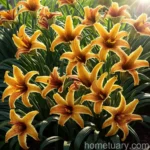
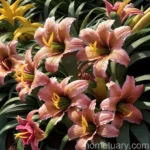
The Tetraploid Daylily, scientifically known as Hemerocallis ‘Aztec Priestess’, is a stunning and popular garden perennial known for its vibrant, trumpet-shaped flowers. As a tetraploid daylily, it possesses certain genetic characteristics that distinguish it from other daylily varieties. This cultivar is renowned for its exceptional beauty, making it a sought-after addition to gardens and landscapes.
Key Takeaways – Tetraploid Daylily (Hemerocallis ‘Aztec Priestess’)
The Hemerocallis ‘Aztec Priestess’ is a renowned tetraploid daylily cultivar known for its exceptional beauty and vibrant flowers. The hybrid nature of this daylily results in remarkable characteristics, with distinctive features that set it apart from other daylily varieties.
Culture
Uses
The Tetraploid Daylily (Hemerocallis ‘Aztec Priestess’) is primarily used as an ornamental plant, adding vibrant colors and visual appeal to gardens, landscapes, and floral arrangements. Its striking flowers make it a favorite among gardeners and horticultural enthusiasts.
Water
Maintaining adequate moisture levels is essential for the optimal growth and blooming of Hemerocallis ‘Aztec Priestess’. During the active growing season, regular watering is necessary, ensuring that the soil remains consistently moist but not waterlogged.
Sunlight
This daylily cultivar thrives in full sun to partial shade. Providing it with adequate sunlight is crucial for promoting healthy growth and abundant flowering. Placing it in a location with at least six hours of direct sunlight daily will ensure optimal performance.
Fertilizer
Applying a balanced, slow-release fertilizer specifically formulated for flowering plants can enhance the overall health and blooming of Hemerocallis ‘Aztec Priestess’. Fertilization should be carried out in early spring and midsummer to support its growth and flower production.
Soil
Well-draining soil with rich organic content is ideal for cultivating Hemerocallis ‘Aztec Priestess’. A slightly acidic to neutral pH level is preferred, providing the necessary nutrients for the plant to thrive.
Pruning
Regular deadheading of spent flowers and removal of old foliage can promote continuous blooming and maintain the plant’s visual appeal. Additionally, cutting back the stems to ground level after the flowering season can help rejuvenate the plant for the following year.
Propagation
Container Popularity
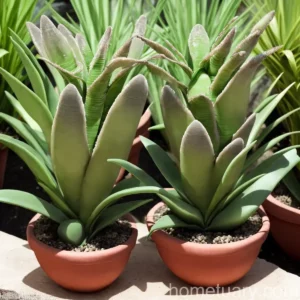
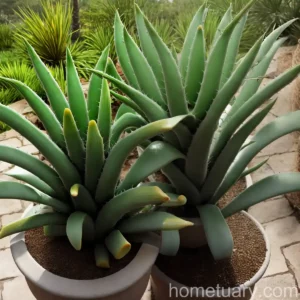
Growing Hemerocallis ‘Aztec Priestess’ in containers is a popular choice for gardeners with limited space or those looking to showcase its beauty on patios, balconies, or outdoor living areas. Containers provide the flexibility to move the plants as needed and can create stunning focal points in garden designs.
Common Diseases
While Hemerocallis ‘Aztec Priestess’ is relatively resilient, it may be susceptible to certain diseases and pests. Common diseases that may affect this daylily cultivar include:
– Leaf Spot: Characterized by brown or black spots on the leaves, this fungal disease can affect the plant’s overall vigor and aesthetics if not addressed promptly.
– Crown Rot: Excessive moisture and poor drainage can lead to crown rot, causing the plant to wilt and decline.
Disease Diagnosis
Diagnosing potential diseases is crucial for implementing appropriate treatment measures. Regular inspection of the plant for any signs of discoloration, wilting, or unusual spots can aid in early detection and intervention.
Common Pests
Hemerocallis ‘Aztec Priestess’ may be susceptible to attacks from common garden pests, including aphids, thrips, and spider mites. Monitoring the plant for any signs of pest infestation and implementing suitable pest control methods is essential for its preservation.
Botanist’s Tips
A few tips to ensure the optimal growth and blooming of Hemerocallis ‘Aztec Priestess’ include:
– Mulching: Applying a layer of organic mulch around the base of the plant can help conserve moisture, regulate soil temperature, and suppress weed growth.
– Division: Periodic division of mature clumps can rejuvenate the plant and promote increased flowering. Dividing the plant every three to four years can prevent overcrowding and enhance its overall health.
– Support: Providing adequate support, such as stakes or rings, can prevent the tall flower stems from bending or breaking in windy conditions.
Fun Facts
- The vibrant blooms of Hemerocallis ‘Aztec Priestess’ attract pollinators, such as butterflies and hummingbirds, adding to the garden’s biodiversity.
- Daylilies are edible, and their petals can be used to add color and a mild, sweet flavor to salads and other culinary creations.
Links to External Resources
For further information on growing and caring for Hemerocallis ‘Aztec Priestess’, refer to the following resources:
– The American Hemerocallis Society
– Royal Horticultural Society – Daylilies
– University of Illinois Extension – Daylilies
In conclusion, the Tetraploid Daylily (Hemerocallis ‘Aztec Priestess’) stands out as a captivating and versatile plant that adds a vibrant touch to any garden or landscape. Understanding its specific cultural requirements, potential diseases, and propagation techniques can enable gardeners to foster its growth and enjoy its remarkable beauty to the fullest.
By incorporating this stunning daylily cultivar into garden designs and container displays, horticultural enthusiasts can experience the allure of Hemerocallis ‘Aztec Priestess’ and appreciate its enduring charm throughout the growing season.