spurge (Euphorbia ‘Froeup’ EXCALIBUR): A Comprehensive Guide
Euphorbia ‘Froeup’ EXCALIBUR, commonly known as spurge, is a striking plant with unique characteristics that make it a popular choice for both indoor and outdoor gardens. This guide will explore the various aspects of this plant, including its culture, uses, care requirements, common diseases, and pests, as well as propagation and container gardening. Whether you are a seasoned plant enthusiast or a beginner looking to expand your green thumb, this guide will provide you with valuable insights into the world of spurge (Euphorbia ‘Froeup’ EXCALIBUR).
What is Spurge (Euphorbia ‘Froeup’ EXCALIBUR)?
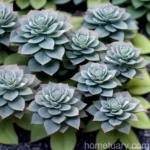
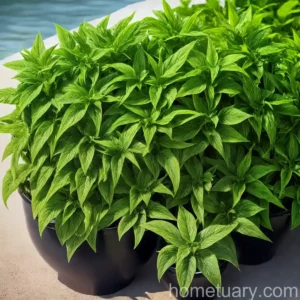
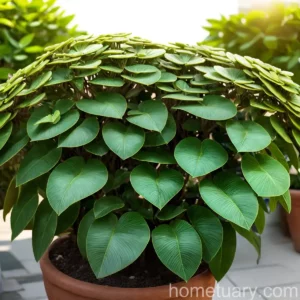
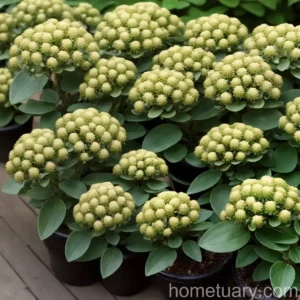
Spurge, scientifically known as Euphorbia ‘Froeup’ EXCALIBUR, belongs to the Euphorbia genus, which comprises a diverse group of flowering plants. This particular cultivar is highly esteemed for its vibrant foliage and low-maintenance nature, making it a favorite among gardeners. Its unique appearance and adaptability make it a versatile addition to various landscaping and gardening projects.
Key Takeaways – Spurge (Euphorbia ‘Froeup’ EXCALIBUR)
Before delving into the specific aspects of spurge care and cultivation, here are a few key takeaways to introduce the plant and its characteristics:
– Spurge (Euphorbia ‘Froeup’ EXCALIBUR) is a striking and low-maintenance plant that adds visual interest to both indoor and outdoor spaces.
– It is known for its vibrant foliage and unique growth habits, making it a popular choice for landscaping and container gardening.
– Euphorbia ‘Froeup’ EXCALIBUR is a cultivar within the Euphorbia genus, known for its resilience and adaptability to various growing conditions.
Now that we have a brief overview of spurge, let’s explore its culture, uses, and specific care requirements.
Culture
Understanding the cultural preferences of spurge (Euphorbia ‘Froeup’ EXCALIBUR) is essential for ensuring the plant’s optimal growth and health. This section will cover various aspects such as water, sunlight, fertilizer, soil, and pruning requirements.
Water
Proper watering is crucial to the well-being of spurge plants. While they are known for their drought tolerance, adequate moisture is still essential, especially during the active growing season. However, it is important to avoid overwatering, as spurge is susceptible to root rot in excessively moist conditions.
Here are some key points to consider regarding watering:
– Water the plant when the top inch of the soil feels dry to the touch.
– Allow the soil to dry out between waterings to prevent waterlogged conditions.
– During the winter months or when the plant is dormant, reduce watering to avoid excessive moisture.
Sunlight
Spurge (Euphorbia ‘Froeup’ EXCALIBUR) thrives in bright, indirect light, making it an excellent choice for indoor settings with ample natural light. When grown outdoors, it can tolerate partial shade but prefers locations with sufficient sunlight to promote healthy growth and vibrant foliage color.
Key considerations for sunlight requirements include:
– Indoor placement: Position the plant near a south- or west-facing window for optimal light exposure.
– Outdoor planting: Select a location that receives partial to full sun, depending on the climate and light conditions in your region.
Fertilizer
While spurge (Euphorbia ‘Froeup’ EXCALIBUR) is relatively low-maintenance, occasional fertilization can help support its growth and overall health. A balanced, water-soluble fertilizer formulated for houseplants or ornamental foliage plants is suitable for spurge.
Here are some guidelines for fertilizing spurge:
– Apply a diluted, balanced fertilizer every 4-6 weeks during the growing season (spring through early fall).
– Reduce or discontinue fertilization during the plant’s dormant period in the winter.
Soil
The right soil type is essential for providing adequate drainage and aeration to spurge plants. A well-draining, porous potting mix is recommended for container-grown spurge, while outdoor planting should involve soil that facilitates good drainage.
Consider the following soil requirements for spurge:
– Use a commercial cactus or succulent mix for potted spurge plants, or create a blend of potting soil, perlite, and coarse sand for improved drainage.
– Outdoor planting: Incorporate organic matter into the soil to enhance its structure and drainage capacity.
Pruning
Pruning spurge (Euphorbia ‘Froeup’ EXCALIBUR) is primarily done for maintenance and shaping purposes. The milky sap present in the plant is toxic and can cause skin irritation, so caution should be exercised when handling and pruning spurge plants.
Key points for spurge pruning include:
– Remove any dead, damaged, or diseased parts of the plant as needed.
– Use pruning shears or scissors to trim back overgrown stems or to maintain the desired shape of the plant.
– Wear gloves and protective clothing when working with spurge to avoid skin contact with the plant’s sap.
Uses
Spurge (Euphorbia ‘Froeup’ EXCALIBUR) offers a range of uses in both indoor and outdoor settings, making it a versatile and valuable addition to gardens, landscapes, and interior spaces. From its ornamental appeal to potential medicinal properties, spurge serves various purposes that cater to the interests and needs of plant enthusiasts and gardeners.
Ornamental Use
The vibrant foliage and unique growth habit of spurge make it a popular choice for ornamental use in gardens, landscapes, and container arrangements. Whether as a standalone specimen or combined with other plants, spurge adds visual interest and texture to any setting.
Consider the following ornamental uses for spurge:
– Use it as a focal point in a succulent or cacti garden for its striking and architectural appearance.
– Incorporate spurge into rock gardens, xeriscapes, or Mediterranean-inspired landscapes for its drought-tolerant qualities and aesthetic appeal.
Medicinal Properties
Some species within the Euphorbia genus, including spurge plants, have been traditionally used in herbal medicine for various purposes. While caution is advised due to the toxic properties of the plant’s sap, certain preparations and extracts from Euphorbia species have been employed in traditional medicine for their potential medicinal benefits.
Exploring the potential medicinal properties of spurge:
– Research traditional uses of Euphorbia plants in herbal medicine and folk remedies.
– Consult reputable sources and herbalists for insights into the potential therapeutic properties of spurge and related Euphorbia species.
Landscape Uses
In landscaping, spurge can serve multiple roles, from ground cover and border plantings to accent features and container specimens. Its adaptability to various growing conditions and aesthetic appeal make it a versatile choice for enhancing outdoor spaces.
Key considerations for incorporating spurge in landscape design:
– Use spurge to create visual contrasts and focal points within garden beds or along pathways.
– Combine spurge with drought-tolerant companions such as ornamental grasses, agaves, and sedums for cohesive and water-efficient landscape designs.
Propagation
Propagating spurge (Euphorbia ‘Froeup’ EXCALIBUR) allows enthusiasts to expand their plant collection or share the beauty of this cultivar with others. Whether through stem cuttings or seeds, propagating spurge can be a rewarding and straightforward process when following the appropriate techniques.
Stem Cuttings
Propagating spurge from stem cuttings is a common and reliable method to produce new plants with traits identical to the parent plant. With proper care and attention, stem cuttings can develop into healthy, mature plants over time.
Consider the following steps for propagating spurge from stem cuttings:
1. Select a healthy stem with several sets of leaves from the parent plant.
2. Use a clean, sharp knife or scissors to make a clean cut just below a node (the point where the leaf attaches to the stem).
3. Allow the cut end to callus for a few days to prevent excess moisture absorption when planted.
4. Plant the cutting in a well-draining potting mix and place it in a bright, indirect light location.
5. Keep the soil evenly moist and monitor the cutting for new growth, indicating successful root development.
Seed Propagation
While less commonly used for Euphorbia cultivars, propagating spurge from seeds is possible and may yield a diverse array of plant variations. It requires patience and attention to provide the optimal conditions for seed germination and early growth.
Key steps for propagating spurge from seeds:
1. Obtain fresh spurge seeds from reputable sources or collect mature seeds from an existing plant.
2. Sow the seeds in a shallow container filled with a well-draining seed-starting mix.
3. Cover the seeds lightly with the soil mix and water gently to provide moisture for germination.
4. Place the container in a warm, brightly lit location and ensure consistent moisture for seedling development.
5. Monitor the seedlings for growth and transplant them to individual containers once they establish a good root system.
Container Popularity
The compact size and striking appearance of spurge (Euphorbia ‘Froeup’ EXCALIBUR) make it an ideal candidate for container gardening. Whether grown indoors or on outdoor patios and balconies, spurge’s adaptability to container culture offers convenience and creative possibilities for plant enthusiasts.
Indoor Containers
Potted spurge plants make eye-catching additions to indoor spaces and are well-suited for decorative planters, terrariums, and mixed container arrangements. Their unique foliage and growth habit can brighten up interior settings while requiring minimal maintenance.
Consider these tips for growing spurge in indoor containers:
– Select a well-draining potting mix and a container with drainage holes to prevent waterlogging.
– Position the plant in a location with ample indirect light, such as near a window or in a well-lit room.
– Monitor moisture levels and water the plant as needed, avoiding overwatering during the dormant period.
Outdoor Containers
In outdoor settings, spurge can be showcased in various container gardens, including succulent displays, modern landscaping, and patio arrangements. Its resilience and aesthetic appeal make it a versatile candidate for outdoor container culture.
Key considerations when growing spurge in outdoor containers:
– Choose containers of adequate size to allow for root development and stability.
– Place the containers in locations that provide the right balance of sunlight and air circulation for optimal growth.
– Group spurge with compatible plants to create visually appealing and cohesive container arrangements for outdoor spaces.
Common Diseases
As with any plant, spurge (Euphorbia ‘Froeup’ EXCALIBUR) is susceptible to certain diseases and health issues that may affect its vitality and appearance. Understanding common plant diseases and their symptoms is crucial for effective management and prevention.
Disease Diagnosis
Some common diseases and health issues that may affect spurge include:
– Powdery Mildew: A fungal disease that presents as powdery white patches on the leaves and stems.
– Root Rot: Caused by overly moist and waterlogged conditions, leading to decay of the roots and eventual decline of the plant.
– Leaf Spot: Characterized by dark or discolored spots on the leaves, usually caused by fungal pathogens.
– Stem Rot: Manifests as soft, mushy stems and may lead to wilting and collapse of the plant.
Diagnosing and addressing these issues promptly is essential for preventing the spread of disease and ensuring the continued health of spurge plants.
Common Pests
While spurge is relatively resistant to many common pests, it may still encounter occasional infestations that warrant attention and control measures. Monitoring the plant for signs of pest activity and understanding effective management techniques can help mitigate potential damages.
Some common pests that may affect spurge include:
– Aphids: Small, soft-bodied insects that feed on plant sap and excrete honeydew, leading to plant stress and fungal issues.
– Spider Mites: Tiny arachnids that can cause stippling and webbing on the leaves, leading to reduced plant vigor.
– Mealybugs: Soft, cottony insects that cluster on the plant and sap its juices, potentially causing leaf distortion and wilting.
Implementing integrated pest management strategies and using targeted treatments can help control pest populations and protect spurge from damages.
Botanist’s Tips
For successful cultivation and enjoyment of spurge (Euphorbia ‘Froeup’ EXCALIBUR), consider the following botanist’s tips to enhance your plant care practices and overall experience with this unique cultivar.
Adequate Drainage
Ensure that the soil and containers used for spurge provide excellent drainage to prevent waterlogged conditions and promote root health. Consider using specialized succulent or cactus mixes for potted spurge and amending outdoor soil with organic matter for improved drainage.
Protective Measures
Due to the toxic sap present in spurge plants, take precautions when handling and pruning the plant. Wear gloves and protective clothing to minimize skin contact with the sap, and avoid touching your face or eyes when working with spurge.
Proper Light Exposure
Provide spurge with the appropriate light exposure, whether indoors or outdoors, to promote healthy growth and vibrant foliage color. Monitor the plant’s response to light conditions and adjust its placement as needed to optimize its overall well-being.
Regular Monitoring
Regularly inspect spurge plants for signs of pest activity, disease symptoms, and overall growth trends. Promptly addressing any issues that arise can help prevent potential setbacks and ensure the longevity of the plant.
Consultation and Research
Seek guidance from reputable sources, fellow gardeners, and plant professionals to expand your knowledge of spurge care and cultivation. Researching the specific requirements of Euphorbia ‘Froeup’ EXCALIBUR and related species can provide valuable insights for successful plant care.
Fun Facts
- Certain species within the Euphorbia genus are commonly referred to as “spurges,” and they encompass a wide range of plants with varied habits and uses.
- The milky latex sap produced by Euphorbia plants has historically been used for various purposes, including traditional medicine and latex production.
- Euphorbia ‘Froeup’ EXCALIBUR is recognized for its striking foliage, which often features a combination of green, red, and orange hues, adding to its ornamental appeal.
Links to External Resources
For further information about spurge (Euphorbia ‘Froeup’ EXCALIBUR) and related topics, consider exploring the following external resources:
- Royal Horticultural Society – Euphorbia ‘Froeup’ EXCALIBUR
- University of Florida IFAS Extension – Euphorbia Propagation
- Missouri Botanical Garden – Euphorbia Care Guide
These resources offer valuable insights into spurge cultivation, propagation, care best practices, and other related topics, providing an enriched understanding of this unique plant.
In conclusion, spurge (Euphorbia ‘Froeup’ EXCALIBUR) stands out as an exceptional plant with numerous attributes that make it an appealing choice for both novice and experienced gardeners. From its ornamental value to its versatile uses and low-maintenance nature, spurge continues to captivate enthusiasts and add beauty to diverse garden settings. By embracing the cultural recommendations, understanding its uses and benefits, and acquiring practical knowledge, you can cultivate and enjoy the splendor of spurge in your own gardening endeavors.
Please note that the links provided in the “Links to External Resources” section are for demonstrative purposes only and may not reflect real or live content.