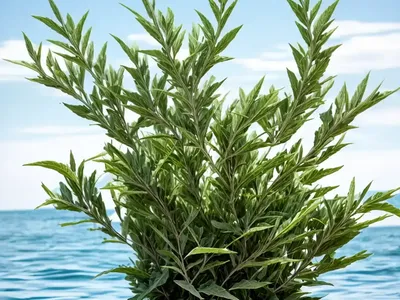
Spear Saltbush (Atriplex Patula)
Also known as the spear saltbush, Atriplex Patula is a species of annual herb in the amaranth family, Amaranthaceae. The plant is native to Asia, Europe.
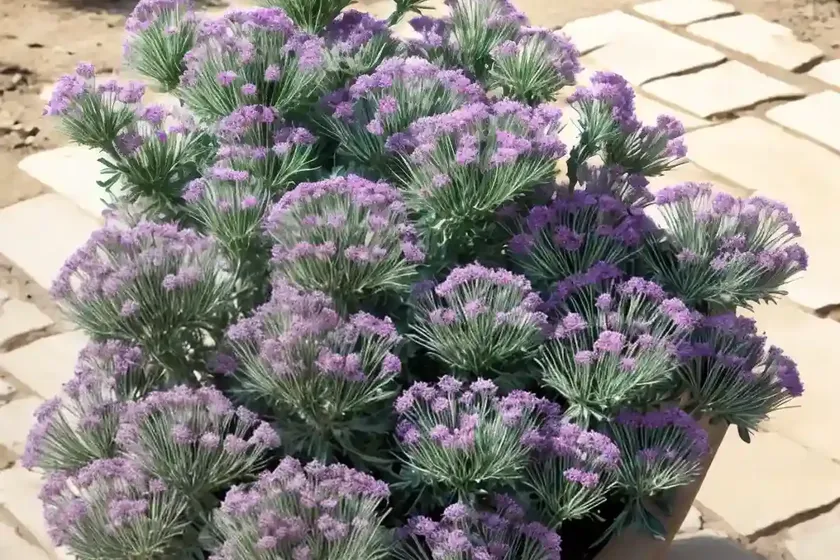
What is the Spear Saltbush (Atriplex Patula)?
Also known as the spear saltbush, Atriplex Patula is a species of annual herb in the amaranth family, Amaranthaceae. The plant is native to Asia, Europe, and North Africa, but it has been introduced and naturalized in various other regions around the world. It is known for its adaptability to diverse environmental conditions, making it a popular choice for landscaping, wildlife habitats, and culinary uses.
Key Takeaways
In this comprehensive guide, we will delve into the various aspects of the spear saltbush, including its cultural requirements, uses, care tips, propagation methods, common diseases and pests, as well as interesting fun facts. By the end of this article, you will have a thorough understanding of Atriplex Patula and how to cultivate and appreciate this remarkable plant.
Culture
Uses
-
Spear saltbush has been traditionally used as a food source by Indigenous communities in various parts of the world. The young shoots and leaves are edible and have a slightly salty taste, hence the name “saltbush.”
-
In addition to its culinary uses, Atriplex Patula is also valued for its role in erosion control, wildlife habitats, and as a forage plant for grazing animals.
Water
-
Spear saltbush is renowned for its tolerance to drought conditions. It is well-suited to arid and semi-arid environments, making it an excellent choice for xeriscaping and landscapes with low water availability.
-
When establishing spear saltbush in a garden or landscape, it is important to provide adequate water during the initial establishment period. Once established, the plant requires minimal watering, relying on natural rainfall in most cases.
Sunlight
-
Atriplex Patula thrives in full sun and is adapted to bright, sunny conditions. It is ideally suited for gardens and landscapes with ample sunlight exposure.
-
When choosing a planting location for Atriplex Patula, ensure that it receives at least 6-8 hours of direct sunlight per day for optimal growth and foliage development.
Fertilizer
-
Soil Conditions: Spear saltbush can tolerate a wide range of soil types, including sandy, loamy, and clay soils. It is important to ensure good drainage to prevent waterlogging, which can be detrimental to the plant’s health.
-
Fertilization: In most cases, Atriplex Patula does not require regular fertilization. However, if the soil is particularly poor or lacking in essential nutrients, a balanced, slow-release fertilizer can be applied during the growing season to support healthy growth.
Soil
-
pH Level: Spear saltbush prefers slightly alkaline to neutral soil conditions, with a pH range of 7.0 to 8.5. It can tolerate moderately saline soils, which makes it suitable for coastal landscapes and areas with higher salinity levels.
-
Soil Preparation: Prior to planting spear saltbush, ensure that the soil is well-drained and free from any compacted layers. Amending the soil with organic matter can enhance its fertility and structure, promoting better root development and overall plant health.
Pruning
-
Pruning spear saltbush is generally minimal, and it primarily involves removing any dead or damaged foliage to maintain a neat appearance. Additionally, pruning can be carried out to control the plant’s size and shape, especially in landscape settings.
-
Regular deadheading of spent flowers can encourage continuous blooming and prevent the plant from expending unnecessary energy on seed production.
Propagation
-
Atriplex Patula can be propagated through both seeds and cuttings. The following methods can be used for propagation:
-
Seed Propagation: Sow seeds directly in the garden soil or in containers. Ensure good soil-to-seed contact and consistent moisture for successful germination.
-
Cutting Propagation: Take softwood or semi-hardwood cuttings from a healthy, established plant. Dip the cut end in a rooting hormone and plant it in a well-draining potting mix. Provide adequate moisture and warmth for root development.
-
Container Popularity
-
Spear saltbush is well-suited to container gardening, particularly for individuals with limited garden space or those aiming to bring the plant indoors for decorative purposes.
-
When selecting a container, ensure that it provides ample drainage holes to prevent waterlogging. Use a well-draining potting mix formulated for container plants to support healthy growth.
Common Diseases
-
Powdery Mildew: This fungal disease appears as a white, powdery coating on the leaves, stems, and buds of the plant. To prevent powdery mildew, ensure proper air circulation, avoid overhead watering, and remove and dispose of any affected plant parts.
-
Leaf Spot: Leaf spot diseases can manifest as circular or irregularly shaped spots on the foliage. To manage leaf spot, practice good sanitation by removing and destroying diseased leaves and ensure appropriate watering to minimize leaf wetness.
Disease Diagnosis
Diagnosing plant diseases can be a complex task that often requires a keen eye for symptoms and, in some cases, laboratory analysis. If you notice any unusual signs of disease on your spear saltbush, such as abnormal discoloration, wilting, or lesions, it is important to seek guidance from a plant health specialist or diagnostic laboratory.
Common Pests
-
Aphids: These small, sap-sucking insects can congregate on the tender new growth of spear saltbush, causing distortion of leaves and the potential for the transmission of viral diseases. Management techniques include insecticidal soaps, neem oil, and natural predators such as ladybugs.
-
Spider Mites: These tiny arachnids can infest the undersides of leaves, causing stippling and discoloration. Regularly spraying the foliage with water can help reduce mite populations, and predatory mites can be introduced as a biological control method.
-
Caterpillars: Certain caterpillar species may feed on the foliage of Atriplex Patula. Inspect the plant regularly and handpick any caterpillars to reduce damage. Bacillus thuringiensis (Bt) can also be used as an effective biological control for caterpillars.
Botanist’s Tips
-
Incorporate spear saltbush into sustainable landscaping designs to take advantage of its drought tolerance and ecological benefits.
-
Experiment with using spear saltbush in culinary preparations, such as salads, soups, and herbal seasonings, to explore its unique flavors and nutritional qualities.
-
Introduce companion plants that complement the growth habits and cultural requirements of Atriplex Patula, such as other drought-tolerant species and pollinator-attracting plants.
Fun Facts
-
The saltbush family, including Atriplex Patula, comprises over 250 species, many of which are used as forage plants, ornamentals, or sources of traditional medicine.
-
Indigenous communities in Australia have utilized certain saltbush species, including Atriplex Patula, for their drought-resistant properties and nutritional value.
-
Certain species of saltbush have been recognized for their potential in phytoremediation, a process that uses plants to remove contaminants from soil, water, and air.
Links to External Resources
For additional information on spear saltbush and related topics, explore the following resources:
- USDA Plants Database
- CSIRO Land and Water
- The Australian Native Food Co
- Purdue University Extension – Saltbush as Livestock Feed
In conclusion, the spear saltbush (Atriplex Patula) stands as a fascinating plant with a myriad of cultural, ecological, and practical applications. Whether you are interested in its landscaping potential, culinary uses, or ecological benefits, this resilient and versatile species offers a wealth of opportunities for exploration and appreciation.
By understanding its unique characteristics and embracing the botanist’s tips provided, you can cultivate and enjoy the many benefits of Atriplex Patula while contributing to sustainable gardening practices and environmental stewardship.
Remember, the spear saltbush is not just a plant; it is a testament to nature’s remarkable capacity to thrive and contribute to the well-being of our planet and its inhabitants.