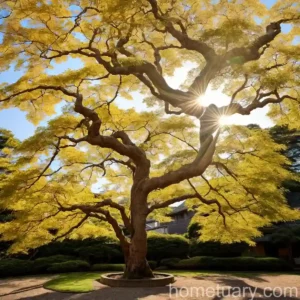
Snakebark Maple (Acer x conspicuum ‘Phoenix’)
The snakebark maple, scientifically known as Acer x conspicuum ‘Phoenix’, is a captivating ornamental tree that belongs to the Aceraceae family. This distinctive tree is appreciated for its stunning bark, colorful foliage, and overall graceful appearance. In this blog post, we’ll explore the characteristics, care requirements, common uses, and interesting facts about the snakebark maple.
What is a Plant: Snakebark Maple (Acer x conspicuum ‘Phoenix’)
The snakebark maple, also known as ‘Phoenix’, is a small deciduous tree with a multi-stemmed habit. It is recognized for the striking coloration and patterning of its bark, particularly during the winter months. This captivating feature, along with the tree’s lovely foliage, makes it a popular choice for landscapes and gardens.
Key Takeaways – Snakebark Maple (Acer x conspicuum ‘Phoenix’)
Before delving into specific aspects of the snakebark maple, let’s summarize some key takeaways about this unique plant:
- Scientific Name: Acer x conspicuum ‘Phoenix’
- Common Name: Snakebark Maple
- Family: Aceraceae
- Type: Deciduous tree
- Notable Features: Unique bark patterns, colorful foliage
- Uses: Ornamental tree for landscapes and gardens
Now that we’ve outlined the basic information about the snakebark maple, let’s explore its culture, uses, and care requirements in more detail.
Culture
The snakebark maple ‘Phoenix’ has specific cultural requirements that contribute to its overall health and vitality. Understanding its cultural needs is essential for successfully integrating this remarkable tree into a garden or landscape.
Water
Proper watering is crucial for the health and growth of the snakebark maple. While it is important to ensure that the tree receives an adequate amount of water, it is equally vital to avoid overwatering, as this can lead to root rot and other issues.
- The tree should be watered deeply and consistently, especially during dry spells.
- A layer of mulch around the base of the tree can help retain moisture and regulate soil temperature.
Sunlight
The snakebark maple ‘Phoenix’ thrives in a location that receives partial to full sunlight. It is essential to provide the tree with the appropriate amount of sunlight to support its growth and the development of vibrant foliage.
- Ideally, the tree should receive at least 4-6 hours of direct sunlight daily.
- Providing a well-ventilated and sunny spot will enhance the tree’s overall health and vigor.
Fertilizer
To promote healthy growth and vibrant foliage, regular fertilization is beneficial for the snakebark maple ‘Phoenix’. It is essential to choose an appropriate fertilizer and apply it at the right time to support the tree’s nutritional needs.
- A balanced and slow-release fertilizer can be applied in early spring before new growth begins.
- Following the manufacturer’s instructions for application rates and methods is crucial to avoid over-fertilization.
Soil
The snakebark maple ‘Phoenix’ thrives in well-drained soil with a slightly acidic to neutral pH. The quality of the soil directly impacts the tree’s overall health and ability to thrive in its environment.
- Amending the soil with organic matter can improve its structure and fertility.
- Ensuring proper drainage is essential to prevent waterlogging, which can lead to root rot.
Pruning
Pruning is an important aspect of maintaining the health and aesthetic appeal of the snakebark maple ‘Phoenix’. Proper pruning techniques can help shape the tree, remove dead or damaged branches, and promote robust growth.
- Pruning during the dormant season is ideal to minimize stress on the tree.
- Removing any crossing or overcrowded branches can improve the tree’s overall form and structure.
Propagation
The propagation of the snakebark maple ‘Phoenix’ can be achieved through various methods, including seeds and vegetative propagation techniques such as hardwood cuttings or air layering. Understanding the propagation process is essential for those interested in propagating this unique tree.
- Collecting seeds from mature fruits and following germination protocols can be successful in propagating new trees.
- Vegetative propagation methods may require specialized knowledge and techniques to achieve successful results.
Container Popularity
The compact size and ornamental appeal of the snakebark maple ‘Phoenix’ make it a popular choice for container cultivation. When grown in containers, this captivating tree can enhance patios, balconies, and other outdoor spaces with its unique features.
- Selecting a large and sturdy container is essential to accommodate the tree’s root system.
- Regular watering and adequate sunlight are crucial for container-grown snakebark maples.
Common Diseases
Understanding the potential diseases that may affect the snakebark maple ‘Phoenix’ is essential for proactive management and maintenance. Identifying symptoms and implementing appropriate measures can help preserve the tree’s health and vitality.
Disease Diagnosis
Several diseases can impact the snakebark maple, including powdery mildew, anthracnose, and leaf spot diseases. Regular inspection and proactive management can help mitigate the impact of these diseases on the tree.
- Understanding the characteristic symptoms of each disease can aid in accurate diagnosis and targeted treatment.
- Implementing cultural practices that promote overall tree health can reduce the susceptibility to diseases.
Common Pests
In addition to diseases, the snakebark maple ‘Phoenix’ may be susceptible to certain pests that can affect its growth and vigor. Recognizing common pests and implementing appropriate control measures is essential for maintaining the tree’s health.
- Aphids, scale insects, and caterpillars are among the pests that may affect the snakebark maple.
- Regular monitoring and prompt intervention can help manage pest infestations effectively.
Botanist’s Tips
As a plant scientist, I would like to share some valuable tips for cultivating and caring for the snakebark maple ‘Phoenix’. These tips are based on scientific knowledge and practical experience to support successful growth and long-term health of this unique tree.
- Seasonal Care: Pay attention to the tree’s specific seasonal requirements, including watering, fertilization, and protection from extreme weather conditions.
- Mulching: Applying a layer of organic mulch around the base of the tree can help conserve moisture, regulate soil temperature, and suppress weed growth.
- Integrated Pest Management: Implementing a holistic approach to pest management, including biological controls and cultural practices, can minimize the reliance on chemical interventions.
- Soil Health: Regular assessment of soil quality and fertility is essential to provide the snakebark maple with an optimal growing environment.
- Pruning Techniques: Utilize proper pruning techniques to maintain the tree’s structural integrity and promote healthy growth.
Fun Facts
To further appreciate the unique characteristics of the snakebark maple ‘Phoenix’, here are some fun and interesting facts about this remarkable tree:
- The distinctive bark of the snakebark maple ‘Phoenix’ provides year-round visual interest, especially during the winter months.
- This tree is known for its stunning autumn foliage, displaying a vibrant palette of colors, including shades of red, orange, and yellow.
- The snakebark maple ‘Phoenix’ is an excellent choice for small to medium-sized gardens, patios, and urban landscapes due to its compact size and ornamental appeal.
Now that we’ve explored the cultural requirements, uses, and interesting facts about the snakebark maple ‘Phoenix’, let’s take a look at some additional resources for further information and guidance.
Links to External Resources
For more in-depth information on the snakebark maple ‘Phoenix’ and related topics, consider exploring the following resources:
- Royal Horticultural Society – Acer x conspicuum ‘Phoenix’
- University of Florida IFAS Extension – Maple Diseases
- USDA Forest Service – Aceraceae Family
With contributions from plant scientists, horticulturists, and gardening enthusiasts, these resources offer valuable insights into the cultivation, care, and characteristics of the snakebark maple ‘Phoenix’.
In conclusion, the snakebark maple ‘Phoenix’ stands out as a captivating ornamental tree with its unique bark patterns, vibrant foliage, and overall elegance. By understanding its cultural needs, recognizing potential diseases and pests, and appreciating its distinct features, individuals can successfully integrate this remarkable tree into their outdoor spaces, adding beauty and interest to their landscapes and gardens.
Keywords: snakebark maple varieties, Acer x conspicuum ‘Phoenix’, Phoenix snakebark maple tree, Snakebark maple characteristics, Snakebark maple care, Snakebark maple facts, Snakebark maple foliage, Snakebark maple bark, Snakebark maple growth, Snakebark maple pruning, Snakebark maple diseases, Snakebark maple pests, Snakebark maple landscape, Snakebark maple garden, Snakebark maple leaves, Snakebark maple stems, Snakebark maple flowers, Snakebark maple autumn colors, Snakebark maple winter interest, Snakebark maple ornamental tree, Snakebark maple hardiness, Snakebark maple USDA zones, Snakebark maple planting tips, Snakebark maple soil requirements, Snakebark maple sun exposure, Snakebark maple water needs, Snakebark maple companion plants, Snakebark maple landscape design, Snakebark maple pruning techniques, Snakebark maple growth rate, Snakebark maple tree size, Snakebark maple tree maintenance, Snakebark maple tree transplanting, Snakebark maple tree lifespan, Snakebark maple tree diseases prevention, Snakebark maple tree pests control, Snakebark maple tree root system, Snakebark maple tree seasonal changes, Snakebark maple tree planting instructions, Snakebark maple tree sunlight requirements, Snakebark maple tree watering schedule, Snakebark maple tree landscape ideas, Snakebark maple tree fall colors, Snakebark maple tree winter care, Snakebark maple tree summer tips, Snakebark maple tree spring blooms, Snakebark maple tree unique features, Snakebark maple tree outdoor planting, Snakebark maple tree indoor cultivation, Snakebark maple tree scientific classification