Plant Scientist’s Guide to Slender Deutzia (Deutzia gracilis ‘Nikko’)
What is Slender Deutzia?
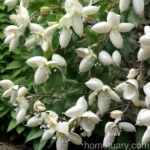
Slender Deutzia, scientifically known as Deutzia gracilis ‘Nikko’, is a compact and versatile deciduous shrub that belongs to the hydrangea family, Hydrangeaceae. This beautiful plant is native to Japan and China and is widely appreciated for its graceful, arching branches and delicate, star-shaped white flowers. It is a popular choice for landscaping due to its low maintenance and adaptability to various growing conditions.
Key Takeaways
Before delving into the details of Slender Deutzia, let’s take a quick look at the key takeaways regarding this distinctive plant:
- Plant Name: Deutzia gracilis ‘Nikko’
- Common Names: Slender Deutzia, Nikko Deutzia
- Species: Slender Deutzia Species
- Cultivar: Deutzia gracilis ‘Nikko’
- Characteristics: Compact variety with delicate white flowers
- Growing Conditions: Full sun to partial shade, well-draining soil
- Uses: Landscaping, borders, mixed plantings, containers
- Special Features: Low maintenance, wildlife-friendly
- Disease Resistance: Moderately resistant
- Pruning: Spring after flowering
- Propagation: Softwood cuttings, division
- Hardiness Zone: 5-8
- Natural Habitat: Japan and China
Now, let’s explore the various aspects of Slender Deutzia in detail to understand its culture, uses, and care requirements.
Culture
Understanding the cultural requirements of Slender Deutzia is crucial for its successful cultivation. From water and sunlight needs to soil preferences and pruning techniques, each aspect plays a significant role in the overall health and vigor of this plant.
Water
Slender Deutzia thrives in well-draining soil and prefers consistent moisture during its active growing season. However, it is essential to avoid waterlogged conditions as it can lead to root rot and other related issues. Once established, this shrub exhibits good drought tolerance, making it suitable for regions with sporadic rainfall.
Sunlight
When it comes to sunlight, Slender Deutzia prefers full sun to partial shade. Optimal sunlight exposure is essential for promoting abundant flowering and maintaining a compact growth habit. In regions with intense summer heat, providing some afternoon shade can help in preventing stress and sunscald.
Fertilizer
In terms of fertilizer requirements, Slender Deutzia benefits from a balanced, slow-release fertilizer applied in early spring. A general-purpose fertilizer with equal parts of nitrogen, phosphorus, and potassium can support healthy growth and prolific flowering. It is advisable to follow the instructions on the fertilizer package to avoid overfeeding, which can lead to excessive vegetative growth at the expense of flowers.
Soil
Slender Deutzia thrives in slightly acidic to neutral soil with good drainage. Amending the soil with organic matter such as compost or well-rotted manure can improve its structure and fertility. Additionally, maintaining a layer of mulch around the base of the plant helps in conserving soil moisture and regulating soil temperature, especially during extreme weather conditions.
Pruning
Pruning is an essential aspect of Slender Deutzia care, aiding in maintaining its compact shape and promoting abundant flowering. Proper timing and technique are crucial for achieving the desired results without compromising the plant’s health.
Pruning Tips
-
Timing: The best time to prune Slender Deutzia is right after the flowering period, typically in late spring to early summer. This allows the plant to set buds for the following year while ensuring that the current year’s flowers are not sacrificed.
-
Technique: When pruning, focus on removing the oldest and least productive stems, as well as any dead or damaged wood. Aim to maintain a balanced and open framework to facilitate air circulation and sunlight penetration throughout the plant.
Propagation
Propagating Slender Deutzia can be achieved through various methods such as softwood cuttings, division, or layering. Each technique offers unique advantages and can be chosen based on the available resources and the desired quantity of new plants.
Propagation Methods
-
Softwood Cuttings: Softwood cuttings taken from the current season’s growth, typically in early summer, have the potential to root quickly and develop into new plants.
-
Division: Dividing established clumps of Slender Deutzia can be an effective way to propagate the plant while also rejuvenating older specimens.
-
Layering: Air layering or ground layering can be utilized to encourage the development of roots on stems while they are still attached to the parent plant.
Container Popularity
Slender Deutzia is well-suited for container cultivation, offering an opportunity to appreciate its beauty and elegance in various outdoor and indoor settings. When grown in containers, it is essential to provide the plant with the appropriate care and maintenance to ensure its health and vitality.
Container Care Tips
-
Container Selection: Choose a container that provides ample space for the plant’s roots to spread and grow. Ensure that the container has drainage holes to prevent waterlogging.
-
Soil Mix: Utilize a well-draining, slightly acidic potting mix enriched with organic matter to support healthy growth and development.
-
Watering: Container-grown plants may require more frequent watering, especially during hot and dry periods. Monitor the soil moisture levels and water when the top inch of the soil feels dry to the touch.
-
Sunlight: Position the container in a location that receives adequate sunlight based on the plant’s preferences. In extremely hot conditions, providing partial shade during the hottest part of the day can be beneficial.
-
Fertilization: Fertilize the container-grown Slender Deutzia using a balanced, water-soluble fertilizer at half the recommended strength to avoid excessive nutrient buildup in the soil.
Common Diseases
Despite being relatively resistant to many diseases, Slender Deutzia may face certain issues under unfavorable growing conditions or due to specific environmental stressors. Recognizing the symptoms and understanding the preventive measures can help in maintaining the plant’s health and vitality.
Disease Diagnosis
-
Powdery Mildew: This fungal disease may appear as a powdery white or gray substance on the leaves, causing them to become distorted and discolored. Providing good air circulation and minimizing overhead watering can help in preventing powdery mildew.
-
Leaf Spot: Fungal pathogens can lead to the development of dark spots on the leaves, eventually causing them to yellow and drop prematurely. Removing and disposing of affected leaves and promoting good sanitation practices can reduce the risk of leaf spot.
-
Root Rot: Soggy or waterlogged soil can contribute to the development of root rot, causing the plant to exhibit wilting, yellowing, and stunted growth. Avoid overwatering and ensure proper drainage to prevent root rot.
Common Pests
While Slender Deutzia is generally resistant to most pests, it may occasionally encounter pest infestations that require prompt attention and management to prevent significant damage to the plant.
Some common pests that may affect Slender Deutzia include:
-
Aphids: These small, soft-bodied insects may congregate on the new growth and tender shoots, sucking plant sap and causing distortion and stunted growth. Using a strong blast of water or applying insecticidal soap can help in controlling aphid populations.
-
Scale Insects: Scale insects can attach themselves to the stems and leaf undersides, feeding on the plant’s sap and causing yellowing and weakening of the affected areas. Pruning and removing heavily infested stems, along with the application of horticultural oil, can aid in scale insect control.
Botanist’s Tips
Here are some additional tips and insights from a plant scientist’s perspective to enhance the understanding and appreciation of Slender Deutzia:
-
Companion Plants: Pair Slender Deutzia with other wildlife-friendly plants such as butterfly bush (Buddleja spp.), coneflowers (Echinacea spp.), and ornamental grasses to create a vibrant and diverse garden ecosystem.
-
Wildlife Benefits: The delicate flowers of Slender Deutzia attract various pollinators, including bees and butterflies, contributing to the overall biodiversity of the garden or landscape.
-
Seasonal Interest: Beyond its stunning spring blooms, Slender Deutzia offers a visually pleasing foliage display in the fall, transitioning to vibrant hues of red, orange, and yellow before shedding its leaves for the winter.
Fun Facts
To further enrich the understanding of Slender Deutzia, here are some fascinating and lesser-known facts about this remarkable plant:
-
Japanese Origin: Slender Deutzia hails from Japan and has been cherished for its ornamental value for centuries in Japanese gardens and landscapes.
-
Deutzia Genus: The genus Deutzia is named in honor of Johan van der Deutz, a Dutch patron of botany and horticulture, reflecting the plant’s historical significance.
-
Cultural Significance: In Japanese folklore and traditions, Slender Deutzia holds symbolic meanings associated with elegance, purity, and tranquillity, making it a revered plant in various cultural contexts.
Links to External Resources
For further exploration and in-depth understanding of Slender Deutzia and related topics, the following external resources are recommended:
- Missouri Botanical Garden – Deutzia gracilis ‘Nikko’
- Royal Horticultural Society – Growing Guide: Deutzia
- University of Florida IFAS Extension – Deutzia spp.
- North Carolina State University Extension – Deutzia
In conclusion, Slender Deutzia (Deutzia gracilis ‘Nikko’) stands as a captivating and adaptable plant that deserves a prominent place in diverse landscapes and gardens. Its charming flowers, elegant form, and low-maintenance nature make it an appealing choice for both amateur gardeners and experienced horticulturists. By understanding its cultural requirements, uses, and unique attributes, individuals can cultivate and appreciate this beautiful shrub to its fullest potential.