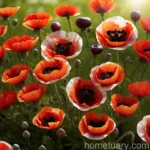
What is “Papaver nudicaule Spring Fever Series” (Iceland Poppy)?
Papaver nudicaule, commonly known as the Iceland Poppy, is a stunning flowering plant that belongs to the Papaveraceae family. It is native to the subpolar regions of Europe, North America, and Asia and is famous for its delicate, papery blooms in various colors, including shades of yellow, orange, pink, and white. The Spring Fever Series of Papaver nudicaule comprises a range of vibrant and robust varieties that have been bred to thrive in different growing conditions and to provide a burst of color to gardens, landscapes, and containers during the spring season.
Key Takeaways – Papaver nudicaule Spring Fever Series (Iceland Poppy)
Before delving into the specifics of the Papaver nudicaule Spring Fever Series, let’s take a look at the key takeaways that will be covered in this comprehensive guide:
- Culture: Understanding the ideal growing conditions and cultural requirements for cultivating Papaver nudicaule Spring Fever Series.
- Uses: Exploring the various uses of Iceland Poppies, including their ornamental and aesthetic value in gardens and floral arrangements.
- Water: Discussing the watering needs and irrigation practices for maintaining healthy and thriving Papaver nudicaule plants.
- Sunlight: Analyzing the sunlight requirements and best practices for positioning Papaver nudicaule in the garden or landscape.
- Fertilizer: Explaining the fertilization regimen that supports the vigorous growth and abundant flowering of Papaver nudicaule Spring Fever Series.
- Soil: Understanding the soil preferences and preparation techniques for creating an optimal growing environment for Iceland Poppies.
- Pruning: Highlighting the significance of pruning and deadheading for promoting continuous blooming and tidy growth in Papaver nudicaule.
- Propagation: Exploring the methods of propagating Iceland Poppies, including seed sowing and division.
- Container Popularity: Evaluating the suitability of growing Papaver nudicaule Spring Fever Series in containers and understanding the considerations for successful container gardening.
- Common Diseases: Identifying the common diseases that can affect Papaver nudicaule and the preventive measures to safeguard the plants.
- Common Pests: Recognizing the potential pests that may target Iceland Poppies and implementing pest control strategies.
- Botanist’s Tips: Gaining insights and expert tips from a botanist for effectively nurturing Papaver nudicaule Spring Fever Series.
- Fun Facts: Uncovering interesting and lesser-known facts about the captivating Papaver nudicaule.
- Links to External Resources: Providing access to additional information, resources, and sources for further exploration of Papaver nudicaule Spring Fever Series.
Now, let’s dive deeper into each of these elements to gain a comprehensive understanding of the cultivation, care, and appreciation of Papaver nudicaule Spring Fever Series (Iceland Poppy).
Culture
Understanding the cultural requirements of Papaver nudicaule Spring Fever Series is essential for successful cultivation. By providing the ideal growing conditions, you can ensure that these vibrant and charming flowers flourish, creating a captivating display in your garden or landscape.
Uses
Ornamental Value
The Iceland Poppy, particularly the Spring Fever Series, is cherished for its ornamental value. These eye-catching blooms can add a pop of color and a touch of whimsy to any garden or landscape. Whether planted in mass groupings, mixed borders, or containers, Papaver nudicaule Spring Fever varieties enhance the visual appeal of outdoor spaces, especially during the spring season. Additionally, their airy, delicate appearance makes them popular choices for cut flower arrangements, bringing a touch of elegance and cheerfulness to indoor spaces.
Aesthetic Appeal
The Spring Fever Series of Papaver nudicaule is valued for its aesthetic appeal, offering a diverse array of colors, including shades of yellow, orange, pink, and white. The delicate and papery texture of the blooms adds a unique texture to floral compositions and garden landscapes, creating a charming and enchanting atmosphere.
Water
Establishing an appropriate watering regimen is crucial for the health and vitality of Papaver nudicaule Spring Fever Series. While these plants appreciate consistent moisture, they are susceptible to root rot if subjected to waterlogged soil. Here are some key considerations for watering Iceland Poppies:
- Moisture Requirements: Papaver nudicaule Spring Fever varieties thrive in well-drained soil that is consistently moist but not waterlogged. Adequate moisture is particularly important during the initial stages of growth and flowering.
- Irrigation Practices: It is advisable to water the plants deeply, ensuring that the moisture reaches the root zone. Drip irrigation or soaker hoses can be beneficial in providing gradual and targeted hydration, reducing the risk of water-related issues.
Sunlight
Proper sunlight exposure is pivotal in promoting robust growth and prolific flowering in Papaver nudicaule Spring Fever Series. Inadequate sunlight can lead to leggy growth and diminished blooming. Conversely, excessive sun exposure may cause heat stress and sunburn on the delicate petals. Consider the following sunlight guidelines for cultivating Iceland Poppies:
- Full Sun: Papaver nudicaule Spring Fever varieties thrive in full sun to partial shade, preferring at least 6 hours of direct sunlight. In regions with intense summer heat, providing some afternoon shade can help protect the plants from excessive sun exposure.
Fertilizer
Fertilization plays a significant role in supporting the vigorous growth and abundant flowering of Papaver nudicaule Spring Fever Series. A balanced and appropriate feeding regimen ensures that these captivating flowers receive the essential nutrients for their development. Consider the following fertilization practices for Iceland Poppies:
- Slow-Release Fertilizer: Applying a slow-release fertilizer formulated for flowering plants in early spring can provide the necessary nutrients for healthy growth and blooming. Select a fertilizer with a balanced NPK ratio, such as 10-10-10 or 20-20-20, to support overall plant development.
- Top-Dressing: Incorporating a layer of compost or well-rotted manure around the base of the plants in early spring can enrich the soil and supply additional nutrients gradually as it decomposes.
Soil
Creating a suitable growing medium is essential for the optimal development and performance of Papaver nudicaule Spring Fever Series. The right soil composition provides the necessary structural support, moisture retention, and nutrient availability for these vibrant blooms. Here are some soil considerations for cultivating Iceland Poppies:
- Well-Drained Soil: Iceland Poppies thrive in well-drained, fertile soil with a loamy or sandy texture. Amending heavy clay soils with organic matter, such as compost or peat moss, can improve drainage and aeration, creating an ideal environment for Papaver nudicaule.
- pH Level: The preferred soil pH for Papaver nudicaule Spring Fever Series ranges from slightly acidic to neutral (pH 6.0-7.0). Conducting a soil pH test can help in determining the need for amendments to achieve the optimal pH range for these plants.
Pruning
Pruning and deadheading are important practices for maintaining the tidy appearance of Papaver nudicaule Spring Fever Series and encouraging continuous flowering. Regular removal of spent blooms and occasional selective pruning can contribute to a neat and vibrant display of blooming Iceland Poppies. Consider the following pruning and deadheading tips:
- Deadheading: Removing faded flowers promptly can stimulate the production of new buds and extend the blooming period of Papaver nudicaule Spring Fever varieties. Use clean and sharp pruners to snip off the spent blooms just above a healthy leaf or bud.
- Selective Pruning: If the plants develop overcrowded or tangled growth, selective pruning can help in improving air circulation within the foliage, reducing the risk of disease and promoting a more open and balanced growth habit.
Propagation
Propagating Papaver nudicaule Spring Fever Series allows gardeners to expand their collection of these captivating blooms and create additional displays of color in different areas of the garden. Whether through seed sowing or division, successful propagation techniques can yield new plants that possess the distinct characteristics of the Spring Fever varieties. Consider the following methods of propagation for Iceland Poppies:
- Seed Sowing: Collecting and sowing the seeds of Papaver nudicaule Spring Fever varieties in early spring or late summer can lead to the establishment of new plants. The seeds should be sown on the soil surface and lightly covered, as they require exposure to light for germination.
- Division: Dividing established clumps of Papaver nudicaule Spring Fever Series in early spring or autumn can be an effective method of propagation. Carefully segmenting the root mass into sections with viable roots and shoots enables the creation of new individual plants.
Container Popularity
The compact size and vibrant blooms of Papaver nudicaule Spring Fever varieties make them popular choices for container gardening. These charming flowers can enliven outdoor spaces, patios, or balconies, and they are well-suited for creating eye-catching arrangements in pots and planters. Consider the following factors for growing Iceland Poppies in containers:
- Container Selection: Choose well-draining containers with adequate depth for accommodating the root system of Papaver nudicaule Spring Fever. Ensure that the containers have drainage holes to prevent waterlogged soil.
- Potting Mix: Utilize a high-quality, well-draining potting mix that provides both moisture retention and aeration for the roots. Adding perlite or coarse sand to the mix can enhance drainage and prevent soil compaction.
- Positioning: Place the containers in locations with ample sunlight, ensuring that the Papaver nudicaule Spring Fever Series receives the necessary light for healthy growth and flowering.
Popularity
The Papaver nudicaule Spring Fever Series, encompassing a diverse range of captivating colors and robust varieties, has garnered popularity among gardeners, floral enthusiasts, and landscape designers. Its vibrant and charming blooms, paired with its adaptability to different cultivation methods and growing conditions, have positioned it as a favored choice for creating stunning displays of color and elegance in outdoor spaces.
Common Diseases
Papaver nudicaule Spring Fever Series, despite its resilience, can be susceptible to certain diseases that may impact its growth and blooming performance. Identifying and understanding these common diseases is key to implementing timely preventive measures and maintaining the health of the plants. Here are some frequently encountered diseases of Iceland Poppies:
- Powdery Mildew: Powdery mildew, a fungal disease, can affect Papaver nudicaule Spring Fever, manifesting as a powdery white growth on the foliage and stems. It thrives in conditions of high humidity and inadequate air circulation. To prevent powdery mildew, ensure proper spacing between plants, promote good air movement, and avoid overhead watering.
- Botrytis Blight: Botrytis cinerea, also known as gray mold or botrytis blight, can cause browning, wilting, and decay of the flowers and foliage of Papaver nudicaule. This fungal disease thrives in damp and cool conditions and may proliferate under overcrowded plantings. Improving air circulation and promptly removing infected plant parts can help in preventing the spread of botrytis blight.
Disease Diagnosis
Diagnosing diseases affecting Papaver nudicaule Spring Fever Series involves closely observing the plants for symptoms and signs of distress. Early detection and accurate diagnosis are crucial for implementing targeted management strategies. Here are some diagnostic considerations for common diseases of Iceland Poppies:
- Visual Examination: Regularly inspect the foliage, stems, and blooms of Papaver nudicaule Spring Fever for any abnormalities, discoloration, or atypical growth patterns. Look for signs of fungal growth, wilting, yellowing, or browning.
- Symptom Analysis: Identify the specific symptoms exhibited by the plants, such as powdery white patches on the leaves (indicative of powdery mildew) or the presence of gray, fuzzy mold on the flowers and stems (suggestive of botrytis blight).
Upon confirming the presence of a disease, it is essential to take appropriate measures to mitigate its impact and prevent its spread to healthy plants.
Common Pests
Papaver nudicaule Spring Fever Series may encounter various pests that can compromise the health and appearance of the plants. Understanding the common pests that target Iceland Poppies enables proactive pest management and preservation of plant vitality. Here are some prevalent pests of Papaver nudicaule:
- Aphids: Aphids are small, sap-sucking insects that can infest the foliage and stems of Papaver nudicaule Spring Fever, causing distortion of new growth and the development of sticky honeydew. Regularly monitor the plants for aphid colonies and use insecticidal soap or neem oil to control infestations.
- Slugs and Snails: These mollusks can feed on the tender foliage and flowers of Papaver nudicaule Spring Fever, leaving behind ragged edges and irregular holes. Employing physical barriers, such as copper tape or diatomaceous earth, can help in deterring slugs and snails from reaching the plants.
Botanist’s Tips
Gaining insights and expert tips from a botanist can enrich the cultivation experience and contribute to the success of growing Papaver nudicaule Spring Fever Series. Here are some valuable tips from a botanist for effectively nurturing Iceland Poppies:
- Soil Preparation: Prior to planting, ensure that the soil is well-prepared and amended with organic matter to create a fertile and well-drained growing medium for Papaver nudicaule Spring Fever varieties.
- Watering Strategy: Implement a consistent watering regimen, checking the soil moisture regularly and adjusting the watering frequency based on the environmental conditions and the plant’s water needs.
- Deadheading Technique: Engage in regular deadheading of spent blooms to encourage continuous flowering and maintain the aesthetic appeal of Papaver nudicaule Spring Fever.
- Sunlight Management: Consciously observe the sunlight patterns in the garden and position the Iceland Poppies in locations that receive the optimal balance of sunlight and shade, especially in warmer climates.
Fun Facts
While delving into the captivating world of Papaver nudicaule Spring Fever Series, it’s intriguing to uncover some fun and lesser-known facts about these enchanting flowers:
- Arctic Origins: The species name “nudicaule” is derived from Latin, translating to “bare stem.” This refers to the slender and delicate stems of Papaver nudicaule that bear the striking blossoms.
- Symbolic Significance: Iceland Poppies are often associated with consolation, remembrance, and extravagance, making them meaningful additions to floral tributes and arrangements for various occasions.
- Biennial Growth Habit: While Papaver nudicaule is often cultivated as an annual, it is classified as a short-lived perennial or biennial in its natural habitat, exhibiting a two-year growth cycle.
Links to External Resources
Plant Name: Papaver nudicaule Spring Fever Series (Iceland Poppy)
When seeking additional information on the cultivation, care, and appreciation of Papaver nudicaule Spring Fever Series, the following external resources can serve as valuable references and sources of inspiration:
- Royal Horticultural Society – Papaver nudicaule
- University of Wisconsin-Madison Extension – Iceland Poppies
- Gardeners’ World – Iceland Poppies: Planting and Growing Guide
- American Meadows – Papaver nudicaule Spring Fever Iceland Poppy
- Missouri Botanical Garden – Papaver nudicaule ‘Spring Fever’ Series
- Fine Gardening – Papaver nudicaule: Iceland Poppy
These reputable sources provide in-depth insights, practical advice, and stunning visuals that will enrich the understanding and cultivation of Papaver nudicaule Spring Fever Series, ensuring a delightful and rewarding gardening experience.
In conclusion, the Papaver nudicaule Spring Fever Series stands as a captivating and versatile addition to gardens, landscapes, and floral displays, offering a burst of colors and an enchanting ambiance. By embracing the cultural guidelines, appreciating its ornamental value, and safeguarding its health, the beauty and allure of Iceland Poppies can be cherished and celebrated, enhancing outdoor spaces and captivating the eyes and hearts of all who encounter them.
With a blend of artistry and science, the cultivation and care of Papaver nudicaule Spring Fever Series reflect the harmonious interplay between human creativity and the inherent beauty of nature, culminating in a visual symphony of color, texture, and elegance that defines the spring season.