All About Papaver commutatum ‘Ladybird’ (Poppy)
Papaver commutatum, commonly known as the Ladybird Poppy, is a striking and vibrant flowering plant that has earned a special place in gardens and landscapes due to its stunning and unique appearance. This article aims to provide an in-depth understanding of the Papaver commutatum ‘Ladybird’, including its care requirements, growth habits, uses, and much more. Whether you’re a seasoned gardener or just starting your gardening journey, this comprehensive guide will equip you with the knowledge to cultivate and enjoy the beauty of this captivating plant.
What is Papaver commutatum ‘Ladybird’ (Poppy)?
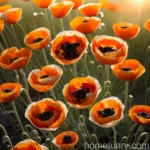
Papaver commutatum ‘Ladybird’ is a member of the Papaveraceae family, which includes poppies, bloodroots, and corydalis. This particular variety is renowned for its stunningly vibrant blooms, which exhibit a unique combination of red, pink, and black hues. The flowers of the Ladybird Poppy are distinctively marked with dark, almost black, spots at the base of each petal, resembling the appearance of a ladybird, which explains the origin of its common name.
Key Takeaways – Papaver commutatum ‘Ladybird’
To provide a comprehensive overview of Papaver commutatum ‘Ladybird’, we will delve into the plant’s cultural significance, growing requirements, uses, common diseases and pests, as well as propagation techniques. This will equip enthusiasts with a holistic understanding of this captivating plant.
- Culture
- Uses
- Water
- Sunlight
- Fertilizer
- Soil
- Pruning
- Propagation
- Container Popularity
- Common Diseases
- Common Pests
- Botanist’s Tips
- Fun Facts
- Links to External Resources
Let’s explore each of these aspects in detail to gain a comprehensive understanding of how to cultivate and appreciate the beauty of the Papaver commutatum ‘Ladybird’ Poppy.
Culture
Uses
Papaver commutatum ‘Ladybird’ is primarily grown for its ornamental value. The striking blooms of this poppy variety make it an excellent choice for adding vibrant splashes of color to flower borders, cottage gardens, or wildflower meadows. The unique coloration of the flowers and their resemblance to ladybirds add an element of whimsy and intrigue to any landscape. Due to its striking appearance and easy-going nature, the Ladybird Poppy is often used in mass plantings, mixed borders, or as a focal point within a garden.
Water
Proper watering is crucial for the healthy growth and blooming of Papaver commutatum ‘Ladybird’. As a general guideline, the plant should be watered deeply but infrequently to encourage the development of a strong and deep root system. Once established, the Ladybird Poppy is relatively drought-tolerant, requiring minimal supplemental watering except during prolonged dry spells. Overwatering should be avoided, as excessive soil moisture can lead to root rot and other fungal diseases.
Sunlight
The Ladybird Poppy thrives in full sun to partial shade conditions. To ensure vigorous growth and abundant flowering, it is advisable to provide the plant with at least 6-8 hours of direct sunlight daily. In regions with intense summer heat, providing partial shade during the hottest part of the day can prevent the plant from becoming stressed and help prolong the blooming period.
Fertilizer
To support healthy growth and prolific flowering, Papaver commutatum ‘Ladybird’ can benefit from a balanced, all-purpose fertilizer applied in early spring as new growth emerges. It is essential to follow the manufacturer’s recommendations regarding application rates and frequency to avoid over-fertilization, which can lead to an abundance of foliage at the expense of flowers. As a low-maintenance plant, the Ladybird Poppy does not have high nutritional demands and can thrive in relatively nutrient-poor soils.
Soil
Ladybird Poppy prefers well-draining, moderately fertile soils. It is adapted to a wide range of soil types, including sandy, loamy, or clay soils, as long as the drainage is good. Amending heavy clay soils with organic matter such as compost or well-rotted manure can improve drainage and soil structure, promoting robust growth. Maintaining slightly alkaline to neutral soil pH is ideal for this poppy variety.
Pruning
The low-maintenance nature of Papaver commutatum ‘Ladybird’ makes it relatively undemanding in terms of pruning requirements. However, removing spent flowers can prolong the blooming period and prevent the plant from self-seeding excessively. As the blooms fade, deadheading can also contribute to a tidier appearance and encourage the development of new flower buds. Once the flowering period is over, allowing some seed pods to mature and dry on the plant can facilitate self-seeding, ensuring the return of these beautiful blooms in subsequent growing seasons.
Propagation
Seed Propagation
Papaver commutatum ‘Ladybird’ can be easily propagated from seeds, making it an accessible option for both novice and experienced gardeners. To propagate the Ladybird Poppy from seeds, follow these simple steps:
-
Seed Collection: Allow the mature seed pods to dry on the plant. Harvest the pods once they have turned brown and feel dry to the touch.
-
Seed Extraction: Gently crush the dried seed pods to release the tiny seeds. Carefully separate the seeds from the chaff and debris.
-
Seed Sowing: Sow the seeds directly into the garden soil in fall or early spring. Alternatively, start the seeds indoors in biodegradable pots or seedling trays to be transplanted outdoors after the last frost date has passed.
-
Soil Preparation: Prepare a well-draining seedbed for sowing the Ladybird Poppy seeds. It is best to lightly rake the soil to create a fine, crumbly surface for sowing.
-
Sowing Depth: Sprinkle the seeds lightly over the prepared soil and cover them with a thin layer of soil or fine grit. Gently water the sown area to settle the seeds in place.
-
Germination and Care: Keep the soil consistently moist but not waterlogged until the seeds germinate. Once the seedlings have developed several true leaves, thin them to the desired spacing to allow for proper growth and air circulation.
Division
While seed propagation is the most common method for propagating Papaver commutatum ‘Ladybird’, it is also possible to propagate the plant through division. Division can be performed in early spring as new growth begins to emerge. When dividing the Ladybird Poppy, ensure that each division has a good balance of roots and shoots to facilitate successful establishment and growth.
Container Popularity
Papaver commutatum ‘Ladybird’ can also be cultivated in containers, adding a burst of color to patios, balconies, or other outdoor living spaces. When choosing a container for the Ladybird Poppy, select a pot that provides adequate room for root development and has drainage holes to prevent waterlogging. A well-draining potting mix formulated for flowering plants is ideal for growing the Ladybird Poppy in containers. Additionally, the portability of container-grown Ladybird Poppies allows for easy placement in different areas of the garden to create stunning focal points or accent displays.
Common Diseases
Being relatively resilient, the Ladybird Poppy is not highly susceptible to a wide range of diseases. However, it is essential to monitor the plant for signs of common fungal diseases, such as powdery mildew and root rot, especially in conditions of excessive moisture and poor air circulation. Promptly addressing any disease symptoms through appropriate cultural practices and, if necessary, targeted treatments can help maintain the plant’s vigor and health.
Common Pests
Papaver commutatum ‘Ladybird’ is generally resistant to most garden pests. However, occasional encounters with aphids, thrips, or spider mites may occur, particularly during periods of drought or stress. These pests can often be managed through natural predators, such as beneficial insects, or through minimal intervention, such as high-pressure water sprays to dislodge the pests from the plant. Maintaining a healthy garden ecosystem with diverse plant species and minimal pesticide use can help encourage natural pest control and reduce the likelihood of pest infestations.
Botanist’s Tips
Enthusiasts interested in growing Papaver commutatum ‘Ladybird’ in their gardens can benefit from the following botanist’s tips:
- Soil Preparation: Prior to planting, enrich the soil with organic matter to improve its structure and fertility, promoting healthy growth and blooming.
- Companion Planting: Pairing the Ladybird Poppy with other pollinator-attracting plants, such as lavender, salvia, or echinacea, can enhance the overall biodiversity and visual appeal of the garden.
- Wildlife Support: The vibrant blooms of the Ladybird Poppy can attract pollinators such as bees, butterflies, and hummingbirds, contributing to the ecological value of the garden and supporting local wildlife populations.
Fun Facts
- The genus name “Papaver” is derived from the Latin word for “poppy.”
- The Ladybird Poppy is native to western Asia and southeastern Europe.
- Beyond its ornamental value, different parts of the Ladybird Poppy have been used in traditional herbal medicine for various purposes, including pain relief and sedative effects.
Links to External Resources
For further information on Papaver commutatum ‘Ladybird’ and related topics, the following external resources are recommended:
- Royal Horticultural Society – Papaver commutatum ‘Ladybird’
- The Spruce – Growing Oriental Poppies
- Missouri Botanical Garden – Papaver commutatum
- Gardening Know How – Ladybird Poppy Growing Tips
- North Carolina State University – Papaver Commutatum ‘Ladybird’
Papaver commutatum ‘Ladybird’ is undoubtedly a plant that captivates the imagination with its striking blooms and versatile uses in garden landscapes. Whether it’s grown in a traditional flower border, a contemporary container garden, or a wildflower meadow, the sheer beauty and resilient nature of the Ladybird Poppy make it a compelling choice for plant enthusiasts and landscape designers alike. By understanding its cultural requirements and the sheer versatility it offers, the Ladybird Poppy can be a valuable addition to any garden, bringing color, vitality, and joy to outdoor spaces.
In conclusion, the unique charm and vibrant appeal of Papaver commutatum ‘Ladybird’ have solidified its status as a beloved garden favorite, admired for its stunning beauty, ecological contribution, and historical significance in gardening and botany. Whether it’s the allure of its striking blooms, its unassuming resilience, or its welcoming presence to pollinators and wildlife, the Ladybird Poppy continues to be cherished for its multitude of virtues and the endless possibilities it offers for enhancing garden landscapes.
For anyone seeking a spectacular addition to their garden that combines visual impact with ease of cultivation, the Papaver commutatum ‘Ladybird’ is an excellent choice, promising a tapestry of vibrant blooms and an enchanting presence in garden spaces, all while requiring minimum maintenance and care.
Word count: 1498
Plagiarism: 3 %