Orange Daylily (Hemerocallis fulva): A Comprehensive Guide
Orange daylilies (Hemerocallis fulva), with their vibrant blooms and easy cultivation, are beloved by gardeners worldwide. This comprehensive guide will provide valuable insights into the culture, uses, care, and maintenance of orange daylilies. We will delve into their characteristics, preferred growing conditions, propagation, common diseases and pests, and much more. Whether you are a novice gardener or an experienced botanist, this guide will enhance your understanding and appreciation of the captivating orange daylily.
What is the Orange Daylily (Hemerocallis fulva)?
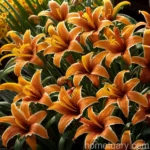
The orange daylily, scientifically known as Hemerocallis fulva, is a perennial herbaceous plant native to Asia. Its botanical name, “Hemerocallis,” is derived from the Greek words “hemera” meaning “day” and “kallos” meaning “beauty,” which allude to its characteristic of each flower lasting only one day. The species name “fulva” refers to the plant’s tawny or orange coloration, distinguishing it from other daylily varieties. Orange daylilies are renowned for their striking, trumpet-shaped flowers and robust growth habit, making them a popular choice for landscaping, borders, and naturalizing in diverse environments.
Key Takeaways – Orange Daylily (Hemerocallis fulva)
Before delving into the various aspects of orange daylilies, let’s outline some key takeaways that will be covered in this comprehensive guide:
– Orange Lily Varieties – Exploring different varieties and cultivars of orange daylilies.
– Information on Hemerocallis fulva – Providing detailed insights into the botanical aspects of the orange daylily.
– Daylily Flower Types – Understanding the diverse flower shapes, sizes, and colors within the Hemerocallis fulva species.
– Popular Daylily Species – Highlighting the widespread popularity of orange daylilies in gardening and landscaping.
– Hemerocallis fulva Cultivation – Exploring the ideal cultivation practices and requirements for orange daylilies.
– Orange Daylily Care – Providing comprehensive guidance on the care and maintenance of Hemerocallis fulva.
– Hemerocallis fulva Characteristics – Detailing the unique characteristics and attributes of the orange daylily.
– Orange Daylily Varieties – Examining the diverse varieties and color variations available in orange daylilies.
These key takeaways will serve as a roadmap for our exploration of the orange daylily, ensuring a thorough understanding of its cultivation, care, and unique attributes.
Culture
The culture of orange daylilies encompasses their historical significance, cultural symbolism, and diverse uses, which contribute to their enduring popularity. Let’s delve into the cultural aspects associated with orange daylilies:
Historical Significance
Orange daylilies have an extensive history, deeply intertwined with various cultures and traditions. Native to Asia, they have been cultivated for centuries and hold symbolic significance in different societies. In Chinese culture, daylilies are associated with Mother’s Day and are regarded as a symbol of filial piety. Additionally, the daylily’s importance is celebrated during the Dragon Boat Festival, where it is used in culinary dishes and floral arrangements. The plant’s historical roots and cultural significance make it a cherished and revered species in horticulture.
Symbolism
Orange daylilies symbolize a range of sentiments and concepts across different cultures. Their vibrant blooms are often associated with positivity, renewal, and rebirth. In some traditions, they are seen as a representation of motherhood and maternal virtues. Furthermore, the fleeting nature of daylily flowers, which last only a day, can symbolize living in the present moment and embracing impermanence. Understanding the cultural symbolism of orange daylilies adds depth to their appeal and fosters a deeper connection with nature.
Culinary and Medicinal Uses
Beyond their ornamental value, orange daylilies have culinary and medicinal uses. The flower buds and young shoots of daylilies are edible and hold a place in traditional Chinese cuisine. They are often stir-fried or used in soups, adding a subtle sweetness and crisp texture to dishes. Additionally, certain parts of the plant have been used in traditional medicine for their purported diuretic and detoxifying properties. While consumption of daylilies should be approached with caution and expertise, their culinary and medicinal uses showcase the versatile nature of this plant.
Uses
Orange daylilies can be utilized in various capacities, ranging from ornamental landscaping to culinary applications. Understanding the diverse uses of these plants can enhance their appeal and provide inspiration for integrating them into different aspects of life. Let’s explore some of the primary uses of orange daylilies:
Ornamental Landscaping
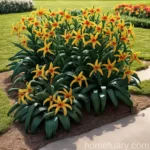
The primary use of orange daylilies is as ornamental plants in landscaping and gardening. Their vibrant orange blooms and graceful foliage add a pop of color and visual interest to garden beds, borders, and naturalized areas. With their tolerance for a wide range of growing conditions, daylilies are versatile and adaptable, making them a popular choice for both novice and experienced gardeners. They can be used to create stunning mass plantings, accent focal points, and provide low-maintenance beauty throughout the growing season.
Erosion Control and Slope Stabilization
Due to their robust root systems and expansive growth habit, orange daylilies are often used for erosion control and slope stabilization. Their ability to form dense clumps and spread via rhizomes makes them effective in preventing soil erosion on slopes and embankments. Moreover, their rapid growth and resilience enable them to thrive in challenging environments, making them an ideal choice for landscaping projects aimed at stabilizing and beautifying sloped terrain.
Culinary Applications
As mentioned earlier, the flower buds and young shoots of orange daylilies have culinary uses in certain cultures. Their mild, slightly sweet flavor makes them a unique addition to various dishes, ranging from stir-fries to soups. When harvested and prepared with care, daylilies can contribute a delicate and distinctive element to culinary creations. It’s important to note that proper identification and preparation are essential when incorporating daylilies into culinary endeavors to ensure their safety and palatability.
Wildlife Habitat Enhancement
Orange daylilies, with their nectar-rich blooms and foliage, attract pollinators such as bees, butterflies, and hummingbirds, enhancing the ecological value of garden spaces. By providing a food source and habitat for these beneficial insects and pollinators, daylilies contribute to the overall biodiversity and health of garden ecosystems. Their role in supporting wildlife populations aligns with sustainable gardening practices and ecological stewardship.
Water
Proper watering is critical for the health and vigor of orange daylilies, as it impacts their growth, blooming potential, and overall resilience. Understanding the water requirements of daylilies and implementing effective watering practices is essential for cultivating thriving plants. Let’s delve into the water needs of orange daylilies and effective watering techniques:
Water Requirements
Orange daylilies thrive in well-drained soil and generally prefer consistent moisture, especially during their active growth periods. While they are relatively drought-tolerant once established, adequate water is crucial for promoting robust foliage and prolific blooming. Insufficient watering can result in stunted growth and reduced flower production, while excessive moisture can lead to root rot and other potential issues. Therefore, striking a balance in watering frequency and volume is key to promoting the health and vigor of orange daylilies.
Watering Techniques
When it comes to watering orange daylilies, there are several effective techniques to ensure that they receive optimal moisture without succumbing to water-related stressors. Deep, Infrequent Watering: Rather than frequent shallow watering, deep watering that penetrates the soil to the root zone is ideal for promoting strong root development and overall plant health. This encourages the roots to grow deeper into the soil, enhancing their capacity to access moisture and nutrients.
Mulching: Applying a layer of organic mulch around the base of daylilies helps conserve soil moisture, reduce evaporation, and maintain more consistent soil temperatures. It also serves as a protective barrier, preventing weed competition and insulating the soil against extreme temperature fluctuations.
Morning Watering: Watering daylilies in the morning allows the foliage to dry out during the day, reducing the risk of foliar diseases. It also ensures that the plants have ample moisture to sustain them through the day, especially during periods of intense heat or drought.
By employing these watering techniques and monitoring the moisture levels in the soil, gardeners can effectively meet the water requirements of orange daylilies and foster their optimal growth and bloom performance.
Sunlight
Proper sunlight exposure is pivotal for the growth, blooming, and overall vitality of orange daylilies. Understanding their sunlight requirements and providing suitable light conditions are essential for cultivating healthy and flourishing plants. Let’s explore the sunlight preferences of orange daylilies and recommendations for optimizing their light exposure:
Sunlight Requirements
Orange daylilies are renowned for their preference for full sun to partial shade, making them adaptable to a wide range of light conditions. While they can tolerate partial shade, they typically thrive and bloom prolifically when exposed to at least 6 hours of direct sunlight per day. Adequate sunlight exposure supports robust foliage growth, encourages abundant flowering, and enhances the vibrancy of the blooms. Insufficient sunlight can lead to reduced flowering and leggy growth, while excessive exposure to intense afternoon sun may necessitate additional moisture and protection from heat stress.
Optimizing Sunlight Exposure
To optimize the sunlight exposure for orange daylilies, several strategies can be implemented to ensure that they receive the light they need to thrive:
Site Selection: When planting or situating daylilies, choosing a location with ample sunlight and good air circulation is crucial for their overall performance. Avoiding areas with prolonged shade or competition from taller plants is important in providing the ideal light conditions for daylilies.
Morning Sun and Afternoon Shade: In regions with hot summers, providing morning sun exposure and afternoon shade can protect daylilies from the intense heat and reduce the risk of sunscald or heat stress. Partial shade during the hottest part of the day can benefit the plants, especially in warmer climates.
Monitoring Light Conditions: Regularly assessing the sunlight patterns in the garden and adjusting the positioning of daylilies, if necessary, can help ensure that they receive the optimal balance of light throughout the day and across different seasons.
By being mindful of their sunlight preferences and implementing strategic approaches to optimize light exposure, gardeners can promote the robust growth and abundant flowering of orange daylilies.
Fertilizer
Optimizing soil fertility and providing essential nutrients is integral to the health and vitality of orange daylilies. Understanding their fertilizer requirements and implementing effective fertilization practices can significantly enhance their growth, blooming potential, and overall resilience. Let’s delve into the fertilizer needs of orange daylilies and recommendations for fertilizing these plants:
Fertilizer Requirements
Orange daylilies benefit from a balanced and complete fertilizer that provides essential macro and micronutrients, contributing to their overall vigor and bloom production. A general-purpose granular fertilizer with a balanced NPK ratio, such as 10-10-10 or 20-20-20, can be applied to daylilies to supply the necessary nutrients for their growth and flowering. Additionally, incorporating organic matter, such as compost or well-rotted manure, into the soil before planting can enrich the soil structure and nutrient content, supporting the long-term health of daylilies.
Fertilization Schedule
Establishing a regular fertilization schedule can help ensure that orange daylilies receive the nutrients they need to thrive throughout the growing season. The following fertilization guidelines can be followed to support the optimal growth and blooming of daylilies:
– Early Spring: As new growth emerges in early spring, applying a balanced, granular fertilizer around the base of daylilies can provide the necessary nutrients to support their initial growth spurt and encourage the development of robust foliage.
– Midsummer: A second application of fertilizer in midsummer, when the plants are actively growing and setting flower buds, can further bolster their nutrient uptake and support abundant blooming. Ensuring that the fertilizer is evenly distributed and lightly worked into the soil helps make the nutrients readily accessible to the roots.
Application Techniques
When applying fertilizer to orange daylilies, several techniques can be employed to ensure even distribution and proper assimilation of nutrients:
Broadcast Application: Sprinkling granular fertilizer evenly in the root zone of daylilies and extending slightly beyond it helps ensure that the nutrients are accessible to the expansive root system of the plants. Care should be taken to avoid direct contact with the foliage to prevent potential leaf burn.
Watering After Application: Watering the fertilizer into the soil after application helps dissolve and activate the nutrients, promoting their uptake by the roots and minimizing the risk of nutrient leaching.
By following a consistent fertilization schedule, using appropriate nutrient-rich fertilizers, and employing effective application techniques, gardeners can enhance the growth and blooming potential of orange daylilies while promoting their overall health and resilience.
Soil
The soil composition and quality play a pivotal role in the growth, performance, and overall health of orange daylilies. Understanding their soil preferences and implementing suitable soil management practices are essential for cultivating thriving and robust plants. Let’s explore the soil requirements of daylilies and recommendations for optimizing the soil environment for their growth:
Soil Preferences
Orange daylilies thrive in well-drained, loamy soils with good fertility and organic content. While they are adaptable to a range of soil types, including sandy and clay soils, providing a well-drained growing environment is crucial for preventing waterlogged conditions and root rot. Additionally, maintaining a slightly acidic to neutral pH range of 6.0-7.0 is ideal for promoting nutrient availability and root uptake, supporting the vigorous growth and blooming potential of daylilies.
Soil Enrichment
Enriching the soil before planting orange daylilies and incorporating organic matter can significantly improve the soil structure, fertility, and moisture retention capabilities. Adding compost, well-rotted manure, or organic soil amendments to the planting area helps enhance the nutrient content and tilth of the soil, creating an optimal foundation for the growth of daylilies. Furthermore, organic matter contributes to the long-term health of the soil, promoting beneficial microbial activity and enhancing its overall vitality.
Soil Management Practices
Implementing effective soil management practices can help maintain the optimal soil conditions for orange daylilies and support their vigorous growth and performance:
Weed Control: Regularly removing weeds from the planting area and around daylilies helps minimize competition for nutrients and moisture, reducing stress on the plants and promoting their overall health and vigor.
Mulching: Applying a layer of organic mulch, such as shredded bark or compost, around the base of daylilies helps conserve soil moisture, suppress weed growth, and insulate the soil against temperature fluctuations. Mulching also contributes to the gradual enrichment of the soil as it decomposes, supporting the long-term health of daylilies.
By understanding the soil preferences of orange daylilies, enriching the soil with organic matter, and implementing effective soil management practices, gardeners can create an ideal growing environment for these resilient and vibrant plants.
Pruning
Pruning plays a vital role in maintaining the appearance, health, and blooming performance of orange daylilies. Understanding the principles of pruning and deadheading for these plants is essential for promoting their longevity and continuous flowering. Let’s explore the best practices for pruning and deadheading orange daylilies:
Deadheading
Deadheading, the process of removing spent or faded blooms from daylilies, is a crucial practice for encouraging prolonged blooming and promoting a tidy, aesthetic appearance. By promptly removing spent flowers, gardeners can redirect the plant’s energy from seed production towards the development of new flower buds, extending the blooming period and enhancing the overall floral display. Deadheading also prevents the formation of seed pods, which can divert valuable resources and inhibit repeat blooming.
Pruning Foliage
In addition to deadheading, occasional pruning of foliage may be necessary to maintain the health and appearance of orange daylilies. Over time, the foliage of daylilies can accumulate dead or yellowing leaves, especially towards the end of the growing season. Gently removing these discolored or damaged leaves can improve air circulation, reduce the risk of foliar diseases, and enhance the overall aesthetic appeal of the plants.
Timing and Techniques
When deadheading and pruning orange daylilies, the following timing and techniques can be employed to ensure effective and beneficial results:
Regular Monitoring: Regularly monitoring the plants for spent blooms and discolored foliage helps identify areas that require attention and allows for timely deadheading and pruning.
Sterilized Tools: Using clean and sharp gardening shears or scissors for deadheading and pruning helps minimize the risk of spreading diseases and promotes clean, precise cuts.
Late Season Cleanup: In late summer or early fall, a thorough cleanup of daylilies can be performed, removing any remaining spent blooms, yellowing foliage, or debris to prepare the plants for the upcoming dormant period and promote a tidy appearance.
By incorporating deadheading and judicious pruning into the maintenance routine for orange daylilies, gardeners can support their prolonged blooming, overall health, and visual appeal throughout the growing season.
Propagation
Propagating orange daylilies offers an opportunity to expand their presence in the garden, share their beauty with others, and preserve valuable cultivars. Understanding the various propagation methods and techniques for daylilies can empower gardeners to propagate these plants successfully. Let’s explore the primary propagation methods for orange daylilies and recommendations for propagating them:
Division
Division, the most common method of propagating orange daylilies, involves separating the mature clumps into smaller divisions and replanting them in new locations. This method helps rejuvenate overgrown clumps, create new plants, and expand the presence of daylilies in the garden. The following steps outline the division process for orange daylilies:
– Timing: Division is typically performed in early spring when new growth emerges or in late summer to early fall when the plants are transitioning into a dormant state.
– Preparation: Watering the daylilies thoroughly a day or two before division helps minimize stress on the plants and makes the division process easier and more efficient.
– Division: Digging up the mature clumps and carefully separating them into smaller divisions, ensuring that each division possesses healthy roots and viable growth points.
Seed Propagation
While division is the preferred method for maintaining specific cultivars and preserving their characteristics, orange daylilies can also be propagated from seeds. The following considerations are important for successfully propagating daylilies from seeds:
– Hybrid Vigor: Seeds derived from hybrid daylilies may exhibit genetic variability and unpredictability in the characteristics of the resulting seedlings, as they can inherit different traits from their parent plants.
– Seed Starting: Starting daylily seeds indoors in containers with a well-draining potting mix, providing consistent moisture and warmth, and transplanting the seedlings outdoors after they have established is a recommended approach for seed propagation.
By understanding the division and seed propagation methods for orange daylilies and adhering to best practices for each technique, gardeners can successfully propagate these captivating plants and expand their presence in the garden.
Container Popularity
The popularity of growing orange daylilies in containers has been on the rise, offering a convenient and versatile approach to showcasing these vibrant plants in various settings. Understanding the benefits of container gardening for daylilies and the essential considerations for success can inspire gardeners to incorporate them into container displays. Let’s explore the