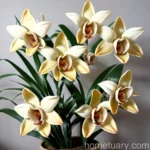
Plant Name: Narrow-leaved Helleborine (Cephalanthera Longifolia)
Plants have always been an essential part of life on Earth. They not only bring beauty and diversity to our surroundings but also play a crucial role in maintaining the ecological balance. One such fascinating plant species is the Narrow-leaved Helleborine, scientifically known as Cephalanthera Longifolia. In this blog post, we will explore the characteristics, habitat, uses, cultivation, and much more about this intriguing plant.
What is Plant: Narrow-leaved Helleborine (Cephalanthera Longifolia)
Narrow-leaved Helleborine, or Cephalanthera Longifolia, is a captivating orchid species belonging to the genus Cephalanthera. It is a perennial, herbaceous plant with a striking appearance. The plant’s name is derived from the Greek words “cephalos,” meaning “head,” and “anthera,” meaning “anther,” referring to the positioning of the anthers on the pollen sac of the flowers.
The Narrow-leaved Helleborine is known for its delicate and intricate floral structure, making it an enchanting addition to botanical landscapes. This plant is native to various parts of Europe and Asia, where it thrives in specific ecological conditions.
Let’s delve deeper into the key takeaways and various aspects of the Narrow-leaved Helleborine, ranging from its cultural significance to its conservation status.
Key Takeaways – Narrow-leaved Helleborine (Cephalanthera Longifolia)
Cephalanthera Longifolia Information
- Scientific Name: Cephalanthera Longifolia
- Common Name: Narrow-leaved Helleborine
- Family: Orchidaceae
- Genus: Cephalanthera
- Species: Longifolia
- Type: Perennial
Narrow-leaved Helleborine Facts
- Habitat: Woodlands, Grasslands
- Distribution: Europe, Asia
- Conservation Status: Varies based on regional assessments
Cephalanthera Longifolia Characteristics
- Flowers: Delicate, Intricately Structured
- Leaves: Narrow, Lanceolate
- Height: Variable, Typically 20-60 cm
Narrow-leaved Helleborine Habitat
- Natural Habitat: Shaded Woodlands, Moist Grasslands
- Soil Type: Well-draining, Rich in Organic Matter
Cephalanthera Longifolia Description
- Flowering Period: Late Spring to Early Summer
- Flower Color: White, Sometimes with Pink or Green Tints
Narrow-leaved Helleborine Uses
- Ornamental Gardening
- Ecological Significance
Cephalanthera Longifolia Cultivation
- Suitable for Woodland Gardens
- Shade-tolerant Species
- Requires Specific Soil Conditions
Narrow-leaved Helleborine Care
- Watering: Moderate, Consistent Moisture
- Sunlight: Shade to Partial Shade
- Fertilization: Light Feeding
Cephalanthera Longifolia Growth
- Slow-growing Perennial
- Rhizomatous Growth Habit
Narrow-leaved Helleborine Species
- Part of the Cephalanthera Genus
- Orchidaceae Family
Cephalanthera Longifolia Conservation
- Regional Assessments Vary
- Conservation Efforts in Some Areas
Narrow-leaved Helleborine Ecology
- Role in Woodland Ecosystems
- Interactions with Pollinators
Cephalanthera Longifolia Medicinal Properties
- Traditional Folklore Uses
- Potential Medicinal Compounds
Narrow-leaved Helleborine Folklore
- Historical and Cultural Significance
Cephalanthera Longifolia Wildlife Interactions
- Pollinators
- **Wildlife Habitat
With these key takeaways in mind, let’s further explore the culture, uses, and various aspects of caring for the Narrow-leaved Helleborine.
Culture
The culture of a plant encompasses its historical significance, traditional uses, and its portrayal in art and literature. The Narrow-leaved Helleborine, with its delicate and subtly beautiful appearance, has captured the interest of botanists, artists, and plant enthusiasts for centuries.
In various regions where this orchid species is found, it has been associated with folklore, medicinal uses, and even culinary traditions in some cases. Understanding the cultural importance of a plant not only adds depth to our knowledge but also highlights its place in human history.
Folklore and Traditional Uses
Throughout history, certain plant species have held cultural significance and have been woven into the fabric of folklore and traditional practices. The Narrow-leaved Helleborine, with its elegant appearance, has often been the subject of myth and legend.
In different parts of its native range, the plant may have been used in traditional medicine or considered a symbol of luck, purity, or protection. Exploring these cultural connections allows us to appreciate the plant beyond its biological characteristics and understand its role in human society.
Botanical Art and Literature
The beauty of plants has inspired countless artists and writers to depict them in various art forms, from intricate botanical illustrations to poetic descriptions of their splendor. The Narrow-leaved Helleborine, with its delicate floral structure and graceful presence, has likely found its place in the artistic and literary works of different cultures.
Exploring botanical art and literature related to the Narrow-leaved Helleborine can provide a deeper understanding of how this plant has been perceived and celebrated throughout history.
Conservation and Awareness Efforts
In recent times, increased awareness of the importance of biodiversity conservation has led to efforts to protect and preserve plant species such as the Narrow-leaved Helleborine. Conservation organizations, botanical gardens, and researchers have worked to study and safeguard these plants in their natural habitats.
Understanding the cultural significance of the Narrow-leaved Helleborine can also help in raising awareness about its conservation status and promoting efforts to ensure its continued existence in the wild.
Uses
Plants serve a multitude of purposes, from providing aesthetic beauty in gardens to contributing to ecological balance and even offering medicinal benefits. Understanding the diverse uses of a plant like the Narrow-leaved Helleborine allows us to appreciate its significance in various aspects of human life and the environment.
Ornamental Gardening
The striking appearance of the Narrow-leaved Helleborine makes it a desirable plant for ornamental gardening. Its delicate, white flowers and lanceolate leaves add elegance and charm to shaded garden areas. Incorporating this orchid species into woodland or naturalistic garden designs enhances the visual appeal of the landscape.
In botanical gardens and natural reserves, the Narrow-leaved Helleborine is often cultivated for its ornamental value, allowing visitors to admire and appreciate its unique beauty.
Ecological Significance
Beyond its ornamental uses, the Narrow-leaved Helleborine plays a vital role in its native ecosystems. As an orchid species, it contributes to the diversity and stability of woodland and grassland habitats. Its interactions with pollinators and other organisms are integral to the functioning of these ecosystems.
Conserving the Narrow-leaved Helleborine is not only essential for maintaining its aesthetic and ecological value but also for preserving the delicate balance of the natural world.
Water
Proper watering is essential for the health and vitality of any plant, including the Narrow-leaved Helleborine. Understanding the water requirements of this orchid species is key to ensuring its well-being and promoting optimal growth.
Water Requirements
The Narrow-leaved Helleborine thrives in moist, well-draining soil. While it prefers consistent moisture, it is important to avoid waterlogged conditions, as excessive water can lead to root rot and other ailments.
During periods of active growth and flowering, it is recommended to monitor the moisture levels of the soil and provide moderate watering as needed. In the absence of sufficient rainfall, supplemental watering can help maintain the plant’s vigor.
Watering Techniques
When watering the Narrow-leaved Helleborine, it is advisable to apply water directly to the soil around the plant, focusing on the root zone. This helps prevent excess moisture on the foliage, which may contribute to fungal diseases.
Using a watering can or a gentle water hose setting can provide precise control over the amount of water supplied to the plant. Care should be taken to ensure that the soil is adequately moist without becoming waterlogged.
Seasonal Considerations
During the plant’s active growth and flowering periods, such as late spring and early summer, it may require more frequent watering to support its physiological processes. As the seasons transition and temperatures moderate, adjustments to the watering schedule can be made to align with the plant’s changing needs.
Maintaining a balance between adequate moisture and proper drainage is crucial for the overall health and vitality of the Narrow-leaved Helleborine.
Sunlight
The availability of sunlight directly influences the growth, flowering, and overall well-being of plants, including the Narrow-leaved Helleborine. Understanding the orchid species’ preferences regarding sunlight exposure is essential for creating suitable growing conditions.
Sunlight Requirements
The Narrow-leaved Helleborine thrives in shaded to partially shaded environments, making it well-suited for woodland gardens and areas with filtered light. In its natural habitat, the plant often grows under the dappled shade of trees or in grassy clearings with limited direct sunlight.
Excessive exposure to intense sunlight can be detrimental to the plant, leading to leaf scorch and reduced vigor. Therefore, providing the appropriate level of shade is crucial for promoting healthy growth and flowering.
Shade Tolerance
As a shade-tolerant species, the Narrow-leaved Helleborine demonstrates an ability to thrive in conditions where sunlight is limited. This adaptation allows the plant to occupy niches within wooded habitats and remain shielded from the potential harm of strong, direct sunlight.
In cultivation, positioning the plant in areas with filtered light or partial shade, such as beneath tree canopies or alongside tall shrubs, can create an ideal environment for its growth.
Seasonal Considerations
During the active growing season and flowering period, maintaining a consistent level of shade and protecting the plant from prolonged exposure to intense sunlight is crucial. The Narrow-leaved Helleborine’s ability to photosynthesize and produce energy is closely tied to its access to appropriate light conditions.
Adjusting the plant’s placement or providing additional shade, if necessary, can help optimize its response to varying sunlight levels throughout the year.
Fertilizer
Fertilization plays a vital role in providing plants with essential nutrients for growth, flowering, and overall health. Understanding the fertilizer requirements of the Narrow-leaved Helleborine can help ensure that it receives the necessary elements for optimal development.
Nutrient Needs
The Narrow-leaved Helleborine benefits from a light feeding of balanced, organic fertilizer during its active growth phase. This provides the plant with essential nutrients, including nitrogen, phosphorus, and potassium, along with micronutrients that contribute to its overall well-being.
Care should be taken to avoid over-fertilization, as excessive nutrients can lead to imbalances and potential harm to the plant. A cautious and balanced approach to fertilization is essential for promoting healthy growth and flowering.
Fertilization Frequency
Applying fertilizer to the Narrow-leaved Helleborine once or twice during the growing season is generally sufficient to meet its nutritional requirements. The timing of fertilizer application can coincide with the onset of new growth and prior to the flowering period to support the plant’s physiological processes.
Selecting a well-balanced, organic fertilizer designed for ornamental plants or specifically for orchids can ensure that the Narrow-leaved Helleborine receives the necessary nutrients in a form that is gentle and readily available.
Organic Fertilizer Options
Organic fertilizers, derived from natural sources such as compost, animal manure, or plant-based materials, can provide a gentle and sustainable approach to meeting the nutritional needs of the Narrow-leaved Helleborine. These fertilizers contribute to soil health and microbiota, promoting a balanced and fertile growing environment.
Exploring organic fertilizer options designed for ornamental plants or tailored to the requirements of orchid species can offer suitable choices for promoting the optimal growth and vitality of the Narrow-leaved Helleborine.
Soil
The composition and quality of the soil directly influence the health and growth of plants. Understanding the soil preferences of the Narrow-leaved Helleborine is essential for creating a suitable growing environment and promoting its well-being.
Soil Type
The Narrow-leaved Helleborine thrives in well-draining soil that is rich in organic matter. Its natural habitat often includes woodland areas and grassy clearings with fertile, humus-rich soil.
The plant’s preference for a well-draining substrate helps prevent waterlogging and allows for the aeration of the root system, promoting overall plant health.
Soil Moisture
Maintaining consistent moisture levels in the soil is important for the Narrow-leaved Helleborine, as it benefits from a moderately moist growing medium. However, it is crucial to avoid waterlogged conditions, as excessive moisture can lead to root rot and other detrimental issues.
Selecting a soil mix that retains moisture while allowing excess water to drain away is ideal for promoting healthy growth and flowering in the Narrow-leaved Helleborine.
pH Level
The Narrow-leaved Helleborine typically prefers a slightly acidic to neutral soil pH range, around 5.5 to 7.0. Monitoring and adjusting the pH of the growing medium can help create an optimal environment for the plant, enhancing its ability to access essential nutrients from the soil.
Regular soil testing and the application of appropriate amendments, such as organic matter or pH-adjusting substances, can help ensure that the Narrow-leaved Helleborine’s nutritional needs are met.
Pruning
Pruning is an essential aspect of plant care and maintenance, contributing to the health, appearance, and longevity of various plant species. Understanding the pruning requirements of the Narrow-leaved Helleborine can help promote its growth and preserve its ornamental qualities.
Pruning Considerations
The Narrow-leaved Helleborine typically requires minimal pruning, especially when grown in its natural woodland or garden setting. However, certain maintenance tasks can help keep the plant in optimal condition and prevent the accumulation of dead or decaying plant material.
Removing spent flower stalks after the flowering period can promote tidiness and redirect the plant’s energy toward the development of new growth. Trimming away any damaged or diseased foliage can also contribute to the overall well-being of the plant.
Timing of Pruning
Pruning activities for the Narrow-leaved Helleborine are best carried out after the flowering period, allowing the plant to complete its bloom cycle and begin redirecting resources toward new growth and development.
Care should be taken to avoid excessive pruning, as the Narrow-leaved Helleborine benefits from maintaining its natural form and structure. Simple, selective maintenance pruning is typically sufficient to support the plant’s health and aesthetics.
Tools for Pruning
Using clean, sharp gardening shears or scissors is recommended for pruning the Narrow-leaved Helleborine. This helps minimize damage to the plant and ensures that cuts are made cleanly and precisely.
Sanitizing pruning tools before and after use, particularly if they have been in contact with diseased plant material, can help prevent the spread of pathogens and maintain the health of the Narrow-leaved Helleborine and other plants in the vicinity.
Propagation
The propagation of plants allows for the expansion of their populations and the creation of new specimens for cultivation and conservation purposes. Understanding the methods of propagating the Narrow-leaved Helleborine can provide opportunities for expanding its presence in suitable habitats and garden settings.
Propagation Methods
The Narrow-leaved Helleborine can be propagated through various methods, including division of rhizomes, seed sowing, and tissue culture. Each approach offers distinct advantages and may be suitable for different situations and objectives.
-
Rhizome Division: Dividing the rhizomes of mature plants can yield new individuals, allowing for the expansion of colonies in suitable growing locations.
-
Seed Sowing: Collecting and sowing seeds from mature Narrow-leaved Helleborine plants can facilitate the establishment of new populations under controlled conditions.
-
Tissue Culture: Utilizing tissue culture techniques in laboratory settings can provide a means to propagate and conserve the Narrow-leaved Helleborine under controlled conditions, contributing to conservation efforts and research.
Timing of Propagation
The ideal timing for propagating the Narrow-leaved Helleborine varies based on the selected method. Division of rhizomes is typically carried out during the plant’s dormant period, while seed sowing may take place following the collection of mature seeds.
Carefully considering the timing and conditions for propagation activities can enhance their success and contribute to the establishment of healthy, vigorous new plants.
Environmental Considerations
When propagating the Narrow-leaved Helleborine through seed sowing or division, it is important to provide suitable growing conditions for the newly established plants. This may include providing the appropriate soil type, moisture levels, and shade preferences to support their establishment and growth.
In garden settings, monitoring and tending to the needs of propagated Narrow-leaved Helleborine plants can help ensure their successful integration into the landscape.
Container Popularity
The lush and sophisticated appearance of the Narrow-leaved Helleborine makes it a desirable choice for container gardening. Its graceful flowering stems and lanceolate leaves lend an air of elegance to outdoor and indoor settings.
Ornamental Containers
Placing the Narrow-leaved Helleborine in decorative containers and planters allows for its inclusion in various outdoor and indoor spaces, such as patios, entryways, and garden rooms. The plant’s striking visual appeal enhances the ambiance of these areas and provides a touch of natural beauty.
Selecting aesthetically pleasing containers that complement the plant’s delicate floral structure and foliage can amplify the decorative impact of the Narrow-leaved Helleborine.
Portable Beauty
Container gardening with the Narrow-leaved Helleborine offers the flexibility of moving the plant to different locations based on seasonal preferences or specific design needs. This portability allows for creative arrangements and the ability to showcase the plant in different settings as desired.
Utilizing containers also provides an opportunity to protect the Narrow-leaved Helleborine from adverse environmental conditions, such as extreme weather, enabling its cultivation in regions where the plant’s natural habitat may not be readily accessible.
Indoor Environments
In addition to outdoor container gardening, the Narrow-leaved Helleborine can be cultivated in indoor spaces, such as conservatories, atriums, and well-lit rooms. Its adaptability to container growth allows for the creation of captivating botanical displays within interior settings.
Proper consideration of the plant’s sunlight and moisture requirements is essential when cultivating the Narrow-leaved Helleborine in indoor containers, ensuring that it receives the necessary conditions for healthy growth and flowering.
Common Diseases
Disease management is an integral aspect of plant care and maintenance, allowing for the preservation of plant health and vitality. While the Narrow-leaved Helleborine is generally resilient, understanding its susceptibility to common diseases is essential for proactive management.
Fungal Diseases
Fungal pathogens can pose a risk to the Narrow-leaved Helleborine, particularly in conditions with high humidity or poor air circulation. Lethal soilborne pathogens may cause root