Maple Curled (Acer Circinatum)
As a plant scientist with a keen interest in horticulture, I am thrilled to delve into a comprehensive guide to the Maple Curled (Acer Circinatum). This.


As a plant scientist with a keen interest in horticulture, I am thrilled to delve into a comprehensive guide to the Maple Curled (Acer Circinatum). This beautiful tree holds not only ornamental value but also a significant ecological role in various landscapes. Through this guide, we will explore every aspect of Maple Curled, from its identification and cultivation to its maintenance and ecological significance.
What is Maple Curled (Acer Circinatum)?
Maple Curled, scientifically known as Acer Circinatum, is a species of maple native to western North America, specifically in the coastal regions from southwest British Columbia to central California. It is commonly referred to as the Vine Maple due to its vine-like growth pattern and can be found in a range of habitats, from sea level to mid-elevation forests.
Key Takeaways
Before we delve into the intricate details of Maple Curled (Acer Circinatum), let’s glance over the key takeaways that we will address:
- Identification: Understanding the distinct characteristics of Acer Circinatum.
- Culture: Exploring the cultural practices for the successful growth of Maple Curled.
- Uses: Reflecting on the versatile applications of Acer Circinatum in landscapes.
- Water: Assessing the water requirements essential for Maple Curled’s well-being.
- Sunlight: Understanding the optimal sunlight conditions for Acer Circinatum.
- Fertilizer: Delving into the fertilization needs of Maple Curled.
- Soil: Examining the ideal soil conditions for growing Acer Circinatum.
- Pruning: Learning the art of pruning Maple Curled for its health and aesthetics.
- Propagation: Exploring the propagation techniques for Acer Circinatum.
- Container Popularity: Discussing the feasibility of growing Maple Curled in containers.
- Common Diseases: Identifying and managing prevalent diseases affecting Acer Circinatum.
- Common Pests: Understanding the potential pests that can afflict Maple Curled.
- Botanist’s Tips: Gaining insights and tips from botanists for successful Maple Curled cultivation.
- Fun Facts: Unearthing interesting and lesser-known facts about Acer Circinatum.
- Links to External Resources: Providing references to further enrich knowledge on Maple Curled.
With these key takeaways in mind, let’s embark on an informative journey into the world of Maple Curled (Acer Circinatum).
Acer Circinatum Identification
Proper identification is fundamental when it comes to understanding and cultivating any plant species. Acer Circinatum, with its distinct features, can be recognized through the following characteristics:
-
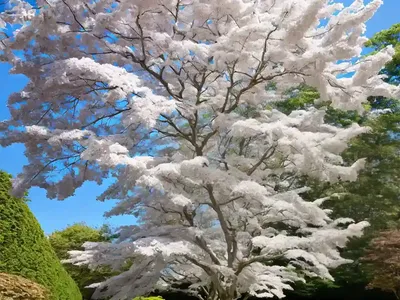
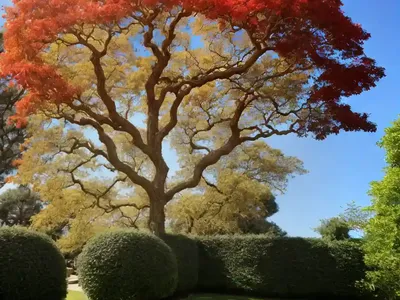
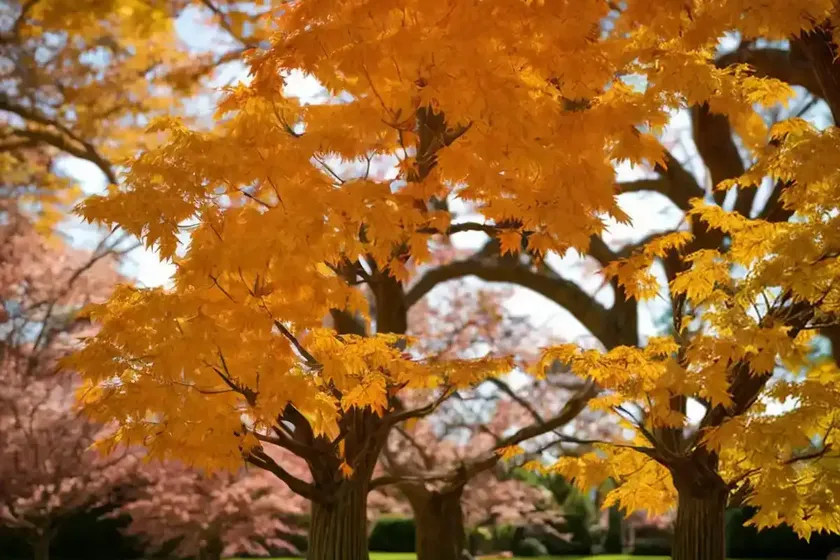
Leaves: The leaves of Acer Circinatum are simple and palmately lobed with 7-11 lobes. They are typically 3-9 cm wide and equally long, with an impressive green coloration during the growing season. In the fall, the leaves turn vibrant shades of yellow, orange, and red, enhancing the appeal of the tree.
-
Bark: The bark of Maple Curled is thin and smooth, with a greenish-brown to reddish-brown color. As the tree matures, it develops attractive striations, adding to its visual allure.
-
Growth Habit: Acer Circinatum is characterized by its shrubby, multi-stemmed growth habit, often forming dense thickets in its natural habitat. It has a bushy and spreading form.
-
Flowers and Fruits: The flowers of Acer Circinatum are small and appear in clusters, preceding the emergence of foliage in spring. The tree bears distinctive paired samaras, also known as winged seeds, in late summer to fall.
Maple Curled (Acer Circinatum) Care
Cultivating Maple Curled requires a nuanced approach to meet its specific cultural needs. Let’s delve into the essential aspects of caring for Acer Circinatum:
Culture
Culturally, Maple Curled thrives in a range of environments, provided that its basic requirements are met. Here are the fundamental cultural practices for successfully growing Acer Circinatum:
-
Climate: Acer Circinatum is well-adapted to a diverse range of climates. It is predominantly found in the maritime Pacific Northwest but can also tolerate colder climates, making it suitable for cultivation in USDA hardiness zones 5 to 9.
-
Water: Adequate moisture is crucial for Maple Curled, especially during its establishment phase. In its natural habitat, it’s often found near streams or in moist, well-drained soils. However, it can also withstand brief periods of drought once established.
-
Sunlight: Acer Circinatum flourishes in partial shade to full sun. While it can tolerate shade, it tends to exhibit better growth and fall coloration when exposed to ample sunlight.
-
Soil: Well-drained soils rich in organic matter are ideal for Maple Curled. It is adaptable to various soil types, including loam, sandy loam, and clay loam, but it thrives best in moist, acidic soils.
-
Maintenance: Regular watering, especially during dry periods, and annual mulching to retain soil moisture are essential for the maintenance of Acer Circinatum. Clearing away fallen leaves and debris from the base of the tree can prevent pest and disease issues.
Uses
Maple Curled, with its distinct features, serves several purposes, making it a versatile addition to landscapes and natural habitats:
-
Ornamental Value: The vibrant fall foliage of Acer Circinatum makes it a prized ornamental tree, adding visual interest to gardens, parks, and natural landscapes.
-
Wildlife Habitat: The multi-stemmed growth habit of Maple Curled provides excellent cover and nesting sites for various bird species, contributing to the biodiversity of its growing environment.
-
Erosion Control: Due to its spreading growth habit and dense root system, Acer Circinatum is utilized for erosion control, particularly along stream banks and slopes.
-
Landscaping: The subtle beauty and natural grace of Maple Curled make it an appealing choice for landscaping, where it can be used in mixed borders or as a standalone specimen tree.
Growing Acer Circinatum
Cultivating Acer Circinatum requires a balanced approach to environmental factors, nutrient management, and growth promotion. Here’s a comprehensive overview of the essential aspects to consider when growing Maple Curled:
Water
Providing the Right Moisture Balance
Water is a critical component in the successful cultivation of Maple Curled. Understanding the water needs of Acer Circinatum is essential for maintaining its health and vigor:
-
Establishment Phase: During the initial establishment period, regular and consistent watering is vital. Adequate moisture helps the young tree develop a robust root system, ensuring its long-term health and resilience.
-
Mature Trees: Once established, Maple Curled exhibits good drought tolerance. However, especially during prolonged dry spells, supplemental watering can help maintain its vitality and leaf turgor.
-
Watering Techniques: Water deeply and less frequently, allowing the soil to dry out slightly between watering sessions. This encourages the development of deep roots, enhancing the tree’s overall stability and drought resistance.
Sunlight: Providing Optimal Light Exposure
The sunlight requirements of Acer Circinatum play a pivotal role in its growth, development, and overall vitality. Understanding the optimal light conditions for Maple Curled is crucial for its successful cultivation:
-
Partial Shade to Full Sun: Maple Curled exhibits remarkable adaptability to light conditions, thriving in both partial shade and full sun. However, it tends to display better fall coloration and overall vigor when exposed to ample sunlight.
-
Sunlight Regulation: In regions with intense summer heat, providing light afternoon shade can help protect Acer Circinatum from potential sunburn and heat stress, particularly during its early years.
-
Mature Tree Considerations: Once established, Maple Curled demonstrates a degree of shade tolerance, making it suitable for planting under the canopy of larger trees or in mixed-shade environments.
Fertilizer: Nourishing Acer Circinatum
Supplementing Acer Circinatum with appropriate nutrients can significantly contribute to its growth, leaf coloration, and overall vitality. Here’s an overview of the fertilizer requirements for Maple Curled:
-
Nutrient-Rich Soil: Acer Circinatum thrives in well-drained soils rich in organic matter. A fertile, loamy soil provides the ideal foundation for the successful growth of Maple Curled.
-
Balanced Fertilization: In nutrient-poor soils, supplement Acer Circinatum with a balanced, slow-release fertilizer in the spring. Avoid excessive nitrogen, as it can promote lush growth at the expense of fall coloration.
-
Organic Amendments: Regular applications of compost or well-rotted manure around the base of the tree can enhance soil fertility and microbial activity, supporting the long-term health of Acer Circinatum.
Soil
Evaluating Ideal Soil Conditions
The soil requirements for growing Maple Curled are integral to its overall health and vigor. Understanding the ideal soil conditions for Acer Circinatum is crucial for creating a nurturing growing environment:
-
Drainage Considerations: Well-drained soil is critical for the successful cultivation of Acer Circinatum. Avoid waterlogged or compacted soils, as they can lead to root suffocation and disease issues.
-
Moisture Retention: While Maple Curled prefers well-drained soils, it also benefits from consistent soil moisture, particularly during its establishment phase. Amending the soil with organic matter enhances its moisture-retaining capacity.
-
Soil pH: Acer Circinatum thrives in slightly acidic to neutral soil conditions, with a pH range of 5.5 to 7.0. Conduct a soil test to assess the pH of the planting site and make necessary amendments to achieve the ideal pH level.
Pruning
Mastering Pruning Techniques for Acer Circinatum
Pruning is an essential practice in maintaining the health, structure, and aesthetic appeal of Maple Curled. Understanding the art of pruning Acer Circinatum is crucial for its long-term well-being:
-
Formative Pruning: During the early years, engage in formative pruning to guide the growth of Acer Circinatum. Remove competing or crossing branches and shape the tree to achieve a balanced, open canopy.
-
Seasonal Pruning: Conduct major pruning tasks, such as canopy thinning and size reduction, during the dormant season. This minimizes stress on the tree and reduces the risk of sap bleeding.
-
Pruning Considerations: Avoid excessive pruning of Maple Curled, as it can lead to sunscald and reduced energy reserves. Remove dead, diseased, or damaged branches promptly to maintain the tree’s overall health and vitality.
Propagation
Exploring Propagation Techniques for Acer Circinatum
Propagating Maple Curled allows for the expansion of its presence in various landscapes and natural habitats. Here’s an overview of the propagation techniques for Acer Circinatum:
-
Seed Propagation: Collect ripe samaras from mature Maple Curled trees in the fall. Scarify the seeds by lightly scratching the seed coat, then cold-stratify them for 90-120 days before sowing in a well-draining medium.
-
Cutting Propagation: Softwood cuttings taken in early summer can be successfully rooted to propagate Acer Circinatum. Use a rooting hormone to enhance the success rate and provide bottom heat to expedite rooting.
-
Grafting: Propagate specific cultivars of Maple Curled through grafting onto compatible rootstock. This technique allows for the replication of desirable traits and ensures genetic uniformity in the propagated trees.
Maple Curled Diseases and Pests
Though Maple Curled is generally resilient, it can still be susceptible to certain diseases and pests. Proper diagnosis and management strategies are essential for maintaining the health and vigor of Acer Circinatum:
Common Diseases
Diagnosing and Managing Maple Curled Diseases
Maple Curled may be vulnerable to specific diseases, necessitating vigilant monitoring and appropriate management practices:
-
Tar Spot: This fungal disease causes black, tar-like spots on the leaves, leading to premature leaf drop. Rake and dispose of infected leaves to minimize the spread of the disease and apply fungicidal treatments if necessary.
-
Anthracnose: Anthracnose manifests as dark, irregular lesions on the leaves and can affect Maple Curled, particularly in periods of cool, wet weather. Prune affected branches and promote good air circulation to manage the disease.
-
Powdery Mildew: The appearance of powdery white patches on the leaves indicates a powdery mildew infection. Provide adequate air circulation, avoid overhead watering, and apply fungicidal treatments to control the spread of the disease.
Common Pests
Addressing Potential Pests Afflicting Maple Curled
While resilient, Maple Curled may encounter certain pests that can impact its overall health and appearance. Here are potential pests that may affect Acer Circinatum:
-
Aphids: These sap-sucking insects can infest the new growth of Maple Curled, leading to distorted leaves and the secretion of honeydew. Natural predators and horticultural oils can be employed to manage aphid populations.
-
Scale Insects: Scale infestations can cause yellowing and premature dropping of leaves in Acer Circinatum. Employ horticultural oils or insecticidal soaps to smother the scale insects and manage established populations.
-
Caterpillars: Certain caterpillar species may feed on the foliage of Maple Curled, leading to defoliation and diminished vigor. Handpick caterpillars or apply biological insecticides to prevent extensive damage.
Botanist’s Tips for Maple Curled (Acer Circinatum)
Drawing from the expertise of botanists and horticulturalists, here are insightful tips for the successful cultivation and maintenance of Maple Curled:
-
Mulching Matters: Apply a layer of organic mulch around the base of Maple Curled to retain soil moisture, regulate soil temperature, and suppress weed growth. Mulching also contributes to the enhancement of soil structure and fertility.
-
Mindful Pruning: When pruning Acer Circinatum, prioritize the removal of dead, diseased, or damaged branches. Additionally, aim to maintain an open canopy to facilitate air circulation and light penetration, promoting overall tree health.
-
Water Wisely: During periods of prolonged drought, prioritize deep watering sessions for Maple Curled to sustain its vigor and minimize stress. Be mindful of soil moisture fluctuations and adjust watering frequency accordingly.
-
Respect Wildlife Habitats: Encourage and respect the wildlife habitats provided by Acer Circinatum. The multi-stemmed growth habit of Maple Curled offers nesting sites and cover for various bird species, contributing to ecological diversity.
Fun Facts about Maple Curled (Acer Circinatum)
Uncovering fascinating and lesser-known facts about Acer Circinatum adds depth to our appreciation of this remarkable tree:
-
Native Habitat: Acer Circinatum is a native of western North America, where it thrives in diverse habitats, ranging from low-elevation woodlands to mountain slopes.
-
Fall Coloration: The vibrant fall foliage of Maple Curled ranges from bright yellows and oranges to intense reds, enriching the autumn landscape with its striking hues.
-
Sap Utilization: In indigenous cultures, the sap of Acer Circinatum was traditionally used as a sweetening agent and source of energy, either consumed as a beverage or processed into syrup.
-
Wildlife Support: Maple Curled provides valuable wildlife habitat, offering cover and nesting sites for various bird species. Its flowers also attract pollinators, contributing to the ecological balance of its growing environment.
Links to External Resources
For further exploration and in-depth understanding of Maple Curled (Acer Circinatum), I recommend referring to the following external resources:
-
Pacific Northwest Plants: Vine Maple (Acer circinatum), Burke Museum
-
Vine Maple (Acer circinatum), British Columbia Ministry of Forests
In conclusion, Maple Curled (Acer Circinatum) stands as an exquisite emblem of natural beauty and ecological significance. From its distinctive characteristics to its cultural requirements and ecological contributions, Acer Circinatum captivates and enriches the landscapes it graces. By understanding and embracing its nuances, we can foster an enduring appreciation for this remarkable tree and its role in the natural world.