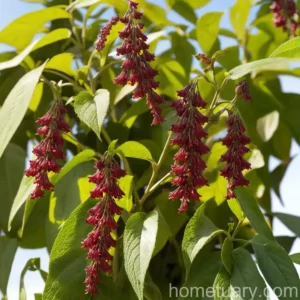
Lonicera hispidula (Pink Honeysuckle) – A Marvel of Nature
Lonicera hispidula, commonly known as Pink Honeysuckle, is an enchanting and versatile perennial plant with a fascinating history and a multitude of practical and aesthetic uses. As a plant scientist with a deep passion for botany, I’ve dedicated myself to understanding and unlocking the secrets of plants like Lonicera hispidula. In this comprehensive guide, we will delve into the captivating world of Lonicera hispidula, exploring its characteristics, care requirements, uses, and much more.
What is Lonicera hispidula (Pink Honeysuckle)?
Lonicera hispidula is a species of honeysuckle that belongs to the Caprifoliaceae family. It is native to North America, where it can be found gracing forests, woodlands, and slopes with its elegant presence. This lovely plant is valued not only for its aesthetic appeal but also for its ecological significance.
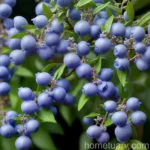
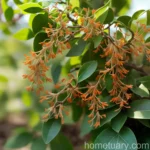
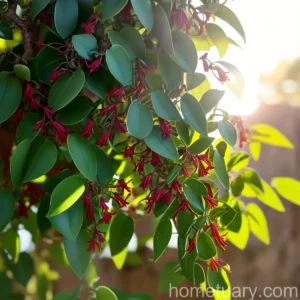
One of the most distinctive features of Lonicera hispidula is its delicate, tubular, pink or white flowers that exude a sweet fragrance. It blooms in late spring to early summer, attracting various pollinators like bees, butterflies, and hummingbirds. The plant is also adorned with attractive, bluish-black berries that are a source of food for birds and wildlife.
The Pink Honeysuckle is a deciduous, woody vine and typically grows to a height of 3 to 10 feet, with a spread of 3 to 6 feet. Its growth habit can be described as trailing or climbing, making it an excellent choice for arbors, trellises, and fences.
Key Takeaways – Lonicera hispidula (Pink Honeysuckle)
Before we delve into the specifics of caring for Lonicera hispidula, let’s take a glance at the key takeaways surrounding this enchanting plant.
- Latin Name: Lonicera hispidula
- Common Name: Pink Honeysuckle
- Family: Caprifoliaceae
- Native Habitat: North America
- Flower Color: Pink or white
- Growth Habit: Trailing or climbing vine
- Flowering Season: Late spring to early summer
- Wildlife Attraction: Bees, butterflies, hummingbirds, and birds
- Ecological Importance: Source of food for wildlife and habitat for pollinators
Now that we have a fundamental understanding of Lonicera hispidula, let’s proceed to unravel the nuanced aspects of caring for this captivating plant.
Culture
Understanding the cultural requirements of Lonicera hispidula is crucial for nurturing a healthy and vibrant specimen. This encompasses various factors, including water, sunlight, fertilizer, soil, and pruning.
Uses
Lonicera hispidula is a plant that offers a diverse range of uses, making it a versatile addition to any landscape. Its uses can be categorized as follows:
- Ornamental: The charming flowers and berries of Lonicera hispidula make it a delightful addition to gardens or naturalistic landscapes.
- Wildlife Habitat: The plant attracts pollinators and provides a source of food for birds, thereby contributing to a thriving wildlife habitat.
- Erosion Control: Its trailing or climbing habit makes it an excellent choice for controlling soil erosion on slopes or embankments.
Water
Proper watering is essential for the health and vigor of Lonicera hispidula. As with most plants, it’s crucial to strike a balance, ensuring that the plant neither suffers from drought stress nor is overwatered. Here are some general guidelines for watering Pink Honeysuckle:
- Established Plants: Once established, Lonicera hispidula typically displays good drought tolerance. However, during prolonged dry spells, it’s beneficial to provide supplemental water, especially in well-drained soils.
- Young Plants: Newly planted Pink Honeysuckle should be watered regularly to aid in root establishment. A deep watering once a week is generally sufficient.
Sunlight
The ideal amount of sunlight plays a pivotal role in the growth and blooming of Lonicera hispidula. Here’s what you need to know about providing adequate sunlight for this enchanting plant:
- Light Requirements: Lonicera hispidula thrives in partial shade to full sun. In regions with hot summers, providing some afternoon shade can help protect the plant from excessive heat.
- Ideal Placement: Select a planting location that offers a balance of sunlight and shade, especially if you reside in an area with intense summer temperatures.
Fertilizer
Proper fertilization can enhance the growth and blooming of Lonicera hispidula, contributing to a lush and thriving plant. Keep the following in mind when fertilizing Pink Honeysuckle:
- Timing: Apply a balanced, all-purpose fertilizer in early spring before new growth begins. Refrain from fertilizing in late summer or fall to avoid stimulating tender growth that may be susceptible to frost damage.
- Application: Sprinkle the fertilizer evenly around the base of the plant, then water thoroughly to allow the nutrients to penetrate the soil.
Soil
The soil composition and quality profoundly influence the overall health and vigor of Lonicera hispidula. Understanding the soil requirements of this plant is essential for its successful cultivation:
- Well-Drained Soil: Pink Honeysuckle prefers moist, well-drained soil. Avoid waterlogged or excessively dry soil conditions, as these can be detrimental to the plant’s health.
- Soil Amendments: Incorporating organic matter into the soil at the time of planting can improve its structure and fertility, promoting healthy root development.
Pruning
Pruning is an essential aspect of maintaining the health, shape, and blooming of Lonicera hispidula. Proper pruning techniques can help prevent disease, stimulate new growth, and shape the plant according to your preferences:
- Timing: Prune Pink Honeysuckle in late winter or early spring before new growth emerges. This allows the plant to allocate its resources more effectively to the remaining branches.
- Techniques: Remove dead, damaged, or crossing branches. Additionally, you can trim back the plant to maintain its desired size and shape.
Propagation
If you’re captivated by the allure of Lonicera hispidula and wish to expand your collection or share its beauty with others, learning about propagation methods is invaluable. Here are some common techniques for propagating Pink Honeysuckle:
- Softwood Cuttings: Propagate Lonicera hispidula from softwood cuttings taken in late spring or early summer. Select healthy, non-flowering shoots and root them in a well-draining, moist potting medium.
- Division: Divide mature Lonicera hispidula plants in early spring to create new specimens. Carefully separate the root mass, ensuring that each division has a sufficient number of healthy roots and shoots.
Container Popularity
Lonicera hispidula’s versatility and appealing characteristics make it a popular choice for container gardening. Whether you have limited outdoor space or wish to adorn your patio or balcony with a touch of natural beauty, here are some reasons why Pink Honeysuckle thrives in containers:
- Space Efficiency: The trailing or climbing habit of Lonicera hispidula makes it particularly well-suited for cascading over the edges of containers or climbing trellises and obelisks, adding vertical interest to your garden.
- Portability: Containers offer the flexibility of moving Lonicera hispidula to different locations based on sunlight and aesthetics, allowing you to create captivating displays throughout the seasons.
Container Common Diseases
While container gardening provides numerous benefits, it’s essential to be mindful of potential diseases that may affect Lonicera hispidula. Here are some common diseases to watch out for and preventive measures to consider:
- Powdery Mildew: This fungal disease can affect Pink Honeysuckle, especially in conditions of high humidity and poor air circulation. To prevent powdery mildew, ensure adequate spacing between containers and monitor moisture levels.
- Botrytis Blight: Botrytis cinerea, commonly known as gray mold, can thrive in moist conditions and pose a risk to container-grown Lonicera hispidula. Implement proper watering practices and avoid overhead watering to minimize the risk of infection.
Disease Diagnosis
Prompt and accurate diagnosis of diseases is crucial for implementing effective treatment strategies. When observing signs of distress in container-grown Lonicera hispidula, consider the following steps for disease diagnosis:
- Observation: Inspect the plant for symptoms such as discolored or distorted leaves, abnormal growth, or unusual spots or patches.
- Consultation: Reach out to local gardening experts or extension services to seek guidance on identifying the specific disease affecting your Pink Honeysuckle in containers.
Common Pests
Container-grown Lonicera hispidula may be susceptible to various pests that can compromise its health and appearance. Here are some common pests to be mindful of and proactive measures to deter them:
- Aphids: These small, sap-sucking insects can infest the tender growth of Pink Honeysuckle, leading to stunted growth and distorted leaves. Employ natural predators like ladybugs or blast the pests off with a strong jet of water.
- Spider Mites: Spider mites can be problematic in dry, dusty conditions. Regularly misting the plant and keeping the foliage clean can help prevent infestations.
Botanist’s Tips
Drawing from my expertise and practical experience, I’ve compiled a set of botanist’s tips to guide you in cultivating and caring for Lonicera hispidula with confidence and finesse:
- Soil pH: Lonicera hispidula thrives in slightly acidic to neutral soil. Conduct a soil test and amend the pH if necessary to create an optimal growing environment for the plant.
- Mulching: Apply a layer of organic mulch around the base of Pink Honeysuckle to conserve soil moisture, suppress weeds, and gradually enrich the soil as the mulch decomposes.
- Beneficial Companions: Pair Lonicera hispidula with plants that share similar cultural requirements and complement its aesthetic appeal. Consider native wildflowers and shrubs to create a harmonious garden composition.
Fun Facts
Unraveling the lesser-known aspects of Pink Honeysuckle adds an element of fascination to its already captivating presence. Here are some fun facts about Lonicera hispidula that shed light on its unique attributes and ecological contributions:
- Native Habitat Restoration: Lonicera hispidula plays a vital role in ecological restoration and reclamation projects, where it aids in stabilizing soil and supporting native wildlife populations.
- Medicinal Properties: Some indigenous cultures have historically utilized parts of Lonicera hispidula for medicinal purposes, recognizing its potential therapeutic benefits.
Links to External Resources
To further enrich your understanding of Lonicera hispidula and explore its myriad facets, I invite you to delve into the following external resources:
- Plant Database – Lady Bird Johnson Wildflower Center
- USDA Plants Database – Lonicera hispidula
- Gardening Tips and Resources – The Royal Horticultural Society
By tapping into these valuable resources, you can gain deeper insights into the cultural significance, ecological importance, and horticultural potential of Lonicera hispidula.
In conclusion, Lonicera hispidula, or Pink Honeysuckle, emerges as a species of immense botanical and ecological significance, gracing landscapes with its delicate beauty and contributing to the well-being of local flora and fauna. As you embark on your journey of cultivating and appreciating this remarkable plant, may these insights and practical tips serve as a source of inspiration and guidance, allowing you to forge a meaningful connection with Lonicera hispidula and its enchanting world.
Remember, plants like Lonicera hispidula are not merely decorative additions to our surroundings; they are living entities that enrich our lives and ecosystems in countless ways. Let’s cherish and honor the natural treasures that embellish our world, and in doing so, cultivate a deeper understanding and appreciation for the intricate tapestry of life that surrounds us.
In crafting this comprehensive guide to Lonicera hispidula, I’ve endeavored to encapsulate a wealth of knowledge and practical insights that can empower plant enthusiasts, gardeners, and nature lovers to embark on their journeys of discovery and cultivation. From the nuanced care requirements to the ecological significance of Pink Honeysuckle, this guide aims to establish a deeper connection with the wondrous realm of Lonicera hispidula.
If you have any questions, insights, or experiences to share regarding Lonicera hispidula, feel free to join the conversation and contribute your unique perspective. Together, let’s celebrate the inimitable beauty and botanical marvels that grace our lives and bring joy to the world.
Happy gardening and may the allure of Pink Honeysuckle inspire you to cherish the splendor of nature, one bloom at a time.