Justicia carnea (Brazilian Plume): A Comprehensive Guide to Care, Cultivation, and Uses
Justicia carnea, commonly known as Brazilian Plume or Flamingo Flower, is a stunning flowering plant native to Brazil. Its exquisite appearance and ease of care make it a popular choice among gardeners looking to add a touch of vibrant color to their indoor or outdoor spaces. In this guide, we will delve into the characteristics, care requirements, and various uses of the Justicia carnea plant, equipping you with the knowledge to cultivate and appreciate this remarkable botanical specimen.
What is Justicia carnea?
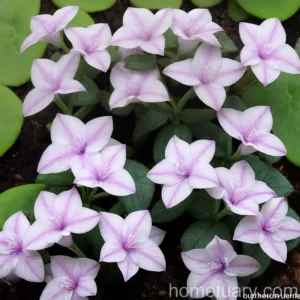
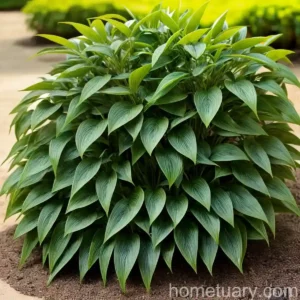
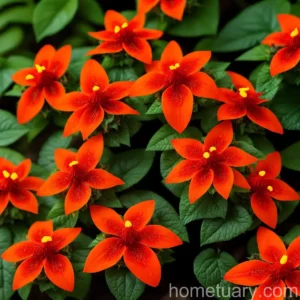
Justicia carnea is a member of the Acanthaceae family and is native to Brazil. It is characterized by its striking, plume-like inflorescences that bear delicate, tubular flowers in shades of pink, coral, or white. The plant’s glossy, lance-shaped leaves provide an attractive backdrop to the colorful blooms, further enhancing its ornamental appeal. As a perennial evergreen shrub, Justicia carnea has the potential to thrive and bloom year-round in favorable conditions.
Key Takeaways – Justicia carnea (Brazilian Plume)
Before delving into the specific care and cultivation practices for Justicia carnea, it’s essential to grasp the essential aspects of this plant. The key takeaways highlight its cultural requirements, uses, and typical maintenance practices.
Culture
Common Name: Brazilian Plume, Flamingo Flower
Botanical Name: Justicia carnea
Family: Acanthaceae
Uses
- Ornamental: Justicia carnea is primarily cultivated for its vibrant, plume-like inflorescences, making it a prized ornamental plant in gardens and landscapes.
- Medicinal: Some traditional medicinal uses have been documented, particularly in Brazilian folk medicine.
Water
Watering Frequency: Regular, moderate watering to maintain consistently moist, but not waterlogged, soil.
Watering Method: Water at the base of the plant to prevent moisture-related diseases and promote efficient water uptake by the roots.
Sunlight
Light Requirements: Prefers bright, indirect light. Can tolerate some morning or late afternoon direct sun but may benefit from protection during the hottest part of the day.
Fertilizer
Fertilization: Apply a balanced, water-soluble fertilizer every 4-6 weeks during the growing season (spring and summer). Reduce or cease fertilization in fall and winter.
Soil
Soil Type: Well-draining, loamy soil with a slightly acidic to neutral pH.
Soil Mix: A combination of peat moss, perlite, and compost can provide the ideal growing medium for Justicia carnea.
Pruning
Pruning Method: Regular deadheading of spent flowers and occasional trimming to shape the plant and encourage bushy growth.
Pruning Frequency: As needed throughout the growing season to maintain a tidy appearance.
Propagation
Propagation Methods: Stem cuttings, division, or seeds.
Propagating Time: Spring or early summer is the ideal time for propagation.
Container Popularity
Suitable for Containers: Yes, Justicia carnea can thrive in containers, making it an excellent choice for indoor or patio gardening.
Container Size: Select a container with adequate drainage and room for root expansion.
Common Diseases
Disease Risk: Susceptible to fungal diseases such as powdery mildew and root rot if grown in overly wet conditions.
Preventive Measures: Proper watering, adequate air circulation, and regular inspection for signs of disease can help prevent common plant ailments.
Disease Diagnosis
Identifying Symptoms: Yellowing or browning of leaves, powdery white residue on foliage, or wilting despite adequate watering can indicate potential disease issues.
Treatment: Adjusting watering practices, improving air circulation, and applying appropriate fungicidal treatments can aid in disease management.
Common Pests
Pest Threat: Mealybugs, aphids, and spider mites are among the common pests that may infest Justicia carnea.
Natural Pest Control: Beneficial insects, such as ladybugs or predatory mites, can aid in controlling pest populations. Insecticidal soaps or horticultural oils may also be used.
Botanist’s Tips
Optimal Temperature Range
Justicia carnea thrives in temperatures ranging from 60°F to 75°F (15°C to 24°C) and can tolerate slightly higher or lower temperatures. Protect the plant from frost or extreme cold.
Humidity Preferences
Maintain moderate to high humidity levels, particularly in drier indoor environments. Periodically mist the plant or use a humidifier to create a suitable microclimate.
Flowering Season
The peak flowering period for Justicia carnea is typically in late spring through early fall, with intermittent blooms possible in favorable conditions.
Wildlife Attraction
The colorful blossoms of Justicia carnea have the potential to attract pollinators such as hummingbirds and butterflies, contributing to the biodiversity of an outdoor garden.
Drought Tolerance
While Justicia carnea appreciates consistent moisture, it can demonstrate some resilience to brief periods of drought once established. However, prolonged drought may lead to stress and reduced flowering.
Container Gardening Considerations
When cultivating Justicia carnea in containers, ensure the chosen pot has ample drainage holes to prevent waterlogging. Use a lightweight, well-aerated potting mix to promote healthy root growth.
Fun Facts
- Justicia carnea is also known as the “Flamingo Plant” due to its resemblance to the vibrant plumage of flamingos when in bloom.
- In its native Brazil, Justicia carnea is a common sight in both botanical gardens and natural landscapes, contributing to the country’s rich floral diversity.
- The tubular flowers of Justicia carnea are particularly attractive to nectar-feeding birds and insects, further enriching its ecological significance.
Links to External Resources
For additional information on Justicia carnea and related topics, consider exploring the following resources:
- Royal Horticultural Society – Justicia carnea
- Missouri Botanical Garden – Justicia carnea
- University of Florida IFAS Extension – Justicia carnea Propagation Guide
- American Society for the Prevention of Cruelty to Animals – Guide to Pet-Safe Gardening
With a foundational understanding of Justicia carnea and its cultural requirements, let’s delve into each aspect of its care and cultivation in detail.
Brazilian Plume Plant Care
Justicia carnea, also known as the Brazilian Plume or Flamingo Flower, is an appealing plant with vibrant, plume-like inflorescences. Whether grown indoors as a houseplant or featured in outdoor landscapes, Justicia carnea can thrive with the right care and attention. In this section, we’ll explore the essential aspects of caring for this colorful botanical specimen, from sunlight and watering requirements to fertilization and propagation methods.
Justicia carnea Characteristics
Before delving into its care requirements, let’s start by understanding the fundamental characteristics of Justicia carnea that make it a sought-after plant for botanical enthusiasts and gardening aficionados.
- Plant Type: Evergreen perennial shrub
- Mature Height: Up to 4-6 feet (120-180 cm) tall
- Foliage: Glossy, lance-shaped leaves with a deep green hue
- Flowers: Plume-like inflorescences bearing tubular, pink, coral, or white flowers
- Hardiness Zone: Suitable for USDA hardiness zones 9-11
Brazilian Plume Plant Watering
Water Requirements
Justicia carnea thrives when the soil is consistently moist but not waterlogged. Understanding its watering needs is essential for maintaining healthy growth and promoting prolific flowering.
- Water the plant when the top inch of the soil feels dry to the touch.
- Apply water at the base of the plant to minimize moisture contact with the foliage and reduce the risk of fungal diseases.
- During the growing season, adjust the frequency of watering to account for environmental factors such as temperature and humidity.
Watering Practices Indoors and Outdoors
- Indoor Care: Potted Justicia carnea plants may require more frequent watering, especially in drier indoor environments. Monitor the soil moisture regularly and water when necessary.
- Outdoor Care: In outdoor settings, monitor the soil moisture closely, particularly during periods of intense heat or dryness. Mulching the soil around the plant can aid in water retention and regulate soil temperature.
Watering Tips
- Use room-temperature water to avoid shocking the plant with extreme temperature differentials.
- Avoid overwatering, as excessively wet conditions can lead to root rot and other moisture-related issues.
- Consider using a moisture meter to gauge the soil moisture accurately, especially for plants grown in containers.
Justicia carnea Sunlight Needs
Light Requirements
Proper light exposure is crucial for the robust growth and blooming of Justicia carnea. Understanding its sunlight needs facilitates selecting the ideal location for the plant in both indoor and outdoor environments.
- Place Justicia carnea in a location with bright, indirect sunlight to encourage healthy growth and abundant flowering.
- Shield the plant from intense midday sun, particularly in regions with hot or arid climates, to prevent leaf scorch and dehydration.
- While Justicia carnea can tolerate some direct morning or late afternoon sun, provide shading during the peak of the day if necessary.
Indoor Sunlight Considerations
- Locate indoor plants near east- or west-facing windows to ensure they receive adequate sunlight without being exposed to excessive heat.
- Rotate potted Justicia carnea periodically to promote uniform growth and prevent the development of etiolated or lopsided foliage due to inadequate light distribution.
Outdoor Light Management
- Assess the outdoor environment to identify a site with partial shade or dappled sunlight, particularly in regions with intense or prolonged sun exposure during the day.
- Consider the natural movement of sunlight across the landscape when selecting the planting location for Justicia carnea to optimize its light intake.
Brazilian Plume Plant Fertilization
Fertilizer Selection
Applying a balanced fertilizer can provide Justicia carnea with the essential nutrients necessary for vigorous growth and prolific flowering. Select a fertilizer with a balanced N-P-K ratio (nitrogen, phosphorus, potassium) and additional micronutrients.
- Choose a water-soluble fertilizer that can be easily distributed and absorbed by the plant’s root system. Dilute the fertilizer to the prescribed concentration to prevent overfeeding.
Fertilization Schedule
- During the active growing season, typically in spring and summer, apply a diluted, balanced fertilizer every 4-6 weeks to support the plant’s nutritional requirements.
- As the plant enters a period of dormancy in fall and winter, reduce or discontinue fertilization to align with its reduced metabolic demands.
Application Best Practices
- Water the plant thoroughly before and after applying fertilizer to facilitate its dispersion into the soil and prevent potential root burning.
- Carefully follow the manufacturer’s instructions regarding the appropriate dosage and frequency of fertilizer application, taking into account the specific composition of the product.
Justicia carnea Soil Requirements
Preferred Soil Type
Justicia carnea thrives in a well-draining, rich soil mix that offers a balanced blend of aeration, moisture retention, and nutrient availability.
- A loamy soil with good drainage properties helps prevent waterlogging and minimizes the risk of root rot, a common concern for plants grown in overly wet conditions.
- The addition of organic matter, such as peat moss or compost, can enhance the soil’s structure and fertility, providing an optimal growing medium for Justicia carnea.
Soil pH Considerations
- Aim for a slightly acidic to neutral soil pH range of around 6.0 to 7.0 to accommodate the plant’s nutrient uptake and root health.
- Regularly testing the soil pH with a commercially available kit can aid in monitoring and adjusting the acidity levels as needed.
Outdoor Planting Considerations
- Prior to planting in the ground, assess the soil drainage on the chosen site to ensure it meets the plant’s requirements. Amending the soil with organic matter can improve its overall quality and structure.
- Consider raised beds or mounds for planting Justicia carnea in areas with suboptimal soil conditions, ensuring the necessary drainage for the plant’s roots.
Justicia carnea Pruning Techniques
Pruning Objectives
Pruning Justicia carnea serves multiple purposes, including enhancing its appearance, managing its size, and rejuvenating the plant for healthy, vigorous growth.
- Deadheading: Removing spent flowers promotes continuous blooming and maintains the plant’s visual appeal. Use clean, sharp pruners to snip off faded blooms near the base of the stem.
- Shaping: Periodic trimming can help maintain a bushy, well-proportioned growth habit, particularly for potted plants or those integrated into formal landscaping designs.
Pruning Guidelines
- Regularly inspect Justicia carnea for wilted or discolored flowers, and promptly remove them to redirect the plant’s energy into producing new blooms.
- Use sanitized pruning tools to minimize the risk of introducing pathogens or causing unnecessary damage to the plant’s tissue during pruning activities.
Brazilian Plume Plant Propagation
Propagation Methods
Justicia carnea can be propagated through several methods, allowing for the expansion of your plant collection or the sharing of its beauty with fellow gardening enthusiasts.
- Stem Cuttings: Select healthy, non-flowering stems and root them in a moist, well-draining rooting medium to establish new plants.
- Division: Divide mature plants during the growing season, ensuring that each division possesses adequate roots and shoots for independent growth.
- Seeds: Harvest and sow seeds from mature Justicia carnea plants to grow a new generation of vibrant blossoms.
Propagation Timing
The ideal time for propagation varies depending on the chosen method and environmental conditions.
- Stem Cuttings: Gather stem cuttings in spring or early summer, when the plant is actively growing and capable of generating roots swiftly.
- Division: Engage in division practices during the growing season to capitalize on the plant’s natural vigor and regenerative potential.
- Seeds: Collect seeds from mature, ripe seedpods and sow them in a suitable germination medium to kick-start the propagation process.
Growing Tips for Justicia carnea
Hummingbird Attractor
Justicia carnea’s tubular flowers are a natural magnet for hummingbirds, which are drawn to the abundant nectar produced by the blossoms.
– Encourage the presence of these delightful pollinators by cultivating Justicia carnea in areas where hummingbirds frequent, such as near feeders or alongside other nectar-rich flowering plants.
Medicinal Uses
In Brazilian traditional medicine, certain parts of the Justicia carnea plant have been utilized for their purported medicinal properties.
– While not a primary reason for its cultivation, it’s intriguing to note the plant’s potential significance in the realm of herbal remedies and folk medicine practices.
Conclusion
Justicia carnea, the Brazilian Plume, is a captivating plant that holds immense decorative and potential medicinal value. By understanding its specific cultural needs, including watering, sunlight, fertilization, soil, pruning, and propagation, gardeners and plant enthusiasts can cultivate and cherish this botanical gem with confidence. Whether as a focal point in a colorful landscape or an elegant addition to indoor green spaces, Justicia carnea’s striking plume-like inflorescences and glossy foliage make it a standout choice for botanical appreciation and gardening enjoyment.
In the upcoming sections, we’ll explore additional facets of Justicia carnea, including its common diseases, natural habitat, and unique characteristics, to expand your knowledge and deepen your appreciation for this remarkable plant.
References:
– Royal Horticultural Society – Justicia carnea
– Missouri Botanical Garden – Justicia carnea
– University of Florida IFAS Extension – Justicia carnea Propagation Guide
– American Society for the Prevention of Cruelty to Animals – Guide to Pet-Safe Gardening