The Fascinating World of Japanese Shield Fern (Dryopteris Erythrosora)
Introduction
Plants play a crucial role in our ecosystem and contribute significantly to the aesthetics of our surroundings. The Japanese shield fern, scientifically known as Dryopteris Erythrosora, is a remarkable plant that can truly enhance the beauty of any landscape or garden. In this comprehensive guide, we will delve into the enchanting world of the Japanese shield fern, exploring its culture, uses, care requirements, and much more.
What is the Japanese Shield Fern (Dryopteris Erythrosora)?
The Japanese shield fern, or Dryopteris erythrosora, is a beautiful evergreen fern that belongs to the Dryopteridaceae family. Originating from East Asia, this fern is appreciated for its elegant fronds and adaptability to various conditions, making it a popular choice among gardeners and landscapers.
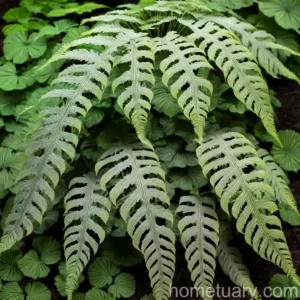
The term “shield fern” is derived from the shape and appearance of the plant’s sori (clusters of spore-forming structures), which resemble miniature shields. The distinctive red-colored young fronds of the Japanese shield fern add a delightful pop of color to any garden, gradually maturing into a luscious green hue.
Key Takeaways – Japanese Shield Fern (Dryopteris Erythrosora)
Before we delve into the intricacies of caring for the Japanese shield fern, let’s highlight some key takeaways about this captivating plant:
- Scientific Name: Dryopteris Erythrosora
- Common Names: Japanese fern, Shield fern, Japanese shield fern
- Usage: Ornamental, landscaping, and gardening
- Characteristics: Evergreen, red young fronds maturing to green, shield-shaped sori
- Adaptability: Well-suited for both indoor and outdoor environments
- Distinctive Traits: Tolerant of shade, attractive foliage, low maintenance
Now that we have a brief overview of the Japanese shield fern, let’s immerse ourselves in the specifics of its culture, uses, and the essential elements contributing to its growth and vitality.
Culture
Understanding the cultural preferences and requirements of the Japanese shield fern is crucial for creating an environment where it can thrive. Let’s explore the essential cultural considerations for this exquisite fern.
Uses
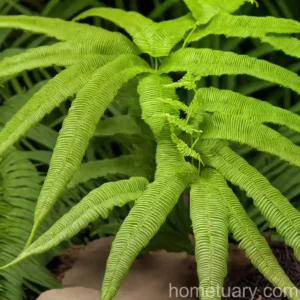
The Japanese shield fern is primarily valued for its ornamental and landscaping purposes. Its gracefully arching fronds and unique coloration make it an eye-catching addition to shaded gardens, woodland areas, and even indoor spaces. This versatile fern is often used in the following settings:
- Shade Gardens: The Japanese shield fern excels in shaded or partially shaded garden areas, bringing a touch of elegance to these environments.
- Woodland Landscapes: Its ability to thrive under the canopies of trees and in woodland settings makes it a popular choice for landscaping in such areas.
- Indoor Settings: Due to its low light requirements, the Japanese shield fern is well-suited for indoor cultivation, adding a refreshing green presence to homes, offices, and other indoor spaces.
Water
Proper watering is essential for the health and vigor of the Japanese shield fern. While this fern exhibits a good tolerance for dry conditions, it thrives best in consistently moist soil. However, overwatering should be avoided to prevent waterlogging, which can lead to root rot. Here are some tips for watering the Japanese shield fern:
- Regular Moisture: Maintain consistently moist soil, allowing the top inch of soil to dry out between waterings.
- Avoid Waterlogging: Ensure proper drainage to prevent standing water around the roots.
- Rainwater Preferred: If possible, use rainwater or distilled water to avoid the accumulation of salts from tap water.
Sunlight
The natural habitat of the Japanese shield fern consists of shaded and partially shaded areas, indicating its preference for low to moderate light conditions. When cultivating this fern, it is important to provide the appropriate amount of sunlight to optimize its growth and vibrancy:
- Shade Tolerance: The Japanese shield fern thrives in shaded settings, making it an ideal choice for areas with limited direct sunlight.
- Indirect Light: Position the fern where it can receive filtered or indirect light, such as under the canopy of trees or in east or north-facing locations.
- Avoid Direct Sun: Protect the fern from direct, intense sunlight, as it can lead to leaf scorching and sun damage.
Fertilizer
Appropriate fertilization can promote the healthy growth and development of the Japanese shield fern. While this fern is not overly demanding in terms of fertilization, providing some nutrients can enhance its overall vitality:
- Organic Matter: Amend the soil with organic matter, such as compost or well-rotted manure, to enrich the soil and provide essential nutrients.
- Moderate Fertilization: Apply a balanced, slow-release fertilizer in spring to support the fern’s growth, following the manufacturer’s recommended dosage.
- Avoid Overfeeding: Refrain from excessive fertilization, as this can lead to salt accumulation and potential damage to the fern.
Soil
The soil composition and quality greatly influence the health and vigor of the Japanese shield fern. Understanding the ideal soil requirements for this fern is crucial in creating an environment where it can thrive:
- Well-Drained Soil: Plant the Japanese shield fern in well-drained, humus-rich soil with good moisture retention.
- pH Level: Aim for a slightly acidic to neutral soil pH, ideally in the range of 5.5 to 7.0.
- Organic Matter: Incorporate organic matter, such as leaf mold or compost, to improve soil structure and fertility.
Pruning
Pruning can help maintain the attractive appearance of the Japanese shield fern and prevent the accumulation of old, unsightly fronds. While this fern generally requires minimal pruning, removing dead or damaged fronds can contribute to its overall aesthetics:
- Remove Old Fronds: Trim away old, browned fronds to encourage the growth of new, healthy foliage.
- Prune Cautiously: Use sharp, clean pruning shears to carefully remove unwanted fronds without damaging the rest of the plant.
- Spring Clean-Up: Perform a light pruning in spring to tidy up the fern and remove any winter-damaged fronds.
Propagation
To propagate the Japanese shield fern and expand its presence in a garden or landscape, several methods can be employed, including division and spore propagation:
- Division: Divide established clumps of the Japanese shield fern in spring, ensuring that each division has a healthy portion of rhizome and fronds.
- Spore Propagation: Collect spores from the fern’s sori and sow them on a suitable substrate to propagate new plants, following specific spore sowing and care instructions.
Container Popularity
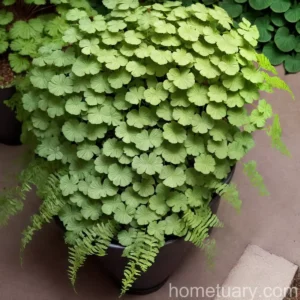
Due to its adaptability and attractive appearance, the Japanese shield fern has gained popularity as a container plant for both indoor and outdoor settings. When cultivated in containers, this fern can bring a refreshing touch of greenery to patios, balconies, and indoor spaces. Its low maintenance requirements and shade tolerance make it an excellent choice for container gardening enthusiasts.
Common Diseases
While the Japanese shield fern is generally resilient, it can be susceptible to certain diseases, especially when grown in unfavorable conditions. Understanding and identifying common diseases can help in implementing appropriate preventive measures and treatments:
Disease Diagnosis
- Rust: The appearance of rusty or brownish spots on the fronds indicates a potential rust infection, which can be addressed through proper sanitation and, if necessary, fungicidal treatments.
- Leaf Spot: Circular or irregular leaf spots can be caused by fungal pathogens, necessitating the removal of affected foliage and the application of approved fungicides.
Common Pests
Pest infestations can pose a threat to the health and vigor of the Japanese shield fern. By staying vigilant and promptly addressing pest issues, it is possible to minimize the impact of these unwanted visitors:
Pests
- Aphids: These small, sap-sucking insects can cluster on the undersides of fronds, causing distorted growth and honeydew secretion. Control measures include insecticidal soaps and natural predators.
- Scale Insects: Scale insects can attach themselves to fronds and stems, feeding on plant sap and leading to weakened growth. Physically removing the pests and applying horticultural oils can help manage infestations.
Botanist’s Tips
As a botanist deeply passionate about the enchanting world of plants, I offer the following tips for cultivating and caring for the Japanese shield fern:
- Shaded Splendor: Take advantage of the Japanese shield fern’s shade tolerance and incorporate it into shaded garden areas or indoor spaces for a touch of green elegance.
- Moisture Management: Ensure consistent moisture levels to promote healthy growth, but avoid waterlogging, which can lead to root rot.
- Prudent Propagation: When propagating the Japanese shield fern, exercise care and patience, whether through division or spore propagation, to establish new, thriving plants.
Fun Facts
Uncovering intriguing and delightful facts about plants can deepen our appreciation for their beauty and diversity. Here are some fun facts about the Japanese shield fern:
- Ancient Origins: Ferns, including the Japanese shield fern, have a rich evolutionary history, dating back millions of years to the Carboniferous period.
- Symbiotic Relationships: Many ferns, including the Japanese shield fern, form symbiotic associations with mycorrhizal fungi, benefiting from enhanced nutrient uptake and resilience.
Links to External Resources
For further exploration of the captivating world of the Japanese shield fern, here are some valuable resources and references:
- Royal Horticultural Society – Dryopteris Erythrosora
- University of Florida IFAS Extension – Dryopteris Erythrosora Fact Sheet
As we conclude our journey into the captivating realm of the Japanese shield fern, I hope this comprehensive guide has provided valuable insights and knowledge about the culture, care, and enchanting attributes of this remarkable plant. Whether in shaded gardens, woodland landscapes, or indoor settings, the Japanese shield fern graces its surroundings with timeless elegance and vibrant greenery.
By Plant Scientist H. Johnson