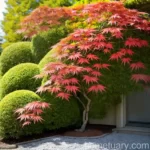
Japanese Maple (Acer palmatum ‘Shishigashira’): A Complete Guide for Cultivation and Care
The Japanese maple, scientifically known as Acer palmatum ‘Shishigashira’, is a stunning and highly popular ornamental plant highly revered for its vibrant foliage and striking appearance. Its unique characteristics make it a desirable addition to gardens, landscapes, and even container gardens. In this comprehensive guide, we will delve into the cultivation, care, and maintenance of this beautiful plant, covering various aspects such as culture, uses, water and sunlight requirements, fertilizer, soil, pruning, propagation, common diseases, pests, and much more.
What is the Japanese Maple (Acer palmatum ‘Shishigashira’)?
The Japanese maple, Acer palmatum ‘Shishigashira’, is a cultivar of the species Acer palmatum. This deciduous shrub or small tree is renowned for its distinctively dense and compact growth habit, along with its captivating foliage that transforms into vibrant hues during the autumn season. The unique feature of ‘Shishigashira’ is its foliage, which is heavily serrated and appears almost like the mane of a lion, hence its name, which translates to “lion’s head” in Japanese.
The ‘Shishigashira’ maple typically grows to a height of 8-12 feet (2.4-3.7 meters) with a spread of 6-10 feet (1.8-3 meters), making it a suitable choice for smaller gardens and landscaping projects.
Key Takeaways – Japanese Maple (Acer palmatum ‘Shishigashira’)
Before we delve into the specifics of cultivating and caring for the Japanese maple, let’s briefly summarize the key takeaways of this remarkable plant:
- Scientific Name: Acer palmatum ‘Shishigashira’
- Growth Habit: Deciduous shrub or small tree
- Characteristics: Lion’s head-shaped foliage, vibrant autumn colors
- Size: 8-12 feet (2.4-3.7 meters) in height, 6-10 feet (1.8-3 meters) in spread
- Application: Ideal for gardens, landscapes, and container gardening
- Distinct Feature: Dense and compact growth habit
Now, let’s explore the various aspects of cultivating and caring for this captivating plant.
Culture
Uses
The Japanese maple, Acer palmatum ‘Shishigashira’, holds significant ornamental value due to its striking foliage and compact form, making it a versatile and sought-after plant for various applications, including:
- Gardens: ‘Shishigashira’ serves as an excellent focal point in both traditional and contemporary garden designs, adding visual interest and a sense of elegance.
- Landscapes: Its compact size and captivating foliage make it an ideal choice for landscaping, particularly in smaller spaces or as part of a mixed shrub border.
- Container Gardening: The ‘Shishigashira’ maple is well-suited for container gardening, allowing enthusiasts to enjoy its beauty on patios, balconies, or any confined outdoor spaces.
- Fall Foliage Display: The vibrant autumn colors of the foliage make it a stunning addition to seasonal landscape displays, offering a touch of drama and warmth.
Water
Adequate and consistent watering is essential for the health and vitality of the Japanese maple, Acer palmatum ‘Shishigashira’. Here are the key considerations related to watering this plant:
- Young Plants: Newly planted or young ‘Shishigashira’ maples require regular watering, particularly during dry periods, to establish a strong root system. Ensure the soil remains consistently moist, but not waterlogged, during the initial growth stage.
- Mature Plants: Established ‘Shishigashira’ maples have moderate water needs. During prolonged dry spells, it’s crucial to provide supplemental watering, especially in well-draining soils, to prevent moisture stress and maintain the plant’s vigor.
- Natural Rainfall: Monitor natural rainfall patterns and adjust watering frequency accordingly. While ‘Shishigashira’ maples prefer moist soil, they are susceptible to root rot if the soil remains excessively wet for prolonged periods.
Sunlight
Proper sunlight exposure is paramount for the healthy growth and development of the Japanese maple, Acer palmatum ‘Shishigashira’. Consider the following sunlight requirements for this plant:
- Light Conditions: ‘Shishigashira’ maples thrive in partial shade to full sun, especially in regions with hot summers. Partial shade is particularly beneficial in protecting the foliage from scorching in intense sunlight.
- Morning Sun: Position the plant in a location that receives morning sunlight and partial shade in the afternoon to ensure it receives adequate light without being subjected to prolonged periods of intense sun exposure.
- Shade Tolerance: While ‘Shishigashira’ can tolerate partial shade, extended periods of low light can result in reduced foliage density and diminished growth.
Fertilizer
Appropriate fertilization is integral to promoting the vigor and overall health of the Japanese maple, Acer palmatum ‘Shishigashira’. Here are the key considerations for fertilizing this plant:
- Timing: Apply a balanced, slow-release fertilizer in early spring before the onset of new growth to provide essential nutrients for the upcoming growing season.
- Application Rate: Use a fertilizer specifically formulated for acid-loving plants, and follow the manufacturer’s guidelines for application rates based on the size and age of the plant.
- Avoid Overfertilization: Excessive fertilization can lead to foliage burn and may negatively impact the overall health of the plant. Carefully measure and apply the fertilizer as directed to avoid overfeeding.
Soil
The soil composition plays a crucial role in the growth and performance of the Japanese maple, Acer palmatum ‘Shishigashira’. Consider the following soil requirements when cultivating this plant:
- Well-Draining Soil: ‘Shishigashira’ maples prefer well-draining, slightly acidic soil with a pH range of 5.5 to 6.5. Amending heavy or compacted soils with organic matter can improve drainage and create an optimal growing environment.
- Moisture Retention: While good drainage is essential, the soil should also retain moisture to support the plant’s water needs. Incorporating organic mulch around the base of the plant helps conserve soil moisture and regulates soil temperature.
- Soil Texture: A loamy soil texture is preferable for ‘Shishigashira’ maples, providing a balanced mixture of sand, silt, and clay that promotes healthy root development and overall plant growth.
Pruning
Pruning is an essential horticultural practice that contributes to the overall form, aesthetics, and health of the Japanese maple, Acer palmatum ‘Shishigashira’. Consider the following guidelines for pruning this plant:
- Pruning Time: Perform pruning during the dormant season in late winter to early spring, before new growth emerges. This timing minimizes stress on the plant and allows for optimal healing of pruning wounds.
- Dead or Diseased Wood: Remove any dead, damaged, or diseased branches to enhance the plant’s health and appearance. Make clean, angled cuts close to the branch collar to facilitate efficient healing.
- Thinning and Shaping: Thinning out congested or crossing branches helps improve air circulation and light penetration within the canopy, promoting overall growth and vigor. Additionally, lightly shaping the plant can enhance its visual appeal and structural integrity.
Propagation
The propagation of the Japanese maple, Acer palmatum ‘Shishigashira’, can be achieved through various methods, including seed propagation and vegetative propagation techniques such as grafting and softwood cuttings.
Seed Propagation
While ‘Shishigashira’ maples produce seeds, propagating them from seed is a time-consuming process, often resulting in variations in the offspring. However, if you are interested in seed propagation, consider the following steps:
- Harvest freshly ripened seeds from the parent plant during the fall.
- Prepare a well-draining, seed-starting mixture in seed trays or containers.
- Sow the seeds at a shallow depth and cover with a thin layer of the growing medium.
- Keep the soil consistently moist and maintain a warm, germination-friendly environment. The seeds may take several months to germinate.
Vegetative Propagation
Vegetative propagation methods, such as grafting and softwood cuttings, offer a more reliable way to preserve the specific characteristics of the ‘Shishigashira’ cultivar in the offspring.
Grafting
Grafting involves joining the desired ‘Shishigashira’ cultivar (known as the scion) onto a compatible rootstock to produce a genetically identical plant. The following steps outline the general process of grafting Japanese maples:
- Select healthy, disease-free rootstock that is compatible with the ‘Shishigashira’ scion.
- Prepare the scion by making a clean, angled cut at the base and matching it to the rootstock using a compatible grafting technique, such as side grafting or whip-and-tongue grafting.
- Secure the graft union and protect it from dehydration and pathogens during the healing process.
Softwood Cuttings
Softwood cuttings present another viable method for propagating ‘Shishigashira’ maples, particularly during the active growing season. Here’s a general outline of the softwood cutting propagation process:
- Select healthy, non-flowering shoots from the parent plant and take softwood cuttings that are 4-6 inches long.
- Remove the lower leaves from the cuttings and dip the bases in a rooting hormone to promote root development.
- Plant the cuttings in a well-draining propagation medium and maintain a high humidity environment to facilitate root formation.
Container Popularity
The Japanese maple, Acer palmatum ‘Shishigashira’, is prized for its adaptability to container gardening, allowing individuals with limited outdoor space to enjoy its beauty on patios, terraces, or even balconies. The striking foliage and compact growth habit make it an ideal candidate for container planting, offering a range of creative opportunities for enthusiasts to showcase this captivating plant in confined spaces.
Container Selection
When selecting a container for ‘Shishigashira’ maples, consider the following factors to ensure optimal growth and performance:
- Size: Choose a container that provides ample room for the root system to develop, promoting stability and overall health. A container with a diameter of 18-24 inches is generally suitable for young plants, while larger, more mature specimens may require larger containers.
- Drainage: Opt for containers with adequate drainage holes to prevent waterlogging and ensure proper aeration of the root zone. Additionally, consider using a well-draining potting mix to support healthy root development.
- Material: Select a durable, weather-resistant container material such as fiberglass, concrete, or high-grade plastic to withstand outdoor conditions and provide long-term support for the plant.
Maintenance Considerations
Container-grown ‘Shishigashira’ maples require specific care and maintenance practices to thrive in a confined environment:
- Watering: Monitor the moisture levels in the container, ensuring that the soil remains consistently moist, but not waterlogged. Container plants may require more frequent watering, especially during hot periods.
- Fertilization: Apply a balanced, slow-release fertilizer according to the recommended dosage to support the plant’s nutrient needs, particularly during the active growing season.
- Root Pruning: Periodically check the root system and consider root pruning or repotting the plant to prevent root binding and maintain healthy root development.
- Winter Protection: Provide adequate protection for container plants during the winter months, insulating the pot and roots from freezing temperatures to mitigate potential damage.
Common Diseases
While the Japanese maple, Acer palmatum ‘Shishigashira’, is relatively resilient, it is susceptible to certain diseases that can diminish its visual appeal and affect overall health. Understanding the common diseases and their management strategies is crucial for maintaining the plant’s vigor.
Disease Diagnosis
Several diseases can affect ‘Shishigashira’ maples, including the following notable conditions:
- Anthracnose: Fungal diseases, such as anthracnose, can lead to the development of brown lesions on the foliage, causing premature leaf drop and diminishing the plant’s ornamental value.
- Verticillium Wilt: This soil-borne fungal disease can cause wilting, leaf discoloration, and dieback in affected plants, potentially leading to severe decline and mortality.
- Leaf Spot: Various fungal and bacterial pathogens can cause leaf spot, resulting in the formation of dark spots on the foliage and potential defoliation if left untreated.
Disease Management
To effectively manage and prevent diseases in ‘Shishigashira’ maples, consider the following preventative and control measures:
- Cultural Practices: Implement cultural practices that promote overall plant health, including proper watering, adequate spacing, and regular sanitation to reduce disease pressure.
- Pruning: Prune out and remove any affected or dead branches to minimize the spread of fungal and bacterial diseases within the plant.
- Fungicidal Treatments: If necessary, apply fungicidal treatments following the manufacturer’s recommendations to combat specific fungal diseases and protect the plant from further infection.
- Soil Sterilization: Where applicable, practice soil sterilization to reduce the presence of soil-borne pathogens and minimize the risk of diseases such as verticillium wilt.
Common Pests
Various pests can pose a threat to the Japanese maple, Acer palmatum ‘Shishigashira’, potentially compromising its growth and aesthetics. Vigilant monitoring and timely intervention are essential for effective pest management.
Pest Identification
Key pests that can impact ‘Shishigashira’ maples include:
- Aphids: These sap-sucking insects can colonize the foliage and young shoots, causing distortion of new growth and leaving behind a sticky residue known as honeydew.
- Scale Insects: Scale insects can infest the stems and branches of the plant, feeding on sap and potentially leading to weakened growth and dieback.
- Caterpillars: Certain caterpillar species may feed on the foliage of ‘Shishigashira’ maples, causing visible defoliation and aesthetic damage.
Pest Control
Implement the following integrated pest management strategies to mitigate pest infestations and protect the health of the plant:
- Natural Predators: Encourage the presence of natural predators, such as ladybugs and predatory wasps, which can help control aphid populations and maintain pest balance.
- Horticultural Oils: Apply horticultural oils during the dormant season to suffocate and eliminate scale insects, effectively reducing their numbers and preventing damage to the plant.
- Biological Controls: Explore the use of biological control agents, such as Bacillus thuringiensis (Bt) for caterpillar management, offering targeted and environmentally friendly pest control solutions.
Botanist’s Tips
As a plant scientist specializing in horticulture and ornamental plants, I have some valuable tips to share for cultivating and caring for the Japanese maple, Acer palmatum ‘Shishigashira’:
- Site Selection: When planting ‘Shishigashira’ maples, carefully select a site with well-draining soil, partial shade, and protection from strong winds to promote optimal growth.
- Leaf Display: Embrace the seasonal transformation of the foliage, from its lush green appearance to the breathtaking hues of fall, to fully appreciate the ornamental value of this cultivar.
- Pruning Technique: Use sharp, sterilized pruning tools to make clean cuts and avoid over-pruning, as ‘Shishigashira’ maples benefit from minimal intervention and retain their natural beauty.
- Disease Prevention: Implement proactive measures to prevent diseases, including proper sanitation, balanced watering, and appropriate spacing, to maintain the plant’s health and vigor.
- Pest Monitoring: Regularly monitor for signs of pest activity and intervene promptly if pest populations exceed tolerable levels, utilizing targeted and environmentally conscious control methods.
Fun Facts
To further enrich your knowledge and appreciation for the Japanese maple, Acer palmatum ‘Shishigashira’, here are some intriguing and lesser-known facts about this captivating plant:
- Cultural Significance: Japanese maples hold cultural significance in Japanese and East Asian traditions, symbolizing grace, beauty, and tranquility.
- Ancient Cultivation: The cultivation of Japanese maples can be traced back to ancient horticultural practices, dating as far back as the Heian period in Japan (794-1185 AD).
- Collector’s Item: Certain rare and prized cultivars of Japanese maples are highly sought after by enthusiasts and collectors, with some specimens commanding significant value in the horticultural market.
- Artistic Inspiration: The mesmerizing foliage of ‘Shishigashira’ maples has inspired various art forms, including paintings, illustrations, and bonsai designs, showcasing its aesthetic allure.
Links to External Resources
For further exploration and in-depth information about Japanese maple (Acer palmatum ‘Shishigashira’) and gardening, consider consulting the following reputable external resources:
- The American Horticultural Society (AHS) – Japanese Maples: The Complete Guide to Selection and Cultivation
- Royal Horticultural Society (RHS) – Japanese Maples: A Practical Guide
- University of Connecticut Plant Database – Acer palmatum “Shishigashira”
By incorporating scientific knowledge, practical tips, and interesting facts, this comprehensive guide aims to provide a thorough understanding of the Japanese maple, Acer palmatum ‘Shishigashira’, and equip enthusiasts with the insights needed to cultivate, care for, and appreciate this remarkable ornamental plant. Whether it’s flourishing in a garden, gracing a landscape, or thriving in a container, the ‘Shishigashira’ maple delivers an exceptional display of nature’s beauty, enriching outdoor spaces with its captivating presence.