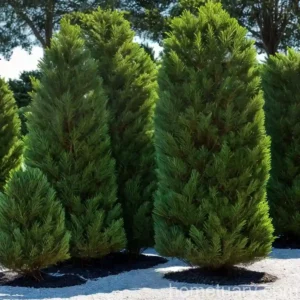
Understanding the Japanese Falsecypress (Chamaecyparis pisifera ‘Curly Tops’)
Plants are essential for life on Earth and come in a diverse array of species, each with its own unique characteristics and requirements for healthy growth. In this comprehensive guide, we will delve into the world of the Japanese falsecypress (Chamaecyparis pisifera ‘Curly Tops’), exploring its cultural significance, characteristics, uses in landscapes, maintenance requirements, common diseases, and much more.
What is the Japanese Falsecypress (Chamaecyparis pisifera ‘Curly Tops’)?
The Japanese falsecypress, scientifically known as Chamaecyparis pisifera ‘Curly Tops’, is a stunning evergreen conifer that belongs to the Cupressaceae family. This ornamental plant is native to Japan and is cherished for its graceful foliage and elegant form, making it a popular choice for landscaping and ornamental gardening.
Key Takeaways – Japanese Falsecypress (Chamaecyparis pisifera ‘Curly Tops’)
Before we delve deeper into the specifics of Japanese falsecypress care, propagation, and landscaping, let’s summarize the key takeaways below.
- Common Name: Japanese Falsecypress, Curly Tops
- Scientific Name: Chamaecyparis pisifera ‘Curly Tops’
- Water Requirements: Regular watering, prefers moist soil
- Sunlight Needs: Partial to full sun
- Fertilizer: Balanced fertilizer in spring
- Soil Preferences: Well-draining, fertile soil
- Pruning: Occasional pruning to shape and maintain size
- Propagation: Through seeds or cuttings
- Container Gardening: Well-suited for containers
- Common Diseases: Phytophthora root rot, canker diseases
- Common Pests: Bagworms, spider mites
- Growth Rate: Moderate
- Winter Hardiness: Suitable for USDA hardiness zones 4-8
Now, let’s explore each of these aspects in detail to gain comprehensive insights into the care and cultivation of the Japanese falsecypress.
Culture
Understanding the cultural requirements of the Japanese falsecypress is essential for fostering its optimal growth and ensuring its vitality in landscaping and gardens.
- USDA Hardiness Zones: The Japanese falsecypress is well-suited for USDA hardiness zones 4-8, thriving in temperate climates with distinct seasons.
- Water: Adequate moisture is vital for the Japanese falsecypress, and it prefers consistently moist soil. Proper watering is crucial, especially during dry spells, to support its lush foliage and overall health.
- Sunlight: This ornamental conifer thrives in partial to full sun, requiring at least 6 hours of direct sunlight for optimal growth and development.
- Fertilizer: Applying a balanced fertilizer in spring can provide the necessary nutrients to support healthy foliage and growth. It’s important to follow the recommended dosage and application guidelines for ornamental conifers.
Uses
The Japanese falsecypress holds significant value in landscaping, horticulture, and ornamental gardening, offering a range of applications and benefits.
- Landscape Ornament: Its graceful form, striking foliage, and elegant texture make the Japanese falsecypress an ideal choice for ornamental landscapes, adding visual interest and year-round appeal.
- Privacy Screen: Due to its dense foliage and upright growth habit, the Japanese falsecypress can be utilized as a privacy screen or natural fencing, providing a green barrier in outdoor spaces.
- Container Planting: Its moderate size and adaptability make it suitable for container gardening, allowing individuals to enjoy its beauty on patios, decks, or small garden spaces.
Water
Adequate watering is essential for the Japanese falsecypress to support its lush foliage and overall health. Understanding its water requirements is crucial for maintaining thriving plants in gardens and landscapes.
- Regular Watering: The Japanese falsecypress prefers consistently moist soil, and regular watering is essential, especially during dry periods, to prevent stress and dehydration.
- Soil Moisture: It’s important to monitor soil moisture levels and ensure that the root zone remains adequately hydrated without becoming waterlogged, which can lead to root rot and other issues.
- Mulching: Applying a layer of organic mulch around the base of the plant can help retain soil moisture, regulate temperature, and suppress weed growth.
Sunlight
Proper sunlight exposure is vital for the Japanese falsecypress to promote healthy growth and vibrant foliage. Understanding its sunlight requirements is crucial for successful cultivation.
- Partial to Full Sun: The Japanese falsecypress thrives in partial to full sun, requiring at least 6 hours of direct sunlight daily for optimal growth.
- Sun Exposure: When selecting a planting location, ensure that the Japanese falsecypress receives adequate sunlight, particularly in the morning and early afternoon, to support its photosynthetic processes.
Fertilizer
Fertilization plays a key role in providing essential nutrients for the Japanese falsecypress, promoting vigorous growth and lush foliage.
- Balanced Fertilizer: Applying a balanced fertilizer in spring can support the plant’s nutritional needs, providing essential macro and micronutrients for healthy development.
- Application Guidelines: Follow the manufacturer’s recommendations regarding dosage, frequency, and application methods when fertilizing ornamental conifers such as the Japanese falsecypress.
Soil
Well-draining and fertile soil is crucial for the Japanese falsecypress, supporting its root development and overall vitality. Understanding its soil preferences is essential for successful cultivation.
- Well-Draining Soil: The Japanese falsecypress thrives in well-draining soil that prevents waterlogging and ensures adequate aeration for the roots.
- Soil pH: It prefers slightly acidic to neutral soil pH, typically in the range of 5.5 to 7.0, to support optimal nutrient absorption and root health.
- Organic Matter: Amending the soil with organic matter, such as compost or peat moss, can enhance soil fertility and structure, providing a conducive environment for the plant’s growth.
Pruning
Occasional pruning is necessary to shape and maintain the size of the Japanese falsecypress, promoting an attractive form and preventing overcrowding in landscapes and gardens.
- Pruning Time: Prune the Japanese falsecypress in early spring or late winter before the new growth emerges, allowing the plant to recover and regrow after pruning.
- Shaping: Trim any overgrown or wayward branches to maintain a balanced and symmetrical form, enhancing the plant’s aesthetic appeal.
- Sanitation: Use sharp and clean pruning tools to minimize the risk of disease transmission, and promptly remove any dead or diseased branches to promote plant health.
Propagation
Understanding the propagation methods for the Japanese falsecypress enables horticulturists and gardening enthusiasts to expand their plant collection and cultivate new specimens.
- Seed Propagation: Sow seeds in a well-draining seed-starting mix, maintaining consistent moisture and warmth to promote germination. It’s important to note that seed-grown specimens may exhibit genetic variability due to cross-pollination in the wild.
- Cuttings: Softwood or hardwood cuttings can be used to propagate the Japanese falsecypress, with varying success rates depending on the chosen propagation method. Ensure that the cuttings receive adequate moisture and environmental conditions favorable for root development.
Container Popularity
The Japanese falsecypress is well-suited for container gardening, offering an array of benefits and opportunities for individuals with limited garden space or those seeking ornamental plants for patios and outdoor areas.
- Moderate Size: Its moderate growth habit and size make the Japanese falsecypress ideal for containers, allowing individuals to enjoy its beauty in a portable and versatile manner.
- Patio Ornament: Utilize container-grown Japanese falsecypress plants as striking ornamental features on patios, decks, and balconies, adding a touch of greenery to outdoor living spaces.
- Versatility: Container planting provides the flexibility to move and rearrange the Japanese falsecypress, catering to changing preferences and design aesthetics.
Common Diseases
As with any plant, the Japanese falsecypress is susceptible to certain diseases that can impact its growth and overall vitality. Understanding common diseases and their diagnosis is crucial for effective disease management.
- Phytophthora Root Rot: This fungal disease can cause root decay and wilt symptoms in affected plants. Implementing proper drainage and avoiding overwatering can help prevent phytophthora root rot.
- Canker Diseases: Various canker pathogens can affect the Japanese falsecypress, leading to dieback, sunken lesions, and bark discoloration. Pruning affected branches and practicing good sanitation can help manage canker diseases.
Disease Diagnosis
Accurately diagnosing plant diseases is essential for implementing targeted management strategies and preserving the health of the Japanese falsecypress.
- Symptom Observation: Monitor the plant for signs of wilting, browning foliage, cankers, or unusual lesions, which can indicate the presence of diseases.
- Professional Consultation: If uncertain about the cause of symptoms, seek the expertise of a plant pathologist or horticultural professional to diagnose and address the issue effectively.
Common Pests
Pest infestations can pose a threat to the Japanese falsecypress, requiring vigilant monitoring and prompt intervention to mitigate potential damage.
- Bagworms: These caterpillars can construct dangling bags on the foliage of the Japanese falsecypress, feeding on the needles and potentially defoliating the plant. Handpicking the bags and applying appropriate insecticidal treatments can help manage bagworms.
- Spider Mites: These minuscule pests can cause stippling and webbing on the foliage of the Japanese falsecypress, impacting its overall aesthetic appeal. Regularly inspect the plant for spider mite activity and deploy suitable control measures as needed.
Botanist’s Tips
Horticultural experts and botanists often share valuable insights and tips for cultivating the Japanese falsecypress, harnessing their expertise to ensure successful plant care and management.
- Environmental Considerations: Assess the site conditions, including soil composition, drainage, and sunlight exposure, to ensure they align with the Japanese falsecypress’s cultural requirements.
- Pruning Best Practices: Adhere to proper pruning techniques and timing, shaping the plant while minimizing stress and maintaining its natural form.
- Integrated Pest Management: Implement an integrated approach to pest management, incorporating cultural, mechanical, and biological control methods to maintain pest populations at acceptable levels.
Fun Facts
Discovering intriguing and noteworthy facts about the Japanese falsecypress adds depth to our understanding and appreciation of this ornamental plant species.
- Symbolism: In Japanese gardens and culture, the Japanese falsecypress holds symbolic significance, representing longevity, resilience, and tranquility.
- Aesthetic Value: Its delicate, thread-like foliage and graceful form contribute to its allure as a distinctive and captivating ornamental plant in landscapes and gardens.
Links to External Resources
For in-depth exploration and additional information about the Japanese falsecypress, refer to the following external resources:
In conclusion, the Japanese falsecypress (Chamaecyparis pisifera ‘Curly Tops’) stands out as a captivating and versatile ornamental plant with a rich cultural heritage and a range of practical and aesthetic uses. By understanding its key care requirements, propagation methods, and landscape applications, horticulturists and gardening enthusiasts can embrace the beauty and enduring charm of this remarkable conifer.
With its elegant form, vibrant foliage, and symbolic resonance, the Japanese falsecypress continues to captivate individuals and enrich outdoor spaces with its enduring presence and visual allure.
References
1. American Conifer Society. “Home – American Conifer Society.” https://conifersociety.org/
2. The Royal Horticultural Society. “Chamaecyparis pisifera ‘Curly Tops’.” https://www.rhs.org.uk
This blog post is for informational purposes only, and readers are advised to consult local gardening experts and horticultural resources for specific plant care and management recommendations tailored to their respective environments and conditions.