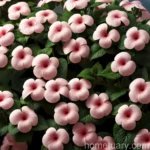
Impatiens pallida (Yellow Jewelweed): A Fascinating Native Flowering Plant
In the world of plants, Impatiens pallida, commonly known as Yellow Jewelweed, is a truly fascinating specimen. With its delicate yellow flowers and unique properties, this native plant has captured the attention of both garden enthusiasts and those interested in its cultural and medicinal uses. In this comprehensive guide, we will explore everything there is to know about Impatiens pallida, from its culture and uses to its habitat and conservation status.
Key Takeaways
Before delving into the specifics of Impatiens pallida, let’s highlight some key takeaways about this captivating plant.
- Plant Name: Impatiens pallida, commonly known as Yellow Jewelweed
- Other Names: Pale touch-me-not, Balsamweed
- Family: Impatiens family
- Species: Jewelweed species
- Habitat: Native flowering plant, commonly found in moist woodlands and along streams
- Uses: Medicinal uses, landscaping, herbal remedy, natural dye source
- Characteristics: Yellow-flowered, fast-growing, attractive to pollinators
- Popularity: Commonly used in traditional medicine and skincare products, increasingly popular in native gardens
- Conservation: Endangered status, with ongoing conservation efforts
Now that we have a glimpse of what Impatiens pallida entails, let’s dive deeper into its culture, uses, habitat, and more.
What is Impatiens pallida?
Impatiens pallida, also known as Yellow Jewelweed, is a species of flowering plant in the Balsaminaceae family. This herbaceous annual plant is native to North America, where it thrives in moist woodlands, along streams, and in other locations with rich, damp soil. The common names “Yellow Jewelweed” and “Pale touch-me-not” are derived from the distinctive appearance of its bright yellow flowers and its seed pods, which burst open when touched, scattering seeds in all directions.
Impatiens pallida Characteristics
To recognize Impatiens pallida in the wild or in a garden setting, it’s essential to familiarize yourself with its key characteristics:
- Flowers: Yellow, spurred, and often with reddish-brown spots in the throat
- Leaves: Oblong-lanceolate, with serrated edges and a water-repellent surface
- Height: Typically grows to a height between 3 and 5 feet
- Habitat: Thrives in moist, shaded environments, often found near water sources
- Fruit: Explosive seed pods, which disperse seeds when touched
Now that we have an understanding of the basic characteristics of Impatiens pallida, we can explore how to cultivate and care for this unique plant.
Culture
Understanding the cultural requirements of Impatiens pallida is crucial for successfully growing and maintaining this native flowering plant. From its water and sunlight needs to soil requirements and fertilizer application, let’s delve into the cultural aspects of cultivating Yellow Jewelweed.
Water
Impatiens pallida, like many plants that naturally occur in moist environments, has high water needs. Adequate moisture is essential for the health and vigor of this species, especially during hot and dry periods. While Yellow Jewelweed can tolerate wet conditions, it is important to ensure good drainage to prevent waterlogging of the soil.
Watering Tips:
- Consistent Moisture: Maintain consistently moist soil, but avoid overwatering.
- Mulching: Apply a layer of organic mulch to help retain soil moisture and regulate its temperature.
Sunlight
In its natural habitat, Impatiens pallida is often found in shaded or partially shaded locations, where it thrives in the dappled light of the forest understory. When cultivated, it is important to provide similar light conditions to mimic its natural habitat.
Sunlight Requirements:
- Shade: Plant in an area with dappled or partial shade, especially during the hottest part of the day.
- Indoor Cultivation: If growing indoors, ensure exposure to bright, indirect light.
Fertilizer
While Yellow Jewelweed can grow vigorously in its preferred habitat without the need for fertilization, incorporating organic matter into the soil can promote optimal growth and flowering. When cultivating Impatiens pallida in a garden or container, the application of a balanced, slow-release fertilizer can support its nutritional needs.
Fertilizing Guidelines:
- Organic Matter: Amend soil with organic compost or well-rotted manure to enhance soil fertility.
- Balanced Fertilizer: Use a balanced, slow-release fertilizer, following the manufacturer’s instructions for application rates.
Soil
The right soil composition is vital for ensuring the well-being of Impatiens pallida. Given its native habitat in rich, damp woodlands, replicating these conditions in a garden setting is essential for the successful cultivation of Yellow Jewelweed.
Soil Requirements:
- Moist, Well-Draining Soil: Use a rich, loamy soil that retains moisture but is well-draining.
- Organic Matter: Incorporate organic matter to improve soil structure and fertility.
Pruning
Pruning can be beneficial for shaping and maintaining the growth of Impatiens pallida, especially in a garden or landscaping context. While Yellow Jewelweed typically has a bushy growth habit with multiple stems, occasional pruning can help manage its size and promote a more compact form.
Pruning Techniques:
- Deadheading: Remove spent flowers to encourage continued blooming.
- Thinning: Thin out crowded growth to improve air circulation and light penetration.
Now that we have covered the cultural aspects of cultivating Impatiens pallida, let’s move on to how this native plant can be propagated and its uses.
Uses
Impatiens pallida is revered for its multifaceted uses, ranging from medicinal applications to its role in landscaping and conservation efforts. Learn about the diverse uses of Yellow Jewelweed and how this native flowering plant contributes to various spheres, including traditional medicine, natural dye production, and ecological restoration.
Medicinal Uses
The traditional use of Impatiens pallida in herbal medicine is perhaps one of its most renowned applications. Native American tribes such as the Ojibwa and Potawatomi have historically utilized Yellow Jewelweed for various medicinal purposes, recognizing its potential for alleviating skin irritations and other ailments. The stems and leaves of the plant are particularly valued for their natural antipruritic and anti-inflammatory properties.
Within the realm of botanical medicine, Impatiens pallida has been employed as a natural remedy for skin conditions such as:
- Poison Ivy Rash: The juice from the stems and leaves is often used to relieve the itching and discomfort associated with poison ivy rash.
- Insect Bites: Applications of Yellow Jewelweed extracts may soothe the effects of insect bites and stings.
- Minor Wounds: Infusions and poultices made from the plant have been utilized to promote the healing of minor cuts and abrasions.
The ethnomedicinal use of Impatiens pallida as a skin-soothing agent has persisted through generations, leading to its incorporation in various contemporary skincare products and preparations.
Natural Dye Source
Beyond its medicinal properties, Impatiens pallida holds significance as a natural dye source, offering a palette of yellow and light green hues. The vibrant flowers of Yellow Jewelweed contain pigments that can be extracted and used to dye fabrics and fibers, adding to the plant’s cultural and historical importance.
Landscaping
Yellow Jewelweed is increasingly being recognized for its ornamental value in landscaping, particularly in naturalistic or wildlife gardens. Its graceful form, attractive flowers, and appeal to pollinators make it a valuable addition to gardens aiming to support native wildlife and enhance biodiversity. The plant’s ability to thrive in shaded conditions further contributes to its appeal as a landscaping element for woodland gardens and other similar settings.
Ecological Restoration
As a native species, Impatiens pallida plays a role in ecological restoration efforts aimed at preserving and enhancing natural ecosystems. When cultivated and reintroduced to suitable habitats, Yellow Jewelweed can contribute to the restoration of stream banks and shaded woodlands, bolstering the diversity and resilience of these ecosystems.
Now that we have explored the diverse uses of Impatiens pallida, let’s delve into the propagation techniques and considerations for cultivating this species.
Propagation
Understanding the propagation methods for Impatiens pallida is essential for expanding its presence in gardens, supporting conservation efforts, and harnessing its potential for various uses. Whether through seeds or vegetative propagation, the ability to propagate Yellow Jewelweed is critical for its continued cultivation and preservation.
Seed Propagation
Propagating Impatiens pallida from seeds is a straightforward and successful method, offering an opportunity to grow new plants and contribute to conservation initiatives.
Seed Propagation Steps:
- Harvesting Seeds: Collect mature seed capsules once they have dried and turned brown.
- Sowing Seeds: Sow the seeds in a prepared seedbed or container with a suitable growing medium.
- Germination: Keep the growing medium consistently moist to support seed germination.
- Transplanting: Once the seedlings have developed several true leaves, transplant them to their final growing positions.
Vegetative Propagation
In addition to seed propagation, Impatiens pallida can be propagated through vegetative means, such as stem cuttings, to ensure genetic diversity and facilitate the cultivation of specific plant traits.
Stem Cutting Propagation:
- Selecting Cuttings: Choose healthy, non-flowering stems for cuttings, typically taken in the spring or early summer.
- Preparing Cuttings: Trim the cutting to include several leaf nodes and remove lower leaves to reduce moisture loss.
- Rooting Cuttings: Place the cuttings in a moist, well-draining rooting medium and keep them in a warm, bright location to encourage root development.
- Transplanting: Once roots have developed, transplant the cuttings into individual pots or the desired growing site.
Through these propagation methods, individuals and conservation organizations can contribute to the propagation of Impatiens pallida, supporting its conservation and introducing this valuable plant to new environments.
Container Popularity
The allure of Impatiens pallida extends to container gardening, where its graceful form, attractive flowers, and ecological value make it a desirable addition to outdoor spaces. Cultivating Yellow Jewelweed in containers presents an opportunity to appreciate its beauty up close and introduce it to landscapes where its native habitat may not naturally occur.
Container Requirements
When cultivating Impatiens pallida in containers, certain considerations can ensure the plant’s health and vibrancy, providing an enriching experience for both gardeners and admirers of native flora.
Container Considerations:
- Size: Select a container that accommodates the mature size of the plant and provides ample root space.
- Drainage: Ensure that the container has adequate drainage holes to prevent waterlogging.
- Growing Medium: Use a well-draining, nutrient-rich potting mix suitable for flowering plants.
Maintenance Tips
The maintenance of container-grown Impatiens pallida largely aligns with the cultural considerations for its cultivation in garden beds, emphasizing the importance of water, sunlight, and soil quality. Regular monitoring and care can uphold the plant’s health and ornamental value within a container setting.
Maintenance Guidelines:
- Watering: Keep the soil consistently moist, adjusting frequency based on environmental conditions and container size.
- Sunlight: Position the container in a location that provides the preferred light conditions of partial to dappled shade.
- Fertilizing: Apply a balanced, slow-release fertilizer to support the plant’s nutritional needs during the growing season.
Cultivating Impatiens pallida in containers not only enhances the aesthetic appeal of outdoor spaces but also offers the opportunity to engage with and appreciate the inherent ecological value and uses of this native flowering plant.
Let’s now explore the prevalence of diseases and pests that may affect Impatiens pallida, along with strategies for diagnosis and management.
Common Diseases
While Impatiens pallida is generally resilient and resistant to many diseases, certain environmental conditions and stressors can make it susceptible to specific ailments. Understanding the common diseases that may affect Yellow Jewelweed is crucial for proactive management and the preservation of plant health.
Disease Diagnosis
Identifying symptoms of disease early on and understanding their underlying causes is key to devising effective management strategies and preventing the spread of infections.
Common Diseases:
- Powdery Mildew: Characterized by powdery white patches on leaves and stems, particularly in humid conditions.
- Leaf Spot: Manifests as dark, irregular spots on foliage, often caused by fungal pathogens favored by moist conditions.
- Root Rot: Resulting from waterlogged or poorly drained soil, leading to wilting, yellowing, and eventual collapse of the plant.
Disease Management
Several cultural and proactive measures can help mitigate the occurrence and impact of common diseases on Impatiens pallida, safeguarding the health and vitality of this native species.
Disease Management Strategies:
- Adequate Air Circulation: Ensure good airflow around plants to minimize favorable conditions for fungal diseases.
- Healthy Soil: Maintain well-draining soil and avoid overwatering, preventing conditions conducive to root rot.
- Sanitation: Remove and dispose of affected plant material, and avoid overhead watering to reduce leaf wetness.
By recognizing the symptoms of common diseases and implementing appropriate management practices, gardeners can promote the resilience of Impatiens pallida and sustain its ornamental and ecological value.
Common Pests
In addition to diseases, Impatiens pallida may be susceptible to certain pests that can impact its growth and appearance. Recognizing these pests and understanding their management is essential for preserving the health and aesthetics of Yellow Jewelweed.
Common Pests
Three of the most prevalent pests that may affect Impatiens pallida include:
- Aphids: Small, soft-bodied insects that cluster on tender new growth, sap-sucking and causing leaf distortion.
- Spider Mites: Tiny arachnids that feed on plant sap, leaving stippled, discolored leaves and fine webbing on the foliage.
- Slugs and Snails: These mollusks can feed on the leaves and stems of Impatiens pallida, resulting in ragged, chewed foliage.
Pest Management
Addressing pest issues effectively involves a combination of preventive measures, monitoring, and targeted intervention to minimize pest populations and their impact on Yellow Jewelweed.
Pest Management Strategies:
- Natural Predators: Encourage the presence of beneficial insects and predators that feed on pests, such as ladybugs and lacewings.
- Physical Barriers: Implementing physical barriers, such as copper tape, can deter slugs and snails from reaching the plants.
- Horticultural Oils: Utilize horticultural oils to manage aphids and spider mites, suffocating and suppressing their populations.
By remaining vigilant and addressing pest issues promptly, gardeners can safeguard the health and aesthetics of Impatiens pallida while minimizing the need for chemical interventions.
Botanist’s Tips
For those intrigued by Impatiens pallida and eager to cultivate and engage with this native flowering plant, the following expert tips can aid in successful cultivation, conservation, and the appreciation of its natural and cultural significance.
Cultivation Tips
- Prioritize Moisture: Emphasize consistent moisture, particularly during hot, dry periods, to support the plant’s growth and vitality.
- Provide Shaded Environments: Ensure the availability of shaded or partially shaded locations, replicating its natural woodland habitat.
- Promote Biodiversity: Incorporate Impatiens pallida into naturalistic gardens and ecologically sensitive landscapes to support biodiversity and native pollinators.
Conservation Tips
- Educate Others: Raise awareness about the ecological importance and endangered status of Impatiens pallida, advocating for its conservation and habitat preservation.
- Participate in Restoration: Contribute to ecological restoration projects that involve the propagation and reintroduction of Yellow Jewelweed to suitable habitats.
Skincare Considerations
- Explore Ethnobotanical Uses: Delve into the ethnobotanical history of Impatiens pallida and its traditional uses in skincare, gaining insight into its medicinal properties.
- Support Sustainable Practices: Seek out skincare products and botanical remedies that incorporate sustainably sourced Yellow Jewelweed extracts, prioritizing ethical and environmentally friendly options.
Fun Facts
To further appreciate the unique qualities and cultural significance of Impatiens pallida, consider these intriguing and enlightening fun facts about Yellow Jewelweed.
- Natural Antidote: The juice of Impatiens pallida has been traditionally used as a natural antidote for alleviating the effects of poison ivy contact.
- Ethnobotanical Heritage: Native American tribes have a rich heritage of incorporating Yellow Jewelweed into their traditional medicine and cultural practices.
- Pollinator Attraction: The nectar-rich flowers of Impatiens pallida attract a variety of pollinators, contributing to ecosystem health and diversity.
Links to External Resources
For those seeking further information and resources related to Impatiens pallida, the following external links can provide valuable insights, detailed profiles, and additional perspectives on this captivating native flowering plant.
- Wildflower.org – Impatiens pallida
- SouthernLiving.com – Jewelweed, Nature’s Poison Ivy Remedy
- Missouri Botanical Garden – Impatiens pallida
- USDA Plant Database – Impatiens pallida
As we conclude our exploration of Impatiens pallida, we hope that this comprehensive guide has provided a deeper understanding of this enchanting native flowering plant and its diverse uses, cultural significance, and conservation considerations. Whether cultivated in gardens, harnessed for natural remedies, or integrated into conservation initiatives, Yellow Jewelweed continues to captivate and inspire a deeper appreciation for native flora and its intrinsic value.
Impatiens pallida stands as a testament to the intricate interplay between plants, people, and the environment, embodying a rich tapestry of ecological, cultural, and botanical significance.
In this extensive guide, we’ve covered a multitude of aspects related to Impatiens pallida, also known as Yellow Jewelweed, delving into its cultural requirements, diverse uses, propagation techniques, and ecological significance. By understanding the unique qualities and contributions of this native flowering plant, we have unveiled a deeper appreciation for the intrinsic value of native flora and the rich, interconnected tapestry of ecological, cultural, and botanical significance that it embodies. Whether cultivated in gardens, harnessed for natural remedies, or integrated into conservation initiatives, Yellow Jewelweed continues to captivate and inspire, contributing to a deeper understanding and admiration for native plants and their essential roles in the natural world.