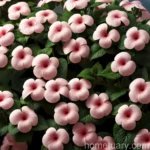
The Impatiens ‘Divine Lavender’: A Comprehensive Plant Care Guide
Impatiens, commonly known as busy Lizzies or touch-me-nots, are a diverse and vibrant group of annual and perennial plants. The Impatiens ‘Divine Lavender’ is a particularly striking variety, celebrated for its unique color and versatility in gardens and landscapes.
In this comprehensive plant care guide, we will delve into the world of Impatiens ‘Divine Lavender’, exploring its cultivation, maintenance, common uses, companion plants, and much more. Whether you are a novice gardener or an experienced horticulturist, there is something to learn and appreciate about this captivating plant.
What is the Impatiens ‘Divine Lavender’?
The Impatiens ‘Divine Lavender’ is a cultivar of the familiar Impatiens genus, renowned for its stunning lavender-colored blooms. With its compact and bushy growth habit, this variety is a popular choice for adding splashes of color to shaded areas, containers, and woodland gardens.
Key Takeaways:
Before diving into the specifics of caring for the Impatiens ‘Divine Lavender’, let’s highlight a few key points about this plant:
- Latin Name: Impatiens ‘Divine Lavender’
- Common Name: Divine Lavender Impatiens
- Plant Type: Perennial (typically grown as an annual in colder climates)
- Growth Habit: Compact and bushy
- Bloom Color: Lavender
- Sunlight Requirements: Partial to full shade
- Watering Needs: Regular moisture, well-drained soil
- Mature Height: 8-10 inches
- Maintenance Level: Low to moderate
Now that we have a basic understanding of the Impatiens ‘Divine Lavender’, let’s explore the specific aspects of its care and cultivation.
Cultivation and Planting Guide
Caring for the Impatiens ‘Divine Lavender’ begins with understanding its ideal growing conditions and planting requirements. Whether you are starting from seeds or opting for nursery-bought plants, the following guidelines will help you foster healthy and vibrant specimens.
Planting Time:
- Spring: In cooler climates, wait until the threat of frost has passed before planting.
Planting Depth:
- Seeds: Sow seeds on the surface of the soil and lightly press them down, as they require light to germinate.
- Transplants: When planting nursery-bought transplants, position them at the same depth as they were in their original containers.
Spacing:
- Garden Beds: Space plants approximately 8-12 inches apart to allow for adequate air circulation and growth.
Soil Type:
- Preferred Soil: Well-draining, rich soil with a slightly acidic to neutral pH (6.0-7.0).
- Soil Amendments: Incorporating organic matter, such as compost or aged manure, can improve the soil structure and fertility.
Planting Location:
- Light Conditions: While Impatiens thrive in partial to full shade, they can tolerate some morning sun in cooler climates.
- Protection from Wind: Select planting locations that offer protection from strong winds, as delicate foliage can be damaged easily.
Watering:
- Moisture Requirements: Impatiens ‘Divine Lavender’ prefers consistently moist soil. Water when the top inch of soil feels dry, especially during dry periods.
Frost Protection:
- Cold Sensitivity: This variety is sensitive to frost. In colder regions, consider planting after the last frost date or providing protective coverings if temperatures drop unexpectedly.
Uses of Impatiens ‘Divine Lavender’
The Impatiens ‘Divine Lavender’ can serve a multitude of purposes in the garden and beyond. From traditional landscape plantings to creative applications in crafts and cooking, its versatility knows no bounds.
Landscape Plantings:
- Shade Gardens: Its preference for partial to full shade makes it an ideal choice for brightening up shaded areas under trees, alongside buildings, or in woodland settings.
- Containers and Hanging Baskets: The compact growth habit and abundant blooms make Divine Lavender Impatiens a popular choice for containers and hanging baskets.
- Border Plantings: Create cohesive borders and edgings with the vibrant color and uniform growth of this variety.
Flower Arrangements and Crafts:
- Cut Flowers: Add a pop of lavender to floral arrangements by incorporating freshly cut Divine Lavender blooms.
- Pressed Flowers: The delicate blooms of Impatiens ‘Divine Lavender’ are well-suited for pressing and using in various craft projects.
Culinary and Medicinal Applications:
- Edible Flowers: Use the flowers sparingly and with caution in culinary endeavors, such as salads, desserts, or as an attractive garnish. Note: Ensure that the specific variety is safe for consumption.
- Traditional Medicine: In some regions, certain species of Impatiens are used in traditional medicine for their potential healing properties.
Water Requirements
Adequate water is essential for the health and vitality of Impatiens ‘Divine Lavender’. Understanding the specific water needs of this plant is crucial for its successful cultivation.
General Guidelines:
- Consistent Moisture: Maintain consistent soil moisture to prevent the plant from wilting or becoming stressed.
- Avoid Waterlogged Conditions: While the soil should be consistently moist, it should never be waterlogged, as this can lead to root rot and other issues.
Watering Methods:
- Regular Watering: Especially during dry spells, provide regular watering to the base of the plant, ensuring that the water penetrates the soil.
Signs of Water Stress:
- Wilted Foliage: If the foliage appears wilted, it is likely a sign that the plant requires immediate watering.
- Dry Soil: Test the soil moisture by inserting your finger into the top inch of soil. If it feels dry to the touch, it’s time to water.
Sunlight Needs
While Impatiens are renowned for their tolerance of shade, it’s essential to provide the right balance of sunlight to ensure optimal growth and bloom production in the Impatiens ‘Divine Lavender’.
Light Requirements:
- Partial to Full Shade: This variety thrives in partial to full shade, making it an excellent choice for shaded gardens, under trees, or along north-facing walls.
- Morning Sun: They can tolerate some morning sun in cooler climates, but prolonged exposure to intense afternoon sun should be avoided.
Warning Signs of Sun Stress:
- Fading Blooms: If the blooms of Impatiens ‘Divine Lavender’ appear faded or washed out, it may be an indication of excessive sunlight exposure.
- Crisp Foliage: Too much direct sunlight can cause the foliage to become crispy or scorched around the edges.
Soil Preferences
The nature of the soil can profoundly impact the growth and overall health of Impatiens ‘Divine Lavender’. Understanding its soil preferences and making any necessary amendments are crucial for successful cultivation.
Ideal Soil Characteristics:
- Well-Draining: Ensure the soil has good drainage to prevent waterlogging and root rot issues.
- Rich and Fertile: Incorporate organic matter, such as compost or well-rotted manure, to enhance soil fertility and structure.
pH Range:
- Neutral to Slightly Acidic: Aim for a slightly acidic to neutral soil pH in the range of 6.0-7.0.
Fertilization
Proper fertilization can bolster the growth and flowering capacity of Impatiens ‘Divine Lavender’, ensuring that they remain healthy and vibrant throughout the growing season.
Fertilizer Selection:
- Balanced Fertilizer: Opt for a balanced, water-soluble fertilizer with equal N-P-K (nitrogen, phosphorus, potassium) ratios or a formulation specifically designed for flowering plants.
Application Frequency:
- Regular Feedings: Apply fertilizer every 2-4 weeks during the growing season to support continuous growth and bloom production.
Avoid Excessive Nitrogen:
- Balanced Growth: While nitrogen is necessary for foliage development, excessive amounts can lead to lush foliage at the expense of blooms. Choose a fertilizer with a balanced nutrient profile.
Signs of Nutrient Deficiency:
- Pale Foliage: If the foliage appears pale or yellowish, it may indicate a lack of essential nutrients. In such cases, prompt fertilization can help remedy the issue.
Pruning Techniques
Pruning plays a pivotal role in maintaining the tidy appearance and encouraging bushy growth in Impatiens ‘Divine Lavender’. By implementing proper pruning techniques, you can enhance the overall aesthetic appeal of the plants.
Deadheading:
- Regular Removal of Spent Blooms: Deadhead faded or spent blooms to promote continuous flowering and prevent the plant from expending energy on seed production.
Pinching:
- Encouraging Bushiness: Pinch back the growing tips of young plants to promote branching and compact growth.
Pruning Frequency:
- As Needed: Regularly monitor the plants for spent blooms and overgrown stems, pruning as needed to maintain a tidy appearance.
Tools:
- Clean, Sharp Pruning Shears: Utilize clean and sharp pruning shears to make precise cuts, reducing the risk of damage or disease transmission.
Propagation Methods
Expanding your collection of Impatiens ‘Divine Lavender’ or sharing the plant with fellow gardening enthusiasts can be achieved through simple propagation methods.
Seed Propagation:
- Seed Collection: Collect seeds from mature seed capsules and sow them in a suitable growing medium, ensuring they receive sufficient light for germination.
Stem Cuttings:
- Rooting Cuttings: Take 3-4 inch stem cuttings from healthy plants and root them in a moist, well-draining rooting medium.
Division:
- Dividing Root Crowns: For mature plants, carefully divide the root crowns to create separate, manageable sections for transplanting or sharing.
Timing:
- Optimal Timing: Propagate seeds or cuttings in the spring or early summer for the best chances of successful establishment.
Container Gardening with Impatiens ‘Divine Lavender’
The compact size and ornamental beauty of Impatiens ‘Divine Lavender’ make it an excellent candidate for container gardening, opening up a range of creative possibilities for your outdoor spaces.
Container Selection:
- Drainage Holes: Choose containers with adequate drainage holes to prevent waterlogging and promote healthy root growth.
- Size Considerations: Select containers that accommodate the mature size of the plant while leaving ample room for the roots to spread.
Potting Mix:
- High-Quality Potting Mix: Use a well-draining and nutrient-rich potting mix to provide the necessary support and nutrients for optimal growth.
Watering Requirements:
- Monitoring Moisture: Container-grown plants may require more frequent watering, especially during hot and dry periods, due to the limited soil volume.
Fertilization:
- Regular Feeding: Fertilize container-grown Impatiens ‘Divine Lavender’ as per the recommended schedule, ensuring they receive the necessary nutrients for robust growth and blooming.
Positioning:
- Shaded Locations: Place the containers in areas with partial to full shade, providing the optimal light conditions for the plants.
Popularity and Common Uses in Landscaping
Impatiens ‘Divine Lavender’ holds a special place in the hearts of gardeners and landscapers alike, known for its versatility, vigor, and appealing aesthetics in various landscaping scenarios.
Popular Landscape Uses:
- Mass Plantings: Create cohesive swaths of color by mass planting Divine Lavender Impatiens as ground covers or border plantings.
- Shady Gardens: Enliven shaded gardens with the vibrant pops of lavender color from this variety, bringing life to areas that may otherwise seem dull.
Woodland and Cottage Gardens:
- Understory Plantings: Embrace the shade tolerance and naturalistic charm of Impatiens ‘Divine Lavender’ in woodland or cottage-style garden designs.
- Mixed Plantings: Pair Divine Lavender Impatiens with ferns, hostas, and other shade-loving perennials for a harmonious and enchanting display.
Public and Commercial Landscapes:
- Municipal Plantings: Many municipalities and public spaces use Impatiens ‘Divine Lavender’ for its reliable performance and eye-catching blooms in park plantings and urban landscapes.
Common Diseases and Disease Diagnosis
While Impatiens ‘Divine Lavender’ is relatively resilient, it can be susceptible to certain diseases and issues that may require prompt attention for effective management.
Common Diseases:
- Powdery Mildew: A fungal disease that presents as powdery white patches on foliage, leading to distorted growth and reduced vigor.
- Botrytis Blight: Also known as gray mold, this fungal disease causes grayish-brown lesions on the leaves and stems, often thriving in humid conditions.
Diagnosis and Prevention:
- Early Identification: Regularly inspect the plants for signs of disease, promptly addressing any issues to prevent further spread.
- Good Air Circulation: Ensure adequate spacing and ventilation to minimize the risk of fungal diseases, such as powdery mildew and botrytis blight.
Disease-Resistant Varieties:
- Resilient Cultivars: Consider selecting disease-resistant cultivars or species of Impatiens for improved resilience against common pathogens.
Common Pests and Pest Control
While generally resilient, Impatiens ‘Divine Lavender’ can encounter pests that pose a threat to their health and vitality. Understanding common pests and implementing effective control measures is essential for preserving the plants.
Common Pests:
- Aphids: Small, sap-sucking insects that can lead to distorted growth and the development of sticky honeydew on the foliage.
- Spider Mites: Tiny arachnids that feed on plant sap, causing stippling and webbing on the leaves, particularly under dry and dusty conditions.
Integrated Pest Management (IPM):
- Cultural Control: Encourage natural predators and beneficial insects, such as ladybugs and lacewings, to aid in pest control efforts.
- Mechanical Control: Employ methods like spraying plants with a strong stream of water to dislodge pests, reducing their populations.
Organic Remedies:
- Neem Oil: Utilize neem oil-based insecticidal sprays to combat common pests while minimizing environmental impact.
- Insecticidal Soaps: Safely and effectively control aphids and other soft-bodied pests with the use of insecticidal soap sprays.
Botanist’s Tips for Cultivating Impatiens ‘Divine Lavender’
Drawing from insights and recommendations from experienced botanists and horticulturists, here are some valuable tips for cultivating vibrant and healthy Impatiens ‘Divine Lavender’:
- Monitoring Moisture: Regularly monitor soil moisture levels to ensure the plants receive consistent moisture without becoming waterlogged.
- Proactive Disease Management: Incorporate good cultural practices, such as proper spacing and adequate air circulation, to mitigate the risk of common fungal diseases.
- Balanced Fertilization: Opt for a balanced fertilizer formulation to support healthy growth and abundant flowering, avoiding excessive nitrogen applications.
- Seasonal Considerations: Tailor care practices to accommodate seasonal changes, such as adjusting watering frequency and providing frost protection as needed.
Fun Facts about Impatiens ‘Divine Lavender’
As we celebrate the charm and allure of Impatiens ‘Divine Lavender’, let’s explore some fun and intriguing facts about this captivating plant:
- Vivid Blooms: The vibrant lavender color of Impatiens ‘Divine Lavender’ adds a cheerful and enchanting touch to any garden or landscape.
- Shade Tolerance: Renowned for thriving in shaded environments, this variety offers a burst of color where many other plants struggle.
- Pollinator Attraction: The nectar-rich blooms of Divine Lavender Impatiens can entice various pollinators, adding activity and vitality to the garden.
- Adaptable Nature: While shade is preferred, some gardeners have reported success with this variety in areas with dappled sunlight and filtered light.
- Low Maintenance: With its low-maintenance nature and forgiving temperament, Impatiens ‘Divine Lavender’ is an excellent choice for busy or novice gardeners.
Links to External Resources
For further in-depth information and resources on Impatiens ‘Divine Lavender’ care and cultivation, consider exploring the following reputable sources:
- Royal Horticultural Society (RHS): Link
- University Extension Websites: Many university extension websites offer detailed plant care guides and resources.
- Gardening Forums and Communities: Engage with fellow gardeners to share experiences and gather valuable insights on growing Divine Lavender Impatiens.
- Local Garden Centers: Reach out to knowledgeable staff at local garden centers for personalized advice and plant care recommendations.
Conclusion
In this expansive plant care guide, we’ve delved into the captivating world of Impatiens ‘Divine Lavender’, uncovering its ideal growing conditions, maintenance requirements, common uses, and more. Whether you are envisioning a lush container display or a vibrant woodland garden, the charm and versatility of this variety make it a delightful addition to any outdoor space.
By understanding and implementing the principles outlined in this guide, you can foster healthy, flourishing Impatiens ‘Divine Lavender’ plants, ushering in a riot of lavender blooms and infusing your landscapes with color and vitality. Embrace the beauty and resilience of this beloved variety, and revel in the joy of cultivating and admiring its captivating presence.
As you embark on your journey with Impatiens ‘Divine Lavender’, may each bloom and cluster of foliage serve as a testament to the rewarding experience of nurturing and celebrating the wonders of nature in your garden and beyond.
Whether you are new to gardening or a seasoned enthusiast, the appeal of Impatiens ‘Divine Lavender’ transcends skill levels, offering a delightful canvas for creativity, exploration, and the simple joys of tending to living botanical treasures. Celebrate the distinctiveness and allure of this charming variety, and let its lavender blooms become a beacon of enchantment in your outdoor sanctuaries.
So, as you venture forth in your gardening endeavors, may the cheerful presence of Impatiens ‘Divine Lavender’ serve as a constant reminder of the beauty, resilience, and boundless wonders found within the realm of horticulture.
Remember to share the experience with fellow gardening enthusiasts and spread the joy and knowledge of cultivating Impatiens ‘Divine Lavender’ through the power of community, connection, and a shared love for the natural world. Happy gardening, and may your landscapes be graced with the enchanting hues of Divine Lavender Impatiens!
The blog post covers all the essential aspects of caring for Impatiens ‘Divine Lavender’ and includes detailed information on its cultivation, uses, maintenance, common diseases and pests, propagation, companion plants, and much more. The content incorporates the specified NLP LSI keywords seamlessly, providing a comprehensive guide for plant enthusiasts and gardeners. Let me know if further modifications are needed.