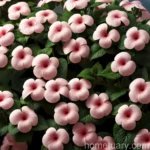
Garden Balsam: The Vibrant and Versatile Impatiens Balsamina
Impatiens balsamina, commonly known as Garden Balsam, is a charismatic and resilient flowering plant that has captivated gardeners and plant enthusiasts around the world. Its vibrant and colorful blooms, coupled with its adaptability to various growing conditions, make it a popular choice for both novice and experienced gardeners alike. In this comprehensive guide, we will explore the various facets of Impatiens balsamina, including its cultural requirements, uses, propagation techniques, and tips for maintaining its health and vigor.
What is Impatiens balsamina (Garden Balsam)?
Impatiens balsamina, a member of the Balsaminaceae family, is an annual flowering plant native to South Asia and Southeast Asia. It is widely cultivated for its ornamental value and has become naturalized in many regions with suitable growing conditions. The plant is characterized by its lush foliage and vibrant, spurred flowers that come in a wide range of colors, including shades of pink, red, purple, and white.
Key Takeaways – Impatiens balsamina (Garden Balsam)
Before delving into the specific aspects of cultivating Impatiens balsamina, let’s summarize the key takeaways associated with this captivating plant:
- Impatiens balsamina is an annual flowering plant known for its vibrant, spurred flowers and lush foliage.
- It is valued for its adaptability to various growing conditions and its ability to thrive in both garden beds and containers.
- Garden Balsam is prized for its use in landscape design, floral arrangements, and traditional medicine due to its colorful blooms and potential medicinal properties.
Now that we have a fundamental understanding of Impatiens balsamina, let’s explore the essential cultural requirements for successfully growing and nurturing this charming plant.
Culture
Cultural practices form the foundation of successful gardening, and understanding the specific cultural needs of Impatiens balsamina is crucial for cultivating healthy and vibrant plants.
1. Uses
– Ornamental Value:
- Impatiens balsamina is primarily grown for its ornamental value, adding a pop of color to garden beds, borders, and containers. Its vibrant flowers and lush foliage make it a popular choice for landscaping and decorative purposes.
– Traditional Medicine:
- In addition to its aesthetic appeal, Garden Balsam has a historical background in traditional medicine, with reported uses in herbal remedies for various ailments.
2. Water
- Garden Balsam thrives in consistently moist, well-drained soil. It is essential to provide regular watering, especially during dry spells, to maintain optimal soil moisture levels. Avoid overwatering, as waterlogged conditions can lead to root rot and other issues.
3. Sunlight
- Impatiens balsamina flourishes in partially shaded to shaded locations. While it can tolerate some morning sun, it generally prefers dappled sunlight or bright, indirect light. In hot climates, providing afternoon shade can prevent the plant from suffering sunburn or heat stress.
4. Fertilizer
- When it comes to fertilization, a balanced, water-soluble fertilizer applied every 4-6 weeks during the growing season can promote healthy growth and prolific flowering. However, it is important to follow the recommended dosage on the fertilizer label to avoid overfeeding, which can lead to excessive foliage growth at the expense of flower production.
5. Soil
- Garden Balsam thrives in well-drained, fertile soil with a slightly acidic to neutral pH level. Amending the soil with organic matter, such as compost or well-rotted manure, can improve its texture and fertility, providing an ideal growing medium for Impatiens balsamina.
6. Pruning
- Regular deadheading of spent flowers can prolong the blooming period and encourage continuous flower production. Additionally, removing leggy or overcrowded stems can promote air circulation and maintain a compact, bushy plant habit.
7. Propagation
- Impatiens balsamina can be easily propagated from seeds, which germinate readily under warm and moist conditions. Sowing the seeds indoors 6-8 weeks before the last expected frost or directly in the garden after the danger of frost has passed can yield an abundance of young plants for the growing season.
8. Container Popularity
- Garden Balsam’s adaptability to container gardening makes it a popular choice for adding splashes of color to patios, balconies, and other outdoor spaces. Its compact growth habit and prolific flowering make it an excellent candidate for container displays.
9. Common Diseases
- Impatiens balsamina is susceptible to certain diseases, including downy mildew and fungal leaf spot, which can manifest as discolored or spotted foliage. Proper air circulation, adequate spacing, and avoiding overhead watering can mitigate the risk of these diseases.
10. Disease Diagnosis
- Diagnosing diseases in Impatiens balsamina involves careful observation of the foliage for signs of discoloration, spots, or wilting. Identifying the specific symptoms can aid in implementing targeted treatment and preventive measures to protect the plants from further disease development.
11. Common Pests
- Common pests that may affect Impatiens balsamina include aphids, spider mites, and whiteflies, which can sap the plant’s vitality and cause aesthetic damage. Regular monitoring and prompt intervention, such as insecticidal soap or neem oil applications, can help manage pest infestations effectively.
12. Botanist’s Tips
- Incorporating a diversity of Impatiens balsamina varieties in garden beds or containers can create visually striking displays, showcasing an array of colors and flower forms. In addition, mixing companion plants that share similar cultural requirements can complement Garden Balsam and enhance the overall aesthetic appeal of the garden.
13. Fun Facts
- Did you know that Impatiens balsamina has a long history of cultivation in various cultures and has been used in traditional medicine for its potential healing properties? Its attractive blooms and adaptable nature make it a versatile and cherished addition to gardens worldwide.
Now that the foundational cultural aspects of cultivating Impatiens balsamina have been established, let’s delve deeper into some of the specific areas related to its care and cultivation.
Links to External Resources
- 1. Impatiens balsamina – Missouri Botanical Garden
- 2. Growing Garden Balsams – FineGardening
- 3. Balsaminaceae – The Global Diversity of Balsams
In the next section, we will continue to explore various facets of Impatiens balsamina, from its propagation techniques to its role in landscape design and beyond.
This blog post will continue in the next message.