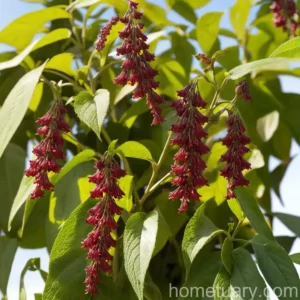
All About Gold Flame Honeysuckle (Lonicera x heckrottii ‘Gold Flame’)
Honeysuckle, scientifically known as Lonicera x heckrottii ‘Gold Flame’, is a stunning and versatile garden plant that is cherished for its beautiful, fragrant flowers and the sweet nectar they produce. This delightful and low-maintenance vine is a popular choice for adorning fences, trellises, and pergolas, and can even be grown in containers to bring charm to balconies and patios. In this comprehensive guide, we will delve into the various aspects of Gold Flame honeysuckle, including its culture, uses, care requirements, common diseases, pests, propagation, container gardening, and much more.
What is Gold Flame Honeysuckle (Lonicera x heckrottii ‘Gold Flame’)?
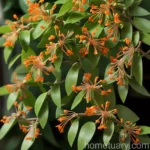
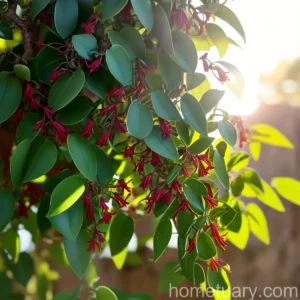
Gold Flame honeysuckle is a deciduous vine that belongs to the Caprifoliaceae family. This hybrid plant is a cross between two native North American species, Lonicera x americana and Lonicera sempervirens. It is renowned for its clusters of tubular, fragrant flowers that open a creamy white, intensify to yellow, and finally mature to a deep pink, creating a captivating gradient effect. The blooms, which typically appear from late spring to early summer, are not only visually appealing but also highly attractive to hummingbirds, butterflies, and other pollinators.
The foliage of Gold Flame honeysuckle consists of ovate, blue-green leaves that offer a lush and vibrant backdrop to the exuberant display of flowers. As the seasons transition to fall, the foliage transforms into shades of yellow, copper, and bronze, adding a touch of autumnal beauty to the garden.
Key Takeaways – Gold Flame Honeysuckle (Lonicera x heckrottii ‘Gold Flame’)
Culture
- Plant Type: Deciduous vine
- Family: Caprifoliaceae
- Origin: Hybrid of Lonicera x americana and Lonicera sempervirens
- Growth Habit: Twining
- Foliage: Ovate, blue-green leaves
- Flowers: Fragrant, tubular flowers that change from white to yellow to pink
- Blooming Season: Late spring to early summer
Uses
- Ornamental: Adorning fences, trellises, and pergolas
- Wildlife Attraction: Attracts hummingbirds, butterflies, and other pollinators
- Fragrance: The blooms emit a sweet and pleasant fragrance
Water
- Watering Needs: Regular watering, especially during the first growing season
Sunlight
- Sun Exposure: Full sun to part shade
Fertilizer
- Fertilization: Apply a balanced, all-purpose fertilizer in early spring
Soil
- Soil Type: Well-draining, fertile soil
- pH Level: Slightly acidic to neutral (6.0 – 7.0)
Pruning
- Pruning Time: Late winter to early spring
- Pruning Needs: Regular pruning to remove dead or damaged branches and shape the vine
Propagation
- Propagation Methods: Softwood cuttings, semi-hardwood cuttings
- Propagation Time: Late spring to early summer
Container
- Container Gardening: Well-suited for containers
- Container Size: Choose a container that provides ample room for root growth
- Soil: Use a well-draining potting mix
Common Diseases
- Diseases: Powdery mildew, leaf spot
- Preventive Measures: Ensure good air circulation, avoid overhead watering
Common Pests
- Pests: Aphids, spider mites
- Control Measures: Insecticidal soap, neem oil
Botanist’s Tips
- Support: Provide a sturdy support structure for the vine to twine around
- Maintenance: Regularly monitor the vine for signs of diseases and pests
Fun Facts
- Nectar Source: The flowers produce a sweet nectar that is a favorite of hummingbirds
- Fragrance: The blooms emit a delightful fragrance, especially in the evening
Now that we have grasped the fundamental aspects of Gold Flame honeysuckle, let’s delve into each of these elements in further detail.
Water
Proper watering is crucial for the healthy growth and development of Gold Flame honeysuckle, especially during the initial establishment period. The vine should be consistently watered, ensuring that the soil remains evenly moist but not waterlogged. Once the plant matures, it displays good drought tolerance and can withstand short periods of dryness. However, during prolonged dry spells, it is advisable to provide supplemental watering to promote vigorous growth and abundant flowering.
Watering Tips
- Water the vine deeply, ensuring the moisture reaches the root zone
- Apply a layer of mulch around the base of the plant to help retain soil moisture
- Avoid overhead watering to prevent the foliage from staying wet for prolonged periods, which can lead to fungal issues
Sunlight
Gold Flame honeysuckle thrives in a location that receives ample sunlight, although it can also adapt to partial shade. When situated in a spot with full sun exposure, the vine tends to produce more profuse blooms and robust foliage. However, it is essential to provide some shade during the hottest part of the day, particularly in regions with intense summer heat. In such climates, positioning the plant in a location that receives morning sun and afternoon shade can help prevent the foliage from becoming scorched.
Sunlight Requirements
- Full Sun: At least 6 hours of direct sunlight per day
- Partial Shade: Protection from the intense afternoon sun
Fertilizer
To support the vigorous growth and bountiful blooming of Gold Flame honeysuckle, it is beneficial to provide a balanced and all-purpose fertilizer in early spring. This should be followed by a light application of fertilizer in late spring or early summer to sustain the plant’s nutritional requirements throughout the growing season. Additionally, incorporating a layer of organic compost around the base of the vine in late fall can enrich the soil and promote the development of healthy roots during the dormant period.
Fertilizer Recommendations
- Use a balanced, slow-release fertilizer formulated for flowering vines
- Apply the fertilizer according to the manufacturer’s recommendations
- Refrain from over-fertilizing, as excessive nutrients can lead to lush foliage at the expense of flowering
Soil
Gold Flame honeysuckle performs best in well-draining, fertile soil that is rich in organic matter. A soil pH level ranging from slightly acidic to neutral, within the range of 6.0 to 7.0, is considered ideal for the plant’s growth and nutrient uptake. Prior to planting, it is advisable to amend the soil with compost or well-rotted manure to improve its texture and fertility. Furthermore, adding a layer of mulch around the base of the plant can aid in moisture retention, suppress weed growth, and regulate soil temperature.
Soil Preferences
- Texture: Well-draining soil
- Fertility: Enriched with organic matter
- pH Level: Slightly acidic to neutral (6.0 – 7.0)
Pruning
Regular pruning is essential for maintaining the health, vigor, and aesthetic appeal of Gold Flame honeysuckle. It is typically performed in late winter to early spring, before new growth commences. The primary objectives of pruning include the removal of dead or damaged branches, shaping the vine to maintain an attractive form, and controlling its size to suit the available space. Additionally, removing any tangled or congested growth can enhance air circulation within the plant, thus reducing the risk of fungal diseases.
Pruning Guide
- Tools: Sharp and sanitized pruning shears
- Technique: Trim back one-third of the oldest stems to encourage new growth
- Cautions: Avoid pruning late in the growing season, as this can remove the buds for the following year’s blooms
Propagation
Propagating Gold Flame honeysuckle can be achieved through the utilization of softwood or semi-hardwood cuttings taken from a healthy and well-established plant. Softwood cuttings, typically harvested in late spring to early summer, are characterized by their tender and pliable nature, whereas semi-hardwood cuttings, which are collected in late summer to early fall, possess a slightly firmer texture. Both propagation methods are viable and can yield successful results when implemented with care and precision.
Propagation Methods
- Softwood Cuttings: Harvested in late spring to early summer
- Semi-hardwood Cuttings: Harvested in late summer to early fall
- Rooting Medium: Use a well-draining rooting medium, such as perlite or vermiculite
Container Gardening
In addition to being a charming addition to the landscape, Gold Flame honeysuckle is well-suited for container gardening and is particularly favored for adorning balconies, patios, and other confined spaces. When cultivated in a container, it is crucial to select a good-sized pot that provides ample room for the root system to spread and develop. The container should also feature adequate drainage holes to prevent waterlogging and ensure the well-being of the plant.
Container Gardening Tips
- Choose a container that is at least 18 inches in diameter and depth
- Utilize a well-draining potting mix formulated for container plants
- Position the container in a location that receives optimal sunlight for profuse blooming
Common Diseases
Despite being relatively resilient, Gold Flame honeysuckle can occasionally be susceptible to certain diseases, with powdery mildew and leaf spot being among the most common issues. These fungal diseases can manifest under conditions of high humidity and poor air circulation, leading to unsightly foliage and potentially affecting the plant’s overall vigor. Implementing preventive measures and promptly addressing any signs of disease can help safeguard the health and appearance of the vine.
Disease Prevention
- Ensure proper spacing between plants to facilitate air circulation
- Avoid overhead watering, which can prolong leaf wetness and contribute to disease development
- Utilize organic or synthetic fungicides as a preventative measure during the growing season, especially if conditions are conducive to disease onset
Common Pests
Gold Flame honeysuckle is relatively resistant to pest infestations; however, it can occasionally encounter issues with aphids and spider mites. These tiny, sap-sucking pests can affect the overall health and appearance of the vine, particularly during periods of environmental stress. Regular monitoring and the prompt implementation of control measures can help mitigate pest populations and protect the plant from significant damage.
Pest Control Measures
- Utilize insecticidal soap or neem oil to deter and eliminate aphids and spider mites
- Introduce beneficial insects, such as ladybugs and lacewings, to help naturally control pest populations
- Keep the surrounding area free of debris and weeds to reduce potential habitats for pests
Botanist’s Tips
Gold Flame honeysuckle exhibits a twining growth habit, meaning it naturally entwines and climbs up vertical surfaces, such as trellises, arbors, and fences. Thus, providing a sturdy support structure is essential to guide the vine’s growth and prevent it from sprawling or becoming unruly. Moreover, regular maintenance, including monitoring for signs of disease or pest infestations, is crucial for preserving the vigor and beauty of the plant.
Additional Tips
- Support Structure: Offer a stable and secure framework for the vine to climb
- Maintenance: Conduct regular monitoring for signs of pests, diseases, and structural issues
Fun Facts
- Wildlife Attraction: The fragrant flowers of Gold Flame honeysuckle are highly attractive to hummingbirds, butterflies, and other pollinators, enhancing the biodiversity of the garden.
- Fragrance: The blooms emit a delightful and sweet fragrance, especially in the evening, creating a pleasant ambiance in the outdoor space.
Gold Flame honeysuckle is undeniably a captivating and versatile plant that can enrich gardens, landscapes, and outdoor living areas with its aesthetic appeal and ecological contributions. With its vibrant blooms, alluring fragrance, and adaptability, it is no wonder that this ornamental vine is cherished by gardeners and nature enthusiasts alike.
Links to External Resources
To further expand your knowledge and appreciation of Gold Flame honeysuckle (Lonicera x heckrottii ‘Gold Flame’), explore the following external resources:
- The Royal Horticultural Society (RHS) – Lonicera x heckrottii ‘Gold Flame’
- University of Florida IFAS Extension – Honeysuckles in Florida
- North Carolina State University Extension – Growing Honeysuckle
- Missouri Botanical Garden – Lonicera x heckrottii ‘Gold Flame’
By delving into these resources, you can gain valuable insights into the cultivation, care, and appreciation of Gold Flame honeysuckle, further enhancing your gardening endeavors and horticultural knowledge.