Plant Name: Helianthemum nummularium (Rock Rose)
What is Helianthemum nummularium (Rock Rose)?
Helianthemum nummularium, commonly known as Rock Rose, is a perennial plant belonging to the Cistaceae family. This species is native to Europe and Asia and is renowned for its vibrant and abundant flowers. The plant’s name “Helianthemum” is derived from the Greek words “helios” meaning sun and “anthemon” meaning flower, reflecting its characteristic of opening its flowers fully only in the sun. “Nummularium” refers to the coin-like shape of its leaves. With its striking blooms and adaptability, Rock Rose is a popular choice for rock gardens, borders, and various landscaping designs.
Key Takeaways – Helianthemum nummularium (Rock Rose)
Culture
- Botanical Name: Helianthemum nummularium
- Common Name: Rock Rose
- Family: Cistaceae
- Plant Type: Perennial
- Native Range: Europe, Asia
Uses
- Ornamental: Popular in rock gardens, borders, and landscaping
- Medicinal: Used in traditional medicine for its astringent properties
Water
- Watering Needs: Drought-tolerant once established
- Watering Frequency: Regular watering during the establishment period, then occasional watering
Sunlight
- Sun Exposure: Full sun to partial shade
- Sun Requirements: Thrives in sunny locations
Fertilizer
- Fertilization: Minimal fertilizer needs, especially in nutrient-rich soils
Soil
- Soil Type: Well-draining, sandy or loamy soil
- pH: Neutral to slightly alkaline
- Soil Amendments: Can benefit from organic matter incorporation in poor soils
Pruning
- Pruning: Light pruning after flowering to maintain shape and encourage bushy growth
- Deadheading: Removing spent flowers to promote continuous blooming
Propagation
- Propagation: Seed sowing, stem cuttings, or division
- Propagation Time: Best propagated in spring or fall
Container Popularity
- Container Gardening: Suitable for containers, window boxes, and rockery containers
- Container Size: Select well-draining containers of appropriate size
Common Diseases
- Disease: Powdery mildew
- Prevention: Maintain good air circulation, avoid overhead watering
Disease Diagnosis
- Symptoms: White powdery spots on leaves
- Treatment: Fungicidal treatments or neem oil application
Common Pests
- Pest: Aphids
- Control: Natural predators, insecticidal soap
Botanist’s Tips
- To encourage continuous blooming, deadhead spent flowers regularly.
- Rock Rose is an excellent choice for gardeners seeking low-maintenance and wildlife-friendly plants.
Fun Facts
- Ecological Value: Attracts pollinators, such as bees and butterflies
- Flower Behavior: The flowers of Rock Rose only fully open in the sun, closing at night or on cloudy days
Links to External Resources
- The American Horticultural Society: Helianthemum – Rock Rose
- Royal Horticultural Society: Helianthemum
As a plant scientist, I find the Helianthemum nummularium fascinating, and it’s a pleasure to delve into its cultivation, care, and ornamental uses. The Rock Rose encompasses a spectrum of characteristics and benefits that make it an enchanting addition to gardens and landscapes.
In this comprehensive guide, we will explore the various aspects of Helianthemum nummularium, from its cultural requirements and uses to its propagation and management. Whether you’re an avid gardener, landscaper, or simply a lover of ornamental plants, this article aims to equip you with the knowledge needed to cultivate and appreciate the beauty of Rock Rose.
Let’s embark on an insightful journey to discover the nuances of Helianthemum nummularium – the esteemed Rock Rose.
Helianthemum nummularium (Rock Rose) Cultivation and Care
Helianthemum nummularium Plant
Helianthemum nummularium, commonly known as Rock Rose, is a charming perennial plant renowned for its abundant, colorful blooms and adaptability to various growing conditions. This section will provide a comprehensive understanding of the cultural requirements and care guidelines for cultivating this delightful species.
Rock Rose Flowers
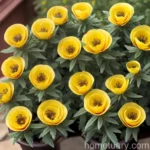
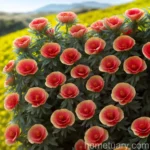
The flowers of Helianthemum nummularium, also known as Rock Rose, captivate with their vivid colors and delicate, papery petals. Commonly found in shades of yellow, orange, red, and pink, these flowers are a visual delight and a magnet for pollinators. The distinct coin-shaped leaves further contribute to the allure of this plant, adding visual interest even when not in bloom.
Helianthemum nummularium Care
Cultivating Helianthemum nummularium requires attention to several key aspects, including water, sunlight, soil, and maintenance. Understanding these care requirements is essential for promoting healthy growth and prolific flowering. Let’s delve into each aspect to gain a comprehensive perspective on the Rock Rose’s care regimen.
Rock Rose Growing Tips
Water
Watering Needs
Rock Rose exhibits a remarkable tolerance to drought once established, making it an ideal choice for water-wise or xeriscape gardens. During the establishment phase, regular watering is essential to aid root development and ensure healthy, robust plants. Once established, Rock Rose demonstrates resilience in the face of dry conditions, requiring only occasional watering during extended periods of drought.
Sunlight
Sun Exposure
Rock Rose thrives in full sun to partial shade, preferring bright and sunny locations for optimal growth and flowering. Providing ample sunlight is crucial for promoting abundant blooms and maintaining the overall vigor of the plant. In regions with scorching summers, partial shade during the hottest part of the day can help prevent stress and sunburn.
Fertilizer
Fertilization
The nutritional demands of Helianthemum nummularium are relatively modest, especially when cultivated in moderately fertile and well-draining soils. Excessive fertilization may lead to lush vegetative growth at the expense of prolific flowering, diluting the plant’s visual appeal. Minimal, balanced fertilization, if necessary, is recommended, with a focus on maintaining soil health and structure.
Soil
Soil Type
Rock Rose thrives in well-draining, sandy, or loamy soils that facilitate good aeration and prevent waterlogging. An alkaline to slightly acidic soil pH range is well-suited for this species, contributing to optimal nutrient uptake and overall plant health. In situations where the soil is heavy or poorly draining, amending with organic matter or sand can enhance the soil’s structure and drainage capabilities.
Pruning
Pruning
Light pruning following the flowering period can help shape the plant, encourage bushy growth, and stimulate the development of new flowering shoots. Deadheading spent flowers is also beneficial, promoting continuous blooming and preventing the allocation of energy to seed production. Regular deadheading contributes to a tidy and visually appealing appearance.
Propagation
Propagation Methods
Helianthemum nummularium can be propagated through various means, including seed sowing, stem cuttings, and division. Each method offers unique advantages and considerations, ultimately expanding the possibilities for propagating this charming perennial. Selecting the most suitable propagation method depends on factors such as time, resources, and the desired quantity of new plants.
Container Popularity
Container Gardening
The compact nature and adaptive demeanor of Rock Rose make it a superb candidate for container gardening, accentuating patios, balconies, and small outdoor spaces. When selecting containers for Rock Rose, prioritize well-draining options that prevent water accumulation and promote healthy root growth. Furthermore, Rock Rose’s resilience to drought and heat makes it an excellent choice for container gardens in arid or Mediterranean climates.
Helianthemum nummularium Varieties
The genus Helianthemum encompasses a diverse array of cultivars and varieties, each showcasing unique flower colors, growth habits, and adaptability. Varieties such as ‘Ben Fhada’ with its pale yellow blooms, ‘Henfield Brilliant’ boasting vibrant red flowers, and ‘The Bride’ with its pure white blossoms illustrate the versatile and captivating nature of Rock Rose. Incorporating various varieties into landscapes and gardens can introduce a captivating tapestry of color and form, offering versatility and aesthetic allure.
Rock Rose Plant Characteristics
- Height: 10-30 cm
- Spread: 30-60 cm
- Growth Habit: Low-growing, spreading
- Flower Colors: Yellow, orange, red, pink, white
- Foliage Type: Evergreen, coin-shaped leaves
Helianthemum nummularium Cultivation
Cultivating Helianthemum nummularium offers an enriching horticultural experience, allowing enthusiasts to embrace its adaptability and ornamental charms. As a perennial species, Rock Rose can thrive for numerous seasons, rewarding gardeners with an enduring display of vibrant blooms and textural foliage. Understanding the optimal cultivation practices and site selection considerations is pivotal for the successful establishment and maintenance of this delightful species.
Rock Rose Perennial Plant
Rock Rose’s perennial nature imparts longevity and enduring beauty to landscapes and gardens. As a low-maintenance and resilient perennial, it upholds its visual appeal and contributes to the overall aesthetic throughout the growing season. The consistent return of its colorful blooms serves as a testament to its value as a perennial plant, adorning garden spaces with exuberant splashes of color year after year.
Rock Rose Medicinal Uses
Beyond its ornamental value, Helianthemum nummularium is recognized for its historical use in traditional medicine due to its astringent properties. The plant’s astringency has led to its utilization in various preparations, targeting conditions that benefit from this quality. While its ornamental attributes typically take the spotlight, acknowledging its historical medicinal role adds a fascinating layer to the multifaceted nature of Rock Rose.
Helianthemum nummularium Propagation
The propagation of Helianthemum nummularium offers an avenue for enthusiasts to expand their collection and spread the charm of this delightful species. Exploring the various propagation methods, from sowing seeds to rooting stem cuttings and dividing established plants, provides an opportunity to immerse oneself in the biological processes shaping the propagation and proliferation of Rock Rose.
Rock Rose Landscaping Ideas
The versatility and visual appeal of Rock Rose make it an invaluable addition to a diverse array of landscaping designs. Whether as a protagonist in rock gardens, an accent in borders, or an element in naturalistic plantings, Rock Rose enriches the tapestry of landscapes with its vibrant blooms and adaptability. Unveiling the possibilities of incorporating Rock Rose in landscaping invites an exploration of its potential to transform and elevate outdoor spaces.
Helianthemum nummularium Pruning
Pruning plays a pivotal role in maintaining the aesthetic integrity and vigor of Rock Rose. Employing appropriate pruning techniques, such as light post-flowering pruning and regular deadheading, supports the plant’s longevity, continuous bloom production, and overall health. By embracing the art of pruning, gardeners can sculpt the growth of Rock Rose and instill a sense of refinement in garden spaces.
Rock Rose Groundcover
Rock Rose’s spreading growth habit and low stature position it as an exceptional groundcover, capable of embellishing and stabilizing garden spaces. Envisioning Rock Rose as a ground-hugging mantle introduces a dimension of textural diversity and seasonal color, underscoring its versatility and capacity to enhance the visual and functional aspects of outdoor environments.
Helianthemum nummularium Sun Requirements
Embracing the sun-loving nature of Rock Rose allows gardeners to appreciate its fervent blooming displays and robust growth. Honoring the plant’s affinity for sunlight and selecting appropriate locations that meet its sun exposure needs are essential for fostering its optimal health and vitality. Creating environments that align with its sun requirements empowers Rock Rose to flourish and thrive, manifesting its full ornamental potential.
Rock Rose Wildlife-Friendly Plant
Rock Rose’s affinity for attracting pollinators, such as bees and butterflies, underscores its ecological value and role in supporting local biodiversity. Nurturing partnerships with these essential pollinators through Rock Rose’s abundant nectar and pollen reserves contributes to the broader ecological tapestry, creating a habitat that welcomes and sustains diverse wildlife.
Helianthemum nummularium Flowering Season
The flowering season of Rock Rose unveils a vibrant spectacle of colors, exhibiting a profusion of blossoms that enrich outdoor spaces with seasonal splendor. Embracing the nuances of Rock Rose’s flowering season enables gardeners to anticipate and relish the transient beauty of its blooms, accentuating the rhythm and dynamism of the natural world.
Rock Rose Garden Design
Incorporating Rock Rose into garden designs opens a realm of creative possibilities, enabling the integration of its captivating blooms and low-maintenance demeanor into personalized compositions. Whether as a focal feature in a rockery, an accent plant in borders, or a groundcover in a naturalistic garden, Rock Rose contributes to the visual, ecological, and experiential dimensions of garden design.
Helianthemum nummularium Soil Preferences
Acknowledging Rock Rose’s soil preferences and selecting suitable soil types and amendments are pivotal for establishing robust, healthy plants. Embracing optimal soil conditions supports the plant’s nutrient uptake, disease resistance, and overall vigor, underpinning its capacity to thrive and fulfill its ornamental potential.
Rock Rose Low-Maintenance Plant
The low-maintenance nature of Rock Rose positions it as an ideal choice for gardeners seeking a plant that offers both aesthetic allure and ease of care. Consolidating its low-maintenance features, from drought tolerance to minimal fertilizer needs, amplifies its appeal as a resilient and visually captivating addition to diverse garden settings.
Helianthemum nummularium Hardiness Zones
Understanding the hardiness zones compatible with Rock Rose guides gardeners in selecting suitable growing locations that align with the plant’s cold tolerance. Recognizing the plant’s ability to thrive within specific hardiness zones facilitates informed decisions when integrating it into diverse climatic contexts, ensuring its enduring health and vigor.
Rock Rose Native Habitat
Rock Rose’s native habitat encompasses regions across Europe and Asia, where it thrives in diverse ecological settings, ranging from coastal habitats to rocky outcrops. Appreciating the plant’s native habitat deepens our understanding of its adaptability and ecological context, providing insights into its resilience and ornamental attributes within its indigenous environments.
Helianthemum nummularium Companion Plants
As a versatile and visually striking species, Rock Rose harmonizes well with a variety of companion plants, creating captivating plant combinations and enriching garden compositions. Selecting suitable companion plants that align with Rock Rose’s cultural requirements and aesthetic qualities fosters balanced and cohesive planting schemes, enhancing the visual and ecological dimensions of garden spaces.
Rock Rose Garden Borders
Embracing Rock Rose in garden borders introduces a dynamic and visually rich element into the tapestry of outdoor spaces. Whether as a border plant itself or as an accent within garden boundaries, Rock Rose imparts seasonal interest, color, and textural diversity, amplifying the cohesive and expressive qualities of garden borders.
Helianthemum nummularium Pests and Diseases
Recognizing and addressing potential pests and diseases encountered by Rock Rose empowers gardeners to safeguard and preserve the plant’s health and ornamental value. Vigilance, integrated pest management, and preventive measures form the cornerstone of protecting Rock Rose from common pests and diseases, ensuring its enduring vibrancy and allure.
Rock Rose Rock Gardens
Rock Rose’s affinity for rocky terrain and its low-growing, spreading growth habit render it an ideal candidate for inclusion in rock gardens. Integrating Rock Rose into these unique landscapes infuses them with a living tapestry of colorful blooms and textural foliage, accentuating the geological features and enhancing the visual dynamism of rock garden designs.
Helianthemum nummularium Pollinators
Embracing Rock Rose as a key player in pollinator-friendly landscapes underscores its ecological value and role in supporting vital pollinators such as bees, butterflies, and other beneficial insects. Nurturing a partnership with these essential pollinators through Rock Rose’s vibrant blooms enriches the ecological and experiential fabric of outdoor spaces, perpetuating a dialogue between plants and pollinators.
Rock Rose Container Gardening
Integrating Rock Rose into container gardens offers an opportunity to enliven patios, balconies, and small outdoor areas with its vibrant blooms and charming foliage. Selecting suitable containers and potting mediums that align with the plant’s cultural preferences supports its health and performance, allowing enthusiasts to experience the ornamental beauty of Rock Rose on a more intimate scale.
Helianthemum nummularium Water Requirements
Accommodating Rock Rose’s water requirements in containers is essential for nurturing healthy and vigorous plants, balancing their need for moisture with the necessity of well-draining conditions. Adhering to appropriate watering practices and container selection parameters sustains the ornamental qualities and vitality of Rock Rose, shaping a visually captivating and enduring container display.
Rock Rose Coastal Gardens
The robust resilience of Rock Rose, combined with its affinity for sunny conditions and well-draining soil, renders it an exceptional choice for coastal gardens. Embracing Rock Rose in coastal landscapes enriches them with seasonal color, textural diversity, and enduring beauty, reinforcing the visual and ecological dynamism of these unique environments.
Helianthemum nummularium Winter Care
Adopting appropriate winter care practices for Rock Rose is integral for preserving its health and vigor through the colder months, supporting its resurgence and blooming in the subsequent growing season. Tailoring winter care strategies to align with the specific needs and hardiness of Rock Rose safeguards the plant’s resilience and longevity, ensuring its seasonal beauty endures and flourishes.
Rock Rose Erosion Control
Rock Rose’s spreading growth habit and low stature position it as a valuable asset in erosion control and slope stabilization efforts. Implementing Rock Rose as a living mulch or groundcover facilitates soil stabilization, reduces erosion, and introduces visual interest and seasonal color to areas requiring ecological fortification and aesthetic enhancement.
Helianthemum nummularium Cutting Propagation
Exploring cutting propagation as a means of multiplying Rock Rose offers an intimate glimpse into the biological processes shaping the generation of new plants from stem segments. Engaging in the art of cutting propagation expands the horizons of plant reproduction, enabling enthusiasts to propagate and distribute the allure of Rock Rose through a hands-on and rewarding horticultural journey.
Rock Rose Xeriscaping
Rock Rose’s inherent drought tolerance and adaptability to arid conditions position it as an invaluable component in xeriscape designs, enriching them with vibrant blooms and low-maintenance allure. Embracing Rock Rose in xeriscaping endeavors contributes to sustainable, water-wise landscaping practices, amplifying ornamental diversity in environments where resource conservation is pivotal.
Helianthemum nummularium Flower Colors
The diversity of flower colors exhibited by Rock Rose forms a captivating palette that infuses outdoor spaces with seasonal splendor and chromatic vibrancy. Embracing the spectrum of Rock Rose’s flower colors broadens opportunities for colorful compositions and captivating plant combinations, enhancing the visual and experiential dimensions of garden designs.