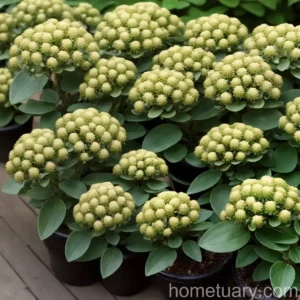
Euphorbia tirucalli ‘Sticks on Fire’ (Fire Sticks)
Plants have always been fascinating organisms that captivate us with their beauty, diversity, and essential role in the ecosystem. From their ability to convert sunlight into energy through the process of photosynthesis to their immense medicinal and ornamental value, plants continue to be a subject of extensive study and admiration. Among the plethora of plant species, Euphorbia stands out for its diverse and intriguing characteristics. In this blog post, we will delve into the captivating world of Euphorbia tirucalli ‘Sticks on Fire’, commonly known as Fire Sticks, exploring its unique features, care requirements, propagation methods, and much more.
What is Euphorbia tirucalli ‘Sticks on Fire’ (Fire Sticks)?
Euphorbia tirucalli ‘Sticks on Fire’ is a striking succulent shrub that belongs to the Euphorbiaceae family. This particular variety is renowned for its vivid red, orange, and yellow stems, which resemble flames, thus earning it the moniker “Fire Sticks.” Originating from tropical and subtropical regions of East and South Africa, this plant has garnered considerable attention for its ornamental appeal and relatively low maintenance requirements.
Key Takeaways – Euphorbia tirucalli ‘Sticks on Fire’ (Fire Sticks)
Before delving into the specifics of caring for Euphorbia tirucalli ‘Sticks on Fire’, let’s first highlight the key takeaways associated with this unique plant.
- Stunning succulent shrub with vibrant red, orange, and yellow stems.
- Native to tropical and subtropical regions of East and South Africa.
- Often referred to as ‘Fire Sticks’ due to its resemblance to flames.
- Possesses ornamental value and is relatively low-maintenance.
- Belongs to the Euphorbiaceae family, known for its diverse and intriguing species.
With the essential overview complete, let’s move on to understanding the specific care requirements for nurturing Euphorbia tirucalli ‘Sticks on Fire’.
Culture
Understanding the cultural requirements of Euphorbia tirucalli ‘Sticks on Fire’ is crucial to ensuring its optimal growth and vibrant appearance. This section will cover various cultural aspects, including water, sunlight, fertilizer, soil, and pruning techniques.
Water
One of the critical aspects of caring for Euphorbia tirucalli ‘Sticks on Fire’ is managing its water requirements. As a succulent plant, it is adapted to dry and arid conditions, making it relatively drought-tolerant. Therefore, it is essential to exercise caution when watering this plant, as overwatering can lead to root rot and other water-related issues.
Here are some essential tips for watering Euphorbia tirucalli ‘Sticks on Fire’:
- Allow the Soil to Dry: Before watering the plant again, ensure that the soil has dried out almost entirely. Testing the moisture level before each watering session is crucial to prevent overwatering.
- Use Well-Draining Soil: Planting Euphorbia tirucalli ‘Sticks on Fire’ in well-draining soil facilitates proper water evaporation and prevents waterlogging.
- Modify Watering Frequency Based on Seasons: During the active growing season, you may need to water the plant more frequently. In contrast, reduce watering during the plant’s dormant phase, typically in winter.
Sunlight
Proper exposure to sunlight is vital for the health and vibrancy of Euphorbia tirucalli ‘Sticks on Fire’. In its natural habitat, this plant thrives in full sun to partial shade, demonstrating its adaptability to different light conditions.
Key considerations for providing adequate sunlight include:
- Full Sun Exposure: Ideally, place the plant in an area that receives direct sunlight for a significant part of the day. However, it can also tolerate partial shade if necessary.
- Monitor Leaf Color: Pay attention to the color of the plant’s leaves. Bright, vibrant colors indicate that it is receiving adequate sunlight. If the colors appear dull or faded, consider providing more direct sunlight.
- Rotate the Plant: To ensure uniform growth and prevent uneven exposure to sunlight, periodically rotate the plant to distribute light effectively.
Fertilizer
While Euphorbia tirucalli ‘Sticks on Fire’ is adapted to nutrient-deficient conditions, providing it with occasional fertilization can support healthy growth and maintain its ornamental appeal. When selecting a fertilizer, opt for a balanced, water-soluble blend that is diluted to prevent nutrient buildup in the soil.
Key points to consider for fertilizing Euphorbia tirucalli ‘Sticks on Fire’ include:
- Use a Balanced Fertilizer: Select a balanced fertilizer with equal NPK (nitrogen, phosphorus, and potassium) ratios to ensure all-round nutrient support.
- Apply Sparingly: Fertilize sparingly during the active growing season, typically from spring to early fall, and refrain from fertilizing during the winter months.
- Dilute Concentrated Fertilizer: Always dilute the fertilizer to half or even quarter strength to avoid damaging the plant’s roots.
Soil
Choosing the right type of soil for Euphorbia tirucalli ‘Sticks on Fire’ is crucial for promoting optimal root development and overall plant health. As a succulent plant, it requires well-draining soil that prevents waterlogging and root rot.
Here’s what to consider when selecting or preparing soil for this plant:
- Opt for Cactus or Succulent Mix: These types of soil blends are specifically formulated to provide excellent drainage and aeration, both of which are essential for succulent plants like Euphorbia tirucalli.
- Enhance Drainage: Amending the soil with perlite or coarse sand can further improve drainage and prevent water accumulation around the roots.
- Avoid Excessive Organic Matter: While organic matter is beneficial for soil fertility, excessive amounts can lead to moisture retention, which is unsuitable for succulents.
Pruning
Pruning is an essential aspect of caring for Euphorbia tirucalli ‘Sticks on Fire’, primarily for shaping the plant, removing dead or damaged parts, and promoting healthy growth. However, it is crucial to approach pruning with caution due to the plant’s toxic latex sap, which can cause skin irritation and other adverse effects.
Consider the following tips for pruning Euphorbia tirucalli ‘Sticks on Fire’:
- Wear Protective Gear: Prior to pruning, ensure that you are wearing protective gloves and other gear to avoid direct contact with the plant’s sap.
- Use Clean, Sharp Tools: Always use clean and sharp pruning shears to make precise cuts and reduce the risk of introducing infections to the plant.
- Prune in Spring or Early Summer: The active growing season is the ideal time for pruning, as the plant can readily recover from the pruning wounds.
Propagation
The propagation of Euphorbia tirucalli ‘Sticks on Fire’ offers a rewarding opportunity to expand your collection of these vibrant and visually striking plants. Understanding the various propagation methods and their corresponding requirements is essential for successfully propagating new Fire Sticks plants.
Propagation via Cuttings
Propagating Euphorbia tirucalli ‘Sticks on Fire’ through cuttings is one of the most common and reliable methods. Follow these steps for successful propagation:
- Select Healthy Cuttings: Choose a mature and healthy stem to take cuttings from. Avoid using weak or damaged stems for propagation.
- Allow Cuttings to Callus: After taking the cuttings, allow them to air dry and form a callus at the cut ends. This step is crucial for preventing rotting during the propagation process.
- Plant the Cuttings: Once callused, plant the cuttings in a well-draining succulent mix, ensuring that they are partially buried in the soil.
- Provide Optimal Conditions: Place the planted cuttings in a warm, bright location with indirect sunlight, and avoid overwatering to prevent rotting.
Propagation via Seeds
While less common, propagating Euphorbia tirucalli ‘Sticks on Fire’ from seeds offers an alternative method for expanding your plant collection. Keep the following considerations in mind if you choose to propagate from seeds:
- Select Quality Seeds: Obtain seeds from a reputable source to ensure high germination rates and genetic integrity.
- Sow Seeds in Well-Draining Medium: Plant the seeds in a well-draining, coarse medium to support healthy root development.
- Maintain Warmth and Moisture: Provide consistent warmth and moisture to encourage germination and seedling growth.
- Exercise Patience: Seed propagation may take longer than cuttings, so patience is essential throughout the process.
Container Popularity
The striking appearance and relatively compact size of Euphorbia tirucalli ‘Sticks on Fire’ make it a popular choice for container gardening. Whether indoors or outdoors, growing this plant in containers offers several advantages, including portability, easy maintenance, and the ability to control its growing conditions.
Container Planting Considerations
When selecting a container for Euphorbia tirucalli ‘Sticks on Fire’, consider the following factors to ensure optimal growth and visual appeal:
- Drainage Holes: Choose a container with adequate drainage holes to prevent waterlogging, a common issue in container plants.
- Size and Growth Potential: Select a container that accommodates the plant’s current size while allowing some room for future growth. However, avoid excessively large containers, as they can retain excess moisture around the roots.
- Material and Aesthetics: Opt for containers made of non-porous materials such as plastic, fiberglass, or glazed ceramic to reduce water evaporation. Additionally, consider the aesthetic appeal of the container in relation to the plant’s vibrant colors.
- Portability: If you intend to move the plant regularly, consider the weight and portability of the container, especially for larger specimens.
Common Diseases
While Euphorbia tirucalli ‘Sticks on Fire’ is relatively resilient, it is susceptible to certain diseases and issues that can affect its overall health and appearance. Understanding these common diseases, their symptoms, and appropriate preventive measures is crucial for maintaining the plant’s vigor.
Disease Diagnosis and Prevention
Here are some common diseases and issues that may affect Euphorbia tirucalli ‘Sticks on Fire’:
- Powdery Mildew: Characterized by a powdery white substance on the plant’s leaves, powdery mildew can hinder photosynthesis and overall plant health. To prevent this, ensure proper air circulation and avoid overhead watering.
- Root Rot: Overwatering or poorly draining soil can lead to root rot, causing the plant to wilt and exhibit yellowing or browning of the lower leaves. Preventative measures include using well-draining soil and adjusting the plant’s watering regimen.
- Mealybugs and Aphids: These common pests can infest the plant, leading to stunted growth and leaf yellowing. Regularly inspect the plant for signs of infestation and treat with suitable insecticidal solutions if necessary.
To prevent these issues, ensure that the plant is grown in optimal conditions, including well-draining soil, adequate sunlight, and proper ventilation. Additionally, monitoring the plant regularly allows for early detection of any potential problems, enabling prompt intervention.
Common Pests
In addition to diseases, Euphorbia tirucalli ‘Sticks on Fire’ may also fall victim to various pests that can impact its health and vitality. Understanding the potential pests and implementing appropriate control measures is crucial for preserving the plant’s beauty and vigor.
Pest Control Methods
Here are some common pests that may affect Euphorbia tirucalli ‘Sticks on Fire’ and methods for controlling them:
- Mealybugs: These small, white, cottony insects can cluster on the plant’s stems and leaves, sapping its vitality. Control mealybug infestations by gently wiping the affected areas with a cotton swab dipped in rubbing alcohol.
- Aphids: Aphids can cause leaf curling and yellowing, impacting the plant’s overall growth. Use a strong stream of water to dislodge aphids from the plant, or apply insecticidal soap if the infestation is severe.
- Scale Insects: Identified by small, waxy bumps on the stems and leaves, scale insects can weaken the plant over time. Remove scale insects manually using a soft brush or cotton swab dipped in rubbing alcohol.
Regularly inspecting the plant for signs of pest infestation and promptly addressing any issues can effectively mitigate the impact of pests on Euphorbia tirucalli ‘Sticks on Fire’.
Botanist’s Tips
As a plant scientist with a deep appreciation for the intriguing characteristics of Euphorbia tirucalli ‘Sticks on Fire’, I offer the following tips to fellow enthusiasts and horticulturists:
- Respect the Plant’s Toxicity: Always handle Euphorbia tirucalli with caution, as its toxic latex sap can cause skin irritation and other adverse effects. Wear protective gloves and exercise care when pruning, repotting, or propagating the plant.
- Allow for Adequate Air Circulation: Proper air circulation is crucial for preventing fungal diseases and maintaining the overall health of the plant. When situating Euphorbia tirucalli indoors, ensure sufficient ventilation to prevent stagnant air around the plant.
- Regularly Monitor Growth Patterns: Observing the growth habits and coloration of Euphorbia tirucalli ‘Sticks on Fire’ allows for early detection of any issues and adjustments to its growing conditions. This attentive approach supports the plant’s overall well-being.
Fun Facts
To further ignite your fascination with Euphorbia tirucalli ‘Sticks on Fire’, here are some intriguing and delightful facts about this striking succulent:
- In its native habitat, Euphorbia tirucalli has been used for various medicinal purposes, including alleviating inflammation and treating skin conditions.
- The plant’s vibrant stem colors intensify in response to increased sunlight, resulting in more pronounced red, orange, and yellow hues.
- Euphorbia tirucalli possesses remarkable resilience and can withstand extended periods of drought, making it well-suited for xeriscaping and arid gardens.
- The plant’s unique appearance and striking coloration make it a captivating centerpiece in succulent gardens and arid landscaping themes.
Links to External Resources
For further exploration of Euphorbia tirucalli ‘Sticks on Fire’, I highly recommend the following external resources:
- University of Florida Gardening Solutions – Euphorbia tirucalli Information
- Royal Horticultural Society – Growing Euphorbias
- Missouri Botanical Garden – Euphorbia tirucalli Profile
I hope this comprehensive guide has kindled a deeper appreciation for the captivating allure and unique care requirements of Euphorbia tirucalli ‘Sticks on Fire’. Whether you are a seasoned plant enthusiast or a novice gardener, nurturing this vibrant succulent is a rewarding and fascinating endeavor.
The above blog post provides an in-depth exploration of the captivating world of Euphorbia tirucalli ‘Sticks on Fire’ (Fire Sticks), covering its cultural requirements, propagation methods, common diseases and pests, and insightful botanist’s tips. The inclusion of fun facts and external resource links further enriches the reader’s understanding and appreciation of this unique plant.