Euphorbia Palustris (Marsh Spurge): A Comprehensive Guide
Introduction
As a plant scientist, I often come across various species of plants that captivate not only my professional interest but also my personal curiosity. One such intriguing plant is Euphorbia palustris, commonly known as Marsh Spurge. In this comprehensive guide, I will delve into the characteristics, habitat, cultivation, and care tips for Euphorbia palustris, covering everything from basic requirements to its potential uses and maintenance. So let’s begin our journey into the captivating world of Euphorbia palustris.
What is Euphorbia palustris (Marsh Spurge)?
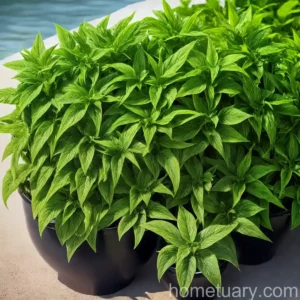
Euphorbia palustris is a perennial plant species belonging to the family Euphorbiaceae. This fascinating plant is native to Europe and Asia and is known for its striking appearance. Marsh Spurge earned its name due to its tendency to grow in marshy or wetland areas, where it thrives amidst moist soil and moderate sunlight. The distinctive feature of this plant is its vibrant green foliage and striking, unassuming flowers that add a touch of elegance to its surroundings.
Euphorbia palustris Characteristics
- Scientific Name: Euphorbia palustris
- Family: Euphorbiaceae
- Native Range: Europe and Asia
- Habitat: Marshy or wetland areas
- Hardiness Zone: USDA zones 5 to 8
- Growth Form: Perennial
- Foliage Color: Bright green
- Flowering Season: Late spring to early summer
- Toxicity: All parts are poisonous if ingested
Key Takeaways – Euphorbia palustris (Marsh Spurge)
Before diving into the specifics of growing and caring for Euphorbia palustris, let’s explore some key takeaways about this intriguing plant.
Culture
- Euphorbia palustris is a resilient plant that thrives in moist and well-draining soil.
- It is often found in marshy or wetland areas, indicating its preference for consistently moist conditions.
- The plant’s striking appearance makes it an attractive addition to gardens and landscapes.
Uses
- While Euphorbia palustris is best known for its ornamental value, it has also been traditionally used in herbal medicine, albeit with caution due to its toxic properties.
Water
- This species requires consistently moist soil, making it well-suited for wetland or boggy areas in garden settings.
- Adequate moisture is crucial for the plant’s overall health and growth.
Sunlight
- Euphorbia palustris thrives in partial to full sunlight, making it adaptable to a range of light conditions.
Fertilizer
- Minimal fertilizer is required, as the plant is adapted to nutrient-poor soils.
Soil
- Well-draining, slightly acidic to neutral soil is ideal for Euphorbia palustris.
- It has a preference for moist or damp soil conditions.
Pruning
- Regular deadheading can encourage continuous blooming and maintain the plant’s appearance.
- Care should be taken when pruning or handling the plant due to its toxic sap.
Propagation
- The plant can be propagated through seeds or division, with division being the preferred method due to the plant’s tendency to self-sow aggressively.
Container Popularity
- Euphorbia palustris can be grown in containers provided that the soil remains consistently moist.
Euphorbia palustris Habitat
Euphorbia palustris is commonly found in marshes, wet meadows, and other habitats with consistently moist soil. Its native range includes regions of Europe and Asia where such wetland environments exist. The plant’s ability to thrive in these conditions makes it an excellent choice for landscaping in areas with persistent moisture or even near water features in gardens.
Marsh Spurge Growth Requirements
Understanding the specific growth requirements of Euphorbia palustris is essential for successfully cultivating and maintaining this plant in various settings.
Water Requirements
- Moisture: The plant thrives in consistently moist soil. In garden settings, it is essential to ensure that the soil does not dry out completely, especially during dry periods.
- Watering: Regular watering, especially during periods of drought, is crucial for the health of Euphorbia palustris.
Sun Exposure
- Sunlight: Euphorbia palustris prefers partial to full sunlight, although it can tolerate some shade.
- Adaptability: This adaptability to a range of light conditions makes it versatile in landscaping.
Soil Preferences
- Drainage: Well-draining soil is essential to prevent waterlogging, especially in garden settings.
- Acidity: Slightly acidic to neutral soil pH is preferred by Euphorbia palustris.
- Moisture Retention: The soil should be able to retain moisture, given the plant’s preference for consistently moist conditions.
Euphorbia palustris Care Tips
Caring for Euphorbia palustris involves providing the right environmental conditions and addressing its specific needs to support healthy growth and blooming.
Planting
- Selecting a suitable location with moist, well-draining soil and partial to full sun exposure is crucial for successful planting.
- Incorporate organic matter into the soil and ensure proper drainage to create an optimal environment for the plant.
Watering
- Consistently moist soil is essential, especially during the growing season and periods of drought.
- Regular and thorough watering can help maintain the required moisture levels for the plant.
Fertilization
- Minimal fertilization is necessary, as Euphorbia palustris is adapted to nutrient-poor soils.
- However, a light application of balanced fertilizer in spring can support healthy growth.
Pruning and Deadheading
- Regular deadheading of spent flowers can encourage continuous blooming and maintain the plant’s appearance.
- Care should be taken when pruning or handling the plant to avoid contact with its toxic sap.
Marsh Spurge Gardening
When incorporating Euphorbia palustris into garden landscapes, it’s crucial to consider its growth requirements and potential benefits as an ornamental addition.
Cultivation
- The plant’s adaptability to moist environments makes it ideal for gardens with wetland features or areas prone to periodic waterlogging.
- Consider incorporating it into rain gardens or areas with consistent moisture for naturalizing effects.
Propagation
- Propagation through division is the preferred method, allowing the plant to be separated into smaller sections for transplanting or sharing with other gardeners.
- Collecting and sowing seeds can also be employed for propagation, although it may result in aggressive self-sowing in garden settings.
Pruning Techniques
- Regular deadheading and pruning can help maintain the plant’s appearance and prevent self-sowing in garden settings.
- Care should be taken to avoid exposure to the plant’s toxic sap when handling or pruning.
Marsh Spurge Medicinal Uses
Euphorbia palustris has been traditionally associated with some medicinal uses, although caution should be exercised due to its toxic nature.
Herbal Medicine
- In herbal medicine, certain formulations or preparations containing portions of Euphorbia palustris have been used for various purposes.
- However, the plant’s toxic properties necessitate careful consideration and expert guidance before any medicinal use.
Toxicity Information
- All parts of Euphorbia palustris are poisonous if ingested, with the milky sap being a known irritant to the skin and mucous membranes.
- Knowledge of its toxicity is crucial when handling the plant and should be communicated to others, especially if placed in garden settings accessible to children or pets.
Marsh Spurge Landscape Ideas
In landscaping, Euphorbia palustris offers unique possibilities due to its distinct features and adaptability to moist environments.
Native Range
- Incorporating locally native plants such as Euphorbia palustris into landscape designs can promote biodiversity and complement regional ecosystems.
Color Variations
- The vibrant green foliage of Euphorbia palustris can add refreshing color to garden borders and mixed plantings, creating visually appealing landscapes.
Flower Arrangement
- The plant’s unassuming flowers can be incorporated into floral arrangements and bouquets, potentially adding a unique touch to decorative displays.
Wildlife Benefits
- Euphorbia palustris can offer benefits to local wildlife, attracting pollinators and contributing to the overall ecological balance in garden settings.
Marsh Spurge Wildlife Garden
Creating a wildlife-friendly garden can involve the intentional selection of plants such as Euphorbia palustris to support local fauna.
Pollinator-Friendly
- The plant’s flowers can attract pollinators such as bees and butterflies, contributing to the health of local pollinator populations.
Beneficial Insects
- Euphorbia palustris can provide habitat and food sources for beneficial insects, contributing to natural pest control in garden ecosystems.
Links to External Resources
To further enrich your understanding of Euphorbia palustris and its cultivation, I recommend exploring the following resources:
- Royal Horticultural Society – Euphorbia palustris
- Missouri Botanical Garden – Euphorbia palustris
- The Plant List – Euphorbia palustris
Conclusion
In this extensive guide, we’ve explored the captivating world of Euphorbia palustris (Marsh Spurge), uncovering its unique characteristics, growth requirements, care tips, potential uses, and landscaping possibilities. From its adaptability to moist environments to its ornamental value in garden settings, Euphorbia palustris offers a plethora of opportunities for both plant enthusiasts and landscape designers. As with any plant, understanding its specific needs and potential partnerships with other flora and fauna can lead to the creation of vibrant and sustainable garden ecosystems where Euphorbia palustris thrives alongside its botanical and animal neighbors.
Whether you’re considering incorporating Euphorbia palustris into your garden or seeking to broaden your knowledge of plant species, I hope this guide serves as a valuable resource for your botanical endeavors.
Remember to approach the cultivation and handling of Euphorbia palustris with care and consideration for its unique attributes, and enjoy the natural beauty it brings to your outdoor spaces.
Happy gardening!