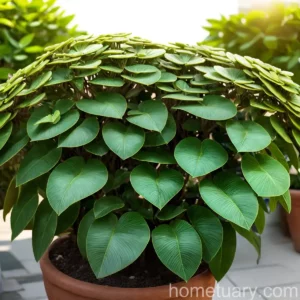
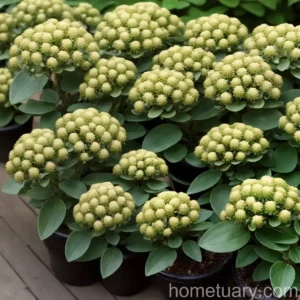
Euphorbia cyparissias ‘Fens Ruby’ (Cypress Spurge): A Comprehensive Guide
Euphorbia cyparissias ‘Fens Ruby’, commonly known as Cypress Spurge, is a visually striking plant that has gained popularity among gardeners for its unique characteristics and versatility. In this comprehensive guide, we will explore the various aspects of this plant, including its culture, uses, maintenance requirements, and more. Whether you are a seasoned gardener or someone just starting out, this guide will provide you with valuable insights into cultivating and caring for the captivating Cypress Spurge.
What is Euphorbia cyparissias ‘Fens Ruby’ (Cypress Spurge)?
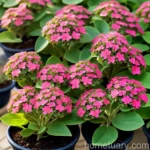
Euphorbia cyparissias ‘Fens Ruby’ is a herbaceous perennial plant known for its vibrant foliage and remarkable adaptability. Belonging to the Euphorbiaceae family, this plant is native to Europe and Asia. It is characterized by its finely textured, needle-like foliage, which emerges in shades of green with stunning red and purple hues during the spring season. As the plant matures, its foliage transforms into a striking bronze-red color, adding a visually appealing element to any garden or landscape.
Key Takeaways – Euphorbia cyparissias ‘Fens Ruby’ (Cypress Spurge)
Before delving deeper into the specific aspects of cultivating and caring for Cypress Spurge, let’s highlight some key takeaways about this fascinating plant.
Culture
- Euphorbia cyparissias ‘Fens Ruby’ is a relatively low-maintenance plant that thrives in a variety of growing conditions.
- Its adaptability makes it suitable for both traditional gardens and more naturalistic landscapes.
Uses
- Cypress Spurge is often used in garden borders, rock gardens, and as a ground cover due to its spreading habit and attractive foliage.
- The plant’s unique coloration and texture make it a valuable addition to flower arrangements and landscape designs.
Water
- This plant demonstrates good tolerance to drought once established, making it an excellent choice for water-wise gardening.
Sunlight
- Euphorbia cyparissias ‘Fens Ruby’ prefers full sun to partial shade, although it can still thrive in challenging light conditions.
Fertilizer
- Minimal fertilization is typically required, as this plant is relatively self-sufficient in nutrient uptake.
Soil
- Cypress Spurge prefers well-draining soil and can adapt to various soil types, including sandy and loamy soils.
Pruning
- Regular deadheading and removal of spent flower stalks can help maintain the plant’s appearance and prevent self-seeding.
Propagation
- Propagation of Euphorbia cyparissias ‘Fens Ruby’ can be achieved through division or by collecting and sowing its seeds.
Container Popularity
- It is often grown in containers due to its ability to create a cascading effect with its sprawling growth habit.
Common Diseases
- Proper air circulation and well-drained soil help prevent common fungal diseases such as powdery mildew.
Disease Diagnosis
- Monitoring the plant for signs of discoloration, wilting, or unusual growth can aid in early detection and management of potential diseases.
Common Pests
- Aphids and spider mites are among the common pests that may affect Cypress Spurge. Regular inspection and insect control measures can help mitigate pest infestations.
Botanist’s Tips
- When handling Euphorbia cyparissias ‘Fens Ruby’, it is essential to wear gloves and exercise caution, as the plant’s sap can be toxic and irritating to the skin and eyes.
Fun Facts
- Cypress Spurge is known for its milky sap, which has historically been used for various medicinal purposes, although caution should be exercised due to its toxic properties.
Now that we have an overview of the key aspects of Euphorbia cyparissias ‘Fens Ruby’, let’s delve deeper into each of these elements to gain a comprehensive understanding of this fascinating plant.
Euphorbia cyparissias ‘Fens Ruby’ Culture
Cultivating Euphorbia cyparissias ‘Fens Ruby’ involves understanding its preferred growing conditions, including water, sunlight, soil, and fertilizer requirements. By optimizing these cultural factors, gardeners can ensure the plant’s healthy growth and vibrant appearance.
Water
Euphorbia cyparissias ‘Fens Ruby’ exhibits good drought tolerance once established, making it well-suited for water-wise gardening and landscapes with sporadic rainfall. However, during the plant’s establishment phase, consistent watering is essential to encourage root development and overall vigor. Proper drainage is crucial to prevent waterlogging, which can lead to root rot and other moisture-related issues.
To determine the plant’s watering needs, gardeners can assess the soil moisture level by inserting a finger into the soil. If the soil feels dry to the touch, it is an indication that the plant may require watering. However, it is important to avoid excessive irrigation, as Euphorbia cyparissias ‘Fens Ruby’ is adapted to withstand periods of limited water availability.
Euphorbia cyparissias ‘Fens Ruby’ Water Needs
Euphorbia cyparissias ‘Fens Ruby’ typically requires moderate watering, especially during the active growing season. However, once established, the plant can often thrive with minimal supplemental watering. It is important to strike a balance to prevent water stress without creating overly saturated soil conditions.
Sunlight
Proper sunlight exposure is essential for promoting the robust growth and vivid foliage coloration of Euphorbia cyparissias ‘Fens Ruby’. While the plant thrives in full sun, it can also adapt to partial shade conditions, making it suitable for a variety of garden settings. However, insufficient sunlight may result in reduced foliage color intensity and diminished overall vigor.
Gardeners should consider the local climate and environmental conditions when determining the ideal sunlight exposure for Cypress Spurge. In regions with intense afternoon sun and high temperatures, providing partial shade during the hottest parts of the day can help protect the plant from excessive heat stress.
Cypress Spurge ‘Fens Ruby’ Sunlight Requirements
- Full Sun: 6-8 hours of direct sunlight per day
- Partial Shade: Filtered or dappled sunlight for a portion of the day
Fertilizer
Euphorbia cyparissias ‘Fens Ruby’ is relatively self-sufficient in nutrient uptake, requiring minimal fertilization in most garden settings. During the plant’s active growing season, a light application of balanced, slow-release fertilizer can help support its overall health and vigor. It is important to avoid over-fertilization, as this can potentially lead to excessive foliage growth at the expense of vibrant coloration.
When selecting a fertilizer for Cypress Spurge, gardeners can choose a general-purpose, balanced formula with an equal ratio of nitrogen, phosphorus, and potassium (N-P-K), such as 10-10-10 or 20-20-20. Alternatively, organic fertilizers can also be used to provide a gentle and sustainable nutrient source for the plant.
By following a regular fertilization schedule, gardeners can help ensure that Euphorbia cyparissias ‘Fens Ruby’ receives the essential nutrients it needs to thrive without creating an overly lush or leggy growth habit.
Euphorbia cyparissias ‘Fens Ruby’ Maintenance
Maintaining Cypress Spurge involves various practices, including pruning, propagation, pest and disease management, and general care guidelines. By integrating these maintenance measures into the plant’s cultivation routine, gardeners can promote the plant’s long-term health and aesthetic appeal.
Soil
Euphorbia cyparissias ‘Fens Ruby’ thrives in well-draining soil and can adapt to a wide range of soil types, including sandy, loamy, and rocky soils. The plant is resilient in the face of challenging soil conditions, making it an excellent choice for gardens with less-than-ideal soil quality. However, to optimize its growth and coloration, providing well-draining soil with adequate aeration is crucial.
Gardeners can assess the soil drainage by observing how quickly water permeates the soil and drains away from the planting site. If the soil has poor drainage and retains water for an extended period, amending it with organic matter, such as compost or well-rotted manure, can help improve its structure and porosity.
Cypress Spurge ‘Fens Ruby’ Soil Conditions
- Well-Draining: Adequate drainage to prevent waterlogging
- Neutral to Slightly Alkaline pH: Preferred soil pH range of 6.0-7.5
By considering the soil characteristics and making necessary amendments, gardeners can create an ideal growing environment for Euphorbia cyparissias ‘Fens Ruby’, promoting optimal root development and overall plant health.
Pruning
Pruning and deadheading Euphorbia cyparissias ‘Fens Ruby’ play a key role in maintaining the plant’s appearance, controlling its growth, and preventing self-seeding. The plant’s sprawling habit and prolific seed production make regular pruning an essential practice to prevent it from becoming invasive and overbearing in the garden.
When deadheading spent flowers and removing old or damaged foliage, it is important to wear gloves and exercise caution, as the plant’s milky sap can be irritating to the skin and eyes. By using sharp, clean pruners, gardeners can carefully remove the targeted plant parts while minimizing damage and stress to the overall plant.
Euphorbia cyparissias ‘Fens Ruby’ Pruning Techniques
- Deadhead spent flowers to prevent self-seeding
- Remove old or damaged foliage for aesthetic and health reasons
By incorporating regular pruning into the plant’s maintenance routine, gardeners can help promote a tidy and visually appealing appearance for Euphorbia cyparissias ‘Fens Ruby’ throughout the growing season.
Propagation
Propagating Euphorbia cyparissias ‘Fens Ruby’ allows gardeners to expand their plant collection and share this captivating species with others. The plant can be propagated through division or by collecting and sowing its seeds, providing multiple avenues for increasing its presence in the garden and landscape.
Euphorbia cyparissias ‘Fens Ruby’ Propagation Methods
- Division: Separating established clumps into smaller sections and replanting them to establish new individuals
- Seed Collection: Harvesting ripe seeds for sowing and germination in a suitable growing medium
By exploring these propagation methods, gardeners can propagate Euphorbia cyparissias ‘Fens Ruby’ with confidence, expanding its presence and enhancing the visual appeal of their outdoor spaces.
Container Popularity
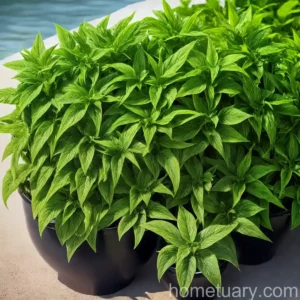
Growing Euphorbia cyparissias ‘Fens Ruby’ in containers provides an opportunity to showcase its unique growth habit and vibrant foliage in a controlled environment. The plant’s cascading form and captivating coloration make it a popular choice for container gardening, enabling gardeners to create striking focal points and add visual interest to patios, decks, and other outdoor living areas.
Cypress Spurge ‘Fens Ruby’ Container Gardening Tips
- Select a well-draining potting mix with added perlite or coarse sand to promote optimal drainage
- Choose a container with adequate drainage holes to prevent waterlogging
- Maintain consistent watering and provide appropriate sunlight exposure for the plant’s needs
- Consider using Euphorbia cyparissias ‘Fens Ruby’ as a “spiller” in mixed container arrangements to create a cascading effect
By incorporating Euphorbia cyparissias ‘Fens Ruby’ into container designs, gardeners can unleash its decorative potential and enjoy its captivating beauty in various outdoor settings.
Now that we have explored the cultural aspects and maintenance requirements of Euphorbia cyparissias ‘Fens Ruby’, let’s shift our focus to the plant’s disease and pest management, as well as additional insights and fun facts about this remarkable species.
Euphorbia cyparissias ‘Fens Ruby’ Common Diseases
Maintaining the health and vitality of Euphorbia cyparissias ‘Fens Ruby’ involves vigilant monitoring for common diseases that may affect the plant. By familiarizing themselves with potential disease issues and implementing proactive measures, gardeners can help protect Cypress Spurge from ailments that can compromise its growth and appearance.
Disease Diagnosis
Early detection and diagnosis of potential diseases are crucial for implementing timely and effective management strategies. Gardeners should routinely inspect their plants for signs of discoloration, wilting, distorted growth, or other abnormal symptoms that may indicate the presence of a disease. By identifying these symptoms early on, gardeners can take appropriate steps to address the underlying issues and prevent the disease from spreading.
Common Pests
Aphids and spider mites are among the common pests that may affect Euphorbia cyparissias ‘Fens Ruby’. These small insects can cause damage to the plant by feeding on its foliage and sap, potentially leading to decreased vigor and aesthetic impairment. Regular inspection of the plant for signs of pest infestations, such as stippling, webbing, or visible insects, can help gardeners identify and address pest issues promptly.
Cypress Spurge ‘Fens Ruby’ Pest Management
- Monitor the plant regularly for signs of aphids, spider mites, and other potential pests
- Use gentle water sprays or insecticidal soaps to control insect populations without harming beneficial organisms
By remaining vigilant and implementing appropriate pest management techniques, gardeners can help safeguard Euphorbia cyparissias ‘Fens Ruby’ from the damaging effects of common pests.
Botanist’s Tips
When working with Euphorbia cyparissias ‘Fens Ruby’, it is important to exercise caution and follow best practices to ensure a safe and enjoyable gardening experience. The plant’s milky sap contains toxic compounds and can cause skin and eye irritation, making it essential to take appropriate precautions when handling the plant.
Euphorbia cyparissias ‘Fens Ruby’ Handling Tips
- Wear gloves and protective clothing when pruning or tending to Cypress Spurge
- Avoid contact with the plant’s sap and wash hands thoroughly after handling it
- Keep the plant out of reach of children and pets to prevent accidental exposure
By prioritizing safety and awareness, gardeners can cultivate Euphorbia cyparissias ‘Fens Ruby’ while minimizing potential risks and ensuring a positive gardening experience.
Fun Facts
Medicinal Uses
Historically, the milky sap of Euphorbia species, including Euphorbia cyparissias, has been utilized for various medicinal purposes, ranging from treating skin ailments to addressing internal health concerns. However, it is important to note that these uses are based on traditional practices and should be approached with caution due to the plant’s toxic properties.
Wildlife Benefits
Euphorbia cyparissias ‘Fens Ruby’ can provide valuable habitat and food sources for pollinators and beneficial insects, contributing to the overall health and biodiversity of the surrounding ecosystem. The plant’s nectar-rich flowers and foliage may attract various pollinators, including butterflies, bees, and other beneficial insects.
By learning about the cultural significance and ecological contributions of Euphorbia cyparissias ‘Fens Ruby’, gardeners can gain a deeper appreciation for this captivating species and its role within the natural world.
In the next section, we will explore additional resources and links to further expand our knowledge of Euphorbia cyparissias ‘Fens Ruby’ and its cultivation potential.
Links to External Resources
Plant Name: “Euphorbia cyparissias ‘Fens Ruby’ (Cypress Spurge)”
Here are some valuable external resources that provide in-depth insights into Euphorbia cyparissias ‘Fens Ruby’ and its cultivation:
- Royal Horticultural Society – Euphorbia cyparissias ‘Fens Ruby’
- Missouri Botanical Garden – Euphorbia cyparissias ‘Fens Ruby’
- University of Wisconsin-Madison Master Gardener Program – Euphorbia cyparissias
- American Horticultural Society – Euphorbia cyparissias ‘Fens Ruby’
By exploring these resources, gardeners can access a wealth of information from reputable sources, further expanding their knowledge and understanding of Euphorbia cyparissias ‘Fens Ruby’ and its horticultural significance.
In conclusion, Euphorbia cyparissias ‘Fens Ruby’ (Cypress Spurge) presents an intriguing combination of visual appeal, adaptability, and ecological contributions, making it a valuable addition to diverse garden settings and landscapes. By leveraging the insights and recommendations provided in this comprehensive guide, gardeners can cultivate and care for this captivating species with confidence, unleashing its decorative potential and contributing to the overall beauty and biodiversity of their outdoor spaces. Whether used as a ground cover, container specimen, or focal point in a garden border, Euphorbia cyparissias ‘Fens Ruby’ offers a multitude of possibilities for enhancing and enriching the garden experience.
Remember to approach gardening tasks and plant interactions with mindfulness and respect for the plant’s natural properties, and enjoy the process of nurturing and appreciating the multifaceted beauty of Euphorbia cyparissias ‘Fens Ruby’.
This comprehensive guide has been prepared with the utmost care and attention to detail. However, it is always recommended to verify information with local experts and horticultural professionals to ensure the suitability and success of specific cultural practices and plant care routines in diverse environmental conditions.
If you have any questions or would like to share your experiences with cultivating Euphorbia cyparissias ‘Fens Ruby’, feel free to connect with us and join the conversation on plant care and horticulture.
Note: The content provided in this guide is for informational purposes only and is not intended to serve as professional horticultural or medical advice. Readers are encouraged to consult with local gardening experts and healthcare professionals for personalized guidance and recommendations.