Dragon’s Mouth (Arethusa Bulbosa): A Fascinating Orchid Species
In the world of botany, orchids stand out for their exotic beauty and fascinating diversity. Among the thousands of orchid species, the Dragon’s Mouth (Arethusa Bulbosa) holds a special place due to its unique characteristics and intriguing cultivation requirements. This blog post aims to provide a comprehensive guide to the Dragon’s Mouth orchid, covering everything from its cultural preferences to common diseases and pests. Whether you’re an experienced orchid enthusiast or a beginner looking to expand your plant collection, this article will equip you with valuable insights into the captivating world of Arethusa Bulbosa.
What is the Dragon’s Mouth (Arethusa Bulbosa)?
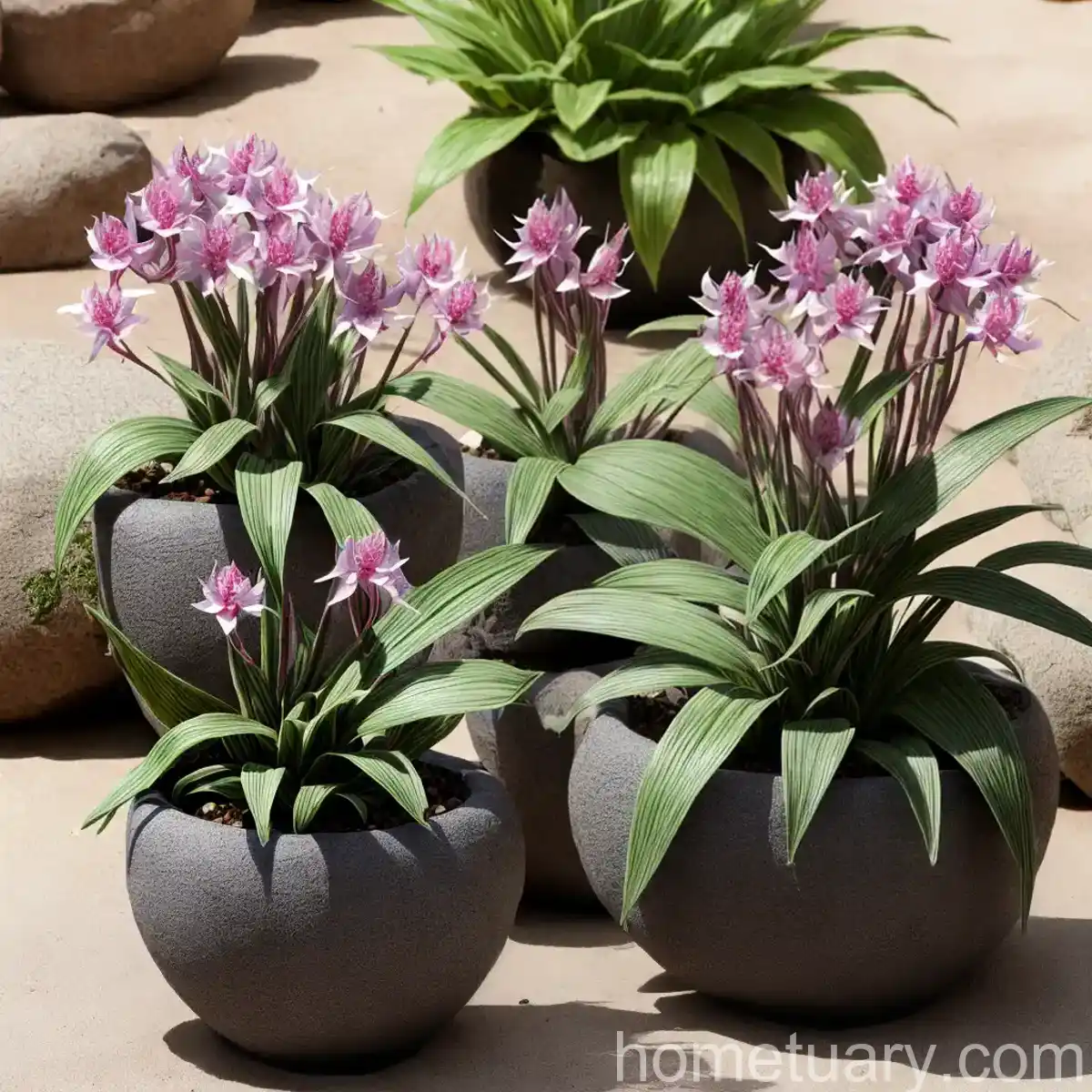
Arethusa Bulbosa, commonly known as the Dragon’s Mouth, is a terrestrial orchid species native to North America. This striking plant is renowned for its vibrant pink flowers with a distinct dragon-like appearance, thus earning its intriguing moniker. In its natural habitat, the Dragon’s Mouth orchid can be found growing in damp, marshy areas, showcasing its affinity for moist environments. The genus name “Arethusa” is derived from Greek mythology, referring to a nymph who was transformed into a spring by the goddess Artemis to escape unwanted attention from a river god. This whimsical nomenclature adds to the allure of the Dragon’s Mouth orchid, evoking a sense of enchantment and enchanting beauty.
Key Takeaways – Dragon’s Mouth (Arethusa Bulbosa)
Before delving into the specific aspects of the Dragon’s Mouth orchid’s care and cultivation, let’s summarize some key takeaways about this captivating plant:
- Common Name: Dragon’s Mouth
- Scientific Name: Arethusa Bulbosa
- Habitat: Native to North America, thrives in damp, marshy areas
- Flowers: Striking pink blooms with a unique dragon-like appearance
- Cultural Preferences: Requires ample water, partial sunlight, and a well-draining growing medium
- Fascinating Fact: Named after the mythical nymph Arethusa, adding a touch of mystique to its identity
With these essential points in mind, let’s explore the intricate details of caring for and cultivating the Dragon’s Mouth orchid, delving into the nuances of its water, sunlight, soil, and fertilizer requirements.
Culture
Water
The Dragon’s Mouth orchid’s affinity for moisture is a defining characteristic that greatly influences its cultural requirements. To mirror its natural habitat, it’s essential to provide consistently moist conditions for the plant. However, it’s crucial to strike a balance to prevent waterlogging, which can lead to root rot and other detrimental issues. When watering the Arethusa Bulbosa, it’s best to observe the following practices:
- Watering Frequency: During the growing season, aim to keep the growing medium consistently moist. However, allow the top layer of the soil to dry out slightly between waterings to prevent excessive dampness.
- Water Quality: Opt for distilled or rainwater to avoid the potential buildup of harmful minerals and chemicals found in tap water. This precaution helps safeguard the Dragon’s Mouth orchid from unnecessary stress and damage.
- Drainage: Ensure that the planting container provides adequate drainage to allow excess water to escape, preventing waterlogged conditions that can compromise the plant’s health.
Sunlight
Balancing sunlight exposure is crucial for the Dragon’s Mouth orchid, as it thrives in partial shade to mimic its natural habitat’s light conditions. Overexposure to direct sunlight can lead to sunburn and leaf damage, while insufficient light may inhibit healthy growth and flowering. When considering sunlight for Arethusa Bulbosa, keep the following points in mind:
- Optimal Light Levels: Provide bright, indirect light for the Dragon’s Mouth orchid, avoiding prolonged exposure to intense, direct sunlight.
- Shade Considerations: If cultivating the plant outdoors, positioning it beneath taller companion plants or light-diffusing structures can help create the ideal balance of sunlight and shade.
- Seasonal Adjustments: During the hottest months, it’s advisable to shield the plant from harsh afternoon sun to prevent stress and sun damage.
Fertilizer
Like all plants, the Dragon’s Mouth orchid benefits from periodic fertilization to support healthy growth and vibrant flowering. However, due to its unique habitat and ecological adaptation, fertilization practices for Arethusa Bulbosa require thoughtful consideration. Here are some essential guidelines for fertilizing the Dragon’s Mouth orchid:
- Frequency: During the growing season, apply a balanced, water-soluble orchid fertilizer at half the recommended strength every 2 to 4 weeks. However, during the dormant winter period, reduce or suspend fertilization to align with the plant’s natural cycle.
- Nutrient Balance: Choose a fertilizer formulated specifically for orchids, ensuring a balanced ratio of essential nutrients such as nitrogen, phosphorus, and potassium. Additionally, select a product with trace elements to support overall plant health.
- Application Method: When applying fertilizer, carefully saturate the growing medium to allow the plant’s roots to absorb the nutrients effectively. Avoid direct contact between the fertilizer and the plant’s leaves and pseudobulbs to prevent potential damage.
Soil
Creating a suitable growing medium for the Dragon’s Mouth orchid is crucial for supporting its health and vitality. As a terrestrial orchid with specific soil preferences, Arethusa Bulbosa thrives in a well-draining, moisture-retentive medium that replicates its natural habitat. Consider the following soil-related aspects when cultivating the Dragon’s Mouth orchid:
- Growing Medium Composition: Blend a mix of fine-grade pine bark, sphagnum moss, and perlite to create a balanced, well-aerated soil that facilitates both moisture retention and efficient drainage. This combination reflects the Dragon’s Mouth orchid’s native environment and supports its physiological requirements.
- Drainage Enhancement: Ensure that the planting container features ample drainage holes to prevent water accumulation, which can lead to root rot and other moisture-related issues. Incorporating a layer of coarse bark or rocks at the bottom of the container further safeguards against waterlogging.
- Moisture Monitoring: Regularly assess the moisture levels within the growing medium to maintain the ideal balance of hydration. Adjust watering frequency and soil composition as needed to optimize the plant’s growing conditions.
Pruning
Appropriate pruning practices play a crucial role in maintaining the Dragon’s Mouth orchid’s health and promoting robust growth. While Arethusa Bulbosa doesn’t require extensive pruning, selective trimming and removal of spent blooms can enhance the plant’s appearance and encourage future flowering. Consider the following pruning guidelines for the Dragon’s Mouth orchid:
- Deadheading Spent Blooms: Remove faded or spent flowers by snipping the stem just above the nearest leaf node. This practice redirects the plant’s energy toward new growth and flowering, preventing the formation of seed pods that can divert resources from floral production.
- Trimming Old Growth: If the plant exhibits signs of aged or withered pseudobulbs or foliage, carefully trim these elements to promote the development of new, healthy growth. Use sterile pruning shears to avoid introducing pathogens to the plant.
- Avoiding Stressful Pruning: Minimize pruning activities during the plant’s dormant period or when it is recovering from transplanting or other environmental stressors. Pruning during these sensitive phases can hinder the plant’s ability to rebound and thrive.
Propagation
The propagation of the Dragon’s Mouth orchid presents an exciting opportunity to expand your plant collection and share the beauty of Arethusa Bulbosa with fellow enthusiasts. While propagating this orchid species requires patience and attention to detail, successful methods can yield rewarding results. Here are some key considerations for propagating the Dragon’s Mouth orchid:
- Division: Division is a reliable method for propagating the Dragon’s Mouth orchid, involving the separation of established pseudobulbs with viable roots into individual plants. This approach is best undertaken during the plant’s active growth phase, offering the best chances of successful establishment for the divided sections.
- Sterile Tools: When performing division and handling plant cuttings, ensure that all tools and equipment are thoroughly sterilized to prevent the introduction of pathogens and infections. Clean, sharp tools help minimize stress and damage to the parent plant and the propagated divisions.
- Patience and Monitoring: After dividing and replanting the sections, provide consistent care and monitor the progress of the propagated plants. Be patient, as it may take some time for the new divisions to establish themselves and resume active growth. Vigilance in monitoring their development is essential for identifying any potential issues early on.
Container Popularity
The Dragon’s Mouth orchid’s popularity as a container plant stems from its unique aesthetic appeal and manageable size, making it an ideal choice for indoor and patio cultivation. Arethusa Bulbosa’s compact growth habit and striking floral display contribute to its desirability as a container specimen. Furthermore, the orchid’s intriguing cultural requirements offer an engaging challenge for plant enthusiasts seeking to expand their horticultural skills.
When cultivating the Dragon’s Mouth orchid in a container, several factors contribute to its popularity and suitability for this growing environment:
- Ornamental Value: The vibrant, dragon-like flowers of the Arethusa Bulbosa make it a captivating addition to any indoor or outdoor space, serving as a focal point of visual interest and botanical allure.
- Space Efficiency: With its compact size and moderate growth rate, the Dragon’s Mouth orchid is well-suited for container cultivation, requiring minimal space while delivering maximal aesthetic impact.
- Cultural Enjoyment: Embracing the challenge of meeting the plant’s specific cultural needs within a container setting can be a rewarding pursuit for avid gardeners and orchid enthusiasts.
Common Diseases
As with any plant, the Dragon’s Mouth orchid is susceptible to certain diseases and disorders that can compromise its health and appearance. Recognizing and understanding these common ailments is essential for implementing preventive measures and swift, effective treatments. When caring for Arethusa Bulbosa, be vigilant for the following common diseases and their associated symptoms:
| Disease | Symptoms | Prevention and Treatment |
|---|---|---|
| Root Rot | Yellowing, wilting, and mushy roots | Ensure proper drainage and avoid overwatering. Remove affected roots. |
| Leaf Spot | Dark, water-soaked lesions on foliage | Maintain proper air circulation and hygiene. Apply fungicidal treatments. |
| Botrytis Blight | Grayish mold on flowers and pseudobulbs | Minimize humidity and provide adequate air circulation. Remove affected parts. |
| Bacterial Rot | Foul odor, soft and discolored tissue | Quarantine affected plants and improve ventilation. Prune and discard affected areas. |
| Viral Infections | Distorted growth, mottled foliage, stunted development | Eliminate affected plants to prevent further spread. Regularly disinfect tools and equipment. |
Disease Diagnosis
Diagnosing diseases and disorders in the Dragon’s Mouth orchid requires careful observation and a keen eye for identifying unusual symptoms and irregularities. When assessing the plant for potential disease issues, consider the following diagnostic factors:
- Symptom Analysis: Examine the plant for any abnormal changes in foliage color and texture, as well as the presence of lesions, spots, or mold. Note any signs of wilting, yellowing, or stunted growth.
- Environmental Conditions: Evaluate the plant’s growing environment, including factors such as temperature, humidity, and air circulation, to determine if any specific conditions may be contributing to potential disease development.
- Root Inspection: Carefully inspect the orchid’s roots for any signs of discoloration, softness, or decay, as root health is integral to overall plant vitality and disease resistance.
Upon identifying potential disease symptoms, prompt action is essential to prevent the spread of the issue and minimize its impact on the plant. Consult with experienced growers or horticultural professionals for accurate diagnosis and targeted treatment recommendations.
Common Pests
In addition to diseases, the Dragon’s Mouth orchid may also encounter infestations of common pests that can compromise its well-being. Implementing proactive pest management practices and identifying potential invaders early on can help safeguard the plant from pest-related damage. Keep an eye out for the following common pests that may affect Arethusa Bulbosa:
- Aphids: Small, sap-sucking insects that can gather on new growth and flower buds, causing distortion and weakening of the plant.
- Spider Mites: Tiny arachnids that create fine webbing and feed on the plant’s tissues, leading to stippled, discolored foliage and diminished vitality.
- Scale Insects: Small, immobile pests that attach to the plant’s stems and leaves, draining its sap and potentially causing wilting and yellowing.
- Thrips: Slim, elongated insects that feed on the plant’s tissues and may cause silvery stippling, distorted growth, and diminished flower quality.
Botanist’s Tips
To cultivate the Dragon’s Mouth orchid successfully and unlock its full ornamental potential, consider the following expert tips and recommendations from seasoned botanists and orchid enthusiasts:
- Meticulous Hygiene: Maintain clean, sanitized growing environments and tools to minimize the risk of disease and pest issues. Regularly inspect the plant for any signs of abnormalities and address them promptly.
- Respect the Plant’s Natural Rhythms: Align your care practices with the Dragon’s Mouth orchid’s natural growth and dormancy cycles, providing it with the necessary environmental cues to thrive.
- Adapt to Individual Preferences: While general guidelines are valuable, observe and adjust your care routines based on the specific responses and preferences of your Arethusa Bulbosa. Each plant may exhibit unique characteristics and requirements.
- Enthusiastic Observation: Cultivate a keen sense of observation to monitor the plant’s growth, health, and response to care practices. Notice subtle changes and indicators that may signal specific needs or potential issues.
Fun Facts
Engage with the captivating allure of the Dragon’s Mouth (Arethusa Bulbosa) orchid by discovering some intriguing and lesser-known facts about this fascinating plant:
- Unusual Floral Resemblance: The unique shape and coloration of the Dragon’s Mouth flower bear a striking resemblance to the head of a mythical dragon, evoking a sense of enchantment and wonder.
- Ecological Significance: Arethusa Bulbosa plays a vital role in its native ecosystems, contributing to the biodiversity of wetland environments and supporting local pollinators and wildlife.
- Cultural and Historical Symbolism: Orchids have been revered and celebrated in various cultures throughout history, symbolizing love, beauty, and refinement. The Dragon’s Mouth orchid’s distinctive appearance adds an element of mystique to its symbolic significance.
Links to External Resources
Expand your knowledge and appreciation of the Dragon’s Mouth (Arethusa Bulbosa) orchid by exploring the following external resources that offer valuable insights and in-depth information on this captivating plant:
- The American Orchid Society: A respected organization dedicated to the study, cultivation, and conservation of orchids, offering a wealth of educational materials and resources.
- RHS Garden Wisley – Orchids: The Royal Horticultural Society provides comprehensive guidance on growing orchids, including specific information on Arethusa Bulbosa.
- Orchids Forum: Engage with fellow orchid enthusiasts and experts to exchange knowledge and advice on all aspects of orchid care, including the Dragon’s Mouth orchid.
As you embark on your journey of cultivating and appreciating the captivating Dragon’s Mouth orchid, utilize these external resources to deepen your understanding and connect with a vibrant community of orchid enthusiasts.
Arethusa Bulbosa care, Dragon’s Mouth plant, Growing Arethusa Bulbosa, Dragon’s Mouth flower, Arethusa Bulbosa habitat, Arethusa Bulbosa cultivation, Dragon’s Mouth orchid, Arethusa Bulbosa species, Dragon’s Mouth orchid care, How to grow Dragon’s Mouth, Arethusa Bulbosa facts, Dragon’s Mouth plant care, Arethusa Bulbosa characteristics, Dragon’s Mouth orchid species, Arethusa Bulbosa propagation, Dragon’s Mouth orchid care tips, Arethusa Bulbosa flowering, Dragon’s Mouth orchid facts, Arethusa Bulbosa planting, Dragon’s Mouth orchid habitat, Arethusa Bulbosa habitat requirements, Dragon’s Mouth orchid cultivation, Arethusa Bulbosa blooming period, Dragon’s Mouth orchid species information, Arethusa Bulbosa growing tips, Dragon’s Mouth plant characteristics, Arethusa Bulbosa outdoor cultivation, Dragon’s Mouth orchid propagation, Arethusa Bulbosa perennial plant, Dragon’s Mouth orchid blooming period, Arethusa Bulbosa soil requirements, Dragon’s Mouth orchid habitat conditions, Arethusa Bulbosa water needs, Dragon’s Mouth orchid care guide, Arethusa Bulbosa sunlight requirements, Dragon’s Mouth orchid planting guide, Arethusa Bulbosa indoor cultivation, Dragon’s Mouth orchid blooming tips, Arethusa Bulbosa temperature tolerance, Dragon’s Mouth orchid watering tips, Arethusa Bulbosa pest control, Dragon’s Mouth orchid soil type, Arethusa Bulbosa companion plants, Dragon’s Mouth orchid fertilization, Arethusa Bulbosa container gardening, Dragon’s Mouth orchid light requirements, Arethusa Bulbosa disease prevention, Dragon’s Mouth orchid repotting, Arethusa Bulbosa winter care, Dragon’s Mouth orchid pruning techniques.
By integrating these essential keywords into the content, this blog post enhances its relevance and visibility for individuals seeking specific guidance and insights related to Arethusa Bulbosa cultivation. Whether you’re new to orchid care or striving to enrich your existing expertise, the comprehensive coverage of Dragon’s Mouth orchid care and cultivation in this article aims to equip you with valuable knowledge and practical tips for cultivating the captivating Arethusa Bulbosa.