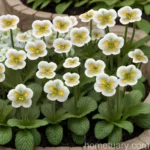
Plant Name: Dodecatheon meadia (Shooting Star)
Are you looking for a unique and attractive addition to your garden? Dodecatheon meadia, commonly known as Shooting Star, might just be the perfect fit for you! The Shooting Star plant is a native North American wildflower that offers a beautiful display of showy flowers and has several cultural, medicinal, and ecological uses.
In this comprehensive guide, we’ll delve into the various aspects of Dodecatheon meadia, from its cultural significance to its care requirements, uses, and common pests and diseases. By the end of this article, you’ll have a thorough understanding of how to cultivate and appreciate this stunning prairie plant species.
Key Takeaways – Dodecatheon meadia (Shooting Star)
As we explore the world of Dodecatheon meadia, it’s essential to highlight some key takeaways that will guide us through this journey:
-
Native American Wildflower: Dodecatheon meadia is a native North American wildflower with deep cultural significance and a rich history of traditional uses.
-
Perennial Flowering Plant: As a perennial plant, Dodecatheon meadia returns year after year, offering a consistent display of its vibrant flowers during the spring season.
-
Attractive Garden Plant: The showy and distinct flowers of the Shooting Star plant make it an attractive addition to gardens, meadows, and natural landscapes.
-
Diverse Uses: Beyond its ornamental value, Dodecatheon meadia has been used for medicinal purposes and plays a crucial role in supporting wildlife and preserving natural habitats.
-
Challenges and Care: While relatively low-maintenance, the Shooting Star plant has specific cultural and environmental requirements that are essential for its successful cultivation and long-term health.
This provides a brief overview of what we’ll be exploring in detail as we uncover the world of Dodecatheon meadia.
What is Dodecatheon meadia (Shooting Star)?
Dodecatheon meadia, commonly referred to as Shooting Star, is a flowering plant species belonging to the Primulaceae family. This captivating wildflower is native to North America and is particularly prevalent in the prairie regions of the United States and Canada.
Plant Characteristics
The Dodecatheon meadia plant is characterized by its distinctive appearance, which includes the following features:
-
Showy Flowers: The most notable feature of the Shooting Star plant is its vibrant, star-shaped flowers that appear in clusters atop slender stems.
-
Spring Blooming: Dodecatheon meadia typically blooms during the spring season, adding a burst of color to the prairie landscape.
-
Herbaceous Perennial: As a herbaceous perennial plant, Shooting Star returns each year from its rootstock and produces fresh foliage and flowers.
-
Natural Habitat: While the natural habitat of Dodecatheon meadia primarily includes prairies and open woodlands, it can adapt to a variety of well-drained soil types and is often found in moist, low-lying areas.
Shooting Star Plant Symbolism and Folklore
Beyond its visual appeal, the Shooting Star plant holds cultural and symbolic significance in various native traditions and folklore. In some Native American cultures, the appearance of Shooting Star flowers was believed to signal the arrival of spring and was associated with renewal, transformation, and new beginnings.
The plant’s name, “Shooting Star,” is reflective of the shape and trajectory of its flowers, which resemble falling stars. This captivating visual likeness has led to the plant being associated with wishes, dreams, and celestial symbolism in many cultures.
Natural History and Conservation Status
Due to factors such as habitat loss and agricultural expansion, some varieties of Dodecatheon meadia are considered endangered in certain regions. It’s important to understand the natural history and ecological significance of this plant to support its conservation and effective cultivation.
In the next sections, we’ll explore the cultural uses, care requirements, and ecological importance of Dodecatheon meadia in more detail.
Culture
The cultural significance of the Shooting Star plant extends across various domains, including native traditions, historical uses, and contemporary appreciation of its ornamental value. Understanding the rich cultural context of Dodecatheon meadia enhances our appreciation for this captivating wildflower.
Native American Traditions and Uses
In Native American traditions, Dodecatheon meadia has been valued for its diverse uses, ranging from medicinal applications to symbolic significance in ceremonies and storytelling. The plant’s unique appearance and seasonal blooming have woven it into the cultural fabric of indigenous communities across North America.
-
Medicinal Properties: Certain Native American tribes utilized different parts of the Shooting Star plant for medicinal purposes, often leveraging its roots, leaves, or flowers to address various ailments and health conditions.
-
Symbolism and Ceremonial Uses: The distinctive appearance of the Shooting Star plant made it a potent symbol in traditional ceremonies and storytelling, where it was often associated with themes of resilience, transformation, and the cyclical nature of life.
Today, the cultural and historical significance of Dodecatheon meadia continues to be acknowledged and celebrated, particularly through efforts to preserve its natural habitat and promote its ecological importance.
Uses
The uses of Dodecatheon meadia extend beyond its ornamental appeal, encompassing ecological functions, medicinal properties, and artistic inspiration. By exploring these diverse uses, we gain a comprehensive understanding of the plant’s significance in different contexts.
Ecological Importance
As a native prairie plant species, Dodecatheon meadia plays a vital role in supporting wildlife, preserving biodiversity, and contributing to the overall health of its natural habitat. Some specific ecological uses and contributions of the Shooting Star plant include:
-
Wildlife Habitat: The nectar-rich flowers of Dodecatheon meadia attract pollinators such as bees, butterflies, and hummingbirds, enhancing the biodiversity of prairie ecosystems.
-
Soil Stabilization: The deep roots of the Shooting Star plant help prevent soil erosion, particularly in areas with moist, well-drained soil.
-
Conservation and Restoration: Efforts to cultivate and preserve Dodecatheon meadia contribute to the restoration of native prairie landscapes and the conservation of endangered plant species.
Medicinal and Herbal Uses
While caution should be exercised when utilizing any plant for medicinal purposes, historical accounts highlight certain traditional uses of Dodecatheon meadia within Native American herbalism. Some purported medicinal properties associated with the plant include:
-
Anti-inflammatory Properties: The roots and leaves of Dodecatheon meadia were used to prepare decoctions or infusions believed to possess anti-inflammatory properties.
-
Digestive Support: In some traditions, the plant was used to address digestive issues, with its herbal preparations being ingested to alleviate discomfort.
By understanding and respecting the historical uses of the Shooting Star plant, contemporary enthusiasts can honor its cultural heritage while approaching its cultivation and potential medicinal applications with informed perspectives.
Water
Understanding the water requirements of Dodecatheon meadia is essential for maintaining its health and promoting robust growth. While the plant is relatively tolerant of different moisture levels, providing appropriate hydration is crucial, particularly during the establishment phase and periods of drought.
Watering Guidelines
During the initial establishment of Dodecatheon meadia and in the absence of consistent rainfall, it’s important to provide regular watering to ensure adequate moisture for the plant’s roots. Here are some key watering guidelines to consider:
-
Establishment Period: Newly planted Shooting Star specimens benefit from regular watering to support root development and initial growth. This is particularly important during the first growing season.
-
Moisture Considerations: While Dodecatheon meadia appreciates consistently moist soil, it’s essential to avoid waterlogged conditions, as this can lead to root rot and other moisture-related issues.
-
Drought Resistance: Once established, Dodecatheon meadia exhibits some level of drought resistance, though supplemental watering during prolonged dry spells can help maintain healthy foliage and flowering.
Watering Methods
When providing water for Dodecatheon meadia, consider employing the following methods to ensure proper hydration and minimize the risk of water-related problems:
-
Deep Watering: Rather than frequent, shallow watering, aim to deliver deep, thorough irrigation to encourage the development of deep, resilient root systems.
-
Mulching Benefits: Applying a layer of organic mulch around the base of the Shooting Star plant helps conserve soil moisture, moderates temperature fluctuations, and reduces weed competition.
-
Morning Watering: Whenever possible, water the plant in the morning to allow foliage to dry before evening, which can mitigate the risk of fungal diseases.
By adhering to these watering guidelines and practices, you can promote the vitality and longevity of Dodecatheon meadia in your garden or landscape.
Sunlight
Proper sunlight exposure is fundamental to the growth, flowering, and overall health of Dodecatheon meadia. Understanding the plant’s sunlight requirements enables enthusiasts to identify suitable growing locations and optimize its performance in various garden settings.
Sunlight Preferences
Dodecatheon meadia thrives in locations that offer bright, filtered sunlight and partial shade, particularly during the hottest part of the day. Here are some key considerations regarding the plant’s sunlight preferences:
-
Morning Sun: Providing access to morning sunlight is beneficial for the Shooting Star plant, as it supports photosynthesis and encourages robust growth without subjecting the plant to excessive heat stress.
-
Shade Tolerance: While Dodecatheon meadia benefits from ample sunlight, it also exhibits a degree of shade tolerance, making it suitable for areas with partial shade or dappled light.
-
Avoiding Intense Heat: Protecting the plant from intense, direct midday sun is advisable, as prolonged exposure to high temperatures can lead to wilting, sunscald, or stress.
Sunlight Management
When selecting a planting site or designing a garden arrangement that includes Dodecatheon meadia, consider implementing the following sunlight management strategies to optimize its growing conditions:
-
Site Selection: Identify areas within your garden or landscape that offer partial shade and receive gentle morning sunlight, such as under the canopy of deciduous trees or near structures that filter the sun’s rays.
-
Shading Options: In locations where direct sunlight is unavoidable, consider employing natural or artificial shading methods to diffuse and moderate the intensity of the light without compromising air circulation.
-
Microclimate Considerations: Take into account the unique microclimates within your garden and position Dodecatheon meadia in areas where it can benefit from optimal sunlight while being shielded from harsh afternoon heat.
By aligning the plant’s sunlight requirements with your garden’s environmental conditions, you can create a conducive and nurturing habitat for Dodecatheon meadia to thrive.
Fertilizer
The successful cultivation of Dodecatheon meadia hinges on providing adequate nutrients to support its growth, flowering, and overall vitality. Understanding the plant’s fertilizer needs and adopting appropriate feeding practices are integral to promoting its long-term health and ornamental value.
Fertilization Guidelines
While Shooting Star plants generally do not have excessive fertilizer requirements, providing a balanced and suitable fertilizer can enhance their performance and resilience. Here are some important considerations to keep in mind when fertilizing Dodecatheon meadia:
-
Soil Testing: Conduct a soil test to assess the nutrient levels and pH of the planting site, as this information guides the selection of a fertilizer that complements the existing soil composition.
-
Moderate Feeding: Avoid over-fertilizing Dodecatheon meadia, as excessive nutrient levels can lead to lush foliage at the expense of flower production, potentially rendering the plant more susceptible to diseases and pests.
-
Application Timing: Apply fertilizer to the soil around the base of the plant in early spring before new growth emerges, providing the necessary nutrients to support the forthcoming flowering season.
Fertilizer Selection
When choosing a suitable fertilizer for Dodecatheon meadia, consider utilizing a balanced, slow-release formulation that provides essential macro and micronutrients without promoting excessive vegetative growth. Some recommended fertilizer options include:
-
Organic Choices: Organic fertilizers, such as well-aged compost, composted manure, or organic granular formulations, offer a gentle and sustainable approach to feeding Shooting Star plants.
-
Balanced Ratios: Look for fertilizers with balanced NPK ratios, where the nitrogen (N), phosphorus (P), and potassium (K) components are in proportions that support overall plant health and flowering.
-
Low Phosphorus: Given the preferences of Dodecatheon meadia for well-drained soils and relatively low phosphorus levels, select a fertilizer with a low or zero phosphorus content to align with the plant’s needs.
By adhering to these fertilizer guidelines and using appropriate feeding practices, you can provide the essential nutrients that contribute to the vigor and floral abundance of Dodecatheon meadia.
Soil
The quality and composition of the soil directly impact the growth, health, and overall performance of Dodecatheon meadia. Understanding the plant’s soil preferences and implementing suitable soil management practices are essential components of successful cultivation.
Soil Requirements
Dodecatheon meadia thrives in well-drained, humus-rich soil that provides a stable growing medium while enabling efficient water infiltration and root development. Here are some key considerations regarding the plant’s soil requirements:
-
Moisture Levels: While Shooting Star plants appreciate consistently moist soil, they are intolerant of waterlogged conditions, making well-drained soil a primary requirement.
-
Soil Type: Sandy loam or loamy soils with good tilth and organic matter content are particularly well-suited for Dodecatheon meadia, providing a balance of structure and nutrient retention.
-
Acidic pH: Aim for a slightly acidic soil pH in the range of 6.0 to 6.8, as this aligns with the plant’s preferences and helps facilitate nutrient uptake and availability.
Soil Amendment and Preparation
When preparing the soil for planting Dodecatheon meadia or managing existing plantings, consider implementing the following soil amendment and preparation practices to create an optimal growing environment:
-
Organic Matter Addition: Enhance the soil’s structure and fertility by incorporating organic matter such as well-rotted compost, leaf mold, or aged manure to improve its moisture-holding capacity and nutrient content.
-
Soil Testing: Conduct a soil test to assess the nutrient levels, pH, and composition of the planting site, enabling you to make targeted soil amendments and fertilizer applications based on the specific needs of Dodecatheon meadia.
-
Drainage Improvement: In areas with heavy clay soils or inadequate drainage, consider implementing measures such as raised beds or gentle grading to promote effective water movement and prevent waterlogging.
By attending to the soil requirements of Dodecatheon meadia and implementing appropriate soil management practices, you can create an optimal foundation for the plant’s growth and blooming performance.
Pruning
Pruning plays a key role in maintaining the health, aesthetics, and flowering potential of Dodecatheon meadia. Understanding the principles of pruning and adopting appropriate techniques are crucial for promoting the long-term vitality and ornamental value of the Shooting Star plant.
Pruning Principles
The primary objectives of pruning Dodecatheon meadia are to remove dead or damaged foliage, shape the plant to maintain a compact form, and encourage prolific flowering. Here are some essential principles to consider when pruning Shooting Star:
-
Deadheading: Regularly remove spent flowers by deadheading, which not only maintains a tidy appearance but also promotes continuous blooming and prevents the formation of seeds.
-
Selective Trimming: Utilize selective pruning to remove any withered or discolored foliage, as well as to shape the plant and encourage the development of new growth from the base.
-
Minimize Stress: When pruning Dodecatheon meadia, strive to minimize stress on the plant by using clean, sharp tools and avoiding excessive or indiscriminate cutting, particularly during the flowering season.
Timing and Frequency
To optimize the benefits of pruning and support the overall health and appearance of Dodecatheon meadia, adhere to the following recommendations regarding timing and frequency of pruning:
-
Post-Flowering Pruning: Perform post-flowering pruning and deadheading in late spring or early summer to remove spent flowers and encourage the production of additional blooms.
-
Avoid Late Pruning: Refrain from substantial pruning or shaping of the plant in late summer and fall, as this can disrupt the natural growth patterns and potentially diminish the following year’s flowering display.
-
Maintenance Trimming: Throughout the growing season, engage in routine maintenance trimming as needed to address any damaged or unsightly foliage and maintain a tidy, compact plant form.
By employing consistent and judicious pruning practices, you can contribute to the longevity and attractiveness of Dodecatheon meadia while supporting its ongoing flowering capacity.
Propagation
The propagation of Dodecatheon meadia offers an opportunity to expand your collection of this captivating wildflower and share its beauty with others. Understanding the various propagation methods and best practices equips you to successfully cultivate new Shooting Star plants.
Seed Propagation
Seed propagation is a common and accessible method for expanding your plantings of Dodecatheon meadia and introducing the species to new garden environments. Consider the following steps when propagating Shooting Star from seeds:
-
Seed Collection: Gather mature seed pods from established Dodecatheon meadia plants after the flowering period, ensuring that the seeds have developed fully and turned brown.
-
Seed Preparation: Extract the seeds from the pods and allow them to air dry for a few days, storing them in a cool, dry location until the following planting season.
-
Sowing Timing: Plant the Shooting Star seeds in a prepared seedbed in the early fall, allowing them to overwinter and germinate naturally in response to seasonal temperature changes.
-
Growing Environment: Provide a suitable growing environment characterized by well-drained soil, partial shade, and optimal moisture levels to support the germination and establishment of the seedlings.
Division Propagation
The division of established Dodecatheon meadia plants presents an effective means of propagating new specimens while rejuvenating existing ones. Follow these steps to propagate Shooting Star through division:
-
Established Plants: Identify mature Dodecatheon meadia plants that have been growing for several years and demonstrate vigorous growth with multiple crowns or offsets.
-
Timing: Perform division propagation in the early spring before new growth emerges, taking advantage of the plant’s natural growth cycle and the favorable conditions of the season.
-
Division Process: Carefully lift the established plant from the soil and gently separate the crowns or offsets, ensuring that each division possesses healthy roots and sufficient foliage.
-
Replanting: Transplant the divided segments into prepared planting sites with well-drained soil and appropriate sunlight conditions, watering them thoroughly to promote establishment.
By engaging in seed propagation and division propagation of Dodecatheon meadia, you can expand your collection of Shooting Star plants while contributing to the proliferation and appreciation of this captivating species.
Container Popularity
While Dodecatheon meadia is primarily associated with prairie landscapes and naturalistic plantings, its attractiveness and adaptability make it an appealing choice for container gardening. Cultivating Shooting Star in containers offers unique opportunities for showcasing the plant’s distinctive flowers in diverse settings.
Container Considerations
When selecting containers for Dodecatheon meadia and planning its container cultivation, it’s important to consider the following factors to ensure the plant’s success and visual impact:
- Container Size: Choose containers with sufficient depth and volume to accommodate the root