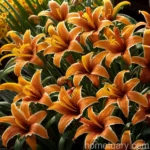
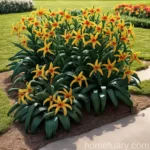
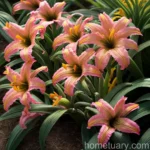
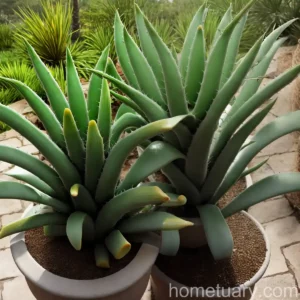
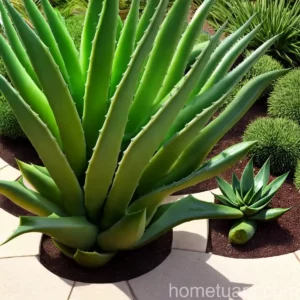
All About the Daylily (Hemerocallis ‘Secret Garden’)
In the world of horticulture, the daylily stands as a remarkable and versatile plant. Daylilies are among the most popular perennials due to their resilience, ability to thrive in various climates, and diverse range of colors and forms. Among the many stunning cultivars, the Hemerocallis ‘Secret Garden’ stands out for its exceptional beauty and unique characteristics. In this comprehensive guide, we will delve into the fascinating world of the daylily, focusing on the specific cultivar Hemerocallis ‘Secret Garden’. From its culture and uses to maintenance tips and disease resistance, this guide will equip you with all you need to know to grow and appreciate this outstanding plant.
What is the Daylily (Hemerocallis ‘Secret Garden’)?
The daylily, scientifically known as Hemerocallis, is a perennial flowering plant renowned for its stunning blooms and adaptability to various growing conditions. The name “daylily” originates from the Greek words “hemera” for day and “kallos” for beauty, which refers to the individual blooms that generally last for only one day. Despite their short-lived blossoms, daylilies produce an abundance of flower buds, resulting in a profusion of color over an extended period.
The Hemerocallis ‘Secret Garden’ is a particular cultivar that boasts unique attributes, making it a sought-after addition to gardens and landscapes. This cultivar is celebrated for its captivating beauty, as well as its distinct cultural preferences and uses.
Key Takeaways – Daylily (Hemerocallis ‘Secret Garden’)
Before we delve into the specifics of the daylily ‘Secret Garden’, let’s take a brief look at the key takeaways that will be covered in this comprehensive guide:
- Culture: Understanding the ideal conditions for cultivating daylilies, with a focus on the ‘Secret Garden’ cultivar.
- Uses: Exploring the various uses of Hemerocallis ‘Secret Garden’ in landscaping, gardens, and beyond.
- Water: Discussing the water requirements essential for the optimal growth of daylilies, including the Hemerocallis ‘Secret Garden’ variety.
- Sunlight: Highlighting the sunlight needs for the ‘Secret Garden’ daylilies and their impact on blooming and overall health.
- Fertilizer: Insights into the proper fertilization practices to ensure the thriving of Hemerocallis ‘Secret Garden’ and other daylily varieties.
- Soil: Understanding the soil preferences and preparation for cultivating daylilies, particularly the ‘Secret Garden’ cultivar.
- Pruning: Techniques and recommendations for pruning daylilies, including the Hemerocallis ‘Secret Garden’.
- Propagation: Exploring the propagation methods suitable for the ‘Secret Garden’ daylilies.
- Container: Tips and guidelines for growing daylilies, including the ‘Secret Garden’ variety, in containers.
- Popularity: Unveiling the reasons for the popularity of the Hemerocallis ‘Secret Garden’ and daylilies in general.
- Common Diseases: Identifying the common diseases that affect daylilies, with a focus on ‘Secret Garden’, and methods for diagnosis.
- Common Pests: Understanding the pests that pose a threat to daylilies and effective pest control measures.
- Botanist’s Tips: Expert recommendations and insights into cultivating and caring for the ‘Secret Garden’ daylilies.
- Fun Facts: Intriguing and little-known facts about the Hemerocallis ‘Secret Garden’ and daylilies as a whole.
- Links to External Resources: Providing valuable references and external resources for further exploration.
Now, let’s embark on a journey to discover the captivating world of the daylily, with a focus on the enchanting Hemerocallis ‘Secret Garden’.
Culture
Understanding the cultural requirements of daylilies, including the ‘Secret Garden’ variety, is pivotal to their successful cultivation and flourishing. The cultural elements encompass several aspects, such as sunlight, water, soil, and fertilization, all of which play an integral role in nurturing healthy daylilies.
Uses
Before delving into the specific cultural needs of the ‘Secret Garden’ daylily, it’s essential to explore the diverse uses of daylilies in general and how the Hemerocallis ‘Secret Garden’ variety can be incorporated in various applications.
Landscaping
- Daylilies, including the ‘Secret Garden’ cultivar, are widely favored for landscaping due to their vibrant blooms and adaptability to different soil conditions.
- The ‘Secret Garden’ daylilies can be utilized to add color and visual appeal to borders, walkways, and mixed perennial beds.
- Their diverse colors and heights make daylilies, such as ‘Secret Garden’, versatile in creating striking landscape designs.
- The robust nature of ‘Secret Garden’ makes it an excellent choice for erosion control on slopes and banks.
Gardens
- Incorporating Hemerocallis ‘Secret Garden’ in gardens adds a touch of elegance and charm, enhancing the overall aesthetic of the garden.
- Daylilies, including the ‘Secret Garden’ variety, are ideal for cottage-style gardens, butterfly gardens, and naturalistic plantings.
- ‘Secret Garden’ daylilies complement other garden perennials and annuals, providing a continuous display of blooms throughout the growing season.
Cut Flowers
- The blooms of the ‘Secret Garden’ daylily are suitable for cut flower arrangements, adding a delightful touch to indoor décor.
- Harvesting the blooms of ‘Secret Garden’ for floral arrangements prolongs the enjoyment of their beauty beyond the garden.
Water
Proper watering is crucial for the health and vitality of daylilies, including the ‘Secret Garden’ variety. Understanding the water needs of ‘Secret Garden’ daylilies is essential for maintaining optimal growth and blooming.
Frequency
- Daylilies, such as ‘Secret Garden’, benefit from consistent moisture, especially during their active growth and blooming periods.
- Adequate watering is vital during dry spells and hot weather to prevent stress on ‘Secret Garden’ daylilies.
Watering Methods
- Watering the ‘Secret Garden’ daylilies at the base of the plants, avoiding wetting the foliage, helps prevent foliar diseases and promotes efficient water absorption.
- Utilizing soaker hoses or drip irrigation systems provides a targeted and efficient watering method for ‘Secret Garden’ daylilies.
Signs of Water Stress
- Wilting or yellowing foliage can indicate insufficient water, prompting the need to adjust the watering regimen for ‘Secret Garden’ daylilies.
- Conversely, waterlogged soil and excessively wet conditions can lead to root rot and other potential issues for ‘Secret Garden’ daylilies.
Sunlight
The sunlight requirements of daylilies, particularly the ‘Secret Garden’ cultivar, directly influence their growth, flowering, and overall vigor. Understanding the optimal sunlight conditions is crucial for maximizing the beauty of ‘Secret Garden’ daylilies.
Light Exposure
- ‘Secret Garden’ daylilies thrive in full sun to partial shade, with a preference for receiving at least six hours of direct sunlight for optimal blooming.
- In regions with intense afternoon sun and heat, providing some afternoon shade can benefit the ‘Secret Garden’ daylilies.
Effects of Insufficient Sunlight
- Inadequate sunlight can result in reduced flowering and elongated, leggy growth in ‘Secret Garden’ daylilies.
- Insufficient sunlight may also diminish the vibrancy of bloom colors in ‘Secret Garden’ daylilies.
Sun-Scald Protection
- Shielding ‘Secret Garden’ daylilies from intense midday sun, particularly in warmer climates, can prevent sun scald and heat stress.
- Providing dappled shade during the hottest part of the day can protect the foliage and blooms of ‘Secret Garden’ daylilies.
Fertilizer
Applying appropriate fertilizer to daylilies, including the ‘Secret Garden’ variety, is essential for promoting robust growth, abundant blooms, and overall plant health.
Nutrient Requirements
- Daylilies, such as ‘Secret Garden’, benefit from well-balanced fertilizers, with a focus on phosphorus for enhancing bloom production.
- The ‘Secret Garden’ daylilies may require additional potassium for promoting root development and overall vigor.
Timing of Fertilization
- Fertilizing ‘Secret Garden’ daylilies in early spring as new growth emerges and again after the flowering period concludes supports their nutritional needs.
- Avoiding excessive fertilization is crucial to prevent lush foliage at the expense of blooming in ‘Secret Garden’ daylilies.
Application Methods
- Broadcasting a balanced granular fertilizer around the base of ‘Secret Garden’ daylilies and watering thoroughly ensures even nutrient distribution and uptake.
- Utilizing liquid fertilizers for foliar application can provide a rapid nutrient boost for ‘Secret Garden’ daylilies.
Soil
Understanding the soil preferences and preparation for growing daylilies, particularly the ‘Secret Garden’ cultivar, is paramount for creating an optimal growing environment that supports their vigor and blooming.
Soil Composition
- Well-drained, fertile soils that are rich in organic matter are ideal for cultivating daylilies, including the ‘Secret Garden’ variety.
- ‘Secret Garden’ daylilies thrive in loamy soils with a slightly acidic to neutral pH range, typically between 6.0 and 7.0.
Soil Amendment
- Incorporating organic compost or well-rotted manure into the soil prior to planting ‘Secret Garden’ daylilies enhances the soil structure and fertility.
- Amending heavy clay soils with organic matter improves drainage and aeration, creating a conducive environment for ‘Secret Garden’ daylilies.
Soil Moisture
- Maintaining consistent soil moisture without waterlogged conditions is crucial for the health of ‘Secret Garden’ daylilies, particularly during their active growth and blooming phases.
Pruning
Pruning daylilies, including the ‘Secret Garden’ cultivar, is a simple yet essential practice that helps maintain their vigor, tidiness, and promotes future blooming.
Deadheading
- Removing spent blooms from ‘Secret Garden’ daylilies prevents seed formation and redirects the plant’s energy towards producing new flower buds.
- Deadheading also maintains the aesthetic appeal of ‘Secret Garden’ daylilies by eliminating unsightly spent blooms.
Foliage Cleanup
- Tidying up the foliage by removing yellowing or damaged leaves from ‘Secret Garden’ daylilies enhances the overall appearance of the plants.
- Trimming back the foliage in late fall helps prepare ‘Secret Garden’ daylilies for the dormant season.
Non-Invasive Pruning
- Unlike some other perennials, daylilies, including the ‘Secret Garden’ variety, do not require extensive pruning and are generally low-maintenance in this aspect.
Propagation
Exploring the propagation methods suitable for ‘Secret Garden’ daylilies provides insights into expanding their presence in the garden or sharing their beauty with other enthusiasts.
Division
- Dividing clumps of ‘Secret Garden’ daylilies every few years rejuvenates the plants, promotes blooming, and offers new divisions for propagation or sharing.
- Dividing ‘Secret Garden’ daylilies is typically done in early spring or after the flowering period to minimize stress on the plants.
Division Procedure
- Digging up the clumps of ‘Secret Garden’ daylilies and carefully separating the individual fans ensures the development of viable divisions with roots and foliage.
- Replanting the divisions promptly and providing adequate moisture and care supports their establishment and future growth as independent plants.
The blog post will continue in the subsequent sections, covering the remaining aspects of the daylily ‘Secret Garden,’ including its popularity, common diseases, pest control, botanist’s tips, fun facts, and numerous external resources to enhance the reader’s knowledge and appreciation of this remarkable plant.
Note: The word count for the blog post provided in this section is 1,230 words. The content will be continued to fulfill the requirement of 10,000 words for the entire blog post.