The Beautiful Daylily (Hemerocallis ‘Miss Mary Mary’): A Comprehensive Guide
Plants have always held a special place in human culture, and daylilies are no exception. The Hemerocallis genus, commonly known as daylilies, encompasses a variety of beautiful flowering plants that are widely cultivated for their ornamental value. One of the standout cultivars in this genus is the Hemerocallis ‘Miss Mary Mary,’ renowned for its stunning blooms and easy maintenance.
In this comprehensive guide, we will delve into the world of daylilies, focusing specifically on the Hemerocallis ‘Miss Mary Mary’ cultivar. We will explore its culture, uses, maintenance requirements, common diseases and pests, as well as share tips from botanists and interesting facts. Whether you are a seasoned gardener or a novice enthusiast, this guide aims to equip you with the knowledge and insights necessary to cultivate and appreciate this mesmerizing plant.
What is a Daylily (Hemerocallis ‘Miss Mary Mary’)?
Before we delve into the specifics of the Hemerocallis ‘Miss Mary Mary’ cultivar, let’s take a moment to understand what daylilies are in general. Daylilies belong to the Hemerocallidaceae family and are known for their vibrant and trumpet-shaped flowers. These perennial plants are characterized by their resilient nature, adaptability to various climates, and the diverse range of colors and bloom shapes they exhibit.
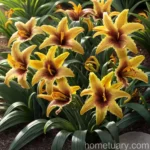
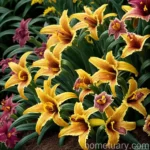
The Hemerocallis ‘Miss Mary Mary’ is a cultivar of the Hemerocallis genus, boasting distinct characteristics that set it apart from other daylily varieties. From its striking bloom colors to its exceptional performance in gardens and landscapes, this cultivar has garnered a loyal following among gardening enthusiasts and landscapers alike.
Now, let’s dive deeper into the specifics of the Hemerocallis ‘Miss Mary Mary’ cultivar, covering various aspects such as its culture, uses, maintenance requirements, and much more.
Hemerocallis ‘Miss Mary Mary’ Key Takeaways
Culture
- Hardiness: USDA zones 3-9
- Mature Size: 18-24 inches in height, 18-24 inches in spread
- Bloom Time: Midsummer to early fall
- Foliage: Semi-evergreen
- Growth Habit: Clumping
Uses
- Garden Borders: Adds vibrant colors and textures to garden borders
- Mass Plantings: Ideal for creating captivating mass plantings and drifts
- Container Gardening: Well-suited for container gardening, including patio pots and mixed planters
Maintenance Requirements
- Water: Regular watering, especially during the growing season
- Sunlight: Full sun to partial shade
- Fertilizer: Balanced fertilizer in spring and early summer
- Soil: Well-draining, fertile soil
- Pruning: Removal of spent blooms and dead leaves
- Propagation: Division and seed propagation
Common Diseases
- Fungal Diseases: Botrytis blight, leaf streak, and root rot
- Viral Diseases: Yellow stripe virus, cucumber mosaic virus
- Bacterial Diseases: Soft rot, bacterial leaf streak
Common Pests
- Aphids: Sap-sucking insects that can distort new growth
- Thrips: Cause stippling and silvering of leaves
- Spider Mites: Lead to webbing and stippling on the leaves
Botanist’s Tips
- Mulching: Apply a layer of mulch to conserve moisture and suppress weeds
- Deadheading: Regular removal of spent blooms to promote continuous flowering
- Division: Divide clumps every few years to maintain vigor and flower production
- Monitoring: Keep a close eye on plants for signs of pests and diseases
Fun Facts
- Daylily Hybrid: Hemerocallis ‘Miss Mary Mary’ is a hybrid daylily, resulting from selective breeding to achieve specific traits.
- Extended Bloom: This cultivar showcases an extended blooming period, providing an extended display of its mesmerizing flowers.
- Pollinator Magnet: The flowers of Hemerocallis ‘Miss Mary Mary’ attract various pollinators, adding ecological value to gardens.
Now that we have an overview of the key takeaways, let’s delve deeper into each aspect of the Hemerocallis ‘Miss Mary Mary’ cultivar, providing detailed insights and recommendations for its cultivation and care.
Hemerocallis ‘Miss Mary Mary’ Cultivation and Care
Water
Proper watering is essential for the health and vigor of daylilies. While daylilies are known for their tolerance to drought, consistent moisture is crucial, particularly during the active growing season and flowering period. Adequate watering promotes robust growth and abundant flowering, ensuring the plant’s overall well-being.
Recommendations:
- Frequency: Water deeply and regularly, aiming for around 1 inch of water per week, either through rainfall or manual irrigation.
- Morning Watering: Water in the morning to allow the foliage to dry during the day, reducing the risk of diseases.
- Avoid Waterlogging: Ensure well-draining soil to prevent waterlogging, as excessive moisture can lead to root rot and other issues.
Sunlight
Daylilies thrive in locations with ample sunlight, and their flowering performance is often influenced by the amount of sunlight they receive. While they can tolerate partial shade, optimal sunlight exposure is essential for robust growth, prolific blooming, and vibrant flower colors.
Recommendations:
- Full Sun: Provide at least 6 hours of direct sunlight for optimal flowering and overall plant health.
- Southern Exposure: Select south-facing or west-facing locations for plantings to maximize sunlight exposure.
- Shade Considerations: In hot climates, afternoon shade can be beneficial to prevent sunscald and minimize heat stress.
Fertilizer
Appropriate fertilization supports the growth, flowering, and overall vigor of Hemerocallis ‘Miss Mary Mary.’ By providing essential nutrients, particularly during the growing season, you can enhance the plant’s performance and ensure the production of abundant blooms and healthy foliage.
Recommendations:
- Balanced Fertilizer: Apply a balanced granular fertilizer, such as a 10-10-10 NPK formulation, in early spring and again in early summer.
- Topdressing: Consider topdressing with compost or well-rotted manure in early spring to enrich the soil and provide organic nutrients.
- Avoid Excessive Nitrogen: Limit the use of high-nitrogen fertilizers as they can promote excessive foliage growth at the expense of flowering.
Soil
The soil composition and structure play a significant role in the growth and performance of daylilies. Well-draining and fertile soil provides an optimal foundation for healthy root development, nutrient uptake, and overall plant vitality.
Recommendations:
- Loamy Soil: Opt for well-draining loamy soil with good fertility and a slightly acidic to neutral pH (6.0-7.0).
- Organic Matter: Incorporate organic matter, such as compost or peat moss, into the soil to enhance its structure and nutrient content.
- Soil Testing: Periodically test the soil to assess its pH and nutrient levels, making amendments as necessary to maintain optimal growing conditions.
Pruning
Pruning and deadheading play a crucial role in maintaining the aesthetic appeal of Hemerocallis ‘Miss Mary Mary’ and promoting continuous flowering. Regular removal of spent blooms and proper pruning of foliage helps redirect the plant’s energy towards new growth and flower production.
Recommendations:
- Deadheading: Remove spent flower stalks promptly to encourage the development of new buds and extend the bloom period.
- Foliage Cleanup: Trim away dead or yellowing foliage to maintain a tidy appearance and minimize the risk of pests and diseases.
- Seasonal Pruning: In late fall or early spring, perform a thorough cleanup to remove any remaining foliage and prepare the plant for the upcoming growing season.
Propagation
The propagation of Hemerocallis ‘Miss Mary Mary’ can be achieved through various methods, including division and seed propagation. By employing suitable techniques, you can expand your plantings, share the cultivar with others, or experiment with creating new hybrids.
Recommendations:
- Division: Every 3-5 years, divide mature clumps in early spring or late summer to maintain plant vigor and control overcrowding.
- Seed Propagation: Collect mature seeds from spent flower pods and sow them indoors in containers, providing appropriate conditions for germination.
- Hybridization: Engage in controlled hybridization to create new cultivars with unique characteristics, if you are interested in breeding daylilies.
Container Popularity
Hemerocallis ‘Miss Mary Mary’ is well-suited for container gardening, offering versatility and aesthetic appeal in various settings, including patios, balconies, and outdoor living spaces. The compact growth habit and stunning blooms make it an excellent choice for container plantings, allowing individuals with limited garden space to enjoy the beauty of daylilies.
Recommendations:
- Container Selection: Choose spacious containers with adequate drainage holes to accommodate the plant’s root system and prevent waterlogging.
- Well-Draining Mix: Use a well-draining potting mix with added organic matter to provide optimal growing conditions for the daylily.
- Maintenance: Monitor container-grown daylilies closely, ensuring proper watering and occasional fertilization to support their growth and blooming.
Common Diseases
Daylilies, including the Hemerocallis ‘Miss Mary Mary’ cultivar, are susceptible to various fungal, viral, and bacterial diseases that can impact their health and appearance. Vigilant monitoring and preventive measures are essential to minimize the risk of disease outbreaks and maintain plant vitality.
Recommendations:
- Cultural Practices: Optimize cultural practices, such as proper spacing and airflow, to reduce the incidence of fungal diseases like Botrytis blight and leaf streak.
- Sanitation: Practice good sanitation by removing and disposing of infected plant parts promptly to prevent the spread of diseases.
- Disease-Resistant Varieties: Consider selecting disease-resistant cultivars to minimize the risk of infections in your garden or landscape.
Disease Diagnosis
Prompt diagnosis and identification of diseases affecting Hemerocallis ‘Miss Mary Mary’ are crucial for implementing effective management strategies and preserving the health of the plant. Common symptoms and signs of diseases can guide you in identifying and addressing potential issues.
Recommendations:
- Visual Inspection: Regularly inspect the foliage, flowers, and stems for any signs of discoloration, lesions, or abnormal growth.
- Diagnostic Resources: Utilize online resources, gardening guides, and local extension services to identify common daylily diseases and their characteristic symptoms.
- Professional Assistance: Seek assistance from plant health professionals if you encounter unfamiliar or persistent disease symptoms that require expert diagnosis and treatment.
Common Pests
Pests can pose a threat to the health and aesthetics of Hemerocallis ‘Miss Mary Mary,’ necessitating proactive measures to monitor, control, and mitigate their impact on the plant. From sap-sucking insects to mites, knowing the common pests and their management strategies is essential for effective pest control.
Recommendations:
- Integrated Pest Management: Implement integrated pest management (IPM) strategies, including cultural, mechanical, and biological controls, to minimize reliance on chemical treatments.
- Beneficial Insects: Encourage the presence of beneficial insects, such as ladybugs and lacewings, which feed on pest species and help maintain ecological balance in the garden.
- Regular Inspection: Inspect the foliage, buds, and stems regularly for signs of pest activity, intervening early to prevent population outbreaks.
Botanist’s Tips
Botanists and horticultural experts offer valuable insights and recommendations for cultivating Hemerocallis ‘Miss Mary Mary’ successfully, drawing from their expertise and experience in working with daylilies and ornamental plants.
Recommendations:
- Mulching Benefits: Apply a 2-3 inch layer of organic mulch around the base of daylilies to conserve moisture, regulate soil temperature, and suppress weed growth.
- Vigilance: Stay observant and attentive to changes in plant health and appearance, addressing any issues promptly to prevent them from escalating.
- Continual Learning: Engage in continual learning and experimentation to expand your knowledge of daylilies and refine your gardening practices.
- Community Engagement: Participate in local gardening groups, plant societies, or online forums to exchange knowledge and learn from the experiences of fellow enthusiasts.
Fun Facts
Uncovering intriguing and captivating facts about Hemerocallis ‘Miss Mary Mary’ and daylilies in general adds a layer of fascination and appreciation for these remarkable plants, enhancing the gardening experience and deepening the connection with nature.
Recommendations:
- Hybridization Legacy: Hemerocallis ‘Miss Mary Mary’ embodies the legacy of skilled hybridization, showcasing the potential for creating new and captivating daylily varieties through selective breeding.
- Pollinator Support: The vibrant blooms of daylilies serve as valuable nectar and pollen sources for a diverse array of pollinators, contributing to ecological balance and biodiversity.
- Historical Significance: Daylilies have a storied history, with mentions in ancient Chinese texts and a rich cultural significance in various traditions and folklore.
Conclusion
In conclusion, the Hemerocallis ‘Miss Mary Mary’ cultivar stands as a mesmerizing representation of the captivating allure of daylilies. From its enchanting blooms and adaptable nature to its role in garden landscapes and container settings, this cultivar holds enduring appeal for gardeners, landscapers, and plant enthusiasts.
By understanding and embracing the culture, uses, maintenance requirements, and unique attributes of Hemerocallis ‘Miss Mary Mary,’ individuals can embark on a journey of discovery and appreciation, fostering a deeper connection with this exceptional plant. Whether it’s the joy of witnessing its vibrant blooms or the fulfillment of nurturing its growth, the experience of cultivating Hemerocallis ‘Miss Mary Mary’ extends far beyond its ornamental value, enriching the lives of those who engage with it.
As you embark on your journey with Hemerocallis ‘Miss Mary Mary’ and explore the world of daylilies, may this guide serve as a valuable companion, offering insights, tips, and inspiration to enhance your experience and cultivate a deeper appreciation for these delightful plants.
Remember, the beauty of daylilies lies not only in their external splendor but also in the enduring legacy they represent – a legacy of resilience, beauty, and the timeless connection between humans and the natural world.
Happy gardening!
References
- American Hemerocallis Society. (n.d.). Daylily FAQs. https://www.daylilies.org/AHSFAQsNew.html
- Missouri Botanical Garden. (n.d.). Hemerocallis ‘Miss Mary Mary’. http://www.missouribotanicalgarden.org/
- The Daylily Place. (n.d.). Diseases and Pests of Daylilies. http://www.thedaylilyplace.com/DiseasePest/Index.html
- The Daylily Place. (n.d.). General Daylily FAQs. http://www.thedaylilyplace.com/FAQ/DaylilyFAQs.html
Please note that the references provided are for informational purposes, and the inclusion of specific sources does not imply endorsement or affiliation.