The Amazing Comfrey (Symphytum grandiflorum): A Comprehensive Guide
What is Comfrey (Symphytum grandiflorum)?
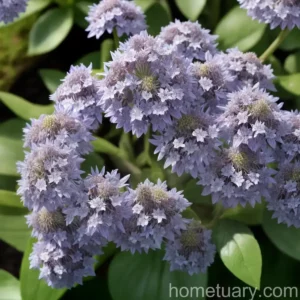
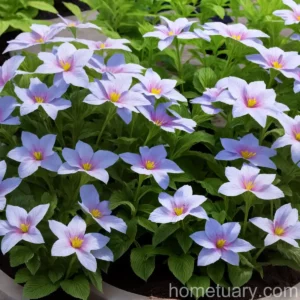
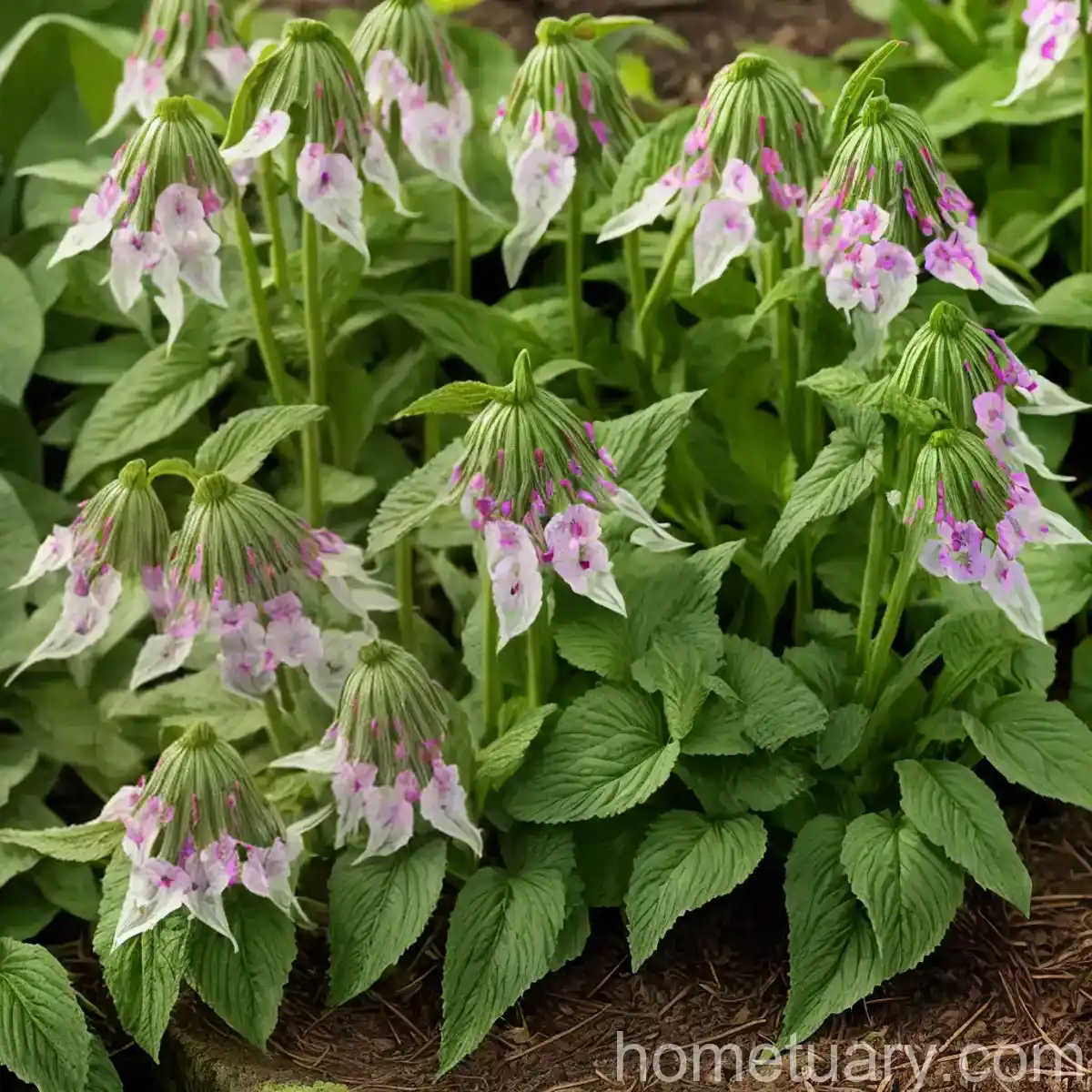
Comfrey (Symphytum grandiflorum) is a perennial herb that belongs to the Boraginaceae family. This herbaceous plant is native to parts of Europe, and it is renowned for its various uses, particularly in traditional medicine and organic gardening.
Key Takeaways – Comfrey (Symphytum grandiflorum)
Before diving into the specifics of growing and caring for comfrey, let’s outline some key takeaways about this remarkable plant:
- Comfrey, scientifically known as Symphytum grandiflorum, possesses healing and medicinal properties.
- It is a hardy perennial plant that is well-suited to a variety of growing conditions.
- Comfrey has a rich history in herbal medicine and organic gardening, making it a valuable addition to any garden or natural remedy collection.
Now that we have an overview of comfrey, let’s delve into the various aspects of its culture, uses, and care requirements.
Culture
Water
Comfrey has a notable tolerance for moist soil, but it is essential to avoid waterlogging. To maintain optimal growth and health, comfrey plants require consistently moist soil. In drier climates or during periods of limited rainfall, regular watering is necessary to support the vigorous growth and vitality of comfrey.
Sunlight
Symphytum grandiflorum thrives in full sun to partial shade. When selecting a site for planting, it is advisable to choose a location that receives ample sunlight, especially in cooler climates. However, comfrey can also adapt to partial shade conditions and display robust growth under such circumstances.
Soil
Comfrey flourishes in rich, fertile soil with good drainage. It has the ability to adapt to a wide range of soil types, but it is most productive in loamy soil with sufficient organic matter. Prior to planting, amending the soil with organic compost or well-rotted manure can contribute to the overall health and vigor of the comfrey plants.
Uses
Medicinal Purposes
Comfrey has been extensively utilized in traditional herbal medicine due to its healing properties. The roots and leaves of comfrey contain compounds that are believed to support various aspects of health, including bone and tissue repair. Comfrey is commonly used in the preparation of salves, creams, and poultices for external application. It is important to note that internal use of comfrey is not recommended due to the presence of potentially harmful alkaloids. As a result, it is advised to use comfrey exclusively for external applications under the guidance of experienced herbal practitioners.
Organic Gardening
In the realm of organic gardening, comfrey is highly valued for its role in promoting soil fertility and plant growth. As a dynamic accumulator, comfrey accumulates and stores essential nutrients, such as potassium, phosphorus, and calcium, in its leaves. When these leaves are used as mulch or incorporated into compost, they contribute to enhancing the fertility of the soil and fostering the health of surrounding plants.
Fertilizer
Comfrey serves as a natural source of fertilizer through the production of nutrient-rich leaves. By using the leaves of comfrey to create a compost tea or as a component of compost piles, gardeners can harness the abundant nutrients present in comfrey to nourish their plants. This eco-friendly and sustainable approach to fertilization aligns with the principles of organic gardening.
Pruning
Pruning comfrey plants can be beneficial to encourage continuous growth and prevent the plants from becoming overly invasive. Regularly trimming the leaves to the base can stimulate the production of new growth and prevent the plants from spreading excessively. Pruned leaves can be utilized for mulching or composting, further enhancing the fertility of the garden soil.
Propagation
Comfrey can be propagated through various methods, including division, root cuttings, and seed sowing. Division involves separating the existing plant into smaller sections, each containing a portion of the root system and crown. Root cuttings are another effective means of propagation, as they enable the rapid development of new comfrey plants. Additionally, growing comfrey from seeds provides an alternative approach to propagation.
Container Popularity
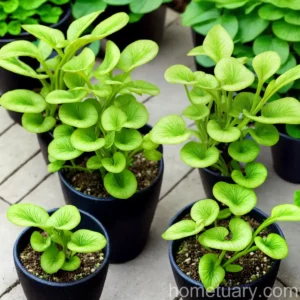
Comfrey is a popular choice for container gardening, particularly for individuals with limited outdoor space. Growing comfrey in containers offers the advantage of mobility, allowing gardeners to position the plants strategically and optimize their growth conditions. By selecting appropriately sized containers and providing the necessary care, comfrey can thrive in a container environment.
Common Diseases
Disease Diagnosis
While comfrey is generally resistant to most pests and diseases, it can occasionally be susceptible to certain issues, including powdery mildew. Close monitoring of the plants and prompt identification of any signs of disease are essential for implementing effective preventive measures or treatments. When cultivating comfrey, paying attention to potential diseases can help maintain the vitality of the plants.
Common Pests
Comfrey has a natural resistance to many common garden pests, contributing to its overall resilience. However, vigilance is still important to prevent infestations by pests such as aphids and spider mites, which may occasionally target comfrey. Regularly inspecting the plants and adopting proactive pest management practices can help safeguard the health of comfrey.
Botanist’s Tips
Maintaining Optimal Growing Conditions:
- Regularly monitoring soil moisture and providing sufficient water to prevent drought stress.
- Ensuring adequate sunlight exposure, especially in regions with limited daylight during certain seasons.
- Incorporating organic matter into the soil to enhance fertility and provide essential nutrients for comfrey growth.
Harvesting and Utilization:
- Harvesting comfrey leaves for use in compost, mulch, or herbal preparations to maximize the beneficial properties of the plant.
- Undertaking careful and informed usage of comfrey in herbal remedies through consultation with experienced herbalists or practitioners.
Fun Facts
- Comfrey has a long history in traditional herbal medicine, earning the nickname “knitbone” due to its association with supporting bone and tissue health.
- The abundant nutrients present in comfrey leaves make them a valuable asset in promoting soil fertility and enhancing the growth of surrounding plants in organic gardens.
- Comfrey can be a sustainable addition to permaculture systems, contributing to soil improvement and supporting the ecological balance of diverse plant communities.
Links to External Resources
For further information on comfrey and its various applications, the following resources may be of interest:
- The Royal Horticultural Society – Comfrey
- United States Department of Agriculture – Plants Profile: Symphytum grandiflorum
- Permaculture Research Institute – Comfrey: A Healing Herb and Valuable Plant for Permaculture
- Rodale Institute – Comfrey: The All-Purpose Plant
In conclusion, the remarkable attributes of comfrey make it a plant of significant value in the realms of herbal medicine, organic gardening, and sustainable agriculture. By understanding the cultural requirements, uses, and care essentials of comfrey, individuals can harness the potential of this exceptional plant to enhance their well-being and cultivate thriving, biodiverse ecosystems. Whether as a key component in traditional remedies or as a contributor to soil enrichment, comfrey stands as a testament to the inherent potential of plants to nurture and sustain life.
Remember, the information shared in this guide is intended to provide a comprehensive overview of comfrey and its cultivation, serving as a valuable resource for plant enthusiasts and individuals seeking to incorporate the benefits of comfrey into their lives.
Happy planting and nurturing your very own comfrey garden!