All You Need to Know About Colchicum ‘Waterlily’ (Meadow Saffron)
Plants play a vital role in our environment, contributing to the beauty of landscapes, providing food, and offering medicinal benefits. In this blog post, we will delve into the fascinating world of the Colchicum ‘Waterlily’ (Meadow Saffron). We will explore its origins, characteristics, growing conditions, and maintenance tips. Whether you are a seasoned gardener or a beginner, this comprehensive guide will equip you with the knowledge needed to cultivate and care for this alluring plant.
What is Colchicum ‘Waterlily’ (Meadow Saffron)?
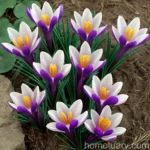
Colchicum ‘Waterlily’, also known as Meadow Saffron, is a captivating herbaceous perennial plant that belongs to the Colchicaceae family. This exquisite plant is renowned for its charming flowers, making it a popular choice for gardeners seeking to add elegance and color to their outdoor spaces. Meadow Saffron is native to various regions, and its unique characteristics have captivated the interest of botanists and gardening enthusiasts around the world.
Key Takeaways – Colchicum ‘Waterlily’ (Meadow Saffron)
Before we dive into the detailed aspects of cultivating and caring for Colchicum ‘Waterlily’, let’s take a brief look at the key takeaways of this remarkable plant.
- Common Name: Meadow Saffron
- Family: Colchicaceae
- Plant Type: Herbaceous Perennial
- Flower Color: Varieties of pink, purple, and white
- Bloom Time: Autumn
- Growth Habit: Bulbous
- Hardiness Zones: 4 – 9
- Sunlight: Full sun to partial shade
- Watering: Moderate
- Soil Type: Well-draining
- Height: 6 – 8 inches
- Spread: 6 – 8 inches
- Uses: Ornamental, medicinal
- Common Pests: Aphids, slugs, snails
- Common Diseases: Gray mold, root rot
Now that we have an overview of the Meadow Saffron, let’s explore the intricate details of cultivating and caring for this enchanting plant.
Culture
Cultivating and nurturing Colchicum ‘Waterlily’ requires an understanding of its cultural needs. From soil requirements to blooming season, each aspect contributes to the overall health and beauty of the plant.
Uses
Meadow Saffron is primarily grown for ornamental purposes, adorning gardens with its stunning blooms. Additionally, the plant has been historically used in herbal medicine for various purposes, although it is essential to handle its toxic components with care.
Water
Proper watering is crucial for the well-being of Colchicum ‘Waterlily’. While the plant enjoys moderate moisture during its growing season, it is essential to avoid waterlogging, which may lead to root rot.
Sunlight
When it comes to sunlight, Meadow Saffron thrives in locations with full sun to partial shade. Ensuring the plant receives adequate sunlight is integral to promoting healthy growth and vibrant blooms.
Fertilizer
Applying a balanced fertilizer in spring can provide the necessary nutrients for Meadow Saffron to flourish. However, it is vital to follow recommended dosage and application guidelines to prevent fertilizer burn.
Soil
The soil type plays a pivotal role in the cultivation of Colchicum ‘Waterlily’. Well-draining, fertile soil with a slightly acidic to neutral pH level is ideal for supporting the plant’s growth and development.
Pruning
Pruning Meadow Saffron is relatively straightforward. Once the foliage begins to yellow and wither after flowering, the plant can be pruned back to ground level, allowing it to prepare for the dormant phase.
Propagation
Meadow Saffron can be propagated through bulb offsets or seeds. Dividing the bulbs during the plant’s dormant period and sowing seeds in well-prepared soil are effective methods of propagation.
Container Popularity
The compact nature of Colchicum ‘Waterlily’ makes it well-suited for container gardening, adding a touch of elegance to patios, balconies, and indoor spaces.
Common Diseases
Like many plants, Meadow Saffron is susceptible to certain diseases that can impact its overall health and vitality. It is essential to be vigilant and proactive in addressing these diseases to ensure the well-being of the plant.
Disease Diagnosis
Two prevalent diseases that affect Colchicum ‘Waterlily’ are gray mold (Botrytis cinerea) and root rot. Gray mold manifests as fuzzy grayish-brown patches on the plant’s foliage and flowers, while root rot is characterized by the decay of the plant’s roots, resulting in wilting and discoloration.
Common Pests
Several pests pose a threat to the well-being of Colchicum ‘Waterlily’, and being familiar with these pests is instrumental in implementing effective pest management strategies.
Botanist’s Tips
As a botanist, I have encountered various queries and concerns related to the cultivation and care of Meadow Saffron. Here are some invaluable tips to ensure the successful growth and maintenance of Colchicum ‘Waterlily’:
-
Planting Depth: When planting Meadow Saffron bulbs, ensure that the depth is approximately 3 times the size of the bulb. This facilitates proper establishment and growth.
-
Naturalizing: Meadow Saffron has the remarkable ability to naturalize in the garden, forming charming clusters over time. When designing garden borders or landscape accents, consider the naturalizing tendencies of this plant.
-
Companion Planting: Pairing Meadow Saffron with companion plants that complement its requirements and aesthetic can contribute to a harmonious and visually appealing garden design.
-
Seasonal Care: Adhering to seasonal care practices such as pruning after the bloom period and providing adequate winter protection is essential for the plant’s long-term health.
-
Wildlife Attraction: Meadow Saffron can attract pollinators, enhancing the ecological balance in your garden and contributing to a thriving ecosystem.
Fun Facts
Delving into the realm of Meadow Saffron uncovers fascinating insights and unique attributes associated with this captivating plant. Here are some fun facts about Colchicum ‘Waterlily’:
- The name “Meadow Saffron” is derived from its resemblance to the saffron plant, although it is not botanically related to true saffron.
- Meadow Saffron has a long history of medicinal use, although its toxic components necessitate careful handling and usage.
- The delicate flowers of Colchicum ‘Waterlily’ emerge in the autumn, offering a charming contrast to the changing landscapes.
Links to External Resources
For further exploration and in-depth information about Colchicum ‘Waterlily’, refer to the following external resources:
- Royal Horticultural Society – Growing Colchicum
- The American Horticultural Society – Meadow Saffron Care Guide
- University of California Agriculture and Natural Resources – Understanding Gray Mold
- Missouri Botanical Garden – Plant Finder: Colchicum
As we conclude this comprehensive guide to Colchicum ‘Waterlily’ (Meadow Saffron), I hope you have gained valuable insights into the cultivation, care, and unique attributes of this captivating plant. Whether you are inspired to enrich your garden with its alluring blooms or broaden your botanical knowledge, Meadow Saffron continues to fascinate and charm all who encounter it.
Remember, the world of plants is filled with endless wonders, each waiting to be discovered and appreciated. Happy gardening!