Plant Scientist Blog: Clematis ‘Wisley’ (Viticella Group)
Clematis ‘Wisley’ is an incredibly popular and versatile vine that belongs to the Viticella Group of clematis cultivars. In this detailed guide, we will explore the characteristics, care tips, growing guide, and various aspects of this lovely plant. Whether you are a beginner gardener or an experienced horticulturist, this comprehensive examination of Clematis ‘Wisley’ will provide you with a wealth of information about this delightful plant.
What is Clematis ‘Wisley’ (Viticella Group)?
Clematis ‘Wisley’ is a captivating perennial vine renowned for its abundant and colorful flowers. It is a member of the Viticella Group, which is a diverse and robust group of clematis hybrids known for their profuse blooms and hardiness. ‘Wisley’ is a cultivar that has gained popularity for its stunning flowers and remarkable adaptability to different growing conditions.
Key Takeaways – Clematis ‘Wisley’ (Viticella Group)
Before delving into the specifics of Clematis ‘Wisley’, let’s provide a quick overview of the key takeaways that we will be exploring in this comprehensive guide:
- Characteristics: Understanding the physical and botanical features of Clematis ‘Wisley’.
- Care Tips: Providing essential care guidelines for optimal growth and health of the plant.
- Growing Guide: Detailed instructions on the ideal conditions for cultivating ‘Wisley’.
- Pruning Techniques: Best practices for pruning to maintain vigor and abundant blooms.
- Propagation Methods: Insights into propagating ‘Wisley’ to expand your plant collection.
- Plant Description: A detailed description of the appearance and growth habits of Clematis ‘Wisley’.
- Bloom Time: Understanding when ‘Wisley’ produces its beautiful flowers.
- Disease Resistance: Insights into the resistance of ‘Wisley’ to common plant diseases.
- Landscape Uses: Exploring the versatile uses of ‘Wisley’ in garden and landscape designs.
- Companion Plants: Identifying suitable companion plants to enhance the beauty of ‘Wisley’.
- Sun Requirements: Understanding the sunlight needs for optimal growth.
- Shade Tolerance: Assessing the ability of ‘Wisley’ to thrive in shaded environments.
- Water Needs: Guidelines for watering ‘Wisley’ to maintain healthy and lush growth.
- Soil Preferences: Understanding the ideal soil conditions for ‘Wisley’.
- Container Gardening: Tips for growing ‘Wisley’ in containers for versatile garden designs.
- Trailing Habits: Exploring the trailing nature of ‘Wisley’ and its impact on garden design.
- Support Structures: Identifying suitable support structures for ‘Wisley’ to climb and flourish.
- Hardiness: Assessing the resilience of ‘Wisley’ in different climatic conditions.
- Flower Colors: Exploring the diverse range of colors exhibited by ‘Wisley’ blooms.
- Pruning Schedule: Guidelines for scheduling pruning activities to maintain plant vigor.
- Blooms Per Season: Understanding the flowering patterns and profusion of blooms.
- Pollinator-Friendly: Assessing the appeal of ‘Wisley’ to pollinating insects and birds.
- Wildlife Attraction: Exploring the potential of ‘Wisley’ to attract beneficial wildlife.
- Disease Prevention: Steps to prevent common plant diseases in ‘Wisley’.
- Fertilization Requirements: Guidelines for fertilizing ‘Wisley’ for optimal growth and flowering.
- Growth Rate: Understanding the pace of growth exhibited by ‘Wisley’.
- Planting Depth: Guidelines for planting ‘Wisley’ at the ideal depth for establishment.
- Vine Maintenance: Essential maintenance tasks for the lush and healthy growth of ‘Wisley’.
- Groundcover Uses: Exploring the potential of ‘Wisley’ as a groundcover plant.
- Seasonal Interest: Understanding the seasonal appeal of ‘Wisley’ in garden settings.
- Flower Form: Exploring the distinctive form and structure of ‘Wisley’ blooms.
- Versatile Cultivar: Understanding the broad range of applications for ‘Wisley’ in garden designs.
- Arboreal Uses: Exploring the potential of ‘Wisley’ to adorn trees and arbors.
- Vertical Gardening: Assessing the suitability of ‘Wisley’ for vertical gardening designs.
- Unique Features: Highlighting the unique and remarkable aspects of ‘Wisley’.
- Showy Flowers: Appreciating the vibrant and attention-grabbing blooms of ‘Wisley’.
- Container Presentation: Tips for presenting ‘Wisley’ effectively in container gardens.
- Garden Organization: Incorporating ‘Wisley’ into well-organized garden layouts.
- Planting Tips: Essential guidelines for planting ‘Wisley’ for optimal establishment.
- Winter Care: Necessary care measures for ‘Wisley’ during the winter season.
- Summer Pruning: Best practices for summer pruning of ‘Wisley’ for controlled growth.
- Spring Maintenance: Essential tasks for maintaining ‘Wisley’ in the spring season.
- Fall Cleanup: Guidelines for fall cleanup activities to prepare ‘Wisley’ for the winter.
- Pest Management: Strategies for managing common pests that affect ‘Wisley’.
- Trellis Designs: Exploring suitable trellis designs for ‘Wisley’ in garden settings.
- Shade Garden Ideas: Incorporating ‘Wisley’ effectively into shade garden designs.
- Vertical Accent: Utilizing ‘Wisley’ as a striking vertical accent in garden landscapes.
- Climber Suggestions: Identifying suitable climbing companions for ‘Wisley’.
- Landscape Focal Point: Understanding the potential of ‘Wisley’ as a focal point in garden landscapes.
- Cottage Garden Planting: Exploring the suitability of ‘Wisley’ for traditional cottage garden designs.
Through this extensive exploration of Clematis ‘Wisley’, you will gain valuable insights into the care, cultivation, and creative use of this exceptional plant in various garden settings.
Clematis ‘Wisley’ Characteristics
Understanding the physical and botanical characteristics of Clematis ‘Wisley’ is essential for successfully cultivating and appreciating this remarkable vine. Here are the key characteristics of ‘Wisley’:
Physical Appearance
- Growth Habit: ‘Wisley’ is a deciduous vine that exhibits a vigorous climbing habit, making it suitable for adorning trellises, arbors, and various garden structures.
- Foliage: The foliage of ‘Wisley’ consists of deeply lobed, mid-green leaves that create an attractive backdrop for the vibrant blooms.
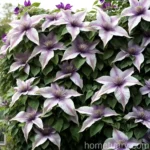
- Flowers: The most captivating feature of ‘Wisley’ is its profusion of large, star-shaped flowers that come in an array of colors, including shades of purple, pink, and blue. The blooms are accentuated by contrasting stamens, adding to their visual appeal.
- Vine Structure: The vine of ‘Wisley’ is sturdy and twining, allowing it to climb and weave through supporting structures with ease.
- Mature Size: When grown in optimal conditions, ‘Wisley’ can reach a height and spread of several feet, creating an impressive display of foliage and blooms.
Botanical Features
- Scientific Name: Clematis ‘Wisley’ (Viticella Group)
- Genus: Clematis
- Group: Viticella
- Family: Ranunculaceae
- Hardiness: ‘Wisley’ is known for its exceptional hardiness, thriving in various climatic conditions.
Understanding these characteristics provides valuable insights into the visual appeal and growth habits of Clematis ‘Wisley’, setting the stage for optimal care and cultivation practices.
Clematis ‘Wisley’ Care Tips
Proper care is essential for maintaining the health, vigor, and blooming potential of Clematis ‘Wisley’. By following these essential care tips, you can ensure that ‘Wisley’ thrives in your garden:
Water
- Regular Watering: ‘Wisley’ benefits from consistent and moderate watering, especially during periods of active growth and blooming. Ensure that the soil remains evenly moist, but not waterlogged, to support healthy growth and flowering.
Sunlight
- Full Sun: ‘Wisley’ thrives in full sun or partial shade, with a preference for at least 6 hours of direct sunlight to promote abundant flowering. In warmer climates, providing some afternoon shade can protect the plant from excessive heat.
Fertilizer
- Balanced Fertilization: Apply a balanced, all-purpose fertilizer in early spring to provide the necessary nutrients for vigorous growth and profuse flowering. Repeat the application in late spring to further support the plant’s nutrient needs.
Soil
- Well-Draining Soil: Plant ‘Wisley’ in well-draining, fertile soil with a neutral to slightly alkaline pH. Amending the soil with organic matter can enhance its texture and fertility, supporting the overall health of the plant.
Pruning
- Pruning Guidelines: Follow the pruning techniques specific to the Viticella Group, which typically involves a hard prune in late winter or early spring to encourage robust new growth and abundant blooms. Remove any damaged or weak growth to maintain the plant’s vigor.
Propagation
- Propagation Methods: ‘Wisley’ can be propagated through softwood cuttings in early summer or by layering, providing an opportunity to expand your plant collection and share this beautiful vine with fellow gardeners.
By adhering to these care tips, you can provide ‘Wisley’ with the ideal growing conditions to showcase its remarkable beauty and vigor.
Clematis ‘Wisley’ Growing Guide
Creating the optimal growing environment for Clematis ‘Wisley’ is essential for ensuring its health and prolific blooming. Here’s a comprehensive guide to growing ‘Wisley’ successfully:
Planting
- Site Selection: Choose a planting location that offers well-draining soil, ample sunlight, and suitable support for the vine to climb and flourish.
- Planting Depth: When planting ‘Wisley’, ensure that the rootball is buried 2-3 inches below the soil surface to promote stability and robust establishment.
- Spacing: Allow sufficient spacing between ‘Wisley’ plants to accommodate their sprawling growth habit and to facilitate adequate air circulation.
Watering
- Establishment Phase: During the initial establishment phase, provide ‘Wisley’ with regular and consistent watering to support the development of a strong root system.
- Watering Practices: Water the plant at the base to minimize moisture on the foliage, reducing the risk of fungal diseases and ensuring efficient uptake of water by the roots.
Support Structures
- Sturdy Supports: Install sturdy trellises, arbors, or other climbing structures to provide adequate support for the vigorous growth of ‘Wisley’. Ensure that the supports are secured firmly to accommodate the weight of the vine and its profuse blooms.
Training and Pruning
- Guided Growth: As ‘Wisley’ begins to climb, gently guide the stems towards the support structures to encourage upward growth and an attractive display of foliage and flowers.
- Pruning Schedule: Adhere to a consistent pruning schedule, performing a hard prune in late winter or early spring to rejuvenate the plant and promote abundant blooms.
Mulching
- Mulch Application: Apply a layer of organic mulch around the base of ‘Wisley’ to conserve soil moisture, regulate soil temperature, and suppress weed growth. Ensure that the mulch does not come into direct contact with the stems to prevent moisture-related issues.
Climatic Considerations
- Winter Protection: In regions with severe winters, provide ‘Wisley’ with adequate protection by mulching the base of the plant and providing shelter from harsh winter winds to prevent damage.
By following this comprehensive growing guide, you can create the ideal conditions for Clematis ‘Wisley’ to flourish and grace your garden with its vibrant blooms.
Clematis ‘Wisley’ Pruning Techniques
Pruning is a crucial aspect of maintaining the health, vigor, and abundant flowering of Clematis ‘Wisley’. Understanding the pruning techniques specific to this vine is essential for achieving optimal results:
Pruning Groups
- Viticella Group: ‘Wisley’ belongs to the Viticella Group of clematis cultivars, which are classified under Group 3 for pruning purposes.
- Pruning Group 3: Prune ‘Wisley’ in late winter or early spring, cutting the plant back to a pair of strong buds, approximately 12 to 18 inches above ground level.
Technique
- Hard Prune: Perform a hard prune by cutting ‘Wisley’ back to 12 to 18 inches above the soil level, ensuring that the cuts are made just above a pair of healthy and vigorous buds.
- Removal of Weak Growth: During pruning, remove any weak, damaged, or congested growth to maintain the plant’s overall health and vigor.
Tools
- Pruning Shears: Use sharp and clean pruning shears to make precise cuts, minimizing the risk of damage to the plant and promoting rapid healing of the pruning wounds.
Frequency
- Annual Pruning: Prune ‘Wisley’ annually in late winter or early spring to rejuvenate the plant, promote robust new growth, and stimulate abundant flowering throughout the growing season.
Benefits
- Enhanced Blooming: Proper pruning encourages ‘Wisley’ to produce a profusion of blooms on vigorous new growth, enriching the visual appeal of the plant in the garden.
- Overall Health: By removing weak and congested growth, pruning supports the overall health and vitality of ‘Wisley’, reducing the risk of disease and promoting balanced growth.
Considerations
- Protection: Take care to protect ‘Wisley’ from late spring frosts after pruning, especially if the new growth has emerged, to prevent damage to the tender shoots.
By mastering the pruning techniques specific to Clematis ‘Wisley’, you can ensure that the plant exhibits robust growth, abundant blooming, and a visually striking presence in your garden.
Clematis ‘Wisley’ Propagation Methods
Propagating Clematis ‘Wisley’ offers an excellent opportunity to expand your plant collection and share the beauty of this exceptional vine with fellow gardening enthusiasts. Here are the key propagation methods for ‘Wisley’:
Softwood Cuttings
- Timing: Propagate ‘Wisley’ through softwood cuttings in early summer when the plant is actively growing and the stems have matured slightly.
- Preparation: Select healthy and non-flowering stems, approximately 4 to 6 inches in length, and remove the lower leaves to expose the nodes.
Rooting Medium
- Propagating Mix: Prepare a well-draining propagating mix, such as a combination of perlite and peat moss, to provide the ideal rooting environment for the cuttings.
- Moisture Management: Maintain consistent moisture levels in the propagating medium to support the development of roots without waterlogging the cuttings.
Rooting Process
- Rooting Hormone: Dip the base of the softwood cuttings in a rooting hormone powder to encourage the development of roots.
- Warm Environment: Place the cuttings in a warm and brightly lit environment, such as a greenhouse or a sheltered outdoor area, to facilitate efficient rooting.
Layering
- Air Layering: Layering is another effective method for propagating ‘Wisley’, allowing you to induce the development of roots on a stem while it is still attached to the parent plant.
- Encouraging Rooting: Select a healthy and flexible stem, make a small incision or scrape the bark at a specific point, and secure the wounded portion against the soil to encourage the development of roots.
Division
- Established Plants: Established ‘Wisley’ plants can also be propagated through division, allowing you to separate the plant into smaller sections, each with its roots and growing points.
- Spring Division: Perform division in the spring when the plant is actively growing, ensuring that each divided section has sufficient roots and foliage to support its growth.
By employing these propagation methods, you can propagate Clematis ‘Wisley’ successfully, opening up opportunities to introduce this exceptional plant to new garden settings and fellow gardening enthusiasts.
Clematis ‘Wisley’ Plant Description
Gaining a comprehensive understanding of the physical appearance and growth habits of Clematis ‘Wisley’ enhances your ability to appreciate and cultivate this exceptional vine. Here’s a detailed plant description of ‘Wisley’:
Growth Habit
- Climbing Vine: ‘Wisley’ is a vigorous climbing vine with twining stems that elegantly weave through trellises, arbors, and other supporting structures.
- Vertical Reach: When provided with adequate support, ‘Wisley’ can reach a height and spread of several feet, creating an impressive display of foliage and blooms.
Foliage
- Leaf Structure: The foliage of ‘Wisley’ consists of deeply lobed, mid-green leaves that provide an attractive backdrop for the vibrant blooms.
- Deciduous: As a deciduous vine, ‘Wisley’ sheds its foliage in the fall, revealing the intricate structure of its climbing stems during the dormant season.
Flowers
- Abundant Blooms: ‘Wisley’ produces an abundance of large, star-shaped flowers in an array of captivating colors, including shades of purple, pink, and blue.
- Blooming Period: The blooming period of ‘Wisley’ extends over several weeks, enriching the garden with a profusion of colorful and eye-catching flowers.
Seasonal Interest
- Spring to Fall Appeal: ‘Wisley’ contributes to the seasonal interest of the garden, with its lush foliage and captivating blooms adding vibrancy and charm from spring through fall.
- Winter Dormancy: During the winter season, the dormant vine of ‘Wisley’ retains an elegant and unobtrusive presence, awaiting the arrival of spring for renewed growth.
Distinctive Features
- Trailing Nature: The trailing habit of ‘Wisley’ adds a dynamic and graceful element to its growth, creating an enchanting display as the vine gracefully climbs and weaves through its supporting structures.
- Flower Form: The star-shaped flowers of ‘Wisley’ are visually striking and serve as a focal point in garden compositions, drawing attention with their rich and diverse colors.
By appreciating the physical and visual aspects of Clematis ‘Wisley’, you can gain a deeper appreciation for the plant’s elegance and vitality, enhancing your ability to incorporate ‘Wisley’ effectively into your garden designs.
Clematis ‘Wisley’ Bloom Time
Understanding the blooming period of Clematis ‘Wisley’ is essential for planning and creating visually striking garden compositions. Here’s a detailed exploration of the bloom time of ‘Wisley’:
Blooming Period
- Extended Blooming: ‘Wisley’ exhibits an extended blooming period that typically spans from late spring through early fall, providing several weeks of continuous and abundant flowering.
- Repeat Blooms: Throughout the blooming period, ‘Wisley’ produces successive waves of blooms, ensuring a consistent display of vibrant and eye-catching flowers.
Flowering Cycle
- Progressive Blooms: As individual blooms fade, ‘Wisley’ continues to produce new flowers, creating an evolving and dynamic display of color and beauty in the garden.
- Seasonal Transition: The color palette and intensity of the blooms may shift subtly as the