Clematis virginiana (Virgin’s Bower): The Ultimate Plant Care Guide
As a plant scientist specializing in horticulture, I find the complexity and diversity of plant species endlessly fascinating. One such plant that has captured my attention is the Clematis virginiana, commonly known as Virgin’s Bower. This enchanting flowering vine belongs to the Ranunculaceae family and is native to various regions in North America.
In this comprehensive guide, we will delve into the various aspects of Clematis virginiana, including its culture, uses, growth requirements, maintenance, and much more. Whether you are a seasoned gardener or a novice enthusiast, this guide will equip you with the knowledge to nurture and appreciate the beauty of Virgin’s Bower to its fullest potential.
What is Clematis virginiana (Virgin’s Bower)?
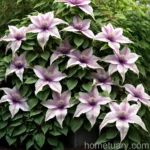
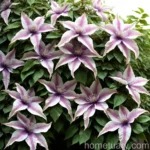
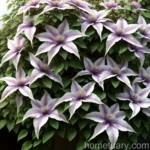
Clematis virginiana is a vigorous, climbing perennial vine known for its stunning display of delicate, fragrant, white flowers. These blossoms, which typically appear in mid to late summer, are a source of nectar for various pollinators, including bees and butterflies. The plant’s compound leaves, adorned with five to seven leaflets, add to its ornamental appeal.
Key Takeaways – Clematis virginiana (Virgin’s Bower):
Before we explore the intricate details of caring for Clematis virginiana, let’s take a glance at the key takeaways:
- Scientific Name: Clematis virginiana
- Common Name: Virgin’s Bower
- Plant Type: Perennial vine
- Flower Color: White
- Fragrance: Fragrant
- Native Habitat: North America
Now, let’s venture into the essential care guidelines for nurturing Clematis virginiana to thrive in your garden or landscape.
Culture
Understanding the cultural requirements of a plant is paramount to its successful growth and development. In the case of Clematis virginiana, being acquainted with its cultural preferences will positively influence its overall health and vigor.
Uses
- Ornamental: Clematis virginiana is primarily cultivated for its ornamental value, thanks to its beautiful and fragrant white flowers.
- Wildlife Attraction: The plant’s nectar-rich blooms attract pollinators, making it a valuable addition to wildlife gardens.
Water
- Regular Watering: Clematis virginiana thrives in moist, well-draining soil. Ensure consistent moisture, especially during the growing season, to promote healthy growth and abundant flowering.
Sunlight
- Sun Exposure: While Clematis virginiana appreciates full sun, it often performs best when its roots are shaded and the upper portion receives sunlight. Thus, planting it near a shrub or employing mulch to shield the roots from direct sunlight is beneficial.
Fertilizer
- Balanced Fertilization: Apply a balanced, slow-release fertilizer in spring to provide the plant with essential nutrients for robust growth and prolific blooming.
Soil
- Well-Draining Soil: Clematis virginiana thrives in fertile, well-draining soil with a slightly acidic to neutral pH level. Organic matter such as compost can be incorporated into the soil to enhance its structure and nutrient content.
Pruning
Pruning is a crucial aspect of Clematis virginiana maintenance, as it influences flowering, encourages new growth, and helps maintain a tidy and manageable appearance.
Propagation
Clematis virginiana can be propagated through various methods, including:
- Seed Propagation: Collecting and sowing seeds is one way to propagate Clematis virginiana. However, this method requires patience as it may take time for the seeds to germinate and develop into viable plants.
- Cutting Propagation: Propagating via stem cuttings can yield new plants with identical characteristics to the parent plant. Select healthy, non-flowering shoots for the best results.
Container Popularity
Due to its climbing nature, Clematis virginiana is well-suited for container gardening. When growing in a container, it’s important to provide a sturdy, supportive structure for the vine to climb.
Container Common Diseases
Clematis virginiana, when grown in containers, may be susceptible to certain diseases, including:
- Root Rot: Overly moist soil in containers can lead to root rot, which can be detrimental to the plant’s health.
- Powdery Mildew: In conditions of poor air circulation and high humidity, powdery mildew may affect the plant, manifesting as a powdery white coating on the leaves and stems.
Disease Diagnosis
When diagnosing diseases affecting Clematis virginiana, careful examination of the plant’s symptoms and signs is crucial. Common diseases that may affect this plant include powdery mildew, leaf spot, and wilt diseases.
Common Pests
Clematis virginiana is susceptible to infestations by certain pests, such as:
- Aphids: These small, sap-sucking insects can cluster on the plant’s tender new growth, causing distortion and stunting.
- Spider Mites: These arachnids may infest Clematis virginiana, especially during dry, hot periods, leading to stippling and discoloration of the leaves.
Botanist’s Tips
As a plant scientist, I have gathered some valuable tips to help you care for Clematis virginiana and maximize its ornamental and ecological value:
- Support Structures: When planting Clematis virginiana, provide it with a sturdy support structure, such as a trellis or arbor, to facilitate its climbing habit and showcase its blossoms.
- Pruning Techniques: Familiarize yourself with the appropriate pruning techniques for Clematis virginiana to ensure optimal flowering and overall plant health.
- Wildlife Gardening: Embrace the diversity of wildlife attracted to Clematis virginiana by incorporating it into wildlife-friendly garden designs.
Fun Facts
- Historical Significance: The genus name “Clematis” is derived from the Greek word “klema,” meaning vine branch or tendril, reflecting the plant’s climbing nature.
- Medicinal Use: Some species of Clematis have been used in traditional medicine for various ailments, although caution is advised due to the potential toxicity of certain compounds.
Links to External Resources
For additional information on Clematis virginiana care and cultivation, consider exploring the following external resources:
- Clematis virginiana Care Guide – Royal Horticultural Society
- Growing Clematis virginiana in Your Garden – The Spruce
- Clematis – North Carolina State University Extension
In conclusion, the allure of Clematis virginiana extends beyond its aesthetic appeal, encompassing its role in supporting wildlife and its historical and cultural significance. By applying the insights and recommendations outlined in this guide, you can cultivate and cherish the beauty of Clematis virginiana, also known as Virgin’s Bower, in your own garden or landscape.
This comprehensive guide aims to equip horticultural enthusiasts with the knowledge and techniques to successfully cultivate and appreciate the exquisite Clematis virginiana. Let the charm of Virgin’s Bower inspire your gardening endeavors!