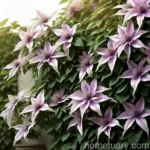
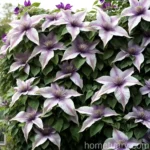
What is Clematis ‘Rooguchi’ (Integrifolia Group)?
Clematis ‘Rooguchi,’ a member of the Integrifolia Group, is a stunning flowering vine that can add charm and elegance to any garden or landscape. Known for its prolific blooming and easy care, this clematis variety is a favorite among gardeners and landscaping enthusiasts.
In this comprehensive guide, we will delve into the various aspects of caring for, cultivating, and enjoying the beauty of Clematis ‘Rooguchi’ (Integrifolia Group). From its cultural requirements to its common uses, diseases, and pests, this article aims to provide all the information you need to successfully grow and appreciate this captivating plant.
Key Takeaways – Clematis ‘Rooguchi’ (Integrifolia Group)
Before we delve into the specifics of caring for Clematis ‘Rooguchi,’ let’s first highlight some key takeaways about this exceptional plant:
Cultivation
- Botanical Name: Clematis ‘Rooguchi’
- Group: Integrifolia
- Type: Perennial vine
- Height: 4-7 feet
- Spread: 2-4 feet
- Hardiness Zones: 4-9
- Flower Color: Deep purple
Cultivation Requirements
- Water: Regular, consistent moisture
- Sunlight: Partial sun to full sun
- Fertilizer: Balanced, organic fertilizer
- Soil: Well-draining, fertile soil
- Pruning: Minimal pruning required
- Propagation: Easily propagated via division or cuttings
Common Uses
- Garden trellises and arbors
- Container gardening
- Pollinator gardens
- Landscape focal points
- Vertical gardening
Now, let’s explore each of these aspects in detail and gain a deeper understanding of how to best care for and appreciate Clematis ‘Rooguchi’ (Integrifolia Group).
Culture
Water
Proper watering is essential for the health and vitality of Clematis ‘Rooguchi.’ While it is crucial to ensure consistent moisture, waterlogging should be avoided as it can lead to root rot and other issues. Here are some guidelines for watering this clematis variety:
- Regular Watering: Clematis ‘Rooguchi’ benefits from regular watering, particularly during dry periods. Aim to keep the soil consistently moist, but not waterlogged.
- Mulching: Applying a layer of organic mulch around the base of the plant can help retain soil moisture and regulate temperature. This is especially beneficial during hot or dry spells.
- Avoid Overhead Watering: When possible, water at the base of the plant to minimize moisture on the foliage, which can contribute to disease issues.
Sunlight
Proper sunlight is crucial for the healthy growth and abundant flowering of Clematis ‘Rooguchi.’ While it can tolerate partial shade, it thrives in full sun or dappled sunlight. Here are some key points to consider regarding sunlight requirements:
- Full Sun: Clematis ‘Rooguchi’ flourishes in full sun, which typically refers to at least six hours of direct sunlight per day. When planted in a location with ample sunlight, this clematis variety tends to produce more profuse and vibrant blooms.
- Partial Shade: While it prefers full sun, Clematis ‘Rooguchi’ can also thrive in partial shade, particularly in regions with intense afternoon sun or during periods of extreme heat. Providing some afternoon shade can help protect the plant from excessive heat stress.
- Orientation: When selecting a planting location, consider the orientation to ensure that Clematis ‘Rooguchi’ receives the appropriate amount of sunlight based on its preferences.
Fertilizer
Applying the right type of fertilizer can support healthy growth and abundant flowering in Clematis ‘Rooguchi.’ Organic, balanced fertilizers are often recommended to provide essential nutrients without risking chemical burn or imbalance. Here are some fertilizer tips for this clematis variety:
- Balanced Fertilizer: Use a balanced, organic fertilizer with an equal N-P-K ratio or a slightly higher phosphorus content to promote flowering.
- Application Timing: Apply fertilizer in early spring as new growth emerges, and consider providing supplemental feedings during the growing season if needed.
- Avoid Excessive Fertilization: Over-fertilizing can lead to excessive foliage growth at the expense of flowers. Follow the manufacturer’s recommendations or consult with a gardening expert for specific guidance.
Soil
Well-draining, fertile soil is vital for the successful cultivation of Clematis ‘Rooguchi.’ Ensuring proper soil structure and composition contributes to healthy root development and overall plant vigor. Consider the following soil-related factors when caring for this clematis variety:
- Drainage: Good drainage is essential to prevent waterlogged conditions, which can be detrimental to clematis plants. Amending heavy or compacted soils with organic matter can improve drainage.
- Fertility: Clematis ‘Rooguchi’ thrives in nutrient-rich soil. Incorporating compost or well-aged manure into the planting site can enhance soil fertility and provide a favorable growing environment.
- Soil pH: While clematis plants are known to tolerate a wide pH range, slightly acidic to neutral soil (pH 6.5-7.0) is generally ideal. Conduct a soil test if necessary and adjust the pH as recommended.
Pruning
Proper pruning can help maintain the health, shape, and flowering performance of Clematis ‘Rooguchi.’ While minimal pruning is typically required for this clematis variety, understanding the basics of pruning can ensure that it continues to thrive and produce abundant blooms. Here’s a guide to pruning Clematis ‘Rooguchi’:
- Timing: Pruning is often done in late winter or early spring before new growth begins. This timing allows for the removal of dead or damaged wood while providing a clean start for the growing season.
- Deadheading: Removing spent blooms, also known as deadheading, can encourage additional flowering throughout the season. Simply trim faded flowers to the nearest set of healthy buds to promote continuous blooming.
- Training and Support: As Clematis ‘Rooguchi’ continues to grow, it may benefit from gentle training or guiding along a trellis, arbor, or support structure. This can help achieve an attractive form and prevent sprawling or tangled growth.
- Pruning Group: Clematis ‘Rooguchi’ belongs to Pruning Group 3, which generally includes late-flowering clematis varieties. Pruning techniques are based on the specific blooming pattern of each group, and understanding the pruning group can guide your pruning approach.
- Minimal Pruning: While some clematis varieties require significant annual pruning, Clematis ‘Rooguchi’ typically only needs light pruning to remove dead or damaged growth and to shape the plant as desired.
Propagation
For those interested in expanding their collection of Clematis ‘Rooguchi’ or sharing this captivating plant with friends and fellow gardening enthusiasts, propagation can be an exciting and rewarding endeavor. Clematis ‘Rooguchi’ can be propagated through several methods, including division and cuttings. Here’s a guide to propagating this striking clematis variety:
Division
- Timing: Division is typically done in early spring as new growth begins to emerge. This allows the divided plants to establish themselves during the growing season.
- Root Division: Carefully dig up the established clump of Clematis ‘Rooguchi’ and use a sharp, clean tool to divide the plant into sections, ensuring that each division has healthy roots and shoots.
- Planting Divisions: Replant the divided sections in prepared soil, ensuring that they are at the same depth as they were originally growing. Water the newly planted divisions thoroughly to promote establishment.
Stem Cuttings
- Cutting Selection: Select healthy, non-flowering stems for propagation. A cutting should typically be around 4-6 inches long and include a few sets of leaves.
- Rooting Medium: Dip the cut ends of the stem cuttings in a rooting hormone to encourage root development, then plant them in a well-draining rooting medium such as a mix of perlite and peat moss.
- Humidity and Warmth: Provide the cuttings with a humid, warm environment to encourage root formation. A clear plastic covering or a propagation dome can help maintain the desired conditions.
- Transplanting: Once the cuttings have developed roots, they can be carefully transplanted into individual containers or directly into the garden as new, independent plants.
Propagation offers a wonderful opportunity to expand your collection of Clematis ‘Rooguchi’ and to share the beauty of this plant with others. Whether you choose division or stem cuttings, proper care and attention during propagation can yield successful results and new, thriving plants.
Container Popularity
Clematis ‘Rooguchi’ is well-suited for container gardening, making it a versatile and attractive choice for those with limited garden space or those looking to add vertical interest to their outdoor areas. When grown in containers, this clematis vine can grace patios, balconies, and other outdoor living spaces with its enchanting blooms. Consider the following tips for successfully growing Clematis ‘Rooguchi’ in containers:
Container Selection
- Size: Choose a container that provides ample room for root development and stability for the growing vine. A container with a diameter of at least 18 inches and a depth of 18-24 inches is generally suitable for a single Clematis ‘Rooguchi’ plant.
- Material: Select a container made of durable, weather-resistant material such as terracotta, fiberglass, or wood. Ensure that the container has drainage holes to prevent water accumulation.
Growing Medium
- Quality Potting Mix: Use a high-quality, well-draining potting mix specifically designed for container gardening. Avoid compacted or heavy soils, as they can impede root growth and drainage.
- Nutrient-Rich Mix: Choose a potting mix that provides essential nutrients and promotes healthy plant growth. Amending the mix with organic matter can further enhance its fertility and structure.
Placement and Support
- Sunlight: Position the container in a location that receives the appropriate amount of sunlight based on Clematis ‘Rooguchi’s sunlight requirements. Typically, a spot with at least six hours of direct sunlight is ideal.
- Support Structure: Install a trellis, obelisk, or other support structure within the container to provide the clematis vine with stability and guidance as it grows. Secure the support structure firmly to prevent tipping or movement.
Maintenance and Care
- Watering: Monitor the moisture levels in the container and water as needed to keep the soil consistently moist. Container-grown plants may require more frequent watering, particularly during warm or windy conditions.
- Fertilization: Apply a balanced, slow-release fertilizer or liquid fertilizer according to the manufacturer’s recommendations to provide essential nutrients to the container-grown clematis.
- Pruning and Training: Regularly inspect the plant for any dead or wayward growth, and prune as needed to maintain a tidy and attractive appearance. Train the vine onto the support structure as it grows to help shape its growth.
Growing Clematis ‘Rooguchi’ in containers offers a wonderful opportunity to enjoy its beauty on patios, decks, or other outdoor spaces. With proper care and attention to the unique requirements of container gardening, this clematis variety can thrive and enchant with its abundant blooms.
Common Diseases
Like many plants, Clematis ‘Rooguchi’ is susceptible to certain diseases that can affect its health and vitality. Understanding common diseases and their prevention can help protect this beautiful clematis variety and ensure that it continues to thrive. Here are some prevalent diseases that may impact Clematis ‘Rooguchi’ and strategies for disease prevention:
Clematis Wilt
- Symptoms: Clematis wilt typically manifests as rapid wilting and browning of the foliage, often affecting one side or a portion of the plant. In severe cases, the entire plant may succumb to wilting and dieback.
- Prevention: Planting Clematis ‘Rooguchi’ at the correct depth and ensuring proper drainage can help prevent wilt. Regular inspection for symptoms and prompt action, such as pruning affected areas, can also aid in managing the disease.
- Treatment: If wilt is detected, promptly prune the affected stems below the affected areas, and dispose of the pruned material. Consider applying a fungicidal treatment as directed to further manage the disease.
Powdery Mildew
- Symptoms: Powdery mildew appears as a powdery, white coating on the leaves and stems of the plant. It can impact the overall health and aesthetics of Clematis ‘Rooguchi’ if left untreated.
- Prevention: Adequate spacing between plants, proper air circulation, and avoiding overhead watering can help prevent powdery mildew. Additionally, selecting mildew-resistant cultivars can reduce the risk of infection.
- Treatment: If powdery mildew is observed, consider applying a fungicidal treatment according to the manufacturer’s instructions to manage the disease. Pruning and removing affected plant parts can also aid in control.
Leaf Spot Diseases
- Symptoms: Leaf spot diseases manifest as dark or discolored spots on the foliage of the plant, often leading to leaf yellowing, browning, or premature leaf drop.
- Prevention: Maintaining good sanitation practices, such as removing and disposing of fallen leaves, can help prevent the spread of leaf spot diseases. Providing proper air circulation and avoiding overhead watering can also aid in prevention.
- Treatment: If leaf spot diseases are present, consider applying fungicidal treatments or following other recommended management strategies to reduce the impact of the disease.
By remaining vigilant and implementing appropriate prevention and management strategies, it is possible to minimize the impact of common diseases on Clematis ‘Rooguchi’ and support its overall health and vigor.
Disease Diagnosis
Diagnosing potential diseases affecting Clematis ‘Rooguchi’ involves a combination of visual inspection, symptom analysis, and, in some cases, professional assistance. Understanding how to identify and address potential disease issues can help safeguard the health and vitality of this exceptional clematis variety. Here are some steps to consider when diagnosing potential diseases in Clematis ‘Rooguchi’:
Visual Inspection
- Foliage: Examine the leaves for any discoloration, wilting, spotting, or abnormal growth. Pay attention to the upper and lower leaf surfaces, as well as the stems and petioles.
- Stems and Vines: Check the stems and vines for any signs of lesions, cankers, or unusual growth patterns. Look for areas of browning, wilting, or dieback.
- Flowers: Observe the flowers for any abnormal discoloration, spotting, wilting, or deformities. Note any changes in flower color, size, or shape.
Symptom Analysis
- Pattern of Symptoms: Consider the pattern or distribution of symptoms across the plant. For example, are symptoms localized to specific areas, or are they widespread across the entire plant?
- Progression of Symptoms: Note the progression of symptoms over time. Have they remained consistent, worsened, or spread to other parts of the plant?
- Environmental Factors: Assess the plant’s growing environment, including its exposure to sunlight, soil moisture, and potential stressors such as extreme weather conditions.
Professional Assistance
- Consulting Experts: If you are uncertain about the diagnosis of a potential disease, consider seeking assistance from local gardening experts, horticultural extension services, or plant health professionals.
- Diagnostic Services: Some institutions or laboratories offer diagnostic services for plant diseases. These services often involve submitting samples for analysis and receiving guidance on disease management.
By carefully observing the plant, analyzing symptoms, and seeking assistance as needed, you can effectively diagnose and address potential diseases affecting Clematis ‘Rooguchi,’ promoting its continued health and vitality.
Common Pests
In addition to diseases, Clematis ‘Rooguchi’ may also face challenges from common pests that can affect its growth and overall well-being. Understanding these pests and implementing appropriate pest management strategies can help protect this beloved clematis variety. Here are some common pests that may impact Clematis ‘Rooguchi’ and strategies for pest management:
Aphids
- Identification: Aphids are small, soft-bodied insects that may be green, black, brown, or pink in color. They are often found clustered on new growth, buds, or the undersides of leaves.
- Management: A strong blast of water from a garden hose can dislodge aphids from the plant. Additionally, introducing natural predators like ladybugs or lacewings can help control aphid populations.
Spider Mites
- Identification: Spider mites are tiny arachnids that may appear as tiny dots or specks on the undersides of leaves. They can cause stippling, webbing, and overall decline in plant health.
- Management: Regularly rinsing the foliage with water can reduce spider mite populations. Insecticidal soaps or horticultural oils may also be used for management.
Slugs and Snails
- Identification: Slugs and snails are mollusks known for leaving slime trails and feeding on plant foliage. They are often active during the evening or in moist conditions.
- Management: Handpicking, trapping, or using copper barriers can help manage slug and snail populations in the garden. Applying organic slug and snail baits can also aid in control.
Clematis Borer
- Identification: Clematis borers are moth larvae that bore into the stems of clematis plants, leading to wilting, dieback, and overall decline in plant vigor.
- Management: Pruning and removing infested stems can help manage clematis borer populations. Insecticidal treatments may be considered for severe infestations.
To effectively manage pest issues, it is important to monitor Clematis ‘Rooguchi’ regularly, practice good garden sanitation, and implement targeted control methods as needed. By staying informed and proactive, you can help protect this exceptional clematis variety from common pests.
Botanist’s Tips
As a plant scientist deeply familiar with the care and cultivation of Clematis ‘Rooguchi,’ I’d like to share some additional tips and insights to further enhance your experience with this remarkable plant. These botanist’s tips are based on extensive research, experience, and a passion for fostering healthy and thriving garden environments. Consider integrating the following tips into your care routine for Clematis ‘Rooguchi’:
Mulching and Moisture Management
- Organic Mulch: Apply a layer of organic mulch around the base of Clematis ‘Rooguchi’ to help retain soil moisture, regulate temperature, and deter weeds. Mulching also contributes to soil health and structure over time.
- Mulch Placement: Keep the mulch a few inches away from the base of the plant to prevent excess moisture accumulation and potential crown rot. Ensure that the mulch layer is distributed evenly and does not directly contact the stems or foliage.
- Consistent Moisture: Monitor the soil moisture regularly, particularly during dry spells or periods of intense heat. Providing consistent, adequate moisture can support optimal growth and flowering of Clematis ‘Rooguchi.’
Seasonal Care and Inspection
- Seasonal Pruning: In addition to regular pruning, consider conducting a thorough inspection and potential rejuvenation pruning of Clematis ‘Rooguchi’ in late winter or early spring. This can help remove any winter damage and promote healthy, vigorous growth.
- **Spring E