Plant Scientist Blog: Discovering the Beauty of Clematis ‘Nelly Moser’ (Early Large-Flowered Clematis)
Introduction to Clematis ‘Nelly Moser’
Clematis ‘Nelly Moser,’ also known as Early Large-Flowered Clematis, is a stunning perennial vine admired for its captivating blooms and exceptional climbing abilities. This popular plant is a member of the Ranunculaceae family and is widely cherished by gardeners and horticulturists for its remarkable and versatile characteristics.
Clematis ‘Nelly Moser’ Characteristics
Clematis ‘Nelly Moser’ is celebrated for its distinct features, some of which include:
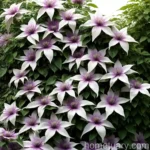
– Large, showy flowers with delicate shades of pale pink and carmine stripes
– Vigorous climbing habit, making it an excellent choice for trellises, fences, and arbors
– Long blooming period from late spring to early summer
– Hardy perennial that can thrive in various climates and growing conditions
– Attracts pollinators such as butterflies, making it a valuable addition to wildlife-friendly gardens
– Versatile applications in landscaping, including as a ground cover or in container gardening
Key Takeaways – Clematis ‘Nelly Moser’ (Early Large-Flowered Clematis)
Before delving into detailed care and cultivation recommendations for Clematis ‘Nelly Moser’, let’s outline the key takeaways for this enchanting plant.
Culture
- Perennial vine with captivating, large blooms
- Admired for its climbing abilities and ornamental value
- Well-suited for trellises, fences, and arbors
Uses
- Suitable for a wide array of landscaping applications
- Adds a touch of elegance to gardens and outdoor spaces
- Attracts pollinators, enhancing biodiversity in the garden
Water
- Moderate watering requirements, keeping the soil consistently moist
- Adequate drainage to prevent waterlogging and root rot
Sunlight
- Thrives in full sun to partial shade conditions
- Requires at least six hours of sunlight for optimal growth and blooming
Fertilizer
- Regular application of balanced, slow-release fertilizer during the growing season
- Avoid excessive nitrogen that can promote vigorous foliage growth at the expense of flowers
Soil
- Well-draining, fertile soil with a slightly acidic to neutral pH
- Incorporate organic matter for improved soil structure and moisture retention
Pruning
- Pruning in late winter or early spring to promote vigorous growth and abundant flowering
- Trim dead or damaged stems and maintain a tidy, manageable shape
Propagation
- Propagate through stem cuttings or layering
- Division of established plants to create new specimens
Container Popularity
- Well-suited for container gardening on patios, balconies, or urban spaces
- Select large containers with adequate support for the climbing vines
Common Diseases
- Susceptible to certain fungal diseases, including powdery mildew and leaf spots
- Proper cultural practices and adequate airflow can help prevent disease outbreaks
Disease Diagnosis
- Regular monitoring for signs of fungal infections, such as white powdery patches on leaves
- Prompt treatment with appropriate fungicides if disease symptoms are observed
Common Pests
- Potential susceptibility to aphids and spider mites
- Natural predators and organic pest control methods can help manage pest populations
Botanist’s Tips
- Provide adequate support structures for the climbing vines, such as trellises or arbors
- Regular fertilization and pruning are essential for promoting healthy growth and prolific flowering
Fun Facts
- Clematis ‘Nelly Moser’ is named after the Swiss botanist, Jacques Nelly Moser
- It is a beloved classic in the world of ornamental horticulture
Links to External Resources
For further insights and information on Clematis ‘Nelly Moser’, you can explore the following external resources:
– Royal Horticultural Society – Clematis ‘Nelly Moser’ Profile
– Missouri Botanical Garden – Clematis Pruning Guide
– North Carolina State University – Clematis Care and Culture