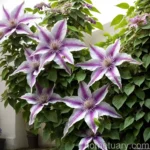
What is Clematis macropetala (Atragene Group)?
Clematis macropetala, a member of the Atragene Group, is a beautiful and versatile flowering plant that belongs to the Ranunculaceae family. It is known for its exquisite, bell-shaped flowers and its vining habit, making it a popular choice for vertical gardening, trellises, and arbors. This plant is native to regions such as Central Europe and Western China and is cherished by gardeners for its ornamental value and ability to attract pollinators such as butterflies.
Throughout this comprehensive guide, we will explore the various aspects of Clematis macropetala, ranging from its culture and maintenance to its uses in landscaping and gardening. We will delve into its preferred growing conditions, care tips, propagation techniques, common diseases and pests, and interesting facts that every gardening enthusiast should know. By the end of this guide, you will have a deeper understanding of Clematis macropetala and be equipped with the knowledge to cultivate and care for this stunning plant in your own garden.
Key Takeaways – Clematis macropetala (Atragene Group)
Before delving into the specifics of Clematis macropetala, let’s highlight the key takeaways of this beautiful plant. These key points will provide a quick overview of the vital aspects of growing and caring for Clematis macropetala:
Culture
- Atragene Group Clematis macropetala is a delightful addition to gardens, known for its distinctive bell-shaped flowers and vining habit.
- It thrives in well-drained, nutrient-rich soil and requires support in the form of trellises or arbors for its vining growth habit.
Uses
- Clematis macropetala is commonly used for vertical gardening, trellises, and arbors to accentuate garden spaces and create stunning visual displays.
- Its ornamental value and ability to attract pollinators make it a sought-after plant for landscaping and garden design.
Water
- Moderate and consistent watering is essential for Clematis macropetala, especially during the growing season, to ensure adequate moisture for its lush growth and prolific flowering.
Sunlight
- Preferred growing conditions include exposure to partial shade to protect the plant from intense sunlight, especially in regions with warmer climates.
Fertilizer
- Application of a balanced, slow-release fertilizer in early spring provides the necessary nutrients for healthy growth and abundant flowering.
Soil
- Well-drained, fertile soil with a slightly acidic to neutral pH is ideal for cultivating Clematis macropetala, promoting robust growth and flowering.
Pruning
- Pruning techniques help maintain the plant’s shape and promote vigorous growth, with specific considerations for different varieties and blooming patterns.
Propagation
- Propagation of Clematis macropetala is achievable through methods such as stem cuttings and layering, enabling gardeners to expand their clematis collection.
Container Popularity
- Clematis macropetala thrives in containers, offering a versatile option for gardeners with limited outdoor space, provided that proper support and care are provided.
Common Diseases
- Despite its overall hardiness, Clematis macropetala is susceptible to certain diseases, including fungal infections, which necessitate proactive prevention and management strategies.
Common Pests
- Pests such as aphids and spider mites may pose a challenge to Clematis macropetala, requiring vigilant monitoring and appropriate control measures to safeguard the plant’s health.
Botanist’s Tips
- Expert tips and insights from botanists and gardening professionals provide valuable guidance for cultivating, maintaining, and maximizing the beauty of Clematis macropetala.
Fun Facts
- Delightful and intriguing facts about Clematis macropetala reveal the plant’s unique characteristics and historical significance, adding an element of fascination to its cultivation.
Links to External Resources
- Access to external resources and authoritative sources offers further information, guidance, and inspiration for growing Clematis macropetala successfully.
Now that we have established an overview of Clematis macropetala, let’s delve into each aspect in more detail to gain a comprehensive understanding of this remarkable plant.
Culture
Clematis macropetala, a member of the Atragene Group, has garnered significant attention for its exceptional beauty and vining growth habit. Understanding the cultural requirements of this plant is crucial for ensuring its overall health, vigor, and abundant flowering. From soil conditions to support structures, the culture of Clematis macropetala encompasses various essential elements that contribute to its successful cultivation.
Atragene Group Clematis macropetala
The Atragene Group encompasses a diverse array of clematis cultivars, including Clematis macropetala, characterized by their bell-shaped flowers and hardy nature. These cultivars typically display early flowering and possess remarkable ornamental value, making them sought-after additions to gardens and landscapes. The Atragene Group is renowned for its resilience and adaptability, thriving in various climatic conditions and soil types.
Ornamental Value
Clematis macropetala, with its delicate, nodding flowers and vining growth habit, serves as an enchanting addition to gardens, captivating onlookers with its beauty and elegance. The bell-shaped blooms, often adorned with attractive coloring and distinctive features, contribute to the overall allure of this plant. Whether adorning trellises, arbors, or other support structures, Clematis macropetala adds a touch of romance and refinement to outdoor spaces.
Support and Structure
Given its vining nature, Clematis macropetala requires adequate support and structure to flourish and showcase its sprawling beauty. Trellises, arches, fences, and pergolas serve as ideal frameworks for the plant’s climbing growth habit, providing the necessary guidance and space for its tendrils to ascend. Properly securing the plant to these structures ensures that its growth remains organized and visually appealing.
Well-Drained Soil
The soil in which Clematis macropetala is planted plays a pivotal role in its overall health and development. Well-drained, nutrient-rich soil with good aeration fosters optimal root growth and allows the plant to access essential nutrients and moisture. A slightly acidic to neutral pH range is preferred, promoting favorable conditions for the plant’s physiological processes and uptake of nutrients.
Watering Practices
Moderate and consistent watering is essential for Clematis macropetala, especially during periods of active growth and flowering. While the plant requires an adequate water supply, it is crucial to avoid waterlogging, as excessively wet soil can lead to root rot and other detrimental conditions. Monitoring the soil moisture and adjusting the watering frequency based on environmental factors and seasonal changes is key to ensuring the plant’s well-being.
Uses
Clematis macropetala’s versatility extends beyond its aesthetic appeal, as it serves various practical and functional purposes in garden design and landscaping. From creating vertical interest to attracting pollinators, the uses of Clematis macropetala are diverse and contribute to its widespread popularity among gardeners and horticulturists.
Vertical Gardening
The vining habit of Clematis macropetala makes it an ideal candidate for vertical gardening, where it can gracefully ascend trellises, arbors, and pergolas, adding dimension and visual interest to garden spaces. Whether used as a standalone focal point or intermingled with other climbing plants, the vertical growth of Clematis macropetala creates an enchanting backdrop and enhances the overall aesthetics of the landscape.
Pollinator Attraction
Clematis macropetala’s flowers, with their nectar-rich centers and appealing fragrance, serve as a magnet for pollinators, particularly butterflies. By incorporating this plant into garden designs, gardeners can actively contribute to supporting and nurturing local pollinator populations, thereby fostering ecological balance and biodiversity within their immediate environment.
In our discussion of Clematis macropetala’s cultural aspects, we have highlighted the essential considerations for cultivating and utilizing this plant in garden settings. Understanding its preferred growing conditions, uses, and support requirements provides a solid foundation for successful cultivation and enjoyment of this remarkable plant.
Water
Water is a fundamental requirement for the health and vitality of Clematis macropetala, ensuring that the plant remains well-hydrated and capable of sustaining its growth and flowering. Proper watering practices, tailored to the plant’s specific needs and environmental conditions, are crucial for maintaining an optimal moisture balance and preventing water-related stress or damage.
Watering Frequency
Moderate and consistent watering is essential for Clematis macropetala, especially during the growing season when the plant is actively putting forth new growth and blooming. A general guideline is to provide the plant with thorough watering, ensuring that the soil is adequately moist without becoming excessively saturated. During periods of hot weather and drought, it may be necessary to increase the frequency of watering to accommodate the plant’s heightened moisture requirements.
Soil Moisture
Monitoring the moisture levels in the soil is key to determining the plant’s watering needs. While Clematis macropetala appreciates a consistently moist environment, it is crucial to avoid waterlogged conditions, as excessive soil saturation can lead to root rot and other detrimental consequences. Checking the soil moisture by inserting a finger into the soil or using a moisture meter helps gauge the need for watering and prevents overwatering or underwatering.
Mulching Benefits
The application of an organic mulch around the base of Clematis macropetala offers several benefits related to water retention and soil moisture management. Mulch helps minimize moisture evaporation from the soil, preserving the moisture levels and reducing the frequency of watering. Additionally, mulch serves as an insulating layer, shielding the root system from extreme temperature fluctuations and promoting a more stable microclimate.
Container Gardening Considerations
For Clematis macropetala grown in containers, special attention must be given to watering practices, as potted plants are more susceptible to fluctuations in soil moisture. Adequate drainage in the containers and regular monitoring of the soil moisture are crucial to prevent waterlogging and ensure that the plant’s root system receives the appropriate amount of moisture. Adjusting the watering frequency based on environmental conditions and the plant’s growth stage is essential for container-grown Clematis macropetala.
Seasonal Variations
Adapting the watering routine to coincide with seasonal changes is imperative for meeting Clematis macropetala’s evolving moisture requirements. During the spring and summer months, when the plant is actively growing and blooming, more frequent watering is generally necessary to sustain its vigor and flowering. As the plant enters dormancy in the fall and winter, the frequency of watering can be reduced, aligning with the plant’s reduced physiological activity during these periods.
In our examination of Clematis macropetala’s water-related needs, we have outlined the essential considerations for providing the plant with the appropriate moisture levels to support its growth and flowering. Understanding the intricacies of watering practices ensures that Clematis macropetala thrives and flourishes, contributing to a visually captivating garden display.
Sunlight
Suitable exposure to sunlight significantly influences the growth, blooming, and overall health of Clematis macropetala. Understanding the plant’s sunlight preferences and adapting its cultivation to coincide with its lighting requirements is pivotal for ensuring optimal performance and thriving in the garden setting.
Light Requirements
Clematis macropetala benefits from exposure to partial shade, particularly in regions with warmer climates where intense sunlight can cause stress and potentially damage the plant. While the plant requires sufficient sunlight to fuel its photosynthetic processes and support its growth, providing protection from direct, harsh sunlight contributes to a more favorable environment for its development.
Partial Shade
Positioning Clematis macropetala in areas that receive partial shade, especially during the intense midday hours, shields the plant from the full brunt of the sun’s rays. The dappled sunlight provided by nearby trees or structures offers an optimal balance of light and shade, preventing excessive heat and light exposure. This partial shade environment mitigates the risk of sunscald and sunburn, safeguarding the plant’s foliage and delicate blooms.
Sun-Tolerant Varieties
While Clematis macropetala generally prefers partial shade, certain varieties within the Atragene Group exhibit a higher tolerance for direct sunlight and are well-suited for more sun-exposed locations. These sun-tolerant cultivars possess adaptations that enable them to thrive in brighter conditions, making them ideal choices for regions with limited shaded areas or where partial shade is not readily available.
Shade Management
In instances where Clematis macropetala is cultivated in locations with limited natural shade, gardeners can implement strategies to provide artificial shade and protect the plant from excessive sunlight. This can be achieved through the use of shade cloth, strategically positioned garden umbrellas, or other temporary shading structures that effectively reduce the intensity of sunlight and create a more favorable microclimate for the plant.
Overcoming Sunlight Challenges
Understanding the impact of sunlight on Clematis macropetala’s growth and adapting its cultivation based on the prevailing lighting conditions present in the garden setting are crucial for overcoming potential sunlight challenges. By identifying suitable locations that offer the plant the necessary balance of light and shade, gardeners can optimize its growing environment and promote robust growth and abundant flowering.
In our examination of sunlight considerations for Clematis macropetala, we have explored the plant’s preferences and highlighted the importance of providing the appropriate light conditions to support its thriving growth and ornamental value. By aligning the plant’s cultivation with its sunlight requirements, gardeners can set the stage for a stunning display of Clematis macropetala in their gardens.
Fertilizer
Supplemental feeding through the application of fertilizers is an integral component of nurturing Clematis macropetala, providing the plant with essential nutrients to support robust growth, prolific flowering, and overall vigor. Understanding the principles of fertilizing Clematis macropetala and selecting the appropriate fertilizers tailored to its specific needs are essential for cultivating a healthy and thriving plant.
Nutrient Requirements
Clematis macropetala benefits from a balanced supply of essential nutrients, including nitrogen, phosphorus, potassium, and various micronutrients needed to support its metabolic processes and developmental stages. These nutrients play a vital role in promoting healthy foliage, robust stem growth, improved flowering, and overall plant resilience against environmental stressors and physiological challenges.
Slow-Release Formulations
The application of slow-release fertilizers, particularly in the early spring as the plant enters its active growth phase, provides a consistent and gradual release of nutrients, ensuring sustained availability throughout the growing season. Slow-release formulations are beneficial for Clematis macropetala, as they deliver a controlled nutrient supply, reducing the risk of overfertilization and minimizing potential nutrient leaching from the soil.
Organic Fertilizers
Organic fertilizers, derived from natural sources such as compost, well-rotted manure, and organic amendments, offer a sustainable and environmentally friendly approach to nourishing Clematis macropetala. These organic materials enhance soil fertility, improve soil structure, and contribute to the long-term health of the plant, fostering a harmonious and balanced ecosystem within the garden environment.
Balanced Formulations
Selecting a balanced fertilizer formulation, such as a 10-10-10 or 20-20-20 blend, provides Clematis macropetala with a proportional supply of essential nutrients, encompassing nitrogen, phosphorus, and potassium in a unified ratio. This balanced approach to fertilization supports overall plant health, encourages robust growth, and stimulates abundant flowering, contributing to the plant’s ornamental value and vitality.
Application Frequency
Fertilizer application frequency for Clematis macropetala generally aligns with its growth stages and the prevailing environmental conditions. Providing supplemental feeding in the early spring, as the plant emerges from dormancy, and again in mid-summer helps sustain its nutritional needs and reinforces its health and vigor throughout the growing season. Monitoring the plant’s response to fertilization guides adjustments to the application schedule as needed.
Micronutrient Considerations
In addition to the primary macronutrients, Clematis macropetala benefits from the presence of essential micronutrients such as iron, manganese, zinc, and magnesium, which play vital roles in supporting various physiological functions and processes within the plant. Ensuring a well-rounded supply of both macro and micronutrients through fertilization contributes to Clematis macropetala’s overall nutritional well-being and performance.
By recognizing the significance of fertilization in the cultivation of Clematis macropetala and adopting appropriate practices, gardeners can enhance the plant’s growth, flowering, and overall vitality, establishing a robust foundation for its continual success in the garden setting.
Soil
The soil in which Clematis macropetala is planted serves as the foundation for its growth, providing essential nutrients, water, and a supportive medium for its root system. Understanding the soil preferences of Clematis macropetala and implementing measures to optimize its growing environment are integral to fostering healthy, vigorous growth and stunning flowering displays.
Soil Composition
Clematis macropetala thrives in well-drained, loamy soil that offers a balanced combination of sand, silt, and clay particles, promoting adequate drainage and aeration for the plant’s root system. Loamy soil possesses favorable moisture retention capabilities, ensuring that the plant’s roots receive sufficient access to water without suffering from waterlogged conditions.
Soil pH
The ideal soil pH range for Clematis macropetala falls within the slightly acidic to neutral spectrum, typically between 6.0 and 7.0. A pH within this range supports optimal nutrient uptake and physiological processes within the plant, fostering an environment conducive to healthy growth, abundant flowering, and overall well-being.
Organic Matter Enrichment
Incorporating organic matter, such as well-rotted compost, leaf mold, or aged manure, into the soil offers various benefits for Clematis macropetala, enhancing its fertility, structure, and nutrient content. Organic amendments improve soil texture, increase its water-holding capacity, and foster a thriving soil ecosystem, promoting beneficial microbial activity and root development.
Drainage Considerations
Given Clematis macropetala’s susceptibility to root rot and other moisture-related issues, ensuring excellent soil drainage is imperative for maintaining its health and vitality. Amending the soil with materials that enhance drainage, such as coarse sand or perlite, helps prevent water accumulation around the plant’s root zone, mitigating the risk of suffocation and root damage.
Water Retention
While adequate drainage is essential, Clematis macropetala benefits from a soil structure that retains moisture long enough to sustain the plant between watering intervals. Well-drained loamy soil with moderate water retention capabilities strikes a balance between preventing waterlogging and ensuring that the plant’s root system has access to adequate moisture, particularly during hot and dry periods.
pH Testing and Adjustment
Conducting routine soil pH testing, using a simple soil test kit or digital pH meter, enables gardeners to monitor the acidity or alkalinity of the soil and make adjustments as needed. If the soil pH deviates from the optimal range for Clematis macropetala, amendments such as elemental sulfur for reducing pH or limestone for raising pH can be utilized to rectify unfavorable soil conditions.
By addressing the critical components of soil composition, pH, drainage, and organic matter enrichment, gardeners can create an optimal growing environment for Clematis macropetala, supporting its health, vigor, and ornamental value within the garden landscape.
In our exploration of Clematis macropetala’s soil requirements, we have emphasized the significance of providing the plant with a well-suited growing medium and implementing soil management practices that contribute to its overall well-being and flourishing growth.
Pruning
Pruning plays a pivotal role in shaping the growth, maintaining the form, and enhancing the flowering performance of Clematis