Clematis ‘Huldine’ (Late Large-Flowered Clematis) – A Complete Guide
Clematis ‘Huldine’ is a stunning late-blooming clematis variety that adds a touch of elegance and charm to any garden. Its large, bell-shaped flowers and vibrant colors make it a favorite among garden enthusiasts. In this comprehensive guide, we will explore everything you need to know about this beautiful plant, from its characteristics and care requirements to its uses, propagation methods, and much more.
What is Clematis ‘Huldine’?
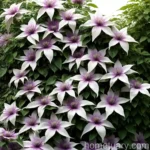
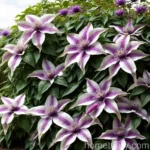
Clematis ‘Huldine’, also known as Late Large-Flowered Clematis, is a deciduous vine that belongs to the Ranunculaceae family. This particular Clematis variety is prized for its profusion of large, pure white flowers, which bloom in the late summer to early fall, adding a touch of beauty and elegance to the garden when many other plants may have already finished flowering.
Key Takeaways – Clematis ‘Huldine’ (Late Large-Flowered Clematis)
Before we delve into the specifics of cultivating and caring for Clematis ‘Huldine’, let’s go over some key takeaways that encapsulate the essence of this beautiful plant:
- Clematis ‘Huldine’ is a late-blooming clematis variety known for its large, bell-shaped flowers and vigorous growth.
- This clematis cultivar is characterized by its pure white flowers, significant flower size, and a long blooming season that extends from late summer to early fall.
- When properly cared for, Clematis ‘Huldine’ can thrive in a variety of garden settings, adding vertical interest and a stunning floral display.
- Understanding its cultural requirements, such as sunlight, water, soil, and pruning, is essential for successful cultivation and vibrant flowering.
Culture
Uses
Clematis ‘Huldine’ is a versatile plant that can be used in a variety of landscape and garden settings:
- Vertical Accent: With its vigorous climbing habit, Clematis ‘Huldine’ can be trained to grow on trellises, arbors, pergolas, or other vertical structures, adding height and visual interest to the garden.
- Container Gardening: Due to its adaptable nature, this clematis variety can thrive in containers, making it an excellent choice for patios, balconies, or small gardens.
- Border Plant: When planted near shrubs or small trees, Clematis ‘Huldine’ can act as a stunning border plant, softening the edges of the landscape with its lush foliage and cascading flowers.
- Cut Flower: The long-stemmed, showy blooms of Clematis ‘Huldine’ make it an excellent choice for cut flower arrangements, adding a touch of elegance to floral displays.
Water
Proper watering is essential for the health and vitality of Clematis ‘Huldine’. Here are some key considerations when it comes to watering this beautiful vine:
- Moisture Requirements: Clematis ‘Huldine’ prefers consistently moist, well-draining soil. It is essential to keep the soil evenly moist, especially during the growing season and dry periods.
- Mulching: Applying a layer of organic mulch around the base of the plant can help with moisture retention and regulate soil temperature, promoting healthy growth.
- Avoid Overhead Watering: To prevent foliar diseases, it is advisable to water the plant at the base, avoiding wetting the foliage, especially in the evening.
Sunlight
Clematis ‘Huldine’ thrives in a sunny location but benefits from some shade, especially during the hottest part of the day. Here are some sunlight considerations for optimal growth:
- Light Requirements: Plant Clematis ‘Huldine’ in a location that receives at least 6 hours of sunlight daily. However, in regions with intense afternoon sun, providing some shade during the hottest part of the day can prevent stress and sunburn.
- South or West-Facing Aspect: If possible, choose a south or west-facing aspect for planting, as it can provide the adequate sunlight and warmth that Clematis ‘Huldine’ prefers.
Fertilizer
Proper fertilization is crucial for promoting healthy growth and abundant flowering in Clematis ‘Huldine’:
- Balanced Fertilizer: Use a balanced, slow-release fertilizer in the early spring to provide essential nutrients for vigorous growth and flowering.
- Organic Matter: Incorporating organic matter, such as compost or well-rotted manure, into the soil can improve soil fertility and provide a steady source of nutrients for the plant.
- Avoid High-Nitrogen Fertilizers: While nitrogen is essential for vegetative growth, excessive nitrogen can promote lush foliage at the expense of flowering. Use a fertilizer with a balanced NPK ratio to support overall plant health.
Soil
Clematis ‘Huldine’ has specific soil requirements for optimal growth and performance:
- Well-Draining Soil: Plant Clematis ‘Huldine’ in well-draining, loamy soil that retains moisture without becoming waterlogged. Avoid heavy clay soils that can impede drainage and lead to root rot.
- pH Level: The ideal soil pH for Clematis ‘Huldine’ is slightly acidic to neutral (pH 6.5-7.0). Conduct a soil test to determine the pH and amend the soil as needed to create the optimal growing conditions.
Pruning
Pruning is an essential aspect of Clematis ‘Huldine’ care and is crucial for maintaining its vigor and promoting prolific flowering:
- Pruning Time: Prune Clematis ‘Huldine’ in late winter to early spring before new growth emerges. This is the time to remove any dead or damaged wood and make way for new growth.
- Pruning Group: Clematis ‘Huldine’ belongs to Pruning Group 3, which includes clematis varieties that bloom on the current season’s growth. Prune the plant back to a pair of strong buds, about 30-45 cm above the ground to encourage vigorous new growth and flowering.
Propagation
Propagation of Clematis ‘Huldine’ can be achieved through various methods, including:
- Softwood Cuttings: Take softwood cuttings in the early summer and root them in a well-draining propagation medium, such as perlite or vermiculite. Provide bottom heat and misting to encourage root development.
- Layering: Encourage the development of new roots by gently bending a low-growing stem to the ground, making a small incision on the underside and covering it with soil. Once roots have formed, the new plant can be separated from the parent.
Container Popularity
Clematis ‘Huldine’ is a popular choice for container gardening, offering a versatile and elegant addition to outdoor spaces:
- Container Size: Select a large container with good drainage to accommodate the vigorous growth habit of Clematis ‘Huldine’. A container with a trellis or support system can provide the necessary structure for the vine to climb and thrive.
- Potting Mix: Use a high-quality potting mix that provides adequate aeration and moisture retention. Consider adding some perlite or vermiculite to improve drainage and prevent waterlogging.
Common Diseases
While Clematis ‘Huldine’ is relatively resilient, it is susceptible to certain diseases that can impact its health and flowering:
Disease Diagnosis
- Powdery Mildew: A common fungal disease that presents as a powdery, white coating on the foliage. Provide adequate air circulation and avoid overhead watering to prevent powdery mildew. Fungicidal sprays may be necessary for severe infestations.
- Clematis Wilt: This disease can cause sudden wilting and browning of the foliage due to fungal infection. Prune affected stems and ensure proper sanitation to prevent the spread of the disease.
Common Pests
Clematis ‘Huldine’ may attract certain pests that can compromise its health and vigor:
- Aphids: These small, sap-sucking insects can infest young shoots and buds, causing distortion and stunted growth. Use a strong jet of water to dislodge aphids or apply insecticidal soap as needed.
- Spider Mites: These microscopic pests can cause webbing and stippling on the foliage, leading to weakened plants. Keep the plant well-hydrated and consider using predatory mites as a natural control method.
Botanist’s Tips
Here are some expert tips for cultivating and caring for Clematis ‘Huldine’:
- Support Structure: Provide a sturdy support structure, such as a trellis, to accommodate the climbing nature of Clematis ‘Huldine’ and prevent damage to the stems and flowers.
- Winter Protection: In regions with harsh winters, consider providing winter protection by mulching around the base of the plant and wrapping the stems with burlap to shield them from cold and wind.
Fun Facts
Clematis ‘Huldine’ is not only a beautiful and elegant plant but also harbors some captivating characteristics and historical significance:
- Symbolism: In the language of flowers, clematis symbolizes mental beauty and ingenuity, making it an ideal choice for gardens with a symbolic theme.
- Folklore: In various cultures, clematis has been associated with different folklore and traditions, often representing beauty, protection, and love, adding a touch of mystique to its presence in the garden.
Links to External Resources
For further exploration of Clematis ‘Huldine’ and related topics, the following external resources provide valuable information and insights:
- Royal Horticultural Society – Clematis Group
- University of Maryland Extension – Clematis Care
- American Clematis Society
- Missouri Botanical Garden – Growing Clematis
By understanding the cultural requirements, care techniques, and unique characteristics of Clematis ‘Huldine’, you can create a thriving and visually captivating garden that showcases the beauty and elegance of this exceptional plant.
Whether as a vertical accent, container centerpiece, or border plant, the versatility and charm of Clematis ‘Huldine’ make it an invaluable addition to any garden enthusiast’s collection. With proper care and attention, this late large-flowered clematis can reward you with a lavish display of pure white blooms, adding a touch of grace and allure to the garden throughout the late summer and early fall.