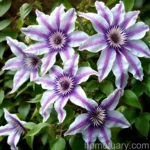
Understanding Clematis ‘Fujimusume’ (Early Large-Flowered Clematis)
Clematis ‘Fujimusume’ is a beautiful and popular variety of the early large-flowered Clematis. As a plant scientist, I am excited to share with you the comprehensive guide to understanding, cultivating, and caring for this stunning plant. In this blog post, we will explore the key takeaways, culture, uses, watering needs, sunlight preferences, fertilization, soil requirements, pruning tips, propagation methods, container gardening, common diseases, pest management, and more related to Clematis ‘Fujimusume’. Let’s delve into the fascinating world of this charming plant variety.
Plant Name: Clematis ‘Fujimusume’ (Early Large-Flowered Clematis)
Key Takeaways – Clematis ‘Fujimusume’ (Early Large-Flowered Clematis)
To begin our exploration, let’s take a look at the key takeaways of Clematis ‘Fujimusume’:
- Ideal Growth Zone: Suitable for USDA hardiness zones 4-9.
- Flowering Season: Exhibits early blooming characteristics, typically flowering in late spring to early summer.
- Flower Characteristics: Known for its large and vibrant flowers.
- Growth Habit: Exhibits climbing habits and requires suitable support structures.
- Cultural Requirements: Thrives under specific cultural conditions including sunlight, water, soil, and fertilization arrangements.
- Common Diseases and Pests: Vulnerable to certain diseases and pests which require vigilant management.
Now, let’s delve deeper into the specific aspects related to caring for and cultivating Clematis ‘Fujimusume’.
Culture
Clematis ‘Fujimusume’ possesses unique cultural requirements that contribute to its optimal growth and vibrant bloom. Understanding these cultural aspects is crucial for successful cultivation. Let’s explore the culture of Clematis ‘Fujimusume’:
Water
- Watering Needs: Adequate and consistent watering is essential, especially during the growing season and particularly during dry spells.
- Water Retention: The soil should possess good water retention capabilities, ensuring that the plant’s water needs are met even during dry periods.
Sunlight
- Sun Exposure: Prefers a blend of partial sun or dappled shade with some direct sunlight, especially during the morning hours.
- Sun vs. Shade Preferences: Thrives in locations that offer a balance between sunlight and shade, avoiding intense midday sun exposure.
Fertilizer
- Fertilizing Tips: Regular application of a balanced fertilizer is beneficial, particularly during the growing season to support vigorous growth and abundant flowering.
- Fertilizing Frequency: Fertilization should be carried out as per a prescribed schedule, providing the plant with essential nutrients at the right times.
Soil
- Best Soil Type: Requires well-draining, fertile soil with a slightly acidic to neutral pH.
- Soil Requirements: Soil should possess good moisture retention capabilities while avoiding waterlogging, supporting healthy root development and overall plant vigor.
Pruning
- Pruning Techniques: Pruning is essential to manage the plant’s growth, shape, and flowering potential. Proper pruning techniques should be employed to encourage new growth and abundant blooms.
- Pruning Schedule: Regular pruning, following a suitable schedule, is vital for maintaining the plant’s health and promoting optimal flowering.
Propagation
- Propagation Methods: Clematis ‘Fujimusume’ can be propagated through various methods including stem cuttings and layering. Understanding and employing the appropriate propagation techniques is essential to expand plantings.
Container Gardening
- Container Varieties: Some varieties of Clematis ‘Fujimusume’ can thrive in container gardens, provided specific care and maintenance requirements are met.
- Container Gardening Tips: Proper container selection, well-draining soil mix, and suitable support structures are crucial for successful container cultivation.
Uses
Beyond its ornamental value, Clematis ‘Fujimusume’ offers various uses and benefits, contributing to garden landscapes and beyond. Let’s explore the uses of Clematis ‘Fujimusume’:
- Garden Landscaping: Enhances garden landscapes with its stunning flowers and climbing habit, adding vertical interest and vibrant colors.
- Fragrance: Some varieties may offer pleasant fragrance, enhancing sensory experiences in the garden environment.
- Wildlife Attraction: Attracts pollinators such as butterflies and bees, contributing to garden biodiversity.
- Medicinal Uses: In some cultures, certain Clematis species have been traditionally used for medicinal purposes, although caution is advised due to potential toxic properties of certain plant parts.
Common Diseases
While Clematis ‘Fujimusume’ is a resilient plant, it is susceptible to certain diseases that require vigilant management. Understanding common diseases and their diagnosis is essential for maintaining plant health. Let’s explore common diseases and their management:
Disease Diagnosis
- Powdery Mildew: A common fungal disease that manifests as powdery white spots on leaves and stems. Proper hygiene, adequate air circulation, and fungicidal treatments can manage this disease.
- Clematis Wilt: Characterized by sudden wilting and browning of leaves or stems, often caused by soil-borne pathogens. Proper soil drainage and the removal of affected plant parts are essential for disease control.
Common Pests
In addition to diseases, Clematis ‘Fujimusume’ may also face certain pest pressures that need to be managed effectively. Let’s explore common pests and their management:
Pest Management
- Aphids: These small, soft-bodied insects can infest new growth, causing leaf distortion and sap depletion. Natural predators, insecticidal soaps, or neem oil can be employed for control.
- Spider Mites: These tiny arachnids can cause stippling on leaves and webbing on plant parts. Regular monitoring and horticultural oils can aid in managing spider mite infestations.
Botanist’s Tips
As a plant scientist, I’d like to offer some valuable tips for cultivating and caring for Clematis ‘Fujimusume’:
- Choose Suitable Varieties: Select appropriate Clematis ‘Fujimusume’ varieties that are well-suited for your specific climatic and environmental conditions.
- Support Structures: Provide sturdy and suitable support structures such as trellises or arbors to accommodate the plant’s climbing habit.
- Pruning Care: Follow proper pruning techniques and schedules to maintain plant health and promote abundant flowering.
- Soil Preparation: Ensure the soil is well-draining, fertile, and meets the plant’s moisture retention needs.
- Vigilant Monitoring: Regularly monitor the plant for signs of pests, diseases, and overall health, intervening promptly when issues arise.
Fun Facts
Let’s explore some intriguing and delightful facts about Clematis ‘Fujimusume’:
- The name “Fujimusume” translates to “Wisteria Maiden” in Japanese, evoking images of its stunning and graceful flowers.
- Some varieties of Clematis ‘Fujimusume’ exhibit a wonderful fragrance, adding a sensory dimension to garden landscapes.
- The plant’s climbing habit makes it a charming addition to arbor and trellis designs, contributing to vertical garden elements.
Links to External Resources
To further expand your knowledge and understanding of Clematis ‘Fujimusume’ and its cultivation, here are some recommended external resources:
- Royal Horticultural Society – Growing Clematis
- Fine Gardening – Clematis Care
- University of Maryland Extension – Clematis Pruning
In conclusion, Clematis ‘Fujimusume’ is a captivating and enchanting plant variety that offers a stunning display of large flowers and graceful climbing habits. By understanding its cultural requirements, uses, management of diseases and pests, and employing valuable botanist’s tips, you can cultivate and enjoy the beauty of Clematis ‘Fujimusume’ in your garden or outdoor space. I hope this comprehensive guide has provided valuable insights and inspiration for your gardening endeavors.
Remember, the world of plants offers endless fascination and beauty, and every cultivation journey is a rewarding experience. Happy gardening!