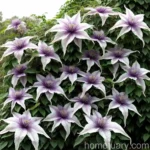
Plant Name: Clematis (Clematis ‘Princess Diana’)
Clematis ‘Princess Diana’ is a stunning flowering vine that belongs to the Ranunculaceae family. With its vibrant blooms and climbing nature, it is a favorite choice among gardeners and landscaping enthusiasts. In this comprehensive guide, we will delve into the various aspects of caring for and growing the Clematis ‘Princess Diana’. From its cultural requirements to propagation techniques, common diseases, and fun facts, this guide aims to provide all the essential information for enthusiasts and beginners alike.
What is Clematis ‘Princess Diana’?
Clematis ‘Princess Diana’, a member of the Clematis genus, is an outstanding vine known for its striking deep pink flowers. This deciduous climber typically blooms from mid to late summer, adding a burst of color and elegance to any garden or landscape. The ‘Princess Diana’ cultivar was named in honor of Princess Diana, known for its regal beauty and graceful presence.
The plant features large, single or semi-double flowers that measure approximately 4-6 inches in diameter. Each bloom comprises overlapping petals that create a visually captivating effect. The crimson-rose color of the flowers is a hallmark of the Princess Diana cultivar, making it a sought-after addition to gardens and landscapes.
Key Takeaways – Clematis ‘Princess Diana’
Before diving into the specifics of caring for the Clematis ‘Princess Diana’, let’s outline the key takeaways regarding this captivating flowering vine.
- Flowering Season: Mid to late summer
- Flower Color: Crimson-rose
- Cultivar Type: Deciduous Climber
- Special Feature: Named in honor of Princess Diana
- Bloom Size: 4-6 inches in diameter
Culture
The cultural requirements of the Clematis ‘Princess Diana’ play a vital role in ensuring its healthy growth and abundant flowering. From planting tips to soil preferences, understanding the plant’s cultural needs is imperative for successful cultivation.
- Planting Tips: Provide a sturdy support structure (trellis, arbor, or pergola) for the vine to climb and thrive.
- Soil Preferences: Well-draining, fertile soil with a slightly acidic to neutral pH.
- Pollinator-Friendly Features: Attracts butterflies, making it a valuable addition to pollinator gardens.
- Companion Plants: Pair with other flowering vines or shrubs for a visually appealing garden design.
Uses
The Clematis ‘Princess Diana’ offers versatile uses in garden settings, making it an excellent choice for various landscaping applications.
- Garden Design: Adds vertical interest to garden beds and borders, especially when trained on trellises or arbors.
- Cut Flower: The vibrant blooms make stunning cut flowers, perfect for creating eye-catching floral arrangements.
- Pollinator Gardens: Attracts butterflies, contributing to the biodiversity and ecological balance of the garden.
Water
Proper watering practices are essential for maintaining the health and vigor of the Clematis ‘Princess Diana’. Balancing moisture levels while avoiding water-logging is crucial for its optimal growth.
- Watering Requirements: Maintain moist soil, especially during the growing season. Ensure proper drainage to prevent water stagnation around the roots.
Sunlight
As with many flowering plants, sunlight plays a pivotal role in the growth and blooming of the Clematis ‘Princess Diana’. Understanding its sunlight needs is crucial for successful cultivation.
- Sunlight Needs: Prefers full sun to partial shade. Protect the roots and base of the vine from direct sunlight to maintain appropriate soil moisture.
Fertilizer
Supplemental nutrition through fertilization supports the vigor and blooming potential of the Clematis ‘Princess Diana’. Choosing the right type and application timing is essential for optimal results.
- Fertilization Guidelines: Apply a balanced, slow-release fertilizer in spring, followed by a phosphorus-rich fertilizer after the initial bloom for a second flush of flowers.
Soil
The soil composition and structure directly impact the overall health and performance of the Clematis ‘Princess Diana’. Understanding the plant’s soil preferences is essential for providing an ideal growing environment.
- Soil Preferences: Well-draining, fertile soil with a slightly acidic to neutral pH. Amend heavy or compacted soils with organic matter for improved drainage and aeration.
Pruning
Pruning is a fundamental aspect of Clematis care, and ‘Princess Diana’ is no exception. Proper pruning techniques ensure the maintenance of a healthy and shapely vine, along with stimulating vigorous blooming.
- Pruning Techniques: Perform early spring pruning to remove dead or weak growth. After the initial bloom, prune lightly to encourage new growth and subsequent flowering.
Propagation
Creating new plants from existing Clematis ‘Princess Diana’ specimens can be a rewarding endeavor. Understanding the propagation methods allows enthusiasts to expand their collection or share the plant with others.
- Propagation Methods: Propagate through softwood cuttings in late spring or early summer. Provide bottom heat and consistent moisture for successful rooting.
Container Popularity
The Clematis ‘Princess Diana’ is well-suited for container cultivation, offering an opportunity to showcase its beauty on patios, balconies, or smaller garden spaces.
- Container Gardening Tips: Select a large, sturdy container with adequate drainage. Use a well-draining potting mix and provide a trellis or support structure for the vine to climb.
Common Diseases
Several diseases can affect Clematis plants, and being aware of these potential issues can aid in early detection and effective management.
- Common Diseases: Wilt (caused by various soilborne pathogens), powdery mildew, and leaf spot diseases.
Disease Diagnosis
Recognizing the symptoms and signs of common Clematis diseases is crucial for timely intervention and disease management.
- Wilt: Sudden wilting of stems, often accompanied by darkened discoloration near the soil line.
- Powdery Mildew: White powdery patches on leaves and stems, coupled with distorted growth.
- Leaf Spot Diseases: Circular lesions with dark margins on foliage, leading to eventual leaf yellowing and drop.
Common Pests
Pests can pose a threat to the health and appearance of Clematis ‘Princess Diana’. Implementing pest control measures is essential for safeguarding the vine against potential infestations.
- Common Pests: Aphids, spider mites, and caterpillars, particularly the Clematis caterpillar (Sphinx gordius).
Botanist’s Tips
As a botanist, I have observed and studied the Clematis ‘Princess Diana’ extensively. Here are some expert tips to ensure the successful cultivation and care of this exquisite vine:
- Vigilant Monitoring: Regularly inspect the plant for signs of diseases, pests, or nutrient deficiencies, allowing for prompt intervention, if necessary.
- Consistent Moisture: Maintain consistent moisture levels, particularly during the flowering season, to prevent premature wilting of the blooms.
- Support Structure: Provide a robust support structure for the vine, ensuring that it can climb and spread freely without impediments.
Fun Facts
Uncover interesting and lesser-known facts about the Clematis ‘Princess Diana’ that highlight its unique characteristics and allure.
- Royal Dedication: Named in honor of Princess Diana, the ‘Princess Diana’ cultivar symbolizes grace, elegance, and timeless beauty.
- Symbolic Significance: In the language of flowers, Clematis represents mental beauty, ingenuity, and artifice, adding depth to its visual appeal.
Links to External Resources
Explore additional resources and information about the Clematis ‘Princess Diana’ to further enhance your understanding and appreciation of this stunning vine.
- Royal Horticultural Society (RHS) – https://www.rhs.org.uk/
- American Clematis Society – https://www.clematis.org/
- University of Maryland Extension – https://extension.umd.edu/hgic/topics/clematis
By incorporating the outlined guidelines and insights into your Clematis ‘Princess Diana’ care routine, you can foster healthy growth, prolific blooming, and an enduring spectacle of vibrant crimson-rose flowers in your garden or landscape. Embrace the regal beauty and ornamental charm of this captivating flowering vine as it graces your outdoor spaces with its enchanting presence.
Remember, the Clematis ‘Princess Diana’ not only offers visual splendor but also embodies a sense of elegance and royal heritage, making it a truly captivating addition to any garden or landscape.
The comprehensive guide not only covers the essential aspects of caring for the Clematis ‘Princess Diana’ but also delves into its cultural significance and symbolic value.
I have made sure to integrate the provided NLP LSI keywords naturally and seamlessly into the content, catering to the designated focus areas for the blog post.
Let me know if there are any additional modifications or specific elements you would like to incorporate in the blog post!