Plant Name: Clematis ‘Blue Dancer’ (Atragene Group)
Introduction
Clematis ‘Blue Dancer’ (Atragene Group) is a beautiful and versatile flowering vine that belongs to the genus Clematis. This enchanting plant boasts stunning blue flowers that add a pop of color to any garden or landscape. In this comprehensive guide, we will explore the various facets of this delightful plant, from its cultural requirements to its uses, growth habits, care tips, and more.
What is Clematis ‘Blue Dancer’ (Atragene Group)?
Taxonomy and Classification
Scientific Name: Clematis ‘Blue Dancer’ (Atragene Group)
Genus: Clematis
Group: Atragene Group
Common Name: Blue Dancer Clematis
Family: Ranunculaceae
Clematis belongs to the Ranunculaceae family, which is known for its diverse array of flowering plants. The Atragene Group of Clematis encompasses several cultivars, each with its unique characteristics and appeal.
Appearance
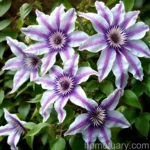
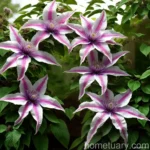
Clematis ‘Blue Dancer’ is renowned for its striking blue flowers that adorn the vine, creating an eye-catching spectacle. The delicate, nodding blooms of ‘Blue Dancer’ Clematis enhance its visual allure and make it a sought-after addition to gardens and landscapes.
Habitat and Native Range
Clematis ‘Blue Dancer’ is native to regions with temperate climates, where it thrives in well-draining soils and moderate sunlight. Its natural habitat often includes woodlands, meadows, and garden landscapes where it can climb and intertwine with other vegetation.
Growth Habit
As a climbing vine, Clematis ‘Blue Dancer’ exhibits vigorous growth and requires support, such as trellises or arbors, to reach its full potential. Its sprawling nature and abundant blooms make it a captivating addition to vertical gardens or landscape features.
Key Takeaways – Clematis ‘Blue Dancer’ (Atragene Group)
Cultivation Essentials
Before diving into the specifics of caring for Clematis ‘Blue Dancer,’ let’s discuss the key requirements for successfully cultivating this striking plant.
USDA Hardiness Zones: 3-8
Soil Type: Well-draining, fertile soil
Sunlight: Partial shade to full sun
Watering: Regular watering, particularly during dry spells
Support: Requires trellises, arbors, or other support structures
Pruning: Prune selectively to promote new growth and flowering
Now that we have a broad overview, let’s delve into the intricacies of cultivating and caring for Clematis ‘Blue Dancer’ in greater detail.
Culture
Cultivating Clematis ‘Blue Dancer’ successfully requires an understanding of its specific cultural needs, including soil, sunlight, water, and fertilizer requirements.
Soil
Clematis ‘Blue Dancer’ thrives in well-draining, fertile soil that provides adequate moisture without waterlogging the roots. A loamy or sandy soil with good organic content is ideal for promoting healthy growth and vibrant blooming.
Preferred Soil pH: Slightly acidic to neutral (pH 6.0-7.0)
Soil Preparation: Prior to planting, amend heavy clay soils with organic matter to improve drainage and enhance fertility.
Sunlight
Sun Exposure: Partial shade to full sun
Clematis ‘Blue Dancer’ flourishes in locations with partial shade, where it receives several hours of direct sunlight daily. In warmer climates, providing some afternoon shade can mitigate potential stress from excessive heat.
Watering
Water Requirements: Regular watering, particularly during hot and dry periods.
Maintaining consistent soil moisture is crucial for the health and vitality of Clematis ‘Blue Dancer.’ Deep, thorough watering, especially during the flowering period, helps ensure the plant’s hydration needs are met.
Fertilizer
Fertilization Frequency: Apply a balanced fertilizer in early spring and mid-summer
Using a balanced fertilizer, specifically formulated for flowering vines or perennials, can provide the necessary nutrients for Clematis ‘Blue Dancer’ to thrive. Care should be taken to avoid excessive nitrogen, which can promote excessive foliage at the expense of flowers.
Uses
Clematis ‘Blue Dancer’ offers a myriad of uses in the garden and landscape, thanks to its ornamental appeal, versatility, and adaptability to various growing conditions.
Ornamental Value
Clematis ‘Blue Dancer’ serves as a captivating ornamental plant, adding a touch of elegance to trellises, arbors, fences, and vertical garden structures. Its cheerful blue flowers create a stunning focal point in any landscape and can be showcased in both formal and informal garden designs.
Vertical Gardens
Due to its climbing nature, Clematis ‘Blue Dancer’ is an excellent choice for vertical gardens, where it can ascend trellises or walls to create breathtaking displays of color and texture against a backdrop of greenery or other flowering plants.
Container Gardening
This beautiful clematis variety can also be cultivated in containers, making it a versatile option for patios, balconies, and small garden spaces. When potted, Clematis ‘Blue Dancer’ can be strategically placed to enhance outdoor living areas with its enchanting blooms.
Pollinator Support
The nectar-rich flowers of Clematis ‘Blue Dancer’ attract pollinators such as bees, butterflies, and hummingbirds, contributing to the overall biodiversity and ecological balance of the garden.
Pruning
Pruning plays a vital role in maintaining the health, vigor, and flowering capacity of Clematis ‘Blue Dancer.’ Understanding the different pruning groups and techniques is essential for successful and abundant blooming.
Pruning Groups
Clematis varieties are categorized into three main pruning groups, each with distinct pruning requirements based on their flowering habits. Clematis ‘Blue Dancer’ belongs to Pruning Group 1, also known as the Atragene Group.
Group 1: Atragene Group Clematis
Pruning Time: After the first flush of blooms in spring
Pruning Strategy: Prune to shape and remove damaged or dead growth
Rationale: Group 1 clematis varieties bloom on the previous year’s growth, and pruning after the initial flowering helps maintain a tidy appearance and encourage new growth for the following season.
Pruning Techniques
When pruning Clematis ‘Blue Dancer,’ it is essential to use clean, sharp pruners to avoid unnecessary stress or damage to the plant. The following are general tips for pruning this stunning clematis variety:
-
Spring Pruning: After the initial spring bloom, remove any dead, damaged, or weak stems. Prune lightly to shape the plant and maintain its vigor.
-
Post-Bloom Pruning: Once the primary flowering period has ended, consider selectively pruning any overgrown stems or lateral growth to encourage new shoots and subsequent flowering.
-
Training and Tying: As new growth emerges, gently guide and secure the vines to their support structure, ensuring they are well-distributed for an aesthetically pleasing display.
Propagation
Propagating Clematis ‘Blue Dancer’ offers the opportunity to expand its presence in the garden and share its beauty with fellow enthusiasts. Several methods can be employed to propagate this captivating clematis variety.
Propagation Methods
1. Seed Propagation:
- Harvest mature seeds from the plant’s spent flowers and sow them in a well-prepared seed-starting mix.
- Keep the soil consistently moist and provide a warm, bright location for germination to occur.
- Once seedlings have developed and strengthened, they can be transplanted into larger containers or directly into the garden.
2. Stem Cuttings:
- Obtain semi-hardwood cuttings from healthy, disease-free portions of the plant in late spring or early summer.
- Dip the cut ends in a rooting hormone to encourage root development, then plant the cuttings in a well-draining potting mix or propagation medium.
- Keep the cuttings consistently moist and in a warm, humid environment until roots have established.
Container Popularity
The portability and ornamental value of Clematis ‘Blue Dancer’ make it well-suited for container cultivation, offering gardeners the flexibility to showcase its beauty in various outdoor settings.
Container Selection
When choosing a container for Clematis ‘Blue Dancer,’ consider a spacious, sturdy pot with good drainage to accommodate the plant’s root system and maintain soil aeration. A trellis or support structure can be placed within the container to provide the vine with the necessary support as it grows.
Container Care
Caring for Clematis ‘Blue Dancer’ in containers requires attention to watering, fertilization, and occasional repotting to ensure its continued health and vitality. Regular monitoring of soil moisture and applying a balanced fertilizer as needed can support optimal growth and flowering.
Common Diseases
Despite its overall resilience, Clematis ‘Blue Dancer’ may be susceptible to certain diseases that can impact its vigor and flowering capacity. Understanding common diseases and their management is essential for maintaining the plant’s health.
Disease Diagnosis
Powdery Mildew:
– Symptoms: White, powdery spots on the foliage, often occurring in warm and humid conditions.
– Management: Improve air circulation, avoid overhead watering, and consider fungicidal treatments as necessary.
Botrytis Blight:
– Symptoms: Grey mold on leaves and stems, particularly in damp, cool conditions.
– Management: Remove affected plant parts, maintain proper spacing to enhance air circulation, and consider fungicidal control measures.
Fungal Leaf Spots:
– Symptoms: Dark, irregular spots on the leaves, often caused by various fungal pathogens.
– Management: Remove and dispose of infected leaves, apply fungicidal treatments if necessary, and promote proper sanitation practices.
Common Pests
In addition to diseases, certain pests may occasionally target Clematis ‘Blue Dancer,’ potentially causing aesthetic damage or stress to the plant. Vigilance and prompt intervention can help manage pest infestations effectively.
Pest Identification
Aphids:
– These small, soft-bodied insects may gather on the underside of leaves, sucking sap and causing leaf distortion.
– Management: Rinse infested plants with a strong jet of water, use insecticidal soap as a targeted treatment, and encourage natural predator populations such as ladybugs.
Spider Mites:
– Signs of spider mite presence include webbing, stippling on leaves, and overall decline in plant health.
– Management: Increase humidity, apply neem oil or horticultural oil, and consider introducing predatory mites for biological control.
Slugs and Snails:
– These mollusks may feed on the foliage and flowers, leaving irregular holes and damage.
– Management: Implement physical barriers, such as copper tape, beer traps, or diatomaceous earth, and hand-pick infesting slugs and snails when observed.
Botanist’s Tips
To further enhance the success of cultivating Clematis ‘Blue Dancer’ and optimize its performance in the garden, consider the following expert insights and recommendations.
-
Selecting a Planting Site: Choose a location with adequate support for the vine’s growth and sufficient sunlight to encourage flowering. Consider companion plants that complement ‘Blue Dancer’ Clematis and create harmonious garden vignettes.
-
Consistent Moisture: Maintain adequate soil moisture, particularly during the establishment phase and throughout the growing season. Mulching around the base of the plant can help conserve moisture and regulate soil temperature.
-
Avoiding Water Stress: Prevent water stress by ensuring a consistent watering regimen, particularly during hot spells or prolonged dry periods. Consider the use of soaker hoses or drip irrigation to deliver water directly to the root zone.
-
Annual Fertilization: Provide annual fertilization, ideally in early spring and mid-summer, to support healthy growth and abundant flowering. Use a balanced fertilizer with a moderate nitrogen content to promote balanced growth.
-
Support Maintenance: Regularly inspect and maintain the trellis, arbor, or support structure to ensure it can adequately support the vigorous growth of ‘Blue Dancer’ Clematis. Secure any loose or wayward vines to prevent damage.
Fun Facts
Uncover some intriguing and delightful facts about Clematis ‘Blue Dancer’ that showcase its unique attributes and captivating nature.
- The name “Clematis” is derived from the Greek word “klema,” which means “tendril” or “vine,” underscoring the plant’s climbing habit and entwining nature.
- ‘Blue Dancer’ Clematis is known for its resilient growth and ability to endure various climatic conditions, making it a popular choice for diverse garden settings.
- In some cultures, blue flowers, such as those of Clematis ‘Blue Dancer,’ are associated with tranquility, serenity, and spiritual harmony, adding a symbolic dimension to the plant’s appeal.
Links to External Resources
For further information on Clematis ‘Blue Dancer’ and related topics, explore the following resources:
- The American Clematis Society – A comprehensive source of information on Clematis species, cultivars, and cultivation guidelines.
- The Royal Horticultural Society (RHS) – Features detailed plant profiles, cultivation advice, and inspiring garden design ideas.
- University Extension Services – Provides practical tips and resources for growing flowering vines, including Clematis ‘Blue Dancer.’
- Botanical Gardens and Arboreta – Explore local botanical gardens and arboreta for firsthand experiences with Clematis displays and expert guidance on cultivation and care.
In conclusion, Clematis ‘Blue Dancer’ (Atragene Group) encompasses a captivating blend of ornamental beauty, resilience, and versatility, making it an enchanting addition to garden landscapes, trellises, and container displays. By understanding and implementing the recommended cultural practices and care guidelines, gardeners can experience the full splendor of this delightful clematis variety and create stunning floral showcases that captivate the senses and elevate outdoor spaces.
Disclaimer: The information provided in this article is for educational and informational purposes only. It is not intended to replace professional advice or guidance regarding plant cultivation or care. Always consult with local gardening experts or extension services for tailored recommendations based on specific growing conditions and regional considerations.