Clematis ‘Asao’ (Early Large-Flowered Clematis) – A Complete Guide
Clematis ‘Asao’ is a stunning variety of early large-flowered clematis that has captured the hearts of gardeners worldwide. Its lush, colorful blooms and vigorous growth make it a sought-after addition to any garden or landscape. In this comprehensive guide, we will delve into the various aspects of growing and caring for Clematis ‘Asao’, including its characteristics, cultural requirements, uses, planting tips, maintenance, and much more.
What is Clematis ‘Asao’?
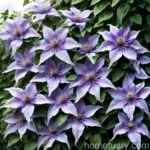
Clematis ‘Asao’ is a deciduous vine that is part of the Ranunculaceae family. This stunning cultivar is a member of the early large-flowered clematis group, known for its showy, upturned flowers and exceptional vigor. The plant boasts an abundance of large, deep pink flowers, with ruffled edges and creamy-yellow anthers, creating a mesmerizing display in the garden.
Clematis ‘Asao’ Characteristics
- Flower Size: The flowers of Clematis ‘Asao’ are large, with a diameter of approximately 6-7 inches.
- Flower Color: The blooms exhibit a striking deep pink hue, adding vibrant color to the landscape.
- Blooming Period: This cultivar typically blooms from late spring to early summer, providing a profusion of flowers during its peak season.
- Growth Habit: As a climbing vine, ‘Asao’ showcases a vigorous growth habit, quickly ascending support structures with its twining petioles.
- Foliage: The foliage is comprised of mid-green, pinnate leaves, ensuring an attractive backdrop for the stunning blooms.
Key Takeaways – Clematis ‘Asao’ (Early Large-Flowered Clematis)
Before diving into the specific aspects of growing and caring for Clematis ‘Asao’, let’s summarize some key takeaways about this captivating plant.
- Clematis ‘Asao’ is a deciduous vine celebrated for its large, deep pink flowers and vigorous growth.
- It belongs to the early large-flowered clematis group and typically blooms from late spring to early summer.
- This cultivar showcases a twining growth habit and features mid-green, pinnate leaves that complement its vibrant blooms.
Now, let’s explore the cultural requirements and care guidelines for this enchanting clematis.
Culture
Uses
Clematis ‘Asao’ holds immense potential for enhancing various outdoor spaces, offering a multitude of uses in gardens, landscapes, and even container plantings.
- Garden Settings: Its climbing nature makes Clematis ‘Asao’ an ideal choice for adorning trellises, arbors, and fences, adding vertical interest to garden landscapes.
- Container Plantings: When provided with the appropriate support, it can thrive in large containers, creating a striking visual impact on patios, balconies, and other outdoor areas.
- Mixed Borders: This clematis can be used to complement other flowering shrubs and perennials in mixed borders, adding height and a splash of color to the overall composition.
Water
Proper watering is crucial for the health and vitality of Clematis ‘Asao’. While these plants demand consistent moisture, they also require well-draining soil to prevent waterlogging, which can lead to root rot and other issues.
- Establishment Period: During the initial stage after planting, regular watering is essential to ensure that the roots become well-established. Consistent moisture helps promote healthy growth and development.
- Mature Plants: Once the plant is established, regular watering is still critical, especially during dry spells or periods of intense heat. Adequate moisture promotes robust flowering and lush foliage.
Sunlight
Clematis ‘Asao’ thrives in locations with ample sunlight, although it appreciates some protection from the intense afternoon sun in hotter climates.
- Optimal Sun Exposure: Ideally, this clematis prefers a location where it receives at least 6 hours of sunlight, promoting strong growth and an abundance of blooms.
- Shade Tolerance: While it enjoys sunlight, providing some dappled shade, particularly during the hottest part of the day, can be beneficial, especially in regions with scorching summer temperatures.
Fertilizer
Applying the right type of fertilizer in the correct amounts is key to supporting the healthy growth and abundant flowering of Clematis ‘Asao’.
- Spring Feeding: As the growing season commences, provide a balanced, slow-release fertilizer to fuel the plant’s growth and encourage prolific flowering.
- Additional Nutrients: In addition to a balanced fertilizer, a phosphorus-rich fertilizer can be beneficial for promoting robust flowering. However, it’s crucial to follow the manufacturer’s guidelines regarding application rates.
Soil
The soil in which Clematis ‘Asao’ is planted plays a significant role in its overall health and performance. The characteristics of the soil can impact its growth, flowering, and susceptibility to certain diseases.
- Well-Draining Soil: Clematis ‘Asao’ thrives in well-draining, loamy soil that retains moisture without becoming waterlogged. Adequate drainage helps prevent root rot and other moisture-related issues.
- Soil pH: A slightly acidic to neutral soil pH (6.0-7.0) is ideal for this clematis, supporting optimal nutrient uptake and overall plant health.
Pruning
Pruning is an essential aspect of maintaining the health and appearance of Clematis ‘Asao’, promoting vigorous growth, abundant flowering, and an attractive form.
- Flower Production: Proper pruning encourages the development of new, flowering wood, contributing to a profusion of blooms in the following season.
- Pruning Time: Early large-flowered clematis, including ‘Asao’, typically bloom on the previous season’s growth. Therefore, pruning should be carried out promptly after the blooming period to avoid inadvertently removing flower buds.
Propagation
For avid gardeners and enthusiasts looking to multiply their Clematis ‘Asao’ collection, propagation methods such as cuttings and layering can be utilized.
- Softwood Cuttings: Softwood cuttings, taken in late spring or early summer, can be used to propagate new plants. These cuttings root relatively quickly and can produce flowering plants in a shorter timeframe compared to seeds.
- Layering: Another method of propagation involves layering a portion of a healthy stem, allowing it to root while still attached to the parent plant. Once roots have developed, the new plant can be separated and transplanted.
Container Popularity
Due to its vigorous growth and stunning floral display, Clematis ‘Asao’ has gained popularity among gardeners for container plantings.
- Container Selection: Select a large, sturdy container with ample drainage holes to accommodate the plant’s robust root system. The container should also provide adequate vertical support for the vine to climb.
- Vertical Gardening: As a climber, ‘Asao’ lends itself well to vertical gardening in containers, making it an attractive option for balconies, patios, and other outdoor spaces with limited ground area.
Container Common Diseases
When growing Clematis ‘Asao’ in containers, certain diseases and issues may arise, necessitating preventive measures and proactive management.
- Root Rot: Overly moist conditions in the container can lead to root rot, posing a risk to the plant’s health. Ensure proper drainage and avoid waterlogging the soil.
- Powdery Mildew: In humid or poorly ventilated environments, powdery mildew can affect clematis, including those grown in containers. Adequate air circulation and vigilant monitoring can help prevent this fungal disease.
Disease Diagnosis
Understanding and identifying common diseases that can afflict Clematis ‘Asao’ is crucial for implementing effective management and treatment strategies.
- Symptoms of Diseases: Keep an eye out for signs such as wilting, yellowing foliage, unusual spotting, or distorted growth, which could indicate the presence of a disease or pest issue.
- Professional Assistance: If unsure about the nature of a plant health issue, consider consulting with a horticulturist or plant pathologist who can provide accurate diagnosis and recommendations for treatment.
Common Pests
While generally resilient, Clematis ‘Asao’ may still be susceptible to certain pests that can affect its health and appearance if left unchecked.
- Aphids: These tiny, sap-sucking insects can infest clematis, excreting honeydew and potentially transmitting plant viruses. Regular monitoring and targeted intervention can help manage their presence.
- Spider Mites: In hot, dry conditions, spider mites can pose a threat to the foliage of Clematis ‘Asao’, causing stippling and discoloration. Maintaining adequate humidity and using natural predators can aid in controlling their population.
Now that the cultural and care aspects of Clematis ‘Asao’ have been thoroughly explored, let’s delve into some additional information and tips that can benefit any gardener looking to cultivate this captivating plant.
Botanist’s Tips
As a plant scientist with a passion for Clematis ‘Asao’ and its horticultural significance, I’m thrilled to provide some valuable tips and insights for successfully growing and enjoying this enchanting cultivar.
- Support Structures: When establishing Clematis ‘Asao’ in the garden, ensure sturdy, well-anchored support structures, such as trellises or arbors, are in place to accommodate its climbing habit.
- Winter Protection: In regions with harsh winter conditions, consider providing winter protection, such as mulching around the base of the plant or wrapping it with burlap, to shield it from extreme cold and frost.
- Regular Monitoring: Stay vigilant and observe your Clematis ‘Asao’ regularly for signs of pests, diseases, or other issues, intervening promptly if any concerns arise.
- Pruning Precision: Exercise caution and precision when pruning, as Clematis ‘Asao’ blooms on previous season’s growth. Avoid excessive or haphazard pruning to preserve next season’s flowering potential.
Fun Facts
To further enrich your knowledge and appreciation for Clematis ‘Asao’, here are some intriguing and fun facts about this exceptional plant.
- Cross-Pollination: Clematis ‘Asao’ has the potential to cross-pollinate with other clematis varieties, resulting in fascinating hybrids with unique characteristics and color variations.
- Wildlife Attraction: Beyond their ornamental value, the nectar-rich flowers of ‘Asao’ can attract pollinators such as bees and butterflies, contributing to the biodiversity of the garden.
- Historical Significance: Clematis has been cultivated and admired for centuries, with references to its beauty and allure dating back to ancient civilizations and cultures, including the ancient Persians, Greeks, and Chinese.
Links to External Resources
For further information, resources, and inspiration related to Clematis ‘Asao’, I recommend exploring the following reputable sources:
- The American Clematis Society
- Royal Horticultural Society – Growing Clematis
- University of Illinois Extension – Clematis for the Home Landscape
- The Clematis Society
- University of Connecticut Plant Database
Conclusion
In conclusion, Clematis ‘Asao’ is a captivating and versatile plant that holds immense appeal for gardeners and horticultural enthusiasts. Its impressive floral display, vigorous growth, and adaptability to various growing conditions make it a highly sought-after addition to gardens, landscapes, and container plantings.
By understanding and implementing the cultural guidelines, care recommendations, and additional insights provided in this comprehensive guide, you can cultivate and enjoy the beauty of Clematis ‘Asao’ to its fullest potential, creating a stunning focal point in your outdoor spaces and contributing to the rich tapestry of the natural world.
Remember to celebrate this exquisite cultivar for its unique attributes, charm, and horticultural significance, as we continue to cherish and cultivate the timeless beauty of Clematis ‘Asao’ in our landscapes and gardens.