Plant Scientist’s Guide to Clematis Alita (Viticella Group)
What is Clematis Alita (Viticella Group)?
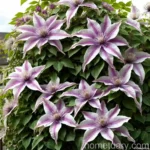
Clematis Alita, belonging to the Viticella Group, is a stunning flowering vine that belongs to the family Ranunculaceae. Known for its vigorous growth and profusion of colorful blooms, Clematis Alita is a prized addition to gardens, landscapes, and containers. With its enchanting charm and exceptional versatility, this cultivar has garnered a strong following among gardeners and horticulturists.
Key Takeaways – Clematis Alita (Viticella Group)
Clematis Alita (Viticella Group) is a captivating plant that has gained popularity due to its radiant flowers, effortless cultivation, and adaptability to different garden settings. This section will delve into the culture, uses, and essential care guidelines for maintaining and maximizing the splendor of Clematis Alita.
Culture
- Scientific Name: Clematis Alita (Viticella Group)
- Common Name: Viticella Clematis
- Genus: Clematis
- Group: Viticella Group
- Plant Type: Perennial Vine
- Hardiness Zone: 4-9
- Mature Height: 8-12 feet
Uses
Clematis Alita serves multiple purposes in garden and landscape settings, adding both aesthetic appeal and practical functionality.
- Ornamental climber for trellises, arbors, and pergolas
- Vertical accent for garden architecture
- Privacy screening
- Wildlife attractor
Plant Care Guidelines
Cultivating a thriving Clematis Alita necessitates attention to various environmental factors and maintenance practices. Here is a detailed breakdown of its care requirements.
Water
- Young Plants: Regular watering to establish a healthy root system
- Mature Plants: Maintain even moisture levels; water deeply when the soil begins to dry out to support robust growth and floral display
- Avoid Overhead Irrigation: Clematis Alita is susceptible to fungal diseases, so watering at the base of the plant is advisable
Sunlight
- Light Requirements: Full sun to part shade; at least 6 hours of direct sunlight for optimal flowering
- Preferred Location: Plant in a position that receives morning sun and afternoon shade to protect the delicate blooms from scorching
Soil
- Well-Draining Soil: Clematis Alita thrives in rich, loamy, and well-draining soil
- Soil pH: Neutral to slightly alkaline soil (pH 6.5-7.5)
- Mulching: Apply a layer of organic mulch to conserve moisture and moderate soil temperature
Fertilizer
- Balanced Fertilizer: Apply a slow-release, balanced fertilizer in early spring to promote vigorous growth and abundant flowering
- Liquid Fertilizer: Supplement with a liquid bloom-boosting fertilizer during the growing season
Pruning
- Pruning Group: Group 3 (Prune in late winter or early spring before new growth emerges)
- Pruning Technique: Cut back to a pair of strong buds, approximately 12-18 inches above the ground
- Remove Weak or Dead Growth: Regularly inspect the vine and remove any damaged or weak stems to maintain plant health
Propagation
- Propagation Methods: Stem cuttings, layering, and division
- Ideal Timing: Propagate in early spring when new growth begins
- Rooting Hormone: Apply a rooting hormone to encourage successful rooting of cuttings
Container Popularity
- Container Size: Select a large, sturdy container with a trellis or support for the vine to climb
- Growing Medium: Well-draining potting mix rich in organic matter
- Regular Maintenance: Monitor moisture levels and provide appropriate support for the vine to flourish in a container setting
Common Diseases and Pests
Clematis Alita, although generally robust, can be susceptible to certain diseases and pests. Recognizing the symptoms and initiating prompt intervention is pivotal for preserving the health and vigor of the plant.
Common Diseases
- Powdery Mildew: White powdery spots on foliage, which can hinder photosynthesis and weaken the plant
- Botrytis Blight: Gray mold affecting flowers and foliage, favored by high humidity and poor air circulation
- Clematis Wilt: Sudden wilting and blackening of stems, indicating a fungal infection
Disease Diagnosis
- Regular inspection of the plant for visual symptoms
- Consultation with a local plant disease specialist or horticulturist for accurate diagnosis
Common Pests
- Aphids: Small, soft-bodied insects clustering on new growth and undersides of leaves, potentially causing leaf distortion and sap depletion
- Spider Mites: Fine webbing on the plant, stippled and discolored leaves, and reduced plant vigor
Botanist’s Tips
- Integrated Pest Management (IPM): Implement IPM strategies, including introducing natural predators and regularly hosing down the foliage to deter pests
- Proactive Disease Management: Opt for disease-resistant cultivars and provide optimal cultural conditions to reduce disease incidence
Fun Facts
- Clematis Alita is named after the Latin word “alita,” which translates to “winged” or “wing-like,” likely referencing the characteristic shape of its flowers.
- The Viticella Group, to which Clematis Alita belongs, encompasses a diverse array of clematis cultivars known for their hardiness and adaptability.
Links to External Resources
For additional information, resources, and expert advice, explore the following online sources:
1. Royal Horticultural Society (RHS)
2. American Clematis Society
3. The Clematis Database
4. Missouri Botanical Garden
In conclusion, Clematis Alita (Viticella Group) is an exuberant climber that enchants gardeners with its resplendent blooms and graceful demeanor. By understanding its culture, caring for its specific needs, and remaining vigilant against potential threats, enthusiasts can ensure that this captivating vine thrives and bestows its beauty upon the garden for years to come. Whether adorning a trellis, accentuating a landscape, or gracing a container, Clematis Alita has earned its place as a cherished and versatile plant in horticultural settings.