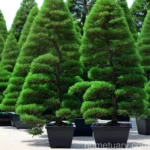
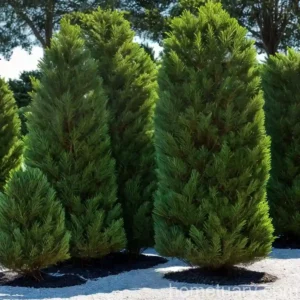
Chamaecyparis Lawsoniana Pinpoint Blue (Lawson Cypress)
Chamaecyparis Lawsoniana, commonly known as Lawson Cypress, is an evergreen conifer that belongs to the Cupressaceae family. It is native to the Pacific Northwest region of North America and is named after Charles Lawson, a Scottish botanist. The Pinpoint Blue variety of Chamaecyparis Lawsoniana is a popular choice among gardeners and landscapers due to its striking blue foliage and elegant, columnar growth habit.
In this comprehensive guide, we will explore the key characteristics of Chamaecyparis Lawsoniana Pinpoint Blue and provide valuable insights into its care, cultivation, and landscape uses. Whether you are a seasoned horticulturist or an amateur gardener, this article will equip you with the knowledge required to successfully grow and appreciate this stunning evergreen tree.
Key Takeaways
Chamaecyparis Lawsoniana Pinpoint Blue (Lawson Cypress)
- Scientific Name: Chamaecyparis Lawsoniana Pinpoint Blue
- Common Name: Lawson Cypress, Oregon Cedar, Port Orford Cedar
- Plant Type: Evergreen conifer tree
- Mature Height: 15-20 feet
- Mature Spread: 3-5 feet
- Growth Rate: Slow to moderate
Culture
Uses
Chamaecyparis Lawsoniana Pinpoint Blue is prized for its ornamental value and is often utilized in various landscaping scenarios, including:
- Specimen Tree: The elegant form and striking blue foliage make it an ideal choice for a stand-alone focal point in the garden.
- Privacy Screen: When planted in a row, the dense foliage provides an effective privacy screen or windbreak.
- Topiary or Formal Garden: The columnar growth habit lends itself well to shaping and can be used in formal garden designs or as a topiary specimen.
Water
Chamaecyparis Lawsoniana Pinpoint Blue prefers consistently moist, well-draining soil. While it is important to avoid waterlogged conditions, the tree should not be allowed to dry out completely, especially during the establishment phase.
Sunlight
This variety of Lawson Cypress thrives in full sun to partial shade. Adequate sunlight is essential for promoting healthy growth and vibrant foliage color.
Fertilizer
A balanced, slow-release fertilizer applied in early spring can support the growth and vitality of Chamaecyparis Lawsoniana Pinpoint Blue. Avoid over-fertilization, as this can lead to excessive foliage growth at the expense of overall plant health.
Soil
Well-drained, slightly acidic to neutral soil is ideal for Lawson Cypress. While it can tolerate a range of soil types, it is crucial to avoid waterlogged or compacted soil, as this can lead to root rot and other issues.
Pruning
Regular maintenance pruning can help maintain the desired shape and size of Chamaecyparis Lawsoniana Pinpoint Blue. It is advisable to prune in early spring before new growth emerges.
Propagation
Lawson Cypress can be propagated from semi-hardwood cuttings taken in late summer or early autumn. Rooting hormone can aid in the development of new root systems.
Container Popularity
This variety of Chamaecyparis Lawsoniana is well-suited to container cultivation, making it a versatile choice for patios, decks, or small urban spaces.
Common Diseases
Disease Diagnosis
Chamaecyparis Lawsoniana Pinpoint Blue is susceptible to certain diseases, including:
- Canker Diseases: These can cause dieback and discoloration of the foliage.
- Root Rot: This can occur in poorly-drained soil and can lead to the decline of the tree.
- Septoria Needle Blight: Characterized by the browning and shedding of needles.
Early diagnosis and appropriate treatment are essential for managing these diseases and preserving the health of the tree.
Common Pests
Botanist’s Tips
Regular inspection of the foliage and branches can help identify and address pest infestations in a timely manner. Common pests that may affect Chamaecyparis Lawsoniana Pinpoint Blue include:
- Aphids: These sap-sucking insects can cause distortion and stunting of new growth.
- Spider Mites: These tiny arachnids can create fine webbing and cause stippling on the foliage.
- Bagworms: These caterpillars construct spindle-shaped bags on the branches and can defoliate the tree if not controlled.
Cultural practices, such as promoting good air circulation and avoiding excessive fertilizer, can contribute to pest resistance in Lawson Cypress.
Fun Facts
- The blue foliage of Chamaecyparis Lawsoniana Pinpoint Blue intensifies in color during the winter months, adding visual interest to the landscape.
- The aromatic foliage of Lawson Cypress can release a pleasant fragrance when gently touched or brushed against.
- This tree has a rich history in traditional medicine and has been utilized for its therapeutic properties in certain cultures.
Links to External Resources
For further information on Chamaecyparis Lawsoniana Pinpoint Blue and related topics, we recommend exploring the following resources:
We hope this guide provides valuable insights into the cultivation and appreciation of Chamaecyparis Lawsoniana Pinpoint Blue. Whether you are interested in adding a specimen tree to your garden or creating a lush privacy screen, the unique attributes of this evergreen conifer make it a captivating choice for diverse landscape settings.