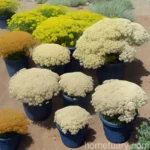
California Wild Buckwheat (Eriogonum fasciculatum): A Versatile Native Plant
California is home to a diverse range of flora and fauna, and among its native plant species, the California wild buckwheat (Eriogonum fasciculatum) stands out as a resilient and versatile plant. In this comprehensive guide, we will explore the characteristics, uses, cultivation, and ecological significance of the California wild buckwheat, shedding light on its importance in sustainable gardening, conservation, and traditional indigenous medicine.
What is the California Wild Buckwheat (Eriogonum fasciculatum)?
The California wild buckwheat, scientifically known as Eriogonum fasciculatum, is a flowering plant species that belongs to the buckwheat family, Polygonaceae. This perennial shrub is native to California, flourishing in various regions across the state, from coastal areas to inland valleys and foothills. It is a prominent component of the unique California flora and plays a crucial role in the state’s ecosystems.
Key Takeaways – California Wild Buckwheat (Eriogonum fasciculatum)
Before delving deeper into the specifics of California wild buckwheat, let’s outline some key takeaways about this remarkable native plant:
-
California Wild Buckwheat Benefits: The California wild buckwheat offers ecological, medicinal, and ornamental benefits, making it a valuable addition to sustainable landscapes and gardens.
-
Native Plant Species in California: Eriogonum fasciculatum is an indigenous plant species that has adapted to the diverse climatic and ecological conditions of California.
-
Buckwheat Plant Characteristics: With its distinctive clusters of small, white to pinkish flowers and dense foliage, the buckwheat plant is visually striking and an important nectar source for pollinators.
-
Eriogonum Fasciculatum Habitat: This plant species thrives in a range of habitats, including chaparral, coastal sage scrub, and dry slopes, contributing to the biodiversity of California’s natural landscapes.
-
Growing Eriogonum Fasciculatum in California: Home gardeners and landscape enthusiasts can cultivate California wild buckwheat to enhance the sustainability and beauty of their outdoor spaces.
Let’s now explore various aspects of California wild buckwheat, including its cultural significance, uses, growth requirements, and more.
Culture
Native Significance
The California wild buckwheat holds cultural and ecological significance as an integral part of the native landscape. For Indigenous peoples in California, this plant has traditional uses and is considered a valuable resource for medicinal and cultural practices.
Uses
Ecological Role
Ecosystem Support: California wild buckwheat plays a vital role in supporting local ecosystems by providing food and habitat for wildlife, especially pollinators and beneficial insects. Its nectar-rich flowers attract various species of bees, butterflies, and other pollinators, contributing to the overall biodiversity of the region.
Medicinal Properties
Traditional Indigenous Medicine: Historically, Indigenous communities have utilized various parts of the California wild buckwheat for medicinal purposes. From treating minor ailments to crafting herbal remedies, the buckwheat plant has been valued for its natural healing properties.
Characteristics
Plant Features
The Eriogonum fasciculatum is characterized by its distinct features, making it easily recognizable in its natural habitat and in cultivated landscapes.
Flowers: The plant produces clusters of tiny, delicate flowers that range in color from creamy white to shades of pink, creating visually appealing blooms. These flowers act as an important food source for pollinators and contribute to the overall aesthetic of the plant.
Foliage: The shrub’s dense, evergreen foliage adds to its ornamental value and also provides shelter for small animals and insects.
Habitat
Natural Environment
The natural habitat of California wild buckwheat encompasses a variety of landscapes, ranging from coastal regions to interior valleys and mountain slopes. It thrives in well-drained soils and is often found in chaparral, coastal sage scrub, and other dry, sunny habitats.
Growing California Wild Buckwheat
Cultivating Eriogonum fasciculatum in California’s garden and landscape settings can be a rewarding endeavor, offering an opportunity to contribute to local ecology while enjoying the visual appeal of this native plant.
Growth Requirements
Water
Drought Tolerance: Given California’s varying climate patterns, it is essential to note that wild buckwheat is well-adapted to drought conditions, making it an ideal choice for water-wise gardens and xeriscapes.
Watering Needs: While California wild buckwheat is drought-tolerant once established, young plants may benefit from occasional watering to encourage root development and initial growth. Once established, the plant typically requires minimal irrigation, relying on natural precipitation and soil moisture.
Sunlight
Sun Requirements: Eriogonum fasciculatum thrives in full sun and is best suited for sunny, open locations in the garden or landscape. Adequate sunlight is essential for promoting prolific flowering and ensuring overall plant health.
Fertilizer
Minimal Fertilization: In general, California wild buckwheat is not a heavy feeder and can thrive in nutrient-poor soils. Fertilization may not be necessary, particularly in native or low-maintenance landscapes where the emphasis is on promoting natural resilience and sustainability.
Soil
Well-Drained Soil: The buckwheat plant prefers well-drained, sandy or gravelly soils, and it is well-suited to the relatively poor and rocky conditions often found in its native habitats. Soil with good drainage helps prevent waterlogged conditions, which can be detrimental to the plant’s health.
Pruning
Maintenance Practices
Minimal Pruning: The California wild buckwheat generally requires minimal pruning, particularly in its naturalized settings. Pruning activities, if necessary, may focus on removing dead or damaged branches, promoting a more compact growth habit, and enhancing the plant’s overall appearance.
Propagation
Reproduction
Seed Propagation: Propagating Eriogonum fasciculatum from seeds is a common method used by nurseries and horticulturists. Collecting seeds from mature plants and sowing them in suitable growing conditions can result in successful propagation. Seedlings should be monitored and provided with appropriate care to ensure healthy establishment.
Division: In some cases, gardeners and conservationists may use division to propagate California wild buckwheat. This method involves carefully dividing established clumps of the plant and transplanting the divided sections to new locations.
Container Popularity
Gardening and Landscaping Applications
Container Planting: California wild buckwheat can be successfully grown in containers, making it a versatile choice for gardens, patios, and urban landscapes. Container plantings of Eriogonum fasciculatum offer flexibility and allow individuals with limited outdoor space to enjoy the beauty and ecological benefits of this native species.
Container Cultivation Tips
Container Size: When planting California wild buckwheat in containers, it is important to select appropriately sized pots or planters that provide ample space for root development and stability.
Soil Mix: Using a well-draining, native plant-friendly soil mix is critical for the successful cultivation of Eriogonum fasciculatum in containers. Incorporating sandy or gravelly components into the soil mix can mimic the plant’s natural growing conditions.
Common Diseases
Garden Concerns
Disease Resistance: California wild buckwheat exhibits a notable level of disease resistance, particularly when cultivated in suitable growing conditions. Its ability to thrive in arid environments and well-drained soils contributes to its resilience against many common garden diseases.
Disease Diagnosis
Identifying Plant Health Issues
Visual Inspection: Regular visual inspections of the plant can help identify symptoms of potential diseases or stress. Common signs of disease may include wilting, discoloration, or unusual growth patterns that deviate from the plant’s normal appearance.
Soil Assessment: Soil testing and analysis can provide valuable insights into potential underlying issues that may affect the plant’s health, such as nutrient imbalances or soil-borne pathogens.
Common Pests
Pest Management
Pest Resistance: While California wild buckwheat is generally resilient to pests, occasional monitoring for common garden pests such as aphids or spider mites may be necessary, especially in container or garden settings. Integrated pest management (IPM) practices can help address pest issues effectively.
Botanist’s Tips
Expert Insights
As plant scientists and botanical enthusiasts, we advise considering the following tips for cultivating and appreciating California wild buckwheat:
-
Ecological Value: Embrace the ecological significance of Eriogonum fasciculatum and the numerous benefits it offers to local wildlife and ecosystems.
-
Naturalized Landscapes: Consider incorporating California wild buckwheat into native and naturalized landscapes to enhance biodiversity and support sustainable gardening practices.
-
Drought Resilience: Recognize the plant’s exceptional drought tolerance and its potential to thrive in water-wise gardens, contributing to water conservation efforts.
Fun Facts
Fascinating Tidbits
Let’s uncover some intriguing and little-known facts about the California wild buckwheat:
-
The flowers of Eriogonum fasciculatum are an important nectar source for butterflies, including the endangered Quino checkerspot butterfly in Southern California.
-
This plant’s drought-tolerant nature makes it a valuable addition to landscapes designed for resilience in the face of changing climate patterns.
-
Indigenous peoples in California have historically used various parts of the buckwheat plant for crafting baskets, dyes, and traditional medicinal remedies, highlighting its cultural and utilitarian significance.
Links to External Resources
Explore additional resources and information about California wild buckwheat and related topics:
-
California Native Plant Society: The California Native Plant Society offers extensive resources and support for individuals interested in native plant conservation, horticulture, and education.
-
The Theodore Payne Foundation: This organization is dedicated to promoting the use of California native plants in gardens and landscapes and provides valuable resources for homeowners, gardeners, and professionals.
-
Calscape: Calscape is a comprehensive resource for discovering, planning, and implementing native plant landscapes in California, featuring an extensive plant database and mapping tools.
-
University of California Agriculture and Natural Resources: The University of California Agriculture and Natural Resources offers research-based information on gardening, horticulture, and sustainable landscaping practices, including materials specific to California wild buckwheat.
-
California Department of Fish and Wildlife – Native Plant Program: The Native Plant Program of the California Department of Fish and Wildlife provides conservation and management resources for native plant species, including information on species of special concern.
In conclusion, California wild buckwheat (Eriogonum fasciculatum) stands as a symbol of ecological resilience, cultural heritage, and sustainable landscaping in the diverse landscapes of California. By embracing the significance of this native plant species and incorporating it into our gardens and natural areas, we can foster biodiversity, support local ecosystems, and enrich our connection to the natural world. Whether used for its ornamental beauty, ecological benefits, or traditional values, the California wild buckwheat holds a special place in the hearts of plant enthusiasts, conservationists, and admirers of the state’s unique botanical treasures.