The Allure of Button Flowers (Gomphrena haageana)
Plant Name: Button Flower (Gomphrena haageana)
Introduction to Gomphrena haageana
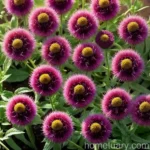
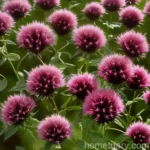
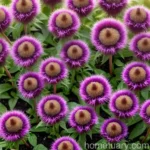
Gomphrena haageana, commonly known as button flower, is a captivating and versatile plant that belongs to the Amaranthaceae family. This species is native to Mexico and parts of Central America, where it thrives in warm climates and well-drained soils. Button flowers are appreciated for their globe-shaped inflorescences that come in an array of vibrant and cheerful colors, making them a popular choice for gardens, landscapes, and floral arrangements.
In this comprehensive guide, we delve into the captivating world of button flowers, exploring their cultural significance, benefits, cultivation, and practical uses in landscaping and gardening. Whether you are an avid gardener, landscape designer, or plant enthusiast, this article aims to provide valuable insights into the captivating button flower (Gomphrena haageana) and its cultivation.
Key Takeaways – Button Flower (Gomphrena haageana)
- Plant Name: Button Flower (Gomphrena haageana)
- Botanical Family: Amaranthaceae
- Native Habitat: Mexico and parts of Central America
- Distinct Feature: Globe-shaped inflorescences
- Colors: Vibrant and cheerful
- Cultural Significance: Symbolism and medicinal properties
- Practical Uses: Landscaping, cut flowers, and floral arrangements
- Growing Conditions: Sunlight, water, soil, and fertilizer requirements
- Propagation Method: Seeds and division
- Common Pests: Pest control and prevention strategies
- Common Diseases: Disease diagnosis and management
- Botanist’s Tips: Expert insights and recommendations
- Fun Facts: Intriguing aspects of button flowers
- External Resources: Additional links for further exploration
What is Plant : Button Flower (Gomphrena haageana)
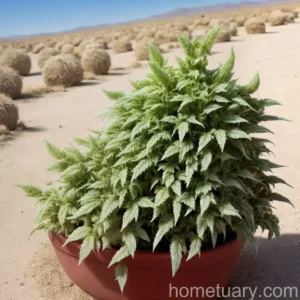
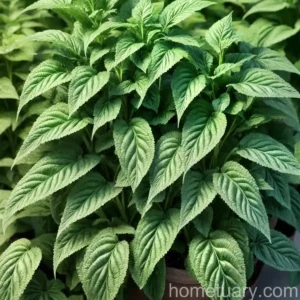
Button flowers, scientifically known as Gomphrena haageana, are herbaceous perennial plants that are primarily grown for their ornamental value. These plants are characterized by their compact growth habit, narrow green leaves, and distinctive globe-shaped inflorescences. The flowers are small, densely packed, and are prized for their longevity as cut flowers. The button flower species is highly versatile, adaptable, and can thrive in various environmental conditions, making it an appealing choice for gardeners, landscape designers, and horticultural enthusiasts.
Gomphrena haageana plants are valued for their vibrant and diverse range of colors, which include shades of pink, purple, red, and white. In addition to their aesthetic appeal, button flowers hold cultural significance in various traditions and are recognized for their medicinal properties and herbal uses.
Amidst the wealth of information surrounding button flowers, we aim to provide a detailed overview of the key aspects pertaining to their cultivation, uses, and necessary care. From understanding their water and sunlight requirements to exploring their landscaping potential, this guide is designed to cater to a wide audience, ranging from seasoned gardeners to beginners venturing into the world of ornamental plants.
Culture
Uses
Button flowers (Gomphrena haageana) have been revered for their diverse uses, spanning from ornamental and cultural applications to their role in herbal medicine and landscaping. The primary uses of button flowers include:
- Ornamental Value: Button flowers are widely cultivated for their ornamental value, adorning gardens, landscapes, and floral arrangements with their vibrant and long-lasting blooms.
- Symbolism: In different cultures, button flowers hold symbolic significance, representing enduring love, good fortune, and positivity.
- Medicinal Properties: Traditionally, button flowers have been utilized for their medicinal properties, featuring in herbal remedies and alternative medicine practices.
- Landscaping: Due to their compact growth habit and colorful blooms, button flowers are favored for landscaping, border plantings, and decorative garden borders.
- Cut Flowers: The longevity of button flowers as cut flowers makes them a popular choice for floral arrangements, bouquets, and indoor decor.
Water
Proper watering is essential for the health and vitality of button flowers. These plants have moderate water needs and are sensitive to overwatering or underwatering. It is crucial to strike a balance and ensure that the soil is consistently moist without becoming waterlogged. The following guidelines can help in maintaining optimal soil moisture for button flowers:
- Frequency: Water button flowers when the top inch of soil feels dry. Avoid allowing the soil to completely dry out between waterings, as this can stress the plants.
- Watering Technique: Apply water directly to the base of the plants to facilitate deep root penetration and minimize water wastage. Avoid wetting the foliage excessively, as this can lead to fungal diseases.
- Morning Watering: Watering in the morning allows excess moisture to evaporate during the day, reducing the risk of fungal infections and promoting healthy growth.
Sunlight
Button flowers are sun-loving plants that thrive in locations with ample sunlight. Adequate exposure to sunlight is crucial for the development of vigorous plants and vibrant blooms. When selecting a suitable planting site or positioning containers, consider the following factors related to sunlight requirements for button flowers:
- Full Sun: Choose planting locations that receive at least 6-8 hours of direct sunlight daily for optimal growth and blooming.
- Partial Shade: While button flowers prefer full sun, they can tolerate some afternoon shade in regions with intense heat to protect them from excessive sun exposure.
- Container Placement: For container-grown button flowers, position the pots in sunny areas, such as patios, balconies, or windowsills, to ensure they receive sufficient sunlight.
Fertilizer
Fertilization plays a crucial role in promoting the healthy growth and prolific flowering of button flowers. By providing essential nutrients, fertilizers support the plants’ development and enhance their ornamental value. It is important to adopt a balanced approach to fertilization to avoid overfeeding or nutrient deficiencies. The following recommendations can guide the application of fertilizers for button flowers:
- Timing: Start fertilizing button flowers in early spring after the last frost date and continue throughout the growing season until late summer. Refrain from fertilizing in fall and winter, as the plants enter dormancy.
- Fertilizer Type: Utilize a balanced, water-soluble fertilizer with a formulation such as 10-10-10 or 20-20-20 to supply nitrogen, phosphorus, and potassium, along with essential micronutrients.
- Application Method: Apply the fertilizer according to the manufacturer’s instructions, diluting it to half-strength to avoid overwhelming the plants with concentrated nutrients.
- Frequency: Fertilize button flowers every 2-4 weeks to support continuous growth and flowering, adjusting the frequency based on the plant’s response and the soil fertility.
Soil
The choice of soil is a crucial consideration for the successful cultivation of button flowers. Well-draining, fertile soil with a slightly acidic to neutral pH provides an ideal growing medium for these plants. When preparing the soil for button flowers, the following factors should be taken into account to create a favorable environment for their growth:
- Drainage: Ensure that the soil offers excellent drainage to prevent waterlogging, which can lead to root rot and other moisture-related issues.
- Texture: A loamy or sandy soil texture is preferred for button flowers, promoting aeration and preventing compaction.
- pH Level: Aim for a slightly acidic to neutral pH range of 6.0-7.0, which supports nutrient availability and root health for button flowers.
- Soil Amendments: Incorporate organic matter such as compost or well-rotted manure into the soil to enhance its fertility and structure, providing a nourishing base for plant growth.
Pruning
Pruning button flowers is essential for maintaining their compact shape, encouraging branching, and prolonging the flowering period. By removing spent blooms and shaping the plants, gardeners can promote a tidy appearance and stimulate new growth. The following pruning practices are recommended for button flowers:
- Deadheading: Regularly deadhead button flowers by removing faded or spent blooms to prevent seed formation and encourage the continuous production of new flowers.
- Trimming: Trim back straggly or overgrown stems to maintain a neat and compact growth habit, promoting bushier growth and enhancing flowering.
- Sterilization: Use clean and sharp pruning tools to prevent the spread of diseases, sterilizing the blades with alcohol between cuts.
Propagation
Button flowers can be propagated by seeds or division, offering flexibility for gardeners to expand their plant collection or share the species with others. Both methods have their specific requirements and best practices, allowing for the successful propagation of button flowers. The following guidelines outline the propagation techniques for button flowers:
From Seeds
- Seed Collection: Collect mature button flower seeds from healthy plants by harvesting the dried seed heads. Store the seeds in a cool, dry place until they are ready for sowing.
- Sowing Time: Start button flower seeds indoors 6-8 weeks before the last expected frost date to provide a head start for the seedlings.
- Seed Sowing: Plant the seeds in seed-starting mix, lightly pressing them into the soil surface and covering them with a thin layer of the growing medium.
- Germination: Maintain consistent moisture and warmth to facilitate germination, ensuring that the seeds receive sufficient light and optimal conditions for sprouting.
- Transplanting: Once the seedlings have developed several sets of true leaves, transplant them into individual pots or the garden after the risk of frost has passed.
From Division
- Division Timing: Divide mature button flower clumps in early spring before new growth emerges or in early fall before the onset of dormancy.
- Digging: Carefully lift the clump of button flowers from the ground, using a sharp spade to separate the root mass into smaller divisions.
- Root Inspection: Examine the divisions for healthy roots and shoots, discarding any damaged or nonviable sections to focus on the vigorous segments.
- Replanting: Plant the divisions at the same depth as the parent plants, ensuring that the soil is well-prepared and watered to support their establishment.
Container Popularity
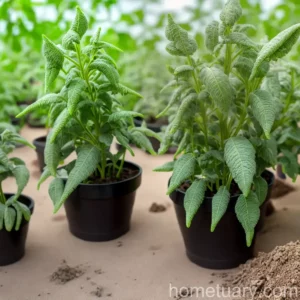
Button flowers are well-suited for container gardening, offering a compact and colorful addition to outdoor spaces, balconies, and patios. The popularity of growing button flowers in containers stems from their manageable size, vibrant blooms, and adaptability to confined growing environments. When cultivating button flowers in containers, the following considerations are essential for successful growth and development:
- Container Selection: Choose well-draining containers with adequate drainage holes, providing sufficient space for the root system to expand and thrive.
- Growing Medium: Utilize a high-quality potting mix with added organic matter to promote healthy root development and support overall plant growth.
- Watering Requirements: Container-grown button flowers may require more frequent watering than those planted in the ground, given the limited soil volume and potential for faster drying.
- Sunlight Exposure: Position the containers in areas that receive ample sunlight, such as south-facing locations or spots with direct sun exposure during the day.
Common Diseases
Disease Diagnosis
Button flowers are relatively resilient and less prone to diseases, especially when grown in favorable conditions with proper care. However, they can occasionally encounter certain disease issues, such as fungal infections, which can impact their health and appearance. Timely diagnosis and intervention are essential for managing and preventing the spread of diseases affecting button flowers. The following are some common diseases that may affect button flowers and their characteristic symptoms:
- Powdery Mildew: A white, powdery growth on the leaves and stems, often caused by humid conditions and poor air circulation.
- Gray Mold (Botrytis): Grayish mold development on the plants, typically observed in damp and cool environments, leading to rot and decay of the affected tissues.
- Root Rot: Yellowing, wilting, and stunted growth of the plants, often accompanied by a foul odor from the root system due to overwatering and poorly drained soil.
Disease Management
To address and manage diseases affecting button flowers, it is essential to implement proactive measures and targeted interventions to promote recovery and prevent recurrence. The following strategies can be employed to manage common diseases and preserve the health of button flowers:
- Cultural Practices: Maintain good air circulation around the plants, space them adequately to reduce humidity, and avoid overhead watering to minimize fungal disease risks.
- Sanitation: Remove and dispose of any infected foliage or plant parts to prevent the spread of diseases, regularly cleaning and disinfecting tools and equipment used for gardening.
- Fungicidal Treatments: Apply appropriate fungicides to control and suppress fungal diseases, following the product instructions and safety guidelines for effective and safe application.
Common Pests
Button flowers are relatively resistant to pest infestations, thanks to their robust nature and minimal susceptibility to insect damage. However, certain common pests may occasionally target these plants, requiring prompt identification and appropriate management to mitigate potential damage. The following pests are known to affect button flowers and the measures to address their presence:
- Aphids: Small, sap-sucking insects that cluster on the tender growth and undersides of leaves, leading to distortion and weakening of the affected plant parts.
- Spider Mites: Tiny arachnids that feed on plant sap, causing stippling and discoloration of the foliage, particularly in dry and warm conditions.
Botanist’s Tips
Growing Button Flowers
- Companion Plants: Pair button flowers with other sun-loving perennials such as coneflowers, daylilies, and salvias to create vibrant and diverse garden compositions.
- Drought Tolerance: Acknowledge the drought tolerance of button flowers and select companion plants that share similar water needs and environmental preferences for harmonious growth.
- Pollinator Attraction: Encourage pollinators such as butterflies and bees by incorporating button flowers into pollinator-friendly garden designs, contributing to biodiversity and ecological balance.
Soil Requirements
- Amendment Application: Regularly amend the soil with organic matter such as compost, leaf mold, or rotted manure to enrich its texture, fertility, and moisture-retaining capacity.
- Mulching Benefit: Apply a layer of organic mulch around button flowers to conserve soil moisture, suppress weed growth, and insulate the roots from temperature fluctuations.
Sun Exposure
- Site Selection: When planning the placement of button flowers in the garden, prioritize sunny locations with well-draining soil to optimize their growth, blooming, and overall vigor.
- Seasonal Consideration: Consider the shifting patterns of sunlight throughout the year, ensuring that button flowers receive adequate exposure during all seasons for sustained health and performance.
Fun Facts
- Button flowers (Gomphrena haageana) are also known as globe amaranths due to the spherical appearance of their inflorescences.
- In traditional herbal medicine, button flowers have been used to treat skin disorders, digestive ailments, and respiratory conditions due to their purported medicinal properties.
- Button flowers symbolize longevity and immortality in some cultures, serving as tokens of good luck and enduring love in various floral customs and traditions.
Links to External Resources
For further exploration and in-depth information on button flowers (Gomphrena haageana), the following external resources are recommended:
- The Royal Horticultural Society (RHS)
- University Cooperative Extension Services
- American Horticultural Society (AHS)
In conclusion, the allure of button flowers (Gomphrena haageana) transcends their ornamental appeal, encompassing cultural significance, practical uses, and botanical fascination. By delving into their cultivation, water and sunlight requirements, pest and disease management, and propagation techniques, this comprehensive guide aims to equip enthusiasts with valuable insights and practical knowledge for incorporating button flowers into their gardening endeavors.
Button flowers exemplify resilience, beauty, and versatility, adding a vibrant and enduring presence to gardens, landscapes, and floral expressions. As guardians of biodiversity, sources of inspiration, and symbols of significance, button flowers continue to captivate and enchant plant enthusiasts and enthusiasts worldwide.
Now you have at your disposal a thorough understanding of the captivating world of button flowers (Gomphrena haageana). Harness this knowledge to enrich your gardening experiences, broaden your horticultural insights, and foster an appreciation for the remarkable botanical diversity that surrounds us. May the allure and charm of button flowers inspire and delight you as you embark on your journey of planting, nurturing, and admiring the wonders of the natural world.
Happy gardening!