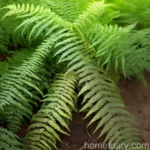
Everything You Need to Know About Brittle Bladder Fern (Cystopteris fragilis)
What is Plant: Brittle bladder fern (Cystopteris fragilis)
Cystopteris fragilis, commonly known as brittle bladder fern, is a delicate and graceful fern species belonging to the wood fern family (Dryopteridaceae). This species is known for its delicate fronds and is a popular choice for adding a touch of elegance to shaded garden areas. Brittle bladder fern is native to Europe, Asia, and North America and thrives in cool, moist, and shaded environments such as woodland areas and rocky crevices.
The name “brittle bladder fern” derives from the fragile nature of the plant’s fronds, which are susceptible to damage if not handled with care.
Key Takeaways – Brittle Bladder Fern (Cystopteris fragilis)
Before delving into the specific care guidelines for brittle bladder fern, let’s note a few key takeaways about this enchanting plant:
- Scientific Name: Cystopteris fragilis
- Family: Dryopteridaceae
- Common Name: Brittle bladder fern
- Native Range: Europe, Asia, and North America
- Habitat: Cool, moist, shaded environments
- Popular Uses: Shaded garden areas, woodland gardens, rock gardens
- Characteristics: Delicate, lacy fronds
- Special Feature: Fragile nature of the fronds
Now that we have a general understanding of this charming plant, let’s explore the specific care requirements for growing and nurturing brittle bladder fern.
Cultivation
Water
Brittle bladder ferns thrive in consistently moist environments, making them well-suited for shaded and damp areas in the garden. When it comes to watering, it’s crucial to maintain a balance; while they enjoy moisture, they are also susceptible to root rot if the soil becomes waterlogged. Aim to keep the soil consistently moist but not waterlogged. Regular watering, particularly during dry spells, is essential to ensure the plant’s vitality.
Sunlight
As a shade-loving plant, brittle bladder fern prefers dappled sunlight or partial shade. Direct sunlight can scorch the delicate fronds, so it’s best to position them in locations where they receive gentle, filtered light. This makes them an excellent choice for shaded garden beds, woodland gardens, or areas under the canopy of taller trees.
Soil
Well-draining, humus-rich soil is ideal for brittle bladder ferns. They thrive in slightly acidic to neutral soil pH and benefit from the addition of organic matter. A combination of compost, peat moss, and leaf mold can help create an optimal growing medium for these ferns. Additionally, incorporating some sand or perlite can aid in maintaining adequate drainage.
Fertilizer
Brittle bladder ferns generally do not have high fertilizer requirements and can thrive without regular feeding. However, if the soil quality is poor, or if they show signs of nutrient deficiency such as pale fronds, a light application of a balanced, slow-release fertilizer in spring can help bolster their growth.
Pruning
Pruning requirements for brittle bladder ferns are minimal, primarily involving the removal of any damaged or yellowing fronds. This not only helps maintain the plant’s aesthetics but also encourages the growth of new, healthy fronds. If there are persistent, unsightly fronds, they can be gently trimmed away to promote the plant’s overall vigor.
Propagation
Division
Brittle bladder ferns can be propagated through division, especially when the clumps become overcrowded or when new plants are desired. The ideal time for dividing the plants is in early spring when new growth begins to emerge. Gently lift the clump from the ground and carefully tease the root mass apart, ensuring that each division has a good portion of roots attached. Replant the divisions at the same depth as the parent plant, and ensure that they receive adequate moisture during the establishment phase.
Container Popularity
While brittle bladder ferns are often showcased in garden beds and naturalistic settings, they can also thrive in containers when provided with the right growing conditions. The delicate, lacy fronds of brittle bladder ferns add an ethereal charm to shaded corners of patios, balconies, and porches. Container gardening offers the flexibility to create captivating displays of these ferns in various outdoor spaces, bringing their graceful beauty to new heights.
Container Common Diseases
When growing brittle bladder ferns in containers, it’s essential to be mindful of potential diseases that can affect these plants. Common container diseases that may impact brittle bladder ferns include:
- Root Rot: Overwatering or poorly draining soil can lead to root rot, causing the plant to wilt and decline.
- Fungal Diseases: High humidity levels in containers can create favorable conditions for fungal diseases, resulting in spotting or browning of the fronds.
These diseases underscore the importance of providing appropriate growing conditions and practicing good container gardening techniques to minimize the risk of infections.
Disease Diagnosis
Diagnosing diseases in brittle bladder ferns requires attentive observation of the plant’s overall health and any visible symptoms. Some indicators of common diseases include wilting, browning or yellowing of fronds, and abnormal spotting or discoloration. It’s important to promptly address any signs of disease through appropriate cultural practices and, if necessary, targeted treatments to restore the plant’s health and vitality.
Common Pests
While brittle bladder ferns are relatively resistant to pest infestations, they may occasionally attract certain pests, particularly when grown in containers. Common pests that may affect these ferns include:
- Aphids: These tiny, sap-sucking insects can cluster on the undersides of fronds, causing distortion and stunted growth.
- Scale Insects: Scale insects may attach themselves to the fronds, feeding on plant juices and secreting sticky honeydew.
Vigilant monitoring and prompt intervention, such as using organic insecticidal soaps or horticultural oils, can help manage pest infestations effectively.
Botanist’s Tips
To foster the best growth and development of brittle bladder ferns, consider the following expert tips:
- Mulching: Applying a layer of organic mulch, such as leaf litter or shredded bark, around the base of the ferns can help retain soil moisture and regulate temperatures while also suppressing weed growth.
- Humidity: Increasing ambient humidity levels can benefit brittle bladder ferns, especially when grown indoors or in arid climates. Strategies to enhance humidity include misting the fronds or placing the containers on trays filled with water and pebbles.
- Protection from Wind: Shielding the ferns from strong winds can prevent damage to their delicate fronds, particularly when grown in exposed outdoor locations.
By incorporating these recommendations into the care routine, you can create an environment that promotes the optimal well-being of brittle bladder ferns, allowing them to flourish and grace their surroundings with their captivating presence.
Fun Facts
To further appreciate the allure of brittle bladder ferns, here are some intriguing fun facts about this remarkable plant:
- Medicinal Uses: In traditional herbal medicine, certain species of Cystopteris, the genus to which brittle bladder fern belongs, have been used to address various ailments, reflecting the historical significance of these plants in folk medicine.
- Wildlife Benefits: The dense foliage of brittle bladder ferns provides shelter for small wildlife, including insects and amphibians, contributing to the biodiversity of their surrounding habitats.
- Historic Symbolism: Ferns, including Cystopteris species, have long been associated with symbolism and folklore, often representing themes of resilience, fascination, and the hidden secrets of nature.
These captivating facets of brittle bladder ferns underscore their multifaceted appeal, making them not only visually enchanting but also culturally and ecologically significant.
Links to External Resources
To further enhance your knowledge and appreciation of brittle bladder ferns, explore the following external resources:
- Royal Horticultural Society – Cystopteris
- Missouri Botanical Garden – Brittle Bladder Fern
- North American Rock Garden Society – Cystopteris
These reputable sources offer valuable insights and in-depth information on the cultivation, characteristics, and ecological significance of brittle bladder ferns, enriching your understanding of this captivating plant.
In conclusion, the delicate allure and cultural significance of brittle bladder ferns, also known as Cystopteris fragilis, make them a fascinating addition to gardens and naturalistic landscapes. By honoring their habitat preferences and providing attentive care, you can cultivate an enchanting display of these ferns, infusing your outdoor spaces with an air of grace and sophistication.
Whether grown in shaded garden beds, woodland areas, or artfully arranged containers, brittle bladder ferns captivate with their delicate fronds and rich heritage, inviting you to appreciate the wonders of the natural world in all its splendor.
Remember to allow your curiosity and appreciation to guide you as you delve into the realm of brittle bladder ferns, uncovering the hidden intricacies that make them a botanical treasure cherished by enthusiasts and nature lovers alike.