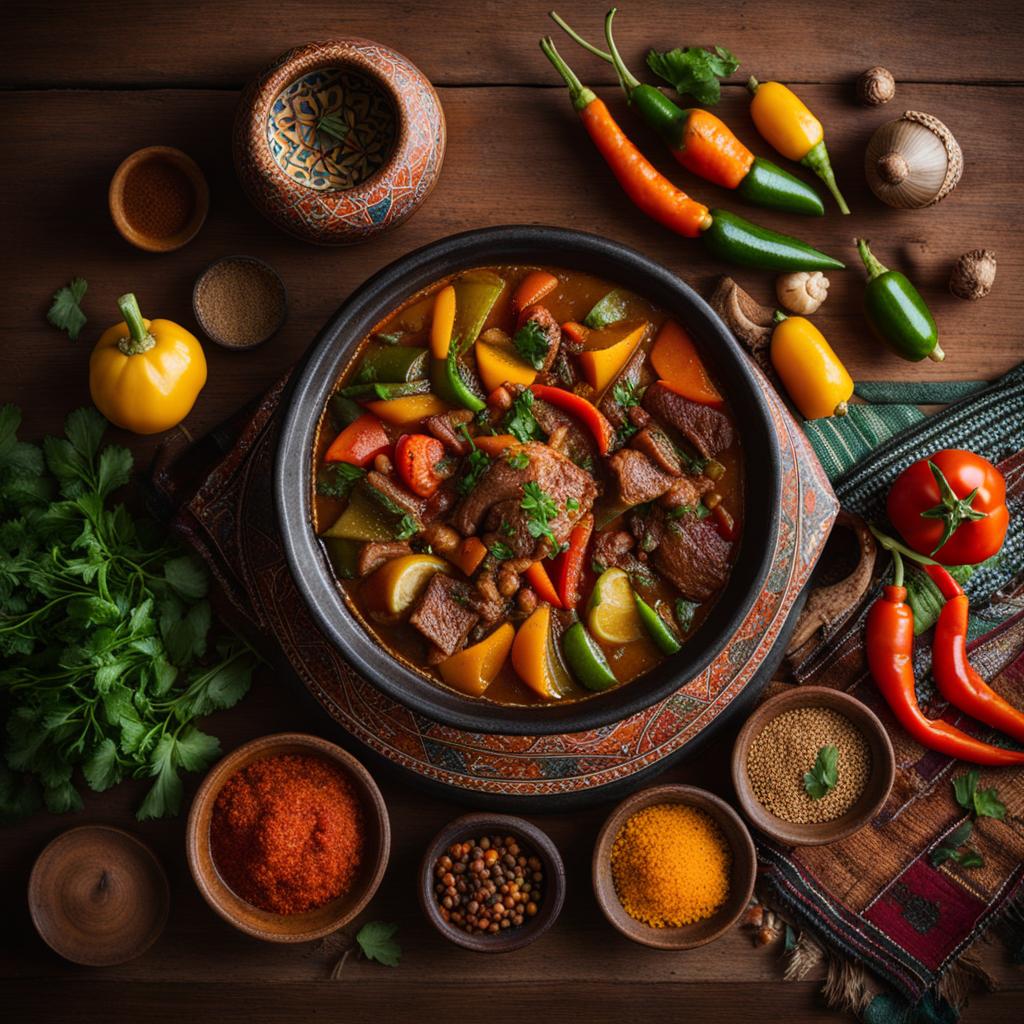
Tagine, a North African stew named after the clay pot in which it’s prepared, is a hearty and warming dish that can be easily modified to taste. There are numerous enticing tagine recipes available, from lamb and butternut squash to root vegetable and cauliflower variations. In this article, I will guide you through the best tagine options and provide you with expert-approved recipes that will bring the flavors of traditional cooking into your home kitchen.
Key Takeaways:
- Tagine is a North African stew dish named after the clay pot in which it is cooked.
- Traditional tagine pots are made of clay and provide excellent heat retention.
- When choosing a tagine pot, consider factors such as quality, size, design, heat retention, and durability.
- Top-rated tagine brands include Le Creuset, Emile Henry, and Lodge.
- Tagine recipes can be traditional, vegetarian/vegan, or variations from different cultures.
What is a Tagine?
A tagine is a traditional North African stew-like dish that derives its name from the clay pot in which it is cooked. The tagine pot is designed with a cone-shaped lid that allows for slow cooking, creating tender and flavorful dishes. This unique cooking method helps to retain the moisture, flavors, and aromas of the ingredients, resulting in a rich and satisfying meal.
Tagines are known for their versatility and the combination of ingredients they offer. Typically, tagines consist of meat, such as lamb or chicken, along with an array of vegetables and aromatic spices. The slow cooking process allows the flavors to meld together, resulting in a harmonious blend of tastes that is unique to each tagine recipe.
The clay pot used for cooking a tagine is an essential part of the process. The porous nature of the clay helps to evenly distribute heat, ensuring that the ingredients are cooked to perfection. The cone-shaped lid of the pot allows the steam to condense and drip back down into the dish, enhancing the moisture and flavors of the tagine.
“The tagine is not just a cooking vessel; it is a symbol of North African culinary tradition. It represents centuries of cultural heritage, passed down through generations. Cooking a tagine is like taking a trip to Morocco or Tunisia right in your own kitchen, allowing you to experience the flavors and aromas of North Africa firsthand.”
– Moroccan Cuisine Expert
Types of Tagine Pots
When it comes to cooking tagine, having the right pot is essential for achieving the best results. There are two main types of tagine pots that are commonly used: clay tagine and cast-iron tagine.
Clay Tagine
The clay tagine is the most traditional type of pot used in tagine cooking. It is made from natural clay and has a distinctive cone-shaped lid. The clay material retains and distributes heat evenly, allowing for slow and gentle cooking. This results in tender and flavorful dishes with all the aromatic flavors locked inside. Clay tagines are known for creating that authentic and rustic taste that is reminiscent of traditional North African cuisine.
Cast-Iron Tagine
The cast-iron tagine is a more modern variation of the traditional clay pot. It is made from durable cast iron, which provides excellent heat retention and distribution. The cast-iron tagine is heavier and more robust compared to the clay tagine, making it more resistant to cracking or breaking. It is also suitable for use on various stovetops, including gas, electric, and induction. The cast-iron tagine is a great option for those who prefer a more durable and versatile cooking pot.
Both types of tagine pots have their own advantages and characteristics. The choice between clay and cast iron ultimately depends on your personal preference and cooking needs. Whether you opt for the traditional clay tagine or the more modern cast-iron tagine, both pots will help you create delicious and flavorful tagine dishes that will transport you to the vibrant streets of North Africa.
Factors to Consider When Choosing the Best Tagine
When it comes to choosing the best tagine for your cooking needs, there are several factors to consider. These factors will ensure that you select a tagine pot that meets your expectations in terms of quality, size, design, heat retention, and durability. By taking these factors into account, you can make an informed decision and invest in a tagine that will enhance your culinary journey.
Quality
The quality of the tagine pot is crucial for ensuring long-lasting performance and delicious results. Look for tagines made of high-quality materials that can withstand high heat and provide even heat distribution. Traditional clay tagines are known for their ability to retain heat and create tender and flavorful dishes. Cast-iron tagines are also popular for their excellent heat retention and durability. Consider the materials used and read customer reviews to gauge the quality of the tagine pot.
Size
The size of the tagine is another important factor to consider. It should be able to accommodate the amount of food you intend to cook. For smaller households or individual servings, a smaller tagine will suffice. However, if you frequently cook for larger gatherings or want to have leftovers, a larger tagine may be more suitable. Assess your cooking needs and choose a size that fits your requirements.
Design
The design of the tagine pot plays a role in both heat distribution and retention. Look for a tagine with a well-fitting cone-shaped lid that allows for steam to circulate and flavors to be trapped inside. This design promotes slow cooking and ensures that the ingredients cook evenly. Additionally, consider the overall aesthetics of the tagine and choose a design that complements your kitchen decor.
Heat Retention and Durability
Heat retention is essential for achieving tender and flavorful tagine dishes. A tagine pot should be able to hold and distribute heat effectively. Traditional clay tagines excel in heat retention, while cast-iron tagines are also known for their heat retention properties. Additionally, consider the durability of the tagine pot. You want a tagine that will withstand regular use and last for years to come. Read reviews and choose a tagine that is known for its durability.
By considering these factors—quality, size, design, heat retention, and durability—you can choose the best tagine pot for your cooking adventures. A high-quality tagine will enhance your culinary experience and allow you to create delicious and authentic tagine dishes in your own kitchen.
Top-Rated Tagine Brands
When it comes to choosing the best tagine pot for your cooking needs, it’s important to consider top-rated tagine brands known for their quality and performance. These reputable brands offer a wide range of tagine pots that will help you create authentic and flavorful dishes. Three brands that consistently receive rave reviews from both professional chefs and home cooks are Le Creuset, Emile Henry, and Lodge.
Le Creuset: This renowned brand is known for its high-quality and durable cookware. Le Creuset tagine pots are made with enameled cast iron, which provides excellent heat distribution and retention. The vibrant colors and attractive design make Le Creuset tagines a stylish addition to any kitchen.
Emile Henry: With a focus on craftsmanship and innovation, Emile Henry tagine pots are made in France with high-fired Burgundy clay. These tagine pots are designed for even heat distribution and are resistant to cracking and chipping. Emile Henry tagines are available in a wide range of colors and sizes to suit your cooking needs.
Lodge: Lodge is a trusted brand known for its cast iron cookware. Lodge tagine pots are pre-seasoned for a natural, non-stick surface and excellent heat retention. The durable cast iron construction ensures that your tagine pot will last for years to come. Lodge tagines are versatile and can be used on various heat sources, including stovetops and ovens.
| Brand | Material | Features |
|---|---|---|
| Le Creuset | Enameled Cast Iron | Excellent heat distribution and retention; vibrant colors; attractive design |
| Emile Henry | Burgundy Clay | Even heat distribution; resistant to cracking and chipping; available in various colors and sizes |
| Lodge | Cast Iron | Pre-seasoned; excellent heat retention; durable construction; versatile |
When considering the best tagine brands, it’s important to research and read customer reviews to ensure that you choose a brand that meets your specific needs and preferences. These top-rated tagine brands consistently deliver high-quality cookware that will elevate your tagine cooking experience.
Traditional Tagine Recipes
Indulge in the exquisite flavors of traditional tagine recipes and experience the authentic taste of North African cuisine. These classic tagine dishes are a celebration of tender meats, aromatic spices, and vibrant vegetables, creating a symphony of flavors that will transport you to the bustling markets of Morocco and beyond. Let me guide you through a selection of mouthwatering recipes that will elevate your culinary repertoire and impress your guests.
Classic Lamb Tagine with Apricots and Almonds
“The combination of succulent lamb, sweet apricots, and toasted almonds in this tagine dish is simply divine. The slow-cooked lamb becomes melt-in-your-mouth tender, while the apricots add a delicate sweetness and the almonds provide a satisfying crunch. The secret to achieving the perfect balance of flavors is the careful blend of spices, which may include cinnamon, ginger, turmeric, and cumin. Serve this tagine with fluffy couscous for a truly traditional experience.”
Aromatic Chicken Tagine with Preserved Lemons and Olives
“The marriage of tangy preserved lemons, briny olives, and tender chicken makes this tagine a showstopper. The chicken is marinated in a fragrant blend of spices, such as cumin, coriander, paprika, and saffron, which infuse the dish with a rich and complex flavor profile. The preserved lemons add a delightful citrusy note, while the olives provide a burst of saltiness. This tagine is best served with fluffy couscous or crusty bread to soak up the flavorful sauce.”
These traditional tagine recipes are just the beginning of your culinary journey. Explore the vibrant world of North African cuisine and unleash your creativity by experimenting with different combinations of meats, vegetables, and spices. With each tagine you create, you’ll discover new depths of flavor and gain a deeper appreciation for the art of traditional cooking.
| Classic Tagine Dishes | Ingredients | Preparation |
|---|---|---|
| Lamb Tagine with Apricots and Almonds | – Lamb shoulder – Dried apricots – Blanched almonds – Aromatic spices – Onions – Garlic – Olive oil – Vegetable broth |
1. Sear the lamb and set aside. 2. Sauté onions and garlic in olive oil. 3. Add spices and cook until fragrant. 4. Return the lamb to the pot and add broth. 5. Simmer for 2-3 hours to allow flavors to meld. 6. Stir in apricots and almonds. 7. Cook for an additional 15 minutes. 8. Serve with couscous. |
| Chicken Tagine with Preserved Lemons and Olives | – Chicken thighs – Preserved lemons – Green olives – Aromatic spices – Onions – Garlic – Olive oil – Chicken broth |
1. Brown the chicken thighs and set aside. 2. Sauté onions and garlic in olive oil. 3. Add spices and cook until fragrant. 4. Return the chicken to the pot and add broth. 5. Simmer for 45 minutes to 1 hour. 6. Stir in preserved lemons and olives. 7. Cook for an additional 15 minutes. 8. Serve with couscous or bread. |
Embrace the flavors of traditional tagine recipes and let your taste buds embark on a culinary adventure through the vibrant and aromatic world of North African cuisine. Whether you’re hosting a dinner party or simply treating yourself to a special meal, these authentic tagine dishes are sure to captivate your senses and leave a lasting impression.
Vegetarian and Vegan Tagine Recipes
Tagine recipes aren’t just limited to meat-based dishes. Vegetarian and vegan options offer a delightful alternative that is packed with flavor and satisfies even the most discerning palate. By using an array of vegetables, aromatic spices, and hearty legumes, you can create meatless tagine dishes that are both delicious and satisfying.
Here are a few mouthwatering vegetarian and vegan tagine recipes to try:
Chickpea and Vegetable Tagine
This flavorful tagine combines tender chickpeas with a medley of vibrant vegetables. The combination of spices, such as cumin, coriander, and turmeric, infuses the dish with a warm and aromatic flavor. Serve this tagine over fluffy couscous for a complete and nutritious meal.
Eggplant and Chickpea Tagine
This tagine recipe features tender eggplant and creamy chickpeas cooked in a rich tomato-based sauce. The addition of warm spices like cinnamon and paprika adds depth and complexity to the dish. Garnish with fresh herbs, such as cilantro or parsley, for a burst of freshness.
Lentil and Cauliflower Tagine
Lentils and cauliflower come together in this hearty and satisfying tagine. The earthy flavor of lentils complements the mild sweetness of cauliflower, while spices like ginger and cumin add warmth and complexity. Sprinkle with toasted almonds or sesame seeds for an extra crunch.
These meatless tagine recipes prove that you don’t need meat to enjoy the rich and vibrant flavors of this North African dish. Whether you follow a vegetarian or vegan diet or simply want to incorporate more plant-based meals into your routine, these tagine recipes are sure to please.
| Recipe | Ingredients | Instructions |
|---|---|---|
| Chickpea and Vegetable Tagine |
|
|
| Eggplant and Chickpea Tagine |
|
|
| Lentil and Cauliflower Tagine |
|
|
Tagine Cookbook Recommendations
As you embark on your tagine cooking journey, having the right resources and guidance is essential. A tagine cookbook can provide you with a wealth of authentic recipes and culinary inspiration. Here are some highly recommended tagine cookbooks that will take your tagine cooking skills to the next level.
The Food of Morocco by Paula Wolfert
“The Food of Morocco” by Paula Wolfert is a comprehensive guide to Moroccan cuisine, featuring a variety of traditional tagine recipes and other Moroccan culinary delights. With detailed instructions and insightful tips, this cookbook allows you to explore the vibrant flavors and rich cultural heritage of Morocco. From classic lamb tagine to vegetable and seafood variations, this cookbook covers a wide range of tagine dishes that will impress your taste buds.
Tagines and Couscous by Ghillie Basan
“Tagines and Couscous” by Ghillie Basan is a fantastic resource for anyone looking to master the art of tagine cooking. This cookbook offers a diverse collection of tagine recipes from different regions, including traditional Moroccan tagines and variations from across North Africa. With beautiful photography and detailed instructions, this cookbook will guide you through the process of creating authentic and flavorful tagine dishes that will transport you to the spice-filled markets of the Mediterranean.
By adding these tagine cookbooks to your collection, you’ll have a wide range of delicious recipes at your fingertips. Whether you’re a novice or an experienced cook, these cookbooks will inspire you to explore the rich flavors of Moroccan cuisine and create memorable tagine dishes in your own kitchen.
Tips for Cooking the Perfect Tagine
When it comes to cooking the perfect tagine, there are a few important tips and techniques to keep in mind. Tagine dishes are known for their rich flavors and tender meats, and these tips will help you achieve the best results every time.
One key aspect of cooking a tagine is the method of slow cooking. Slow cooking allows the flavors to develop and intensify, resulting in a dish that is bursting with aromatic spices and tender meat. It’s important to be patient and allow the tagine to simmer on low heat for an extended period. This slow cooking process allows the ingredients to meld together and create a deep and complex flavor profile.
Layering the ingredients is another technique that can take your tagine to the next level. By layering the meat, vegetables, and spices in the tagine pot, you ensure that each element is cooked to perfection and that the flavors are evenly distributed. This technique enhances the depth of flavor and creates a harmonious blend of tastes.
Additionally, adding spices at different stages of cooking can enhance the overall flavor of your tagine. Some spices, such as cinnamon and cloves, can be added at the beginning to infuse the dish with their aromatic essence. Other spices, like saffron and paprika, can be added later in the cooking process to enhance the flavor and color of the dish. By strategically incorporating spices throughout the cooking process, you can create a tagine that is bursting with flavor.
Tips for Cooking the Perfect Tagine:
- Slow cook the dish to develop rich flavors and tender meat.
- Layer the ingredients to ensure even cooking and flavor distribution.
- Add spices at different stages to enhance flavor complexity.
Accessories for Tagine Cooking
Enhance your tagine cooking experience with the right accessories. A tagine serving platter is a beautiful way to present your tagine dish to the table. Additionally, a couscous steamer is a handy accessory for cooking fluffy couscous to accompany your tagine. Don’t forget to serve your tagine with traditional flatbreads, such as Moroccan khobz or Tunisian msemen, to complete the meal. These accessories add an authentic touch to your tagine cooking and create an immersive culinary experience.
| Accessory | Description |
|---|---|
| Tagine Serving Platter | A decorative platter that showcases your tagine dish and enhances the dining experience. |
| Couscous Steamer | An essential tool for cooking fluffy couscous to serve alongside your tagine. |
| Flatbreads | Traditional Moroccan khobz or Tunisian msemen that complement the flavors of your tagine. |
By using these accessories, you can elevate your tagine cooking and create a visually appealing and authentic dining experience. The tagine serving platter adds a touch of elegance to your table, while the couscous steamer ensures perfectly cooked couscous every time. Serving your tagine with traditional flatbreads completes the meal and allows you to enjoy the flavors of North Africa to the fullest.
So, whether you’re cooking for a special occasion or simply indulging in a cozy homemade meal, don’t forget to equip yourself with these essential tagine cooking accessories. They will not only enhance the presentation of your dishes but also heighten the overall dining experience, bringing the flavors of traditional tagine cooking to life in your own kitchen.
Expert-Approved Tagine Recipes
If you’re looking to elevate your culinary skills and impress your guests with flavorful and aromatic dishes, you’ve come to the right place. I’ve curated a collection of top-rated tagine recipes that have been approved by experts in the field. These recipes are known for their unique flavor combinations and delicious results, making them the perfect addition to your recipe repertoire.
Whether you’re a meat lover or prefer vegetarian options, there’s a tagine recipe for everyone. From the succulent lamb tagine with apricots and almonds to the tangy chicken tagine with preserved lemons and olives, these flavorful dishes will transport you to the vibrant streets of North Africa.
For those seeking a plant-based option, the vegetable tagine with chickpeas and root vegetables is a delightful choice. The combination of tender vegetables and aromatic spices creates a hearty and satisfying dish that will please even the most discerning palate. These expert-approved tagine recipes are sure to impress and are perfect for both casual weeknight dinners and special occasions.
Table: Expert-Approved Tagine Recipes
| Recipe | Description |
|---|---|
| Lamb Tagine with Apricots and Almonds | A savory and sweet combination of tender lamb, dried apricots, and crunchy almonds. |
| Chicken Tagine with Preserved Lemons and Olives | A tangy and flavorful dish featuring succulent chicken, tangy preserved lemons, and briny olives. |
| Vegetable Tagine with Chickpeas and Root Vegetables | A hearty and satisfying vegetarian option with a medley of seasonal vegetables and protein-rich chickpeas. |
Try these expert-approved tagine recipes and let the flavors transport you to the exotic lands of North Africa. With their unique spice blends and tender meats or vegetables, these dishes are sure to become your new favorites. So, grab your tagine pot, gather the ingredients, and embark on a culinary adventure.
Maintaining and Cleaning Your Tagine
Proper maintenance and cleaning are essential for ensuring the longevity of your tagine and preserving its cooking performance. By following these care instructions, you can keep your tagine in excellent condition and enjoy its flavorful results for years to come.
Hand Washing with Gentle Care
After each use, allow your tagine to cool completely before cleaning. It’s recommended to hand wash the tagine with mild soap and warm water. Avoid using harsh abrasives or dishwashers, as they can damage the pot’s delicate clay or cast-iron surface. Instead, use a non-abrasive sponge or cloth to gently remove any food particles or stains.
Seasoning for Enhanced Flavor and Protection
To maintain the nonstick surface of your tagine and prevent it from cracking, it’s important to season the pot periodically. Seasoning involves applying a thin layer of oil to the interior of the tagine and heating it on low heat for about an hour. This process helps to seal the clay or cast-iron surface and enhances the flavor development of future tagine recipes.
“Proper maintenance and cleaning are essential for ensuring the longevity of your tagine and preserving its cooking performance.”
Storing Your Tagine with Care
When storing your tagine, it’s important to protect it from potential damage. Place a cloth or paper towel on the bottom of the pot to absorb any moisture and prevent contact with hard surfaces. Cover the tagine with its lid or a clean cloth to protect it from dust or debris. Store the tagine in a cool, dry place away from extreme temperatures or direct sunlight.
Summary
Maintaining and cleaning your tagine is crucial for prolonging its lifespan and optimizing its cooking performance. Hand wash the tagine with care, avoiding harsh abrasives, and consider seasoning it periodically to enhance its flavor and protection. By following these simple care instructions, you can ensure that your tagine remains in excellent condition and continues to produce delicious, flavorful meals.
Exploring Tagine Variations from Different Cultures
Tagine, a dish that originates from North Africa, has become popular across the globe for its rich flavors and tender meat. While tagine is most commonly associated with North African cuisine, variations of this dish can be found in different cultures. In Middle Eastern cuisine, you’ll find dishes similar to tagine, such as Persian khoresh and Turkish güveç. These regional tagine dishes offer unique flavor combinations and cooking techniques that add a delightful twist to the traditional North African tagine.
One example of a Middle Eastern tagine variation is the Persian khoresh. This slow-cooked stew is made with a combination of meat or poultry, fruits, vegetables, and aromatic spices. The flavors in khoresh are complex and well-balanced, creating a harmonious blend of sweet and savory notes. Turkish güveç, on the other hand, is a casserole-style dish made with meat, vegetables, and herbs. It is typically cooked in a clay pot, similar to the traditional North African tagine, which helps infuse the dish with rich flavors.
Exploring these tagine variations allows you to broaden your culinary horizons and discover new and exciting flavors. Each culture brings its own unique twist to tagine, showcasing the diversity and creativity of regional cuisines. Whether you’re a fan of North African tagine or interested in trying different flavor profiles, these regional tagine dishes offer a delightful culinary adventure.
Middle Eastern Tagine Variations
| Tagine Variation | Description |
|---|---|
| Persian Khoresh | A slow-cooked stew made with a variety of ingredients including meat or poultry, fruits, vegetables, and aromatic spices. The flavors are complex and well-balanced, offering a delightful blend of sweet and savory notes. |
| Turkish Güveç | A casserole-style dish cooked in a clay pot, similar to the traditional North African tagine. It is made with meat, vegetables, and herbs, resulting in a flavorful and aromatic dish. |
Tagine as a Culinary Journey
Exploring tagine dishes is not just a culinary adventure; it is a journey that takes you on a global exploration of flavors and cultures. With each tagine recipe you try, you embark on a flavorful expedition that transports you to different parts of the world. The aromatic spices, unique combinations of ingredients, and slow cooking techniques create a symphony of flavors that ignite your taste buds and satisfy your culinary cravings.
Tagine dishes offer a myriad of possibilities for culinary exploration. From traditional North African recipes to modern interpretations from around the globe, there is no shortage of delicious tagine variations to discover. Whether you are a meat lover, vegetarian, or vegan, there is a tagine recipe that will captivate your senses and leave you craving for more.
What makes tagine cooking a true culinary adventure is the ability to experiment with different ingredients and techniques. You can personalize each recipe with your favorite spices, vegetables, and proteins, allowing you to create unique and exciting flavor profiles. The versatility of tagine dishes ensures that every meal is a delightful surprise, filled with global flavors that awaken your palate and ignite your passion for cooking.
Table: Tagine Flavor Profiles from Around the World
| Region | Flavor Profile |
|---|---|
| Morocco | Rich and aromatic spices, sweet and savory combinations, tender meats |
| Tunisia | Spicy and vibrant flavors, bold combinations of spices, a touch of heat |
| Lebanon | Delicate and fragrant spices, layers of flavors, balance of sweet and sour |
| India | Colorful and bold spices, complex flavor profiles, vegetarian and vegan options |
| Mexico | Rich and smoky spices, tangy and vibrant flavors, hearty and satisfying |
Embark on a culinary journey with tagine as your guide and let your taste buds explore the diverse flavors of the world. From the traditional tagine recipes that have stood the test of time to the innovative creations that push culinary boundaries, every dish tells a story and invites you to savor the richness of global flavors. Whether you enjoy tagine alone, with family, or with friends, each bite is a celebration of the cultural diversity that brings us together through the love of food. So, grab your tagine pot, gather your ingredients, and let the journey begin!
Bringing the Flavors of Traditional Cooking Home
As a lover of traditional dishes and a culinary enthusiast, there’s nothing quite like bringing the flavors of traditional cooking home. With the tagine, you can recreate the rich and vibrant flavors of North African cuisine right in your own kitchen. Tagine dishes are a celebration of aromatic spices, tender meats, and vibrant vegetables, all simmered together to create a symphony of flavors.
By investing in a quality tagine pot and exploring expert-approved recipes, you can embark on a culinary adventure that will transport you to the spice-filled markets of Morocco and beyond. The slow cooking process of the tagine allows the flavors to develop and meld together, resulting in mouthwatering dishes that are sure to impress family and friends.
Whether you’re cooking for a special occasion or simply indulging in a cozy homemade meal, the tagine brings a touch of exotic flair to your table. The aroma that fills your kitchen as the tagine simmers away is simply irresistible, enticing everyone to gather around and savor the delicious flavors created through this traditional cooking technique.
So, dust off your tagine pot, gather your favorite ingredients, and let the magic of traditional cooking unfold in your own kitchen. Explore the rich heritage of North African cuisine, experiment with different spices and ingredients, and indulge in the vibrant flavors that the tagine has to offer.
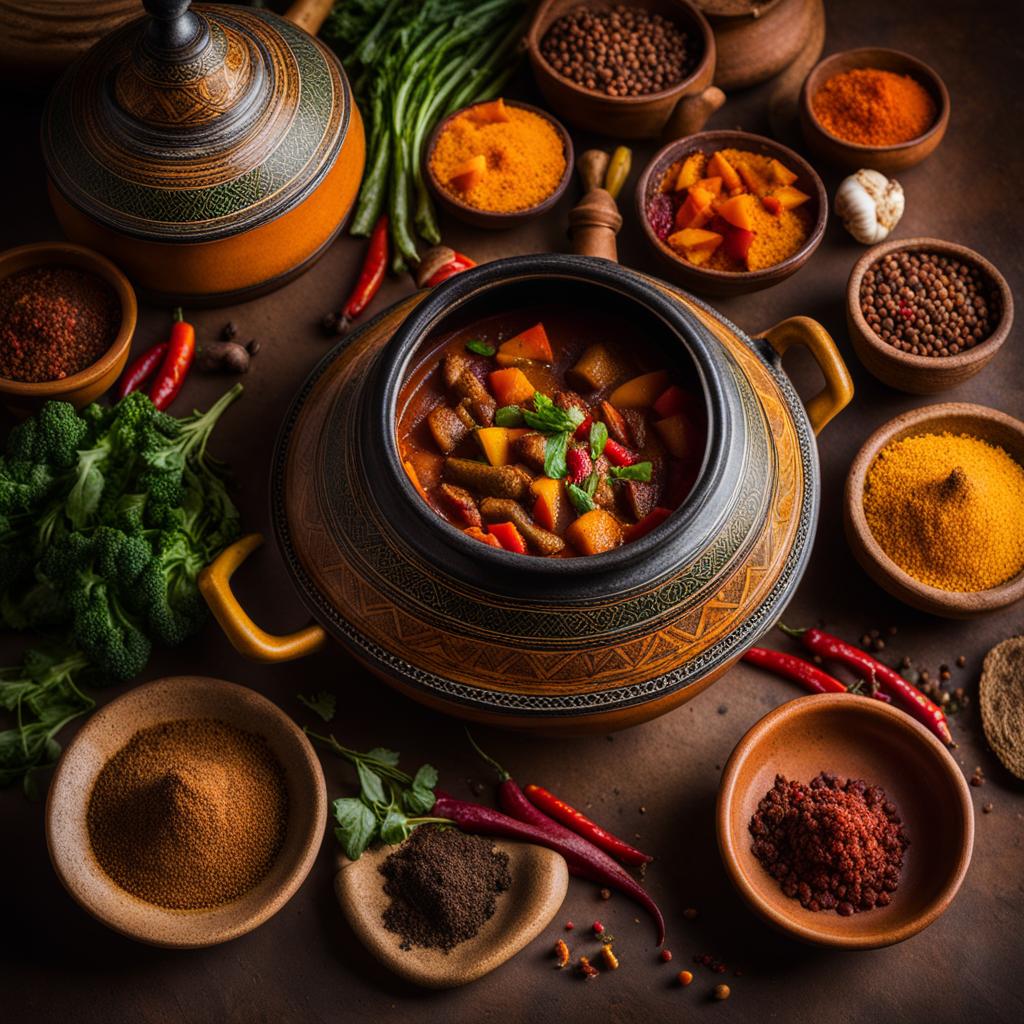
Table: Tagine Cooking Essentials
| Essential | Description |
|---|---|
| Tagine Pot | A traditional clay or cast-iron pot with a cone-shaped lid, perfect for slow cooking and flavor infusion. |
| Aromatic Spices | Key spices such as cumin, coriander, turmeric, and cinnamon, adding depth and complexity to tagine dishes. |
| Tender Meats | Lamb, chicken, and beef are popular choices for tagine recipes, providing succulent and flavorful results. |
| Vegetables | Fresh vegetables like carrots, onions, tomatoes, and potatoes, adding color, texture, and nutrients to the dish. |
| Preserved Lemons | A unique and tangy ingredient that brings a burst of citrus flavor to tagine recipes. |
| Herbs | Fragrant herbs like cilantro, parsley, and mint, enhancing the overall freshness and aroma of the dish. |
Embrace the flavors of traditional cooking, and let the tagine be your guide to creating memorable meals that transport you to exotic lands. Whether you’re a seasoned chef or a novice in the kitchen, the tagine offers a rewarding and delectable cooking experience that will leave you craving for more.
Conclusion
In summary, tagine cooking offers a flavorful and versatile culinary experience that can be enjoyed in the comfort of your own home. By investing in a quality tagine pot and exploring expert-approved recipes, you can recreate the rich flavors of traditional North African cuisine. Whether you’re cooking for yourself or entertaining guests, tagine dishes are sure to impress with their aromatic spices and tender meats.
Throughout this article, we have discussed the various types of tagine pots, factors to consider when choosing the best one, and top-rated tagine brands. We have also explored traditional tagine recipes, vegetarian and vegan options, as well as tagine variations from different cultures. Additionally, we have provided tips for cooking the perfect tagine and highlighted essential accessories to enhance your tagine cooking experience.
In conclusion, tagine cooking is not just about preparing a meal; it’s a culinary adventure that allows you to explore diverse flavors and immerse yourself in different cultures. With tagine as your guide, you can bring the flavors of traditional cooking home and create memorable dining experiences. So, gather your ingredients, ignite your passion for cooking, and let tagine be the centerpiece of your flavorful culinary creations. Enjoy the journey, and savor every moment!
FAQ
What is a tagine?
A tagine is a North African stew-like dish that is named after the traditional clay pot in which it is cooked. The pot has a cone-shaped lid that allows for slow cooking and keeps the flavors trapped inside. Tagines are known for their rich and complex flavors, often combining meat, vegetables, and aromatic spices.
What types of tagine pots are available?
There are different types of tagine pots available, with the most traditional being made of clay. These clay tagines are known for their ability to retain heat and distribute it evenly, resulting in tender and flavorful dishes. Another popular option is a cast-iron tagine, which provides excellent heat retention and is more durable.
What factors should I consider when choosing the best tagine?
When choosing the best tagine, consider factors such as quality, size, design, heat retention, and durability. Ensure that the pot is made of durable materials that can withstand high heat and that it can accommodate the amount of food you intend to cook. Additionally, consider the design of the tagine, ensuring even heat distribution and retention.
What are some top-rated tagine brands?
Reputable tagine brands include Le Creuset, Emile Henry, and Lodge. These brands offer a wide range of tagine pots known for their quality and performance. When choosing a tagine brand, research and read customer reviews to ensure it meets your specific needs and preferences.
What are some traditional tagine recipes?
Traditional tagine recipes often consist of tender meat, aromatic spices, and a variety of vegetables. Some classic tagine dishes include lamb with apricots, chicken with preserved lemons, and beef with a medley of vegetables. These recipes showcase the rich flavors and cultural heritage of North African cuisine.
Are there vegetarian and vegan tagine recipes?
Yes, vegetarian and vegan tagine recipes offer a meatless option that is still full of flavor and satisfying. These recipes often feature an abundance of vegetables combined with aromatic spices and herbs. Some popular vegetarian tagine dishes include chickpea and vegetable tagine, eggplant and chickpea tagine, and lentil and cauliflower tagine.
What are some recommended tagine cookbooks?
Highly recommended tagine cookbooks include “Tagines and Couscous” by Ghillie Basan and “The Food of Morocco” by Paula Wolfert. These cookbooks provide authentic and flavorful tagine recipes, as well as insights into Moroccan cuisine and culinary delights.
What are some tips for cooking the perfect tagine?
To cook the perfect tagine, slow cooking is essential to allow the flavors to simmer and meld together over a long period. Additionally, layering the ingredients and adding spices at different stages of cooking can enhance the depth of flavor.
What accessories can enhance the tagine cooking experience?
Tagine cooking can be enhanced with accessories such as a tagine serving platter, a couscous steamer for fluffy couscous, and traditional flatbreads like Moroccan khobz or Tunisian msemen to complete the meal.
Can you provide me with expert-approved tagine recipes?
Absolutely! I have curated a collection of expert-approved tagine recipes that are known for their flavorful and delicious results. From lamb tagine with apricots and almonds to chicken tagine with preserved lemons and olives, these recipes showcase the versatility and richness of tagine cooking.
How should I maintain and clean my tagine?
After each use, allow the tagine to cool completely before cleaning. Hand wash the tagine with mild soap and warm water, avoiding harsh abrasives that can damage the pot. Periodically season the tagine to maintain its nonstick surface and prevent cracking.
Are there variations of tagine dishes in different cultures?
Yes, variations of tagine dishes can be found in different cultures. In Middle Eastern cuisine, you’ll find dishes similar to tagine, such as Persian khoresh and Turkish güveç. These regional tagine dishes often feature unique flavor combinations and cooking techniques.
What does cooking tagine represent?
Cooking tagine is not just about preparing a meal; it’s a culinary adventure that takes you on a journey to different cultures and flavors. With each tagine recipe you try, you immerse yourself in the rich culinary heritage of North Africa and beyond.
How can I bring the flavors of traditional cooking home?
With the best tagine and expert-approved recipes, you can bring the flavors of traditional cooking right into your own kitchen. Whether you’re cooking for yourself, your family, or hosting a dinner party, tagine dishes are sure to impress.