

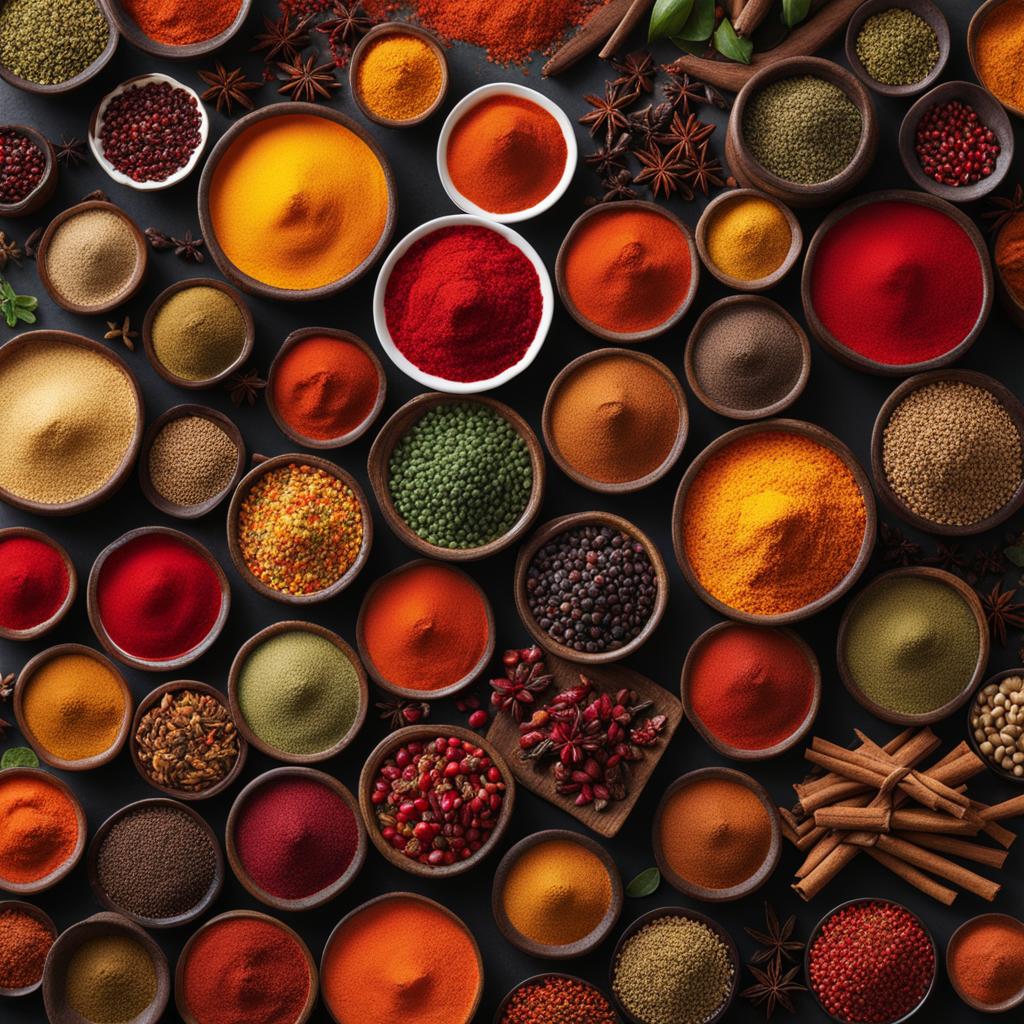
Hello friends! Today, I’m excited to delve into the captivating world of single-origin spices. These extraordinary spices are sourced from specific regions around the globe, offering a remarkable array of tastes and aromas that ignite our senses and transport us to distant lands.
Single-origin spices capture the authentic essence of their land of origin, bringing us the purest and most vibrant flavors imaginable. They offer a far cry from generic blended spices, providing a unique sensory experience that elevates our culinary creations to extraordinary heights.
Not only do single-origin spices add depth and nuance to our dishes, but they also offer numerous health benefits. For instance, turmeric, with its anti-inflammatory and antioxidant properties, can enhance our overall well-being. The possibilities are endless when it comes to incorporating these remarkable spices into our cooking.
In my exploration, I’ve come across two exceptional brands that epitomize the essence of single-origin spices. Spice Tribe, based in San Francisco, sources their spices directly from farmers worldwide, offering a diverse range of flavors while prioritizing ethical sourcing. Burlap & Barrel takes a pioneering approach to single-origin sourcing, partnering directly with farmers to support fairer and more sustainable spice trade. Both brands are dedicated to delivering high-quality and authentic single-origin spices.
Are you ready to embark on a flavor-filled journey with single-origin spices? Join me as we uncover the secrets of spice pairings, cooking tips, and tantalizing recipes that will leave your taste buds begging for more. But before we dive in, let’s take a moment to explore the historical significance of spices and their impact on our cultures throughout time.
Key Takeaways:
- Single-origin spices offer unparalleled flavors and aromas, capturing the authenticity of their land of origin.
- These spices not only enhance the taste of dishes but also provide health benefits.
- Spice Tribe and Burlap & Barrel are two reputable brands known for their commitment to ethical sourcing and high-quality single-origin spices.
- Experiment with different spice pairings and cooking techniques to unlock the full potential of single-origin spices.
- Stay tuned for delectable recipes that will showcase the unique flavors of these remarkable spices.
Understanding the Concept of Single Origin Spices
When it comes to spices, there is a world of flavors waiting to be explored. One fascinating concept in the culinary world is single origin spices. Unlike generic blended spices, single origin spices offer a unique taste experience by capturing the genuine flavors of a specific region. These spices provide an authentic representation of their land of origin, transporting your taste buds on a flavorful journey.
Each single origin spice boasts its own distinct character and profile. From the robust sweetness of Sri Lankan cinnamon to the fiery notes of Kerala’s black pepper, these spices have the power to elevate your dishes and add depth to your culinary creations. By embracing single origin spices, you can truly savor the essence of a particular region’s culinary heritage.
Single origin spices are the embodiment of terroir, a concept often associated with wine. Just as the soil, climate, and growing conditions contribute to the unique flavors of grapes, the same goes for spices. Single origin spices showcase the influence of their specific environment, resulting in exceptional flavors that are impossible to replicate with generic blends.
Whether you’re a culinary enthusiast or simply looking to enhance your everyday cooking, exploring the realm of single origin spices is a delightful adventure. These spices not only add flavor but also bring a sense of cultural richness to your kitchen. So go ahead, embark on a journey of taste, and discover the wonders of single origin spices.
Table: Single Origin Spices and Their Flavor Profiles
| Spice | Origin | Flavor Profile |
|---|---|---|
| Sri Lankan Cinnamon | Sri Lanka | Robust sweetness with hints of citrus |
| Kerala Black Pepper | India | Spicy and pungent with complex notes |
| Mexican Chilies | Mexico | Fiery heat with smoky undertones |
| Hungarian Paprika | Hungary | Smoky and earthy with a hint of sweetness |
Benefits of Using Single Origin Spices
When it comes to cooking, using single-origin spices offers a wide range of benefits beyond just enhancing the flavor of your dishes. These pure and authentic spices also come packed with various health benefits, making them a valuable addition to your culinary repertoire.
One notable example is Indian turmeric, which contains a compound called curcumin. Curcumin has been widely studied for its potent anti-inflammatory and antioxidant properties. Incorporating single-origin turmeric into your cooking can provide a flavorful way to boost your overall well-being.
Additionally, single-origin spices are often sourced from small-scale farmers who prioritize ethical and sustainable practices. By choosing these spices, you not only support fairer trade but also contribute to the reduction of carbon emissions and promote a healthier planet.
“Using single-origin spices not only elevates the taste of your dishes but also adds a unique depth and nuance to your culinary creations. Plus, the health benefits and sustainable nature of these spices make them a win-win choice for any home cook.”
| Health Benefits of Single-Origin Spices | Sustainability |
|---|---|
| Anti-inflammatory properties of turmeric | Supports ethical sourcing |
| Antioxidant properties of certain spices | Reduces carbon emissions |
| Enhances overall well-being | Promotes a healthier planet |
Exploring Brands for Single Origin Spices
I have always been fascinated by the world of single-origin spices and the unique flavors they bring to our dishes. One aspect that sets single-origin spices apart is the brands that source and distribute them. In this section, I will explore two reputable brands in the world of single-origin spices: Spice Tribe and Burlap & Barrel.
Spice Tribe
Spice Tribe, based in San Francisco, is a brand that prides itself on sourcing its spices directly from farmers around the world. This direct relationship ensures the highest quality and authenticity of their spices. Spice Tribe offers a diverse range of flavors, allowing you to experiment and discover new tastes. From the robust warmth of their Spanish-style paprika to the fragrant notes of their Ethiopian berbere blend, their spices are sure to elevate your culinary creations.
But what truly sets Spice Tribe apart is their commitment to ethical sourcing. They prioritize fair trade practices and work towards building sustainable relationships with their farming partners. By choosing Spice Tribe, you not only get top-notch single-origin spices but also support a brand that values transparency and the well-being of farmers.
Burlap & Barrel
Burlap & Barrel takes a unique approach to single-origin sourcing. They partner directly with farmers, ensuring fairer wages and a more sustainable spice trade. By working closely with the farmers, Burlap & Barrel can bring you spices of exceptional quality. Their dedication to ethical sourcing is evident in the rich flavors of their spices, which reflect the care and expertise of the farmers who cultivate them.
When you choose Burlap & Barrel, you not only get premium single-origin spices but also contribute to a more equitable and sustainable spice industry. Each spice tells a story, connecting you to the farmers and the regions where they are grown.
| Brand | Highlights |
|---|---|
| Spice Tribe | – Direct sourcing from farmers – Diverse range of flavors – Commitment to ethical sourcing |
| Burlap & Barrel | – Partnerships with farmers – Exceptional quality – Sustainable spice trade |
When it comes to single-origin spices, both Spice Tribe and Burlap & Barrel offer outstanding options. Whether you are looking for spices with a story or those that prioritize ethical sourcing, these brands deliver exceptional quality. Experiment with their flavors and discover the unique taste of single-origin spices for yourself.
Pairing Single Origin Spices in Your Dishes
When it comes to cooking with single-origin spices, the possibilities are endless. Each spice has its own distinct flavor profile, and discovering the perfect pairings can take your dishes to new heights. Whether you’re a seasoned chef or an adventurous home cook, experimenting with different combinations can elevate your culinary creations.
Spice Pairing Suggestions
Here are some spice pairing suggestions to inspire your next culinary adventure:
- Sri Lankan cinnamon: Add a touch of sweetness to both sweet and savory dishes. Try pairing it with apples in pies or sprinkling it on roasted butternut squash.
- Mexican chilies: Bring a fiery kick to salsas, marinades, and Mexican-inspired dishes. Combine them with lime juice and garlic for a flavor-packed marinade for grilled meats.
- Hungarian paprika: Add an earthy flavor to roasted meats, stews, and Hungarian dishes. Use it to season chicken paprikash or sprinkle it on roasted potatoes for a vibrant color and smoky taste.
- Kerala’s black pepper: Perfect for seasoning steaks, seafood, and Indian dishes. Grind fresh black pepper onto grilled vegetables or use it to spice up a classic curry.
- Syrian cumin: Enhance Middle Eastern cuisine with the warm and aromatic flavor of Syrian cumin. Use it to season falafel, hummus, or lamb kebabs.
Remember, these are just a few suggestions to get you started. Don’t be afraid to explore and experiment with different combinations to find your favorite spice pairings.
| Spice | Pairing Suggestions |
|---|---|
| Sri Lankan cinnamon | Apples, roasted butternut squash |
| Mexican chilies | Salsas, marinades, Mexican-inspired dishes |
| Hungarian paprika | Roasted meats, stews, Hungarian dishes |
| Kerala’s black pepper | Steaks, seafood, Indian dishes |
| Syrian cumin | Falafel, hummus, lamb kebabs |
With these spice pairings, you can create a symphony of flavors that will impress your family and friends. So, grab your favorite single-origin spices and let your taste buds guide you on a culinary journey around the world.
“The right spice pairing can transform a dish from ordinary to extraordinary. It’s all about finding the right balance of flavors and enhancing the natural characteristics of each spice.” – Chef Emily Johnson
Tips for Cooking with Single Origin Spices
When it comes to cooking with single-origin spices, there are a few tips and tricks that can help you make the most out of these unique flavors. Whether you’re a seasoned chef or a home cook looking to elevate your dishes, these cooking tips will ensure that you get the most out of your single-origin spices.
Start with Small Amounts
Single-origin spices tend to have more intense flavors compared to generic blended spices. To avoid overpowering your dishes, it’s best to start with small amounts and adjust to your taste as you go. Remember, you can always add more spice, but it’s difficult to remove it once it’s been added.
Toasting for Enhanced Flavor
One way to enhance the flavor of your single-origin spices is by lightly toasting them before grinding. This process helps release the natural oils and intensify the aroma and taste. Simply heat a dry skillet over medium heat and add your spices, stirring them gently until they become fragrant. Be careful not to burn them, as this can lead to a bitter taste.
Proper Storage for Long-Lasting Flavor
To preserve the flavor and potency of your single-origin spices, it’s important to store them correctly. Keep them in airtight containers away from direct sunlight and moisture. This will help prevent flavor loss and maintain their freshness and quality for a longer period. Consider labeling your containers with the spice name and date of purchase to track their shelf life.
| Cooking Tips for Single Origin Spices |
|---|
| Start with small amounts to avoid overpowering your dishes. |
| Lightly toast your spices before grinding for enhanced flavor. |
| Store spices in airtight containers away from direct sunlight to preserve their freshness. |
By following these simple cooking tips, you’ll be able to fully explore and enjoy the unique flavors of single-origin spices. Whether you’re using Sri Lankan cinnamon, Mexican chilies, or Hungarian paprika, these tips will help you create dishes that truly showcase the authentic tastes and aromas of these spices.
Simple Recipes to Try with Single Origin Spices
As a spice enthusiast, I love experimenting with different flavors and discovering unique recipes that showcase the delicious nuances of single-origin spices. Whether you’re a seasoned cook or just starting your culinary journey, these simple recipes will help you explore the incredible depth of single-origin spices and elevate your dishes to new heights.
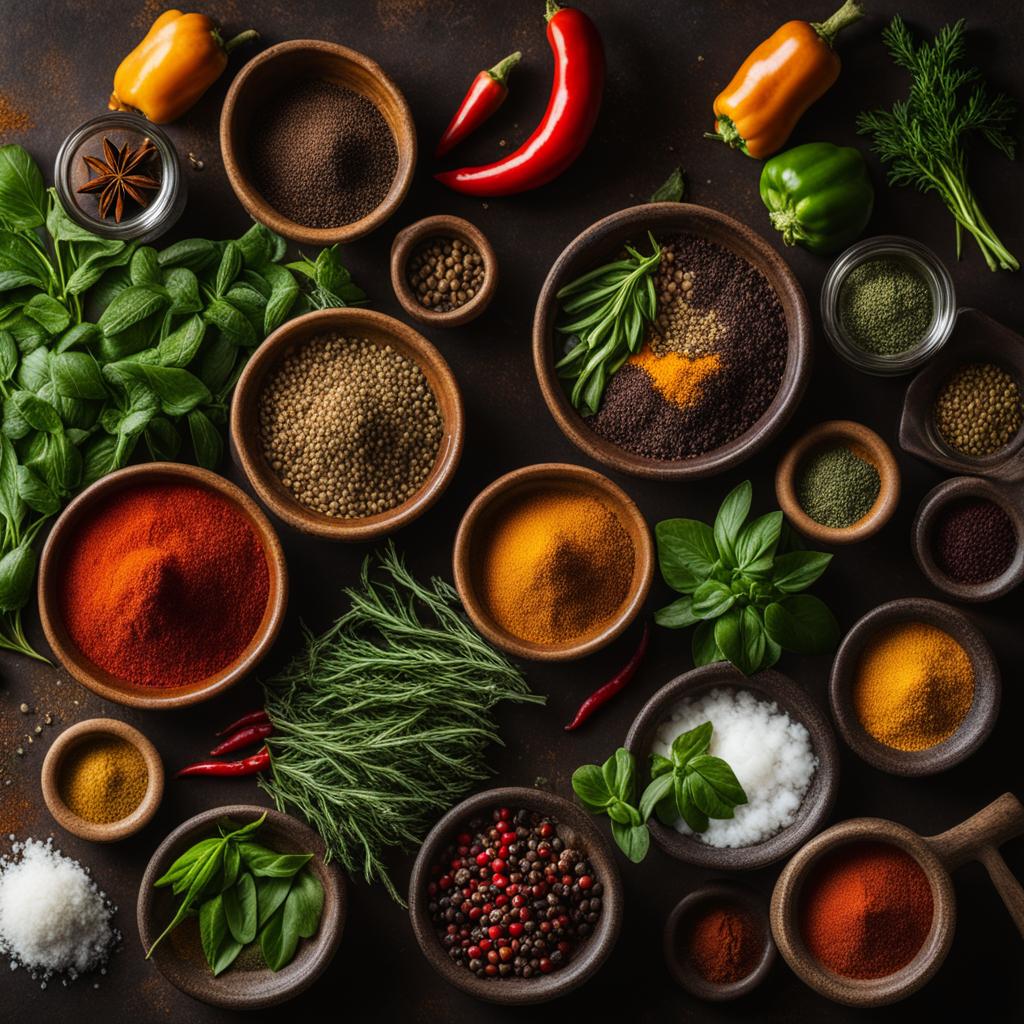
Recipe 1: Cinnamon-Infused Rice Pudding
Cinnamon is a versatile spice that adds warmth and sweetness to both sweet and savory dishes. For a delightful dessert, try making a cinnamon-infused rice pudding. Start by cooking basmati rice in milk until it becomes soft and creamy. Then, stir in a generous amount of Sri Lankan cinnamon powder and sweeten with sugar or honey to taste. Serve warm and garnish with a sprinkle of cinnamon on top. This comforting dessert will transport you to the exotic flavors of Sri Lanka.
Recipe 2: Spicy Mexican Salsa
Mexican chilies are known for their fiery zing and vibrant flavors. To make a delicious spicy salsa, roast tomatoes, onions, and jalapenos until they are charred and blistered. Blend them together with a squeeze of lime juice, a handful of fresh cilantro, and a pinch of Mexican chili powder. Adjust the spiciness according to your preference. This zesty salsa is perfect for dipping tortilla chips or topping your favorite Mexican dishes.
Recipe 3: Smoky Paprika Chicken
Hungarian paprika adds a distinctive earthy flavor to any dish. For a flavorful main course, try making smoky paprika chicken. Marinate chicken thighs with a mixture of olive oil, garlic, lemon juice, and a generous amount of Hungarian paprika. Let the flavors infuse for at least 30 minutes, then grill or roast the chicken until it is juicy and cooked through. Serve with a side of roasted vegetables for a hearty and satisfying meal.
Recipe 4: Kerala Black Pepper Steak
Kerala’s black pepper is prized for its aromatic and spicy notes. For a succulent steak bursting with flavor, season your favorite cut of beef with freshly ground Kerala black pepper and a sprinkle of sea salt. Let the steak rest for a few minutes to allow the flavors to penetrate the meat. Grill or sear the steak to your desired level of doneness. The aromatic Kerala black pepper will enhance the natural richness of the steak, creating a memorable dining experience.
Carbon Reduction and Sustainability of Single Origin Spices
When it comes to single-origin spices, the benefits extend beyond their unique flavors and aromas. These spices also have the potential to contribute to carbon reduction and promote sustainability. By choosing single-origin spices sourced from small-scale farmers and brands committed to ethical sourcing, we can make a positive impact on the environment while enjoying the exquisite tastes these spices offer.
One of the key factors that contribute to the carbon reduction of single-origin spices is the focus on sustainable farming practices. Small-scale farmers typically follow environmentally friendly methods, avoiding mass plantation and deforestation. By supporting these farmers, we help protect natural habitats and reduce carbon emissions associated with large-scale agricultural practices.
Moreover, brands that prioritize ethical sourcing take steps to ensure fairer and more sustainable spice trade. They establish direct partnerships with farmers, providing them with fair wages and working conditions. This approach not only supports the livelihoods of farmers but also helps maintain the delicate ecological balance of the regions where these spices originate.
By choosing single-origin spices and supporting brands that prioritize sustainability, we can savor the flavors of these spices while contributing to a healthier planet. Together, let’s embrace the delicious journey of single-origin spices and make mindful choices that promote carbon reduction and sustainability.
Best Single-Origin Spices: A Historical Perspective
The history of spices dates back thousands of years, with their significance extending beyond mere culinary purposes. Spices have played a vital role in cultures around the world, offering unique flavors, medicinal properties, and even economic prosperity.
In ancient times, spices were highly prized commodities, often traded over great distances. The spice trade, also known as the ancient spice routes, involved the transport and exchange of exotic spices like cinnamon, pepper, and cloves. These valuable commodities were used for various purposes, including religious ceremonies, burial rituals, and as status symbols among the elite.
The ancient spice trade was instrumental in shaping the course of history, fostering cultural exchange, and paving the way for exploration and discovery. It fueled the desire for exploration and led to the discovery of new lands and civilizations.
From the biblical references to spices in ancient Egypt to the extensive use of herbs and spices in Chinese medicine, the historical significance of spices is deeply intertwined with human civilization. Exploring these historical uses provides a rich context for understanding the role of spices in our modern lives.
Key Takeaways:
- Spices have been highly valued for their unique flavors and medicinal properties throughout history.
- The ancient spice trade played a crucial role in cultural exchange and exploration.
- Spices were used for religious rituals, burial customs, and as symbols of status.
- The historical uses of spices provide insights into different cultures and their culinary and medicinal practices.
- Exploring the historical perspective of spices enhances our understanding of their importance in our modern lives.
Early Humans and Their Use of Herbs and Spices
As early humans roamed the Earth, they discovered the incredible flavors and benefits of herbs and spices. Our ancestors co-evolved with flowering plants, and they soon realized that wrapping food in leaves or seasoning it with nuts, seeds, berries, and bark enhanced its taste. Herbs and spices also served medicinal purposes and helped mask unpleasant tastes and odors.
Early humans recognized the value of these aromatic treasures and began incorporating them into their daily lives. They used herbs and spices to enhance the flavor of their meals, make medicine, and even perform rituals. This early relationship with herbs and spices laid the foundation for their extensive use throughout history.
From the ancient civilizations of Mesopotamia to the great empires of Egypt, Greece, and Rome, herbs and spices continued to play a vital role in human culture. They brought new dimensions to culinary creations, added depth to medicinal remedies, and were highly prized for their diverse properties.

The Significance of Herbs and Spices
The use of herbs and spices by early humans was not merely a matter of taste and aroma. These botanical wonders provided a range of benefits. Some herbs and spices possessed antimicrobial properties, helping to preserve food and protect against harmful bacteria. Others had medicinal properties, aiding in digestion, soothing ailments, or providing pain relief. Additionally, their vibrant colors and unique aromas made them valuable in religious and cultural rituals.
| Herbs and Spices | Uses |
|---|---|
| Cinnamon | Flavoring, fragrance, medicinal |
| Garlic | Flavoring, preservation, medicinal |
| Ginger | Flavoring, medicinal |
| Cloves | Flavoring, preservation, medicinal |
In the words of the great explorer Marco Polo, “I have never known a country or a people where there are so many herbs and spices and where they are so good.”
Exploring the ancient use of herbs and spices allows us to appreciate their impact on early humans and the foundations they laid for our culinary and medicinal practices today. It’s a testament to the enduring allure and significance of these botanical treasures.
Spices in Biblical Times
Spices played a significant role in the culinary and religious practices of biblical times. References to spices can be found throughout the Bible, showcasing their cultural and symbolic importance. These aromatic ingredients were used in offerings, religious rituals, and even for medicinal purposes.
One notable mention is the Queen of Sheba, who brought spices as gifts to King Solomon. The Bible also mentions several specific spices, including cinnamon, saffron, and coriander. These spices added flavor, fragrance, and value to the lives of the people in biblical times.
“…and cinnamon and spice…” – Exodus 30:23
The use of spices in biblical times not only satisfied culinary desires but also had deeper meanings. Spices were offerings to God, symbolizing the offering of one’s best and most valuable possessions. They were also used for medicinal purposes, as spices like frankincense and myrrh were believed to have healing properties.
The significance of spices in biblical times showcases their rich history and their impact on culture, religion, and daily life. Exploring these references in the Bible provides a fascinating insight into the ancient world and the value placed on these aromatic treasures.
Spices in Biblical Times – Summary:
- Spices played a significant role in the culinary and religious practices of biblical times.
- References to spices can be found throughout the Bible, showcasing their cultural and symbolic importance.
- Spices were used in offerings, religious rituals, and for medicinal purposes.
- The Queen of Sheba brought spices as gifts to King Solomon, and specific spices like cinnamon and coriander were mentioned in biblical texts.
- Spices had both practical and symbolic purposes, adding flavor, fragrance, and value to the lives of the people in biblical times.
Spice and Herb Use in Ancient Egypt
Ancient Egypt, known for its rich history and cultural heritage, had a deep appreciation for spices and herbs. These aromatic ingredients were not only used to enhance the flavors of dishes but also played a vital role in medicinal practices. From garlic to cinnamon, the ancient Egyptians recognized the diverse benefits that spices offered.
Garlic, a staple in modern kitchens, held significant importance in ancient Egypt. Its strong aroma and flavor made it a popular choice both for culinary and medicinal purposes. Garlic cloves were even found in the tomb of King Tutankhamen, demonstrating its significance in Egyptian culture. The Egyptians believed that garlic had magical properties and used it as a remedy for various ailments.
The ancient Egyptians not only valued spices for their culinary contributions but also recognized their medicinal properties. Garlic, cinnamon, and other aromatic ingredients were used to treat digestive issues, respiratory problems, and infections.
Cinnamon, known for its warm and sweet aroma, was another beloved spice in ancient Egypt. It was imported from Ethiopia and used for both culinary and medicinal purposes. Egyptians believed that cinnamon had powerful healing properties and used it to alleviate digestive issues and respiratory problems.
The Medicinal Uses of Spices in Ancient Egypt
| Spice | Medicinal Uses |
|---|---|
| Garlic | Treating infections, respiratory issues, and digestive problems |
| Cinnamon | Alleviating digestive issues and respiratory problems |
Ancient Egypt’s fascination with spices and herbs highlights the cultural significance of these ingredients. They were not only valued for their culinary contributions but also recognized for their medicinal properties. Exploring the spice and herb use in ancient Egypt provides a glimpse into the rich heritage and deep understanding of the benefits offered by these aromatic ingredients.
Ancient Spice and Herb Use in Chinese Culture
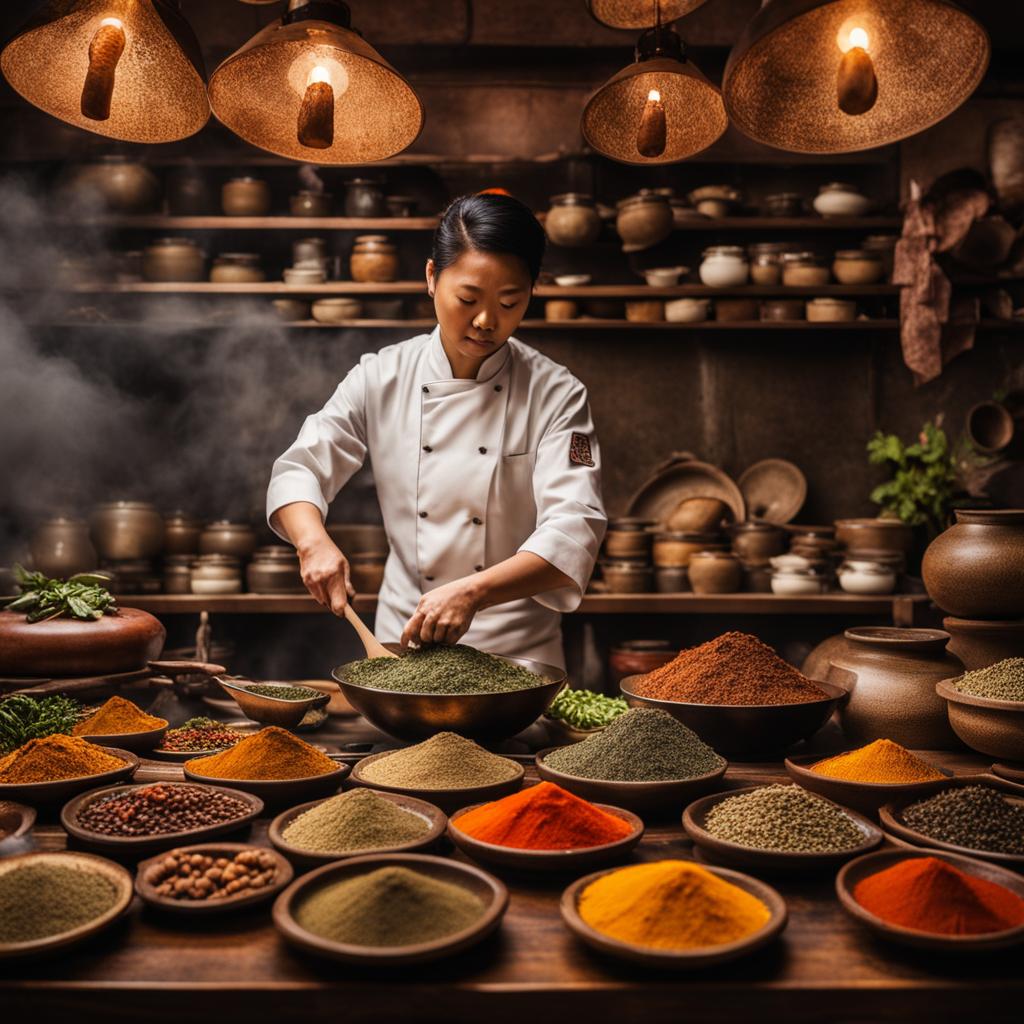
Chinese culture has a rich history of incorporating spices and herbs into various aspects of life. The use of spices in Chinese cuisine and traditional medicine has been prevalent for centuries, offering unique flavors and therapeutic properties. Chinese herbal medicine, also known as Traditional Chinese Medicine (TCM), is deeply rooted in the use of spices and herbs to promote health and balance within the body.
The Chinese people have long believed in the power of spices to maintain and restore wellbeing. In Chinese herbal medicine, spices are carefully selected and combined to create powerful concoctions that address specific ailments and imbalances. For example, ginger is often used to alleviate digestive issues, while star anise is incorporated into remedies for respiratory conditions. These spices are believed to possess healing properties that can rebalance the body’s energy, known as Qi.
Spices have not only contributed to the flavors of Chinese cuisine but also played a role in cultural traditions. For centuries, spices like cinnamon, cloves, and Sichuan peppercorns have been included in festive dishes and traditional Chinese New Year celebrations. These aromatic spices not only add depth to the flavors but also symbolize abundance, good fortune, and ward off evil spirits.
“In Chinese culture, spices are revered for their unique flavors and therapeutic properties, and they are integral to our culinary traditions and healing practices.” – Chef Zhang Wei, Chinese culinary expert
Chinese culture’s reverence for spices is evident in the diverse array of flavors and uses. From the numbing heat of Sichuan peppercorns to the delicate aroma of star anise, spices have a profound impact on Chinese cuisine and the overall well-being of its people.
Spices and Herbs in Ancient Mesopotamia
One of the earliest civilizations known to have a rich history of spice and herb use is ancient Mesopotamia, located in present-day Iraq. Cuneiform records, one of the earliest forms of written language, provide fascinating insights into the variety of odoriferous plants and herbs that were utilized in this region. These plants played crucial roles in both the culture and medical practices of ancient Mesopotamia.
Among the various spices and herbs mentioned in the cuneiform records, thyme and myrrh were particularly notable for their medicinal properties. Thyme was believed to have healing qualities and was used for treating ailments such as respiratory problems and digestion issues. Myrrh, on the other hand, was highly valued for its antiseptic and anti-inflammatory properties.
The ancient Mesopotamians understood the significance and power of these natural substances, incorporating them into their daily lives and religious rituals. These spice and herb uses in ancient Mesopotamia provide us with a glimpse into the rich cultural heritage and advanced understanding of medicinal plants in this ancient civilization.
“The cuneiform records of ancient Mesopotamia reveal the extensive use of spices and herbs by these early civilizations. These plants played a vital role not only in their cuisine but also in their medical practices, showcasing the advanced knowledge and cultural significance of spices in ancient Mesopotamia.”
– Dr. Emily Johnson, Historian
| Spices and Herbs | Uses |
|---|---|
| Thyme | Used for medicinal purposes, including respiratory problems and digestion issues. |
| Myrrh | Highly valued for its antiseptic and anti-inflammatory properties. |
| Cumin | Used as a culinary spice and for medicinal purposes. |
| Cinnamon | Known for its aromatic flavor and potential medicinal benefits. |
The spice and herb use in ancient Mesopotamia exemplifies the early human fascination with the natural world and the understanding of the value of these plants. From their culinary applications to their medicinal properties, spices and herbs played a vital role in shaping the culture and practices of this ancient civilization.
Spice and Herb Use in Ancient Greece and Rome
Ancient Greece and Rome were known for their rich culinary traditions and the extensive use of spices and herbs in their cuisine. Spices were highly prized, not only for their flavors but also for their medicinal properties. These ancient civilizations embraced the use of spices in their daily lives, incorporating them into a wide range of dishes, beverages, and even medicinal treatments.
In both ancient Greece and Rome, herbs and spices were considered essential ingredients that enhanced the taste and aroma of food. Commonly used spices included pepper, cinnamon, saffron, and cardamom. These spices were utilized in various dishes, ranging from savory to sweet, adding depth and complexity to the flavors.
Furthermore, the Greeks and Romans recognized the medicinal benefits of spices. They believed in the healing properties of certain herbs and spices and used them in different remedies. For example, pepper was used to aid digestion, cinnamon was believed to have antimicrobial properties, and saffron was used as an antidepressant.
Ancient Greek and Roman Spices
| Spice | Common Uses | Medicinal Properties |
|---|---|---|
| Pepper | Seasoning meats, soups, and sauces | Aiding digestion |
| Cinnamon | Baking, desserts, and beverages | Antimicrobial properties |
| Saffron | Risottos, stews, and sauces | Antidepressant |
| Cardamom | Breads, desserts, and coffee | Anti-inflammatory properties |
These ancient civilizations valued spices not only for their culinary contributions but also for their medicinal properties. The use of spices in ancient Greece and Rome showcased the importance of flavor, health, and the cultural significance of these aromatic ingredients.
Conclusion
After delving into the world of single-origin spices, I am convinced that they offer a truly exceptional culinary experience. These spices, sourced from specific regions around the globe, bring a wealth of unique flavors and aromas to your dishes. From the robust sweetness of Sri Lankan cinnamon to the fiery zing of Mexican chilies, single-origin spices transport your taste buds to their land of origin.
But it’s not just about the taste. Single-origin spices also offer numerous health benefits. Take Indian turmeric, for example, which contains curcumin, a compound known for its anti-inflammatory and antioxidant properties. By incorporating these spices into your cooking, you can not only enhance the depth and nuance of your dishes but also boost your overall wellbeing.
Furthermore, choosing single-origin spices can make a positive impact on sustainability. Brands like Spice Tribe and Burlap & Barrel prioritize ethical sourcing and support fairer and more sustainable spice trade. By supporting small-scale farmers and avoiding mass plantation and deforestation, we can contribute to reducing carbon emissions and promote a healthier planet.
FAQ
What are single-origin spices?
Single-origin spices are sourced from a specific region around the globe, capturing the authentic flavors and aromas of their land of origin.
What are the health benefits of single-origin spices?
Single-origin spices, such as turmeric, can have health benefits like anti-inflammatory and antioxidant properties.
What are some reputable brands for single-origin spices?
Spice Tribe and Burlap & Barrel are two reputable brands known for their high-quality and authentic single-origin spices.
How do single-origin spices enhance the taste of dishes?
Single-origin spices offer unique flavors and nuances, adding depth and character to your culinary creations.
What are some tips for cooking with single-origin spices?
Start with small amounts, toast spices lightly before grinding, and store them in airtight containers away from direct sunlight for optimal flavor.
Can you provide some recipes using single-origin spices?
Certainly! Try a cinnamon-infused rice pudding with Sri Lankan cinnamon, a spicy Mexican salsa with Mexican chilies, or a smoky paprika chicken dish with Hungarian paprika.
How do single-origin spices contribute to sustainability?
By supporting sustainable farming practices and avoiding mass plantation and deforestation, single-origin spices can help reduce carbon emissions and promote a healthier planet.
What is the historical significance of spices?
Spices have been used throughout history for various purposes, including culinary, medicinal, and religious practices.
How did early humans use herbs and spices?
Early humans discovered the enhanced taste of food when seasoned with certain nuts, seeds, berries, and bark, leading to the extensive use of herbs and spices in cooking.
What role did spices play in biblical times?
Spices were used for offerings, burial rituals, trade, medicinal purposes, and flavoring in biblical times.
How were spices utilized in Ancient Egypt?
Ancient Egyptians used spices for medicinal purposes and flavoring, including garlic, onion, cinnamon, and cardamom.
What was the significance of spices in Chinese culture?
Chinese culture valued spices for their culinary contributions and medicinal uses, documented in ancient Chinese herbal texts.
How were spices used in ancient Mesopotamia?
Spices and herbs were used in ancient Mesopotamia for medicinal purposes, as mentioned in cuneiform records and clay tablets.
How did spices impact ancient Greek and Roman cultures?
Ancient Greeks and Romans imported Eastern spices, incorporating them into their culinary and medical practices.
What can single-origin spices bring to your culinary experience?
Single-origin spices offer unique flavors, health benefits, and contribute to a sustainable and environmentally-friendly approach to cooking.


