

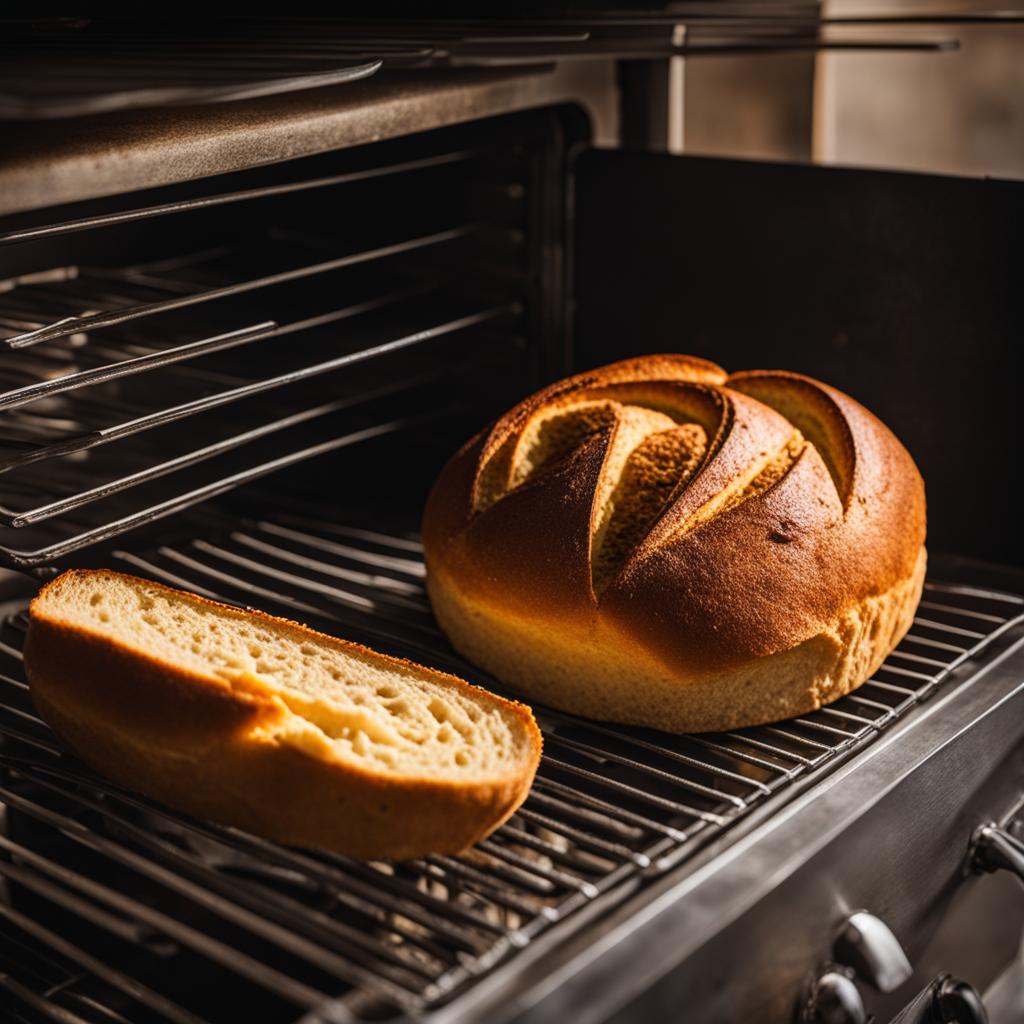
Are you passionate about baking bread at home? If so, you know that achieving bakery-quality results can be a challenge. That’s where the right oven comes in. In this article, we’ll explore the best oven for baking bread and how it can enhance your bread-making experience.
When it comes to baking bread, the oven plays a crucial role in achieving the perfect loaf. The ideal oven should offer even heat distribution, ensuring that your bread bakes evenly and develops a beautiful crust. With the right oven, you can create artisan-style loaves that rival those from your favorite bakery.
Whether you’re a seasoned bread baker or just starting out, finding the best oven for your needs is essential. In this article, we’ll discuss the benefits of using a dutch oven for bread baking, how it works, and what factors to consider when choosing one. We’ll also explore alternative options and share expert tips for successful bread baking.
Key Takeaways:
- Choosing the right oven is key to achieving bakery-quality bread at home.
- A dutch oven is an excellent option for baking bread due to its even heat distribution and steam retention.
- Consider factors such as size, type of dutch oven, price, and quality when selecting your oven.
- There are alternative options available for bread baking if you don’t have a dutch oven.
- Maintaining and cleaning your oven properly is essential for its longevity and performance.
How Does a Dutch Oven Work?
A Dutch oven is a versatile cooking tool made of cast iron that excels at baking bread. It is designed to withstand high temperatures and can be used on both stovetops and in ovens. The heavy weight and thick walls of a Dutch oven help retain heat and distribute it evenly, resulting in even baking. The tight-fitting lid traps steam inside the Dutch oven, which aids in bread rising and developing a beautiful crust. The steam created inside the enclosed pot helps bread achieve a fluffy interior and a crisp, golden crust.
When baking bread in a Dutch oven, the heat is evenly distributed throughout the cooking process, ensuring that the bread bakes uniformly. The Dutch oven mimics the environment of a professional bakery oven, allowing home bakers to achieve bakery-quality bread in their own kitchens. The versatility of a Dutch oven also means that it can be used for various cooking methods, making it a valuable tool that serves multiple purposes in the kitchen.
“The heavy weight and thick walls of a Dutch oven help retain heat and distribute it evenly, resulting in even baking.”
Benefits of Using a Dutch Oven for Baking
Using a Dutch oven for baking bread offers several benefits. The even heat distribution and retention of a Dutch oven result in evenly baked bread with a fluffy interior and a crispy crust. The steam created inside the Dutch oven during baking helps bread rise and develop its characteristic artisan-style crust. Additionally, the versatility of a Dutch oven allows it to be used for various cooking methods, making it a valuable kitchen tool. Whether you’re baking bread or preparing soups, stews, or braised meats, a Dutch oven is a versatile and indispensable addition to any kitchen.
Overall, a Dutch oven is a reliable and effective tool for baking bread. Its ability to distribute heat evenly, retain heat, and create a steamy environment sets it apart from other baking tools. By investing in a Dutch oven, you can elevate your bread baking game and enjoy delicious, bakery-style loaves right at home.
Choosing the Right Dutch Oven
When it comes to choosing a dutch oven for bread baking, there are several factors to consider. These factors will ensure that you select the best dutch oven that meets your specific needs and preferences.
Size
The size of the dutch oven is crucial as it needs to accommodate the size of your bread loaf. If you plan on baking larger loaves, then opting for a larger dutch oven is recommended. On the other hand, if you prefer smaller loaves, a smaller dutch oven will suffice.
Type
There are two main types of dutch ovens: bare cast iron and enameled cast iron. Bare cast iron dutch ovens are known for their excellent heat retention and durability. They require seasoning before use to prevent rust. Enameled cast iron dutch ovens are coated with enamel, which eliminates the need for seasoning and makes them easier to clean. Consider your preference and cooking style when choosing between the two types.
Price
The price range of dutch ovens can vary significantly. It’s important to set a budget and find a dutch oven that fits within your price range. While there are high-end brands available, there are also more affordable options that offer good quality and performance.
Maximum Temperature
Check the maximum temperature that a dutch oven can withstand before making a purchase. Some dutch ovens are not suitable for high-heat baking, so it’s essential to choose one that can handle the temperatures required for bread baking.
Quality and Durability
Ensure that the dutch oven you choose is of high quality and built to last. Look for reputable brands and read customer reviews to get an idea of the overall quality and durability of the product. Investing in a well-made dutch oven will ensure that it serves you well for years to come.
By considering these factors, you can confidently choose the right dutch oven for your bread baking endeavors. Remember to prioritize your specific needs and preferences to find the perfect dutch oven that will help you create delicious artisan loaves with ease.
The Benefits of Baking Bread in a Dutch Oven
When it comes to baking bread, using a Dutch oven offers numerous advantages that result in a delicious, bakery-quality loaf. Here are some of the key benefits of baking bread in a Dutch oven:
- Steam retention for optimal rise and crust: The enclosed environment of a Dutch oven traps steam released by the bread as it bakes. This steam helps the bread rise and creates a beautiful, crispy crust.
- Even heat distribution: Dutch ovens are known for their excellent heat retention and distribution. The heavy, cast iron construction ensures that the bread bakes evenly, resulting in a consistent texture and flavor.
- Versatility for other cooking methods: In addition to bread baking, Dutch ovens can be used for a variety of cooking techniques such as braising, roasting, and even frying. This makes them a versatile tool in the kitchen.
“Baking bread in a Dutch oven gives me professional-quality results right in my own kitchen. The crust is always perfect, and the interior is fluffy and moist. It’s truly a game-changer.”
Whether you’re a beginner or an experienced bread baker, using a Dutch oven for your bread-making endeavors can elevate your skills and produce outstanding results. The combination of steam retention, even heat distribution, and versatility make it the ideal choice for baking bread that rivals your favorite artisan bakery.
Dutch Oven Bread Baking Techniques
When it comes to baking bread in a dutch oven, there are a few key techniques that can help you achieve delicious, artisan-style loaves. Here are some tips and best practices to keep in mind:
- Preheat the dutch oven: Before adding your dough, make sure to preheat the dutch oven in the oven. This helps create a hot and steamy environment, which is crucial for achieving a beautiful crust and even baking.
- Use parchment paper or a silicone baking mat: To prevent sticking and make it easier to remove the bread from the dutch oven, line the bottom with parchment paper or use a silicone baking mat.
- Score the dough: Before placing the dough in the preheated dutch oven, score the top with a sharp knife or razor blade. This allows the bread to expand and release steam during baking, creating a better rise and texture.
- Enhance steam: To create more steam inside the dutch oven, you can spray water onto the dough or place a few ice cubes in the bottom of the pot before closing the lid. This additional steam helps create a crisp and golden crust.
- Experiment with baking time and temperature: Depending on your recipe and desired crust color, you may need to adjust the baking time and temperature. Keep an eye on the bread while it’s baking and make any necessary adjustments to achieve the perfect result.
By following these techniques and experimenting with different recipes, you can master the art of baking bread in a dutch oven and enjoy bakery-quality loaves in the comfort of your own kitchen.
“Baking bread in a dutch oven creates the perfect steamy environment for achieving a professional-quality crust and texture.”
| Baking Technique | Description |
|---|---|
| Preheating the dutch oven | Helps create a hot and steamy environment for even baking and a beautiful crust. |
| Using parchment paper or a silicone baking mat | Prevents sticking and makes it easier to remove the bread from the dutch oven. |
| Scoring the dough | Allows the bread to expand and release steam during baking, resulting in a better rise and texture. |
| Enhancing steam | Spraying water onto the dough or using ice cubes creates additional steam, resulting in a crisp and golden crust. |
| Experimenting with baking time and temperature | Adjusting these variables according to your recipe and preferences helps achieve the desired result. |
With these dutch oven bread baking techniques and tips, you’ll be able to create mouthwatering loaves that rival those from a professional bakery. So grab your dutch oven, mix up some dough, and get ready to enjoy freshly baked bread that’s sure to impress!
The Role of Dutch Ovens in Artisan Bread Baking
In the world of artisan bread baking, Dutch ovens play a paramount role in achieving outstanding quality and flavor. These versatile cooking vessels are specifically designed to enhance the bread baking process, contributing to the development of a crispy crust and a soft interior. The importance of dutch ovens cannot be overstated when it comes to creating bakery-style bread at home.
“Using a dutch oven gives you the closest result to bakery-style bread in a home kitchen setting.”
One of the key ways in which Dutch ovens enhance bread baking is through their ability to create and retain steam. The enclosed design of the pot traps the steam released by the dough during baking, mimicking the environment of a professional bakery oven. This steam aids in the proper rising of the bread and the development of a beautiful, golden crust. The even heat distribution and retention of a dutch oven ensure that the bread bakes evenly, resulting in a consistent texture throughout.
Additionally, Dutch ovens offer excellent heat retention, allowing the bread to bake at a consistent temperature. This helps create an ideal environment for yeast activation and gluten development, leading to a superior quality loaf. The combination of steam and heat retention in a dutch oven helps achieve the perfect balance of crustiness, softness, and flavor in artisan bread.
Whether you are a seasoned bread baker or just starting out, incorporating a dutch oven into your bread baking routine is a game-changer. Its unique capabilities elevate the quality of your bread to a professional level, making every homemade loaf a delight to savor and share.
Exploring Different Dutch Oven Brands
When it comes to baking bread in a dutch oven, choosing the right brand can make all the difference. Here, I will explore popular dutch oven brands that are highly regarded for their quality and performance in bread baking.
Le Creuset
Le Creuset is a renowned brand known for its premium enameled cast iron dutch ovens. Their dutch ovens are favored by bakers for their exceptional heat retention, even heat distribution, and durability. Le Creuset offers a wide range of sizes and colors, allowing you to find the perfect dutch oven to match your kitchen aesthetic. While they may come with a higher price tag, the investment is worth it for those seeking top-of-the-line quality.
Staub
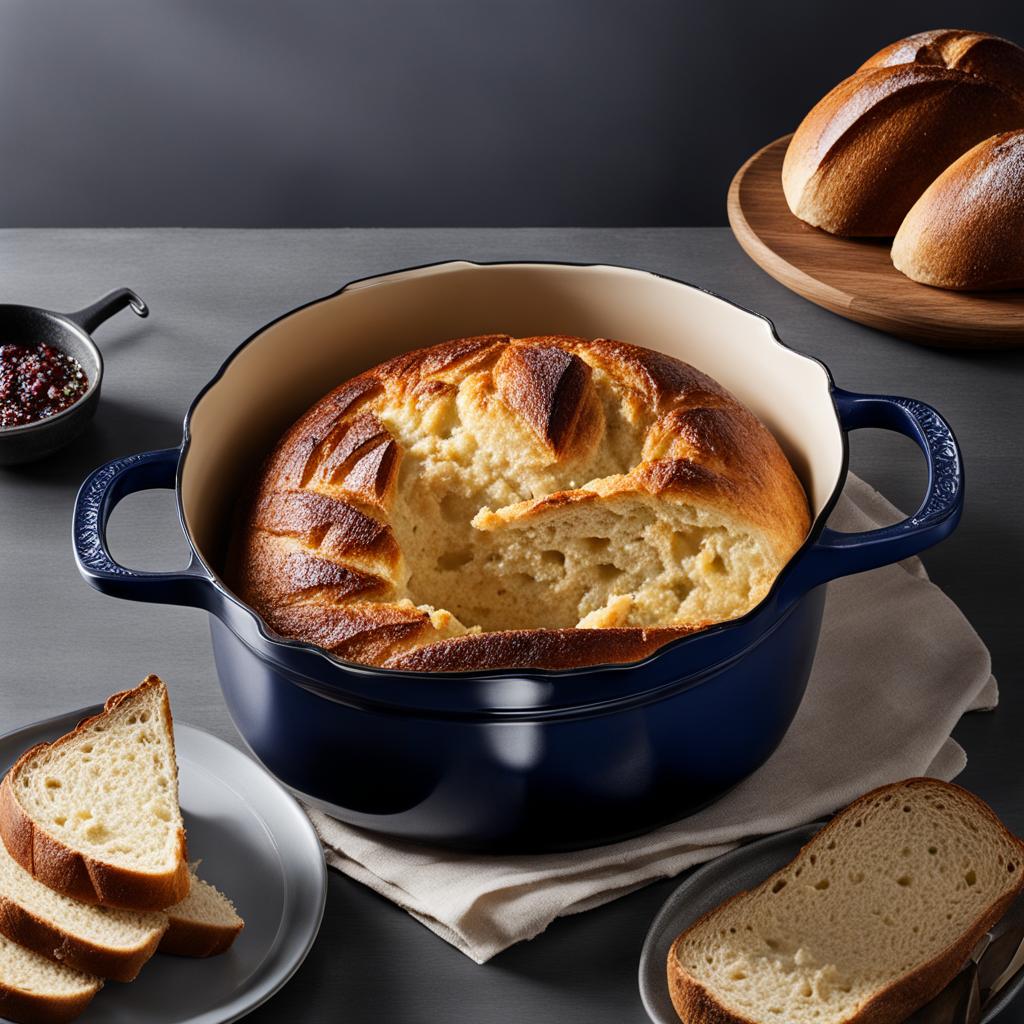
Staub is another top-rated brand that produces high-quality enameled cast iron dutch ovens. Known for their beautiful design and excellent heat retention, Staub dutch ovens are a favorite among professional bakers and home cooks alike. The tight-fitting lids and matte enamel interior of Staub dutch ovens contribute to their superior performance in bread baking. While they may be a bit pricey, the craftsmanship and longevity of Staub dutch ovens make them a worthwhile investment.
Lodge
Lodge is a trusted brand that offers a range of affordable dutch ovens suitable for bread baking. Their bare cast iron dutch ovens are known for their excellent heat retention and durability. Lodge dutch ovens come pre-seasoned, making them ready to use right out of the box. While they may not have the same level of craftsmanship as higher-end brands, Lodge dutch ovens provide excellent value for the price and are a great choice for beginner bread bakers or those on a budget.
| Dutch Oven Brand | Key Features | Price Range |
|---|---|---|
| Le Creuset | Premium enameled cast iron, exceptional heat retention, wide range of sizes and colors | High-end |
| Staub | Beautiful design, excellent heat retention, tight-fitting lids, matte enamel interior | High-end |
| Lodge | Affordable, pre-seasoned bare cast iron, excellent heat retention | Affordable |
These are just a few examples of reputable dutch oven brands for bread baking. While Le Creuset and Staub are known for their high-end offerings, Lodge provides a more budget-friendly option without compromising on quality. Consider your personal preferences, budget, and baking needs when selecting a dutch oven brand. Ultimately, investing in a quality dutch oven will enhance your bread baking experience and help you achieve professional-level results.
Tips for Baking Bread in a Dutch Oven
When it comes to baking bread in a dutch oven, there are a few key tips and tricks that can help you achieve delicious and successful results. Here are some expert advice for dutch oven bread baking:
- Preheat the dutch oven: To create a hot and steamy environment for your bread, make sure to thoroughly preheat your dutch oven before adding the dough. This will help promote a crispy crust and even baking.
- Use parchment paper or a silicone baking mat: To prevent the bread from sticking to the bottom of the dutch oven, line it with parchment paper or a silicone baking mat. This will make it easier to remove the bread once it’s baked.
- Score the dough: Before placing the dough in the dutch oven, score the top with a sharp knife or razor blade. This will allow the bread to expand and create a beautiful, artisanal look.
- Adjust baking time and temperature: Every recipe and dutch oven is different, so it’s important to adjust the baking time and temperature according to your specific recipe and desired crust color. Keep an eye on the bread as it bakes and make adjustments as needed.
By following these tips, you’ll be well on your way to baking delicious, bakery-style bread in a dutch oven. Experiment with different ingredients and techniques to find your perfect dutch oven bread recipe. Happy baking!
| Tips for Baking Bread in a Dutch Oven |
|---|
| Preheat the dutch oven |
| Use parchment paper or a silicone baking mat |
| Score the dough |
| Adjust baking time and temperature |
“Preheat the dutch oven before adding the dough helps create steam immediately and ensures even baking.”
Trying out different techniques and methods is part of the fun of baking bread in a dutch oven. Don’t be afraid to experiment and find what works best for you. With these tips in mind, you’ll be able to achieve delicious, crusty bread with a fluffy interior.
Alternative Options for Baking Bread
While dutch ovens are highly recommended for baking bread, there are alternative options available for those who don’t have one at home. These alternatives can still yield delicious and artisan-style loaves, allowing you to enjoy freshly baked bread without the need for a dutch oven. Let’s explore some of these alternative methods for bread baking:
1. Pizza Stone or Baking Stone
If you have a pizza stone or a baking stone, you can use it to achieve similar results to baking bread in a dutch oven. A pizza stone or baking stone helps create a steamy environment and even heat distribution, resulting in a crispy crust and fluffy interior. Simply preheat the stone in the oven, place your bread dough on top, and bake as directed in your recipe.
2. Cast Iron Skillet
Another option for baking bread without a dutch oven is using a cast iron skillet. While it may not create the same steamy environment as a dutch oven, a cast iron skillet can still produce a delicious loaf of bread. Preheat the skillet in the oven, transfer your bread dough into the skillet, and bake as usual. The cast iron skillet will help create a crispy crust and even heat distribution.
3. Baking Cloche
A baking cloche is a ceramic or clay dome-shaped vessel that can be used for bread baking. Similar to a dutch oven, a baking cloche creates a steamy environment that helps bread rise and develop a beautiful crust. Place your bread dough inside the preheated baking cloche, cover with the lid, and bake as directed. The result will be a loaf of bread with a crispy crust and soft interior.
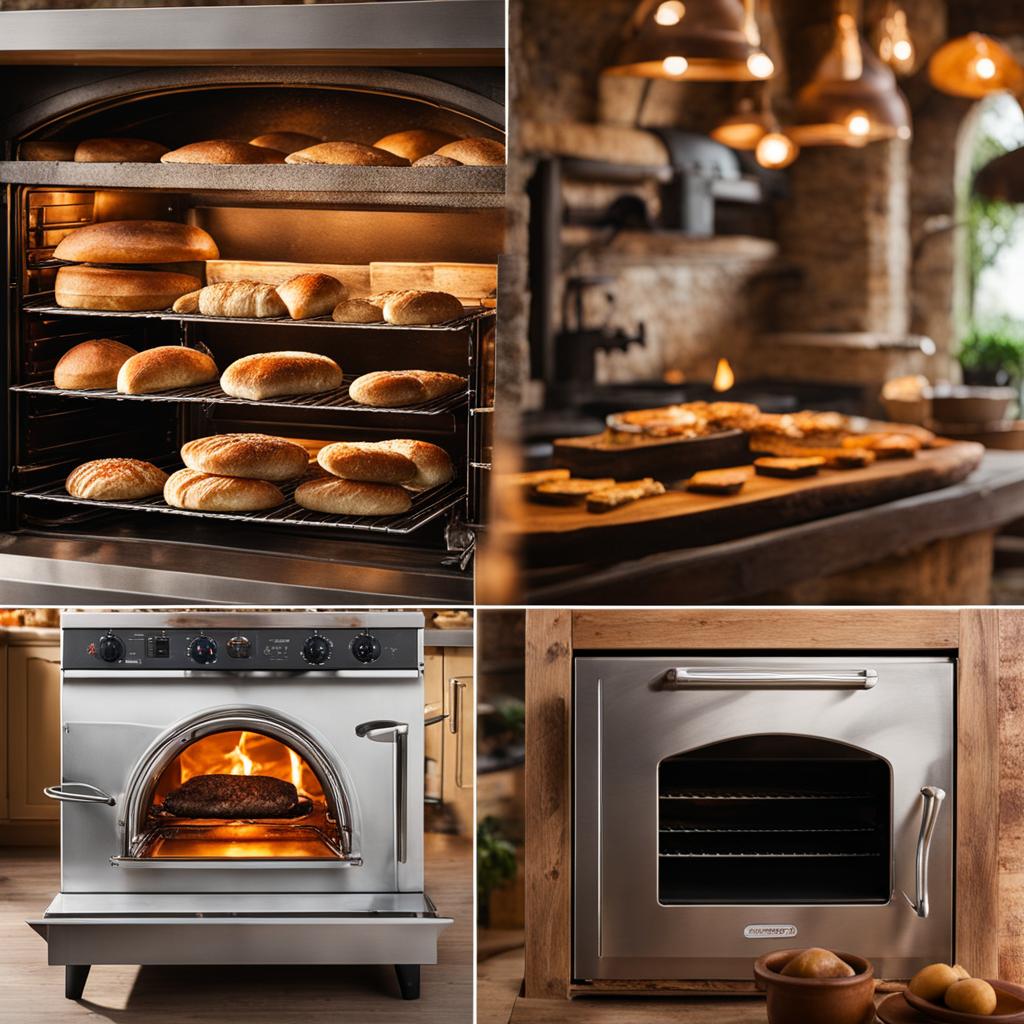
These alternative options for bread baking are great alternatives to dutch ovens and can help you achieve delicious homemade bread. Experiment with different methods and find the one that works best for you. Whether you choose a pizza stone, cast iron skillet, or baking cloche, you’ll be able to enjoy the satisfaction of baking bread at home, even without a dutch oven.
Maintaining and Cleaning Your Dutch Oven
Proper maintenance and cleaning are essential to ensure the longevity of your dutch oven. By following these tips, you can keep your dutch oven in good condition and continue to enjoy its benefits for years to come.
Maintaining Your Dutch Oven
To maintain your dutch oven, it’s important to season it regularly. Seasoning creates a non-stick surface and protects the cast iron from rust. Start by washing your dutch oven with warm water and a soft sponge or brush. Avoid using soap or steel wool, as they can strip away the seasoning or damage the enamel coating.
After washing, dry the dutch oven thoroughly to prevent rust. Place it on a stove burner or in the oven on low heat until all moisture has evaporated. Once dry, apply a thin layer of cooking oil to the interior and exterior of the dutch oven. Wipe away any excess oil with a paper towel.
Repeat this seasoning process regularly to maintain the protective layer and prevent rust. With proper seasoning and care, your dutch oven will continue to perform at its best.
“Seasoning creates a non-stick surface and protects the cast iron from rust.”
Cleaning Your Dutch Oven
When it comes to cleaning your dutch oven, it’s best to avoid harsh chemicals or abrasive scrubbers. Instead, opt for a gentle approach. After each use, wash the dutch oven with warm water and a soft sponge or brush. Avoid using soap, as it can strip away the seasoning. If there are stubborn food particles, you can use a plastic scraper or a non-abrasive scrub brush to remove them.
For any remaining residue, fill the dutch oven with warm water and let it soak for a few minutes. This will help loosen the food particles, making them easier to remove. Once clean, dry the dutch oven thoroughly to prevent rust.
Storing Your Dutch Oven
When not in use, it’s important to store your dutch oven properly. Make sure it is completely dry before storing to prevent moisture buildup and potential rust. Place a clean cloth or paper towel inside the dutch oven to absorb any excess moisture. Store the dutch oven in a cool, dry place, away from direct sunlight or extreme temperatures.
By following these tips for maintaining and cleaning your dutch oven, you can ensure its longevity and continue to enjoy baking delicious bread and other culinary delights.
Budget-Friendly Dutch Oven Options
When it comes to baking bread in a dutch oven, you don’t have to break the bank to get the perfect results. There are plenty of affordable options available that can still deliver excellent performance for bread baking. Brands like Lodge and Cuisinart offer quality dutch ovens at a more budget-friendly price point, making them ideal choices for home bakers on a tight budget.
While these budget-friendly options may not have all the bells and whistles of higher-end brands, they are still capable of producing delicious artisan loaves. They are made with durable materials and designed to withstand high temperatures, ensuring even heat distribution for evenly baked bread. These economical choices provide excellent value for money without compromising on quality.
So whether you’re just starting out on your bread baking journey or looking for an affordable upgrade, these budget-friendly dutch ovens are worth considering. With their reliable performance and wallet-friendly prices, you can enjoy the art of bread baking without breaking the bank.
| Brand | Price Range | Key Features |
|---|---|---|
| Lodge | $30-$100 | Durable cast iron construction, even heat distribution |
| Cuisinart | $50-$150 | Enamel-coated cast iron for easy cleaning, good heat retention |
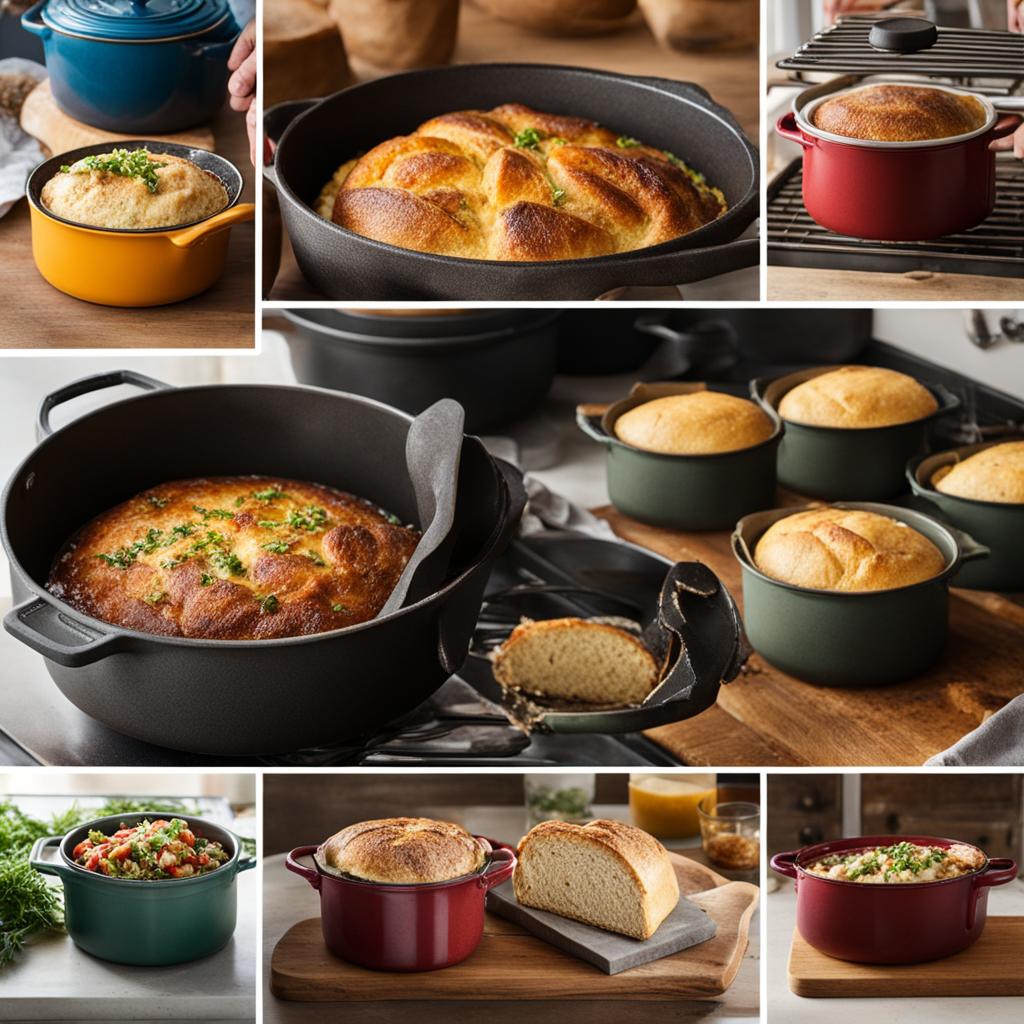
“With these budget-friendly dutch ovens, you can achieve bakery-quality bread without breaking the bank.”
Why choose a budget-friendly dutch oven?
1. Affordability: Budget-friendly dutch ovens offer a cost-effective solution for home bakers who want to enjoy the benefits of baking bread in a dutch oven without spending a fortune.
2. Quality Construction: Despite their lower price point, these dutch ovens are still made with durable materials and designed to deliver reliable performance. They can withstand high temperatures and provide even heat distribution for perfectly baked bread.
3. Versatility: Budget-friendly dutch ovens can also be used for other cooking methods, making them a versatile addition to your kitchen arsenal. From stews to roasts, these dutch ovens can handle a variety of recipes with ease.
Don’t let a tight budget hold you back from experiencing the joy of baking bread in a dutch oven. These budget-friendly options prove that you can have both quality and affordability when it comes to choosing the perfect dutch oven for bread baking.
Where to Buy a Dutch Oven
Are you ready to start baking delicious bread in a dutch oven? Here are some of the best places to purchase a high-quality dutch oven that will elevate your bread baking experience:
- Amazon: With a wide selection of dutch ovens from various brands, Amazon is a convenient online marketplace to find the perfect dutch oven for your bread baking needs.
- Williams Sonoma: Known for its premium kitchenware, Williams Sonoma offers a range of dutch ovens that are renowned for their quality and durability.
- Sur La Table: This specialty kitchenware store is a great place to explore different dutch oven options. They often carry a curated selection of top-rated brands.
- Department Stores: Retailers like Macy’s and Bed Bath & Beyond also stock dutch ovens from reputable brands. You can visit their physical stores or check their online platforms for a wide range of options.
When purchasing a dutch oven, it’s important to choose a reputable retailer that offers reliable customer service and product warranties. Take the time to read reviews, compare prices, and consider your specific needs to ensure you find the best dutch oven that meets your requirements.
Investing in a high-quality dutch oven will not only enhance your bread baking endeavors but also equip you with a versatile kitchen tool that can be used for various cooking methods. Enjoy the journey of creating delicious artisan bread right in your own home!
Conclusion
After exploring the world of dutch oven bread baking, it is clear that these versatile kitchen tools are a must-have for any bread enthusiast. Dutch ovens offer excellent heat distribution, steam retention, and even baking, resulting in bakery-quality bread with a crispy crust and fluffy interior.
When choosing a dutch oven, consider factors such as size, type (bare cast iron or enameled cast iron), price, and overall quality. Reputable brands like Le Creuset, Staub, Lodge, and Cuisinart offer a range of options to suit different budgets and needs.
While dutch ovens are highly recommended for bread baking, alternative options like pizza stones or cast iron skillets can also yield great results. It’s all about finding the method that works best for you and your kitchen.
So, whether you’re a beginner or an experienced baker, investing in a dutch oven will take your bread baking to new heights. With the perfect heat distribution and steamy environment they provide, you’ll be enjoying delicious, artisan loaves in no time. Happy baking!
FAQ
What are the benefits of baking bread in a Dutch oven?
Baking bread in a Dutch oven helps create steam, resulting in a crisp, golden crust and a fluffy interior. The even heat distribution ensures evenly baked bread.
How do I choose the right Dutch oven for bread baking?
Consider factors such as size, type (bare cast iron or enameled cast iron), price, maximum temperature, and overall quality and durability.
What techniques should I use when baking bread in a Dutch oven?
Preheating the Dutch oven, using parchment paper or a baking mat, scoring the dough, adjusting baking time and temperature, and enhancing steam can result in the best bread.
Can I bake bread without a Dutch oven?
Yes, alternatives such as a pizza stone, baking stone, cast iron skillet, or baking cloche can be used for baking bread.
How do I maintain and clean my Dutch oven?
Wash with warm water and a soft sponge or brush, without using soap or steel wool. Dry thoroughly to prevent rust. Seasoning may be required for bare cast iron Dutch ovens.
Are there budget-friendly Dutch oven options available?
Brands like Lodge and Cuisinart offer quality Dutch ovens at more affordable prices, suitable for bread baking.
Where can I buy a Dutch oven?
Reputable retailers like Amazon, Williams Sonoma, and Sur La Table offer a wide selection of Dutch ovens online. Specialty kitchenware stores and department stores also carry them.


